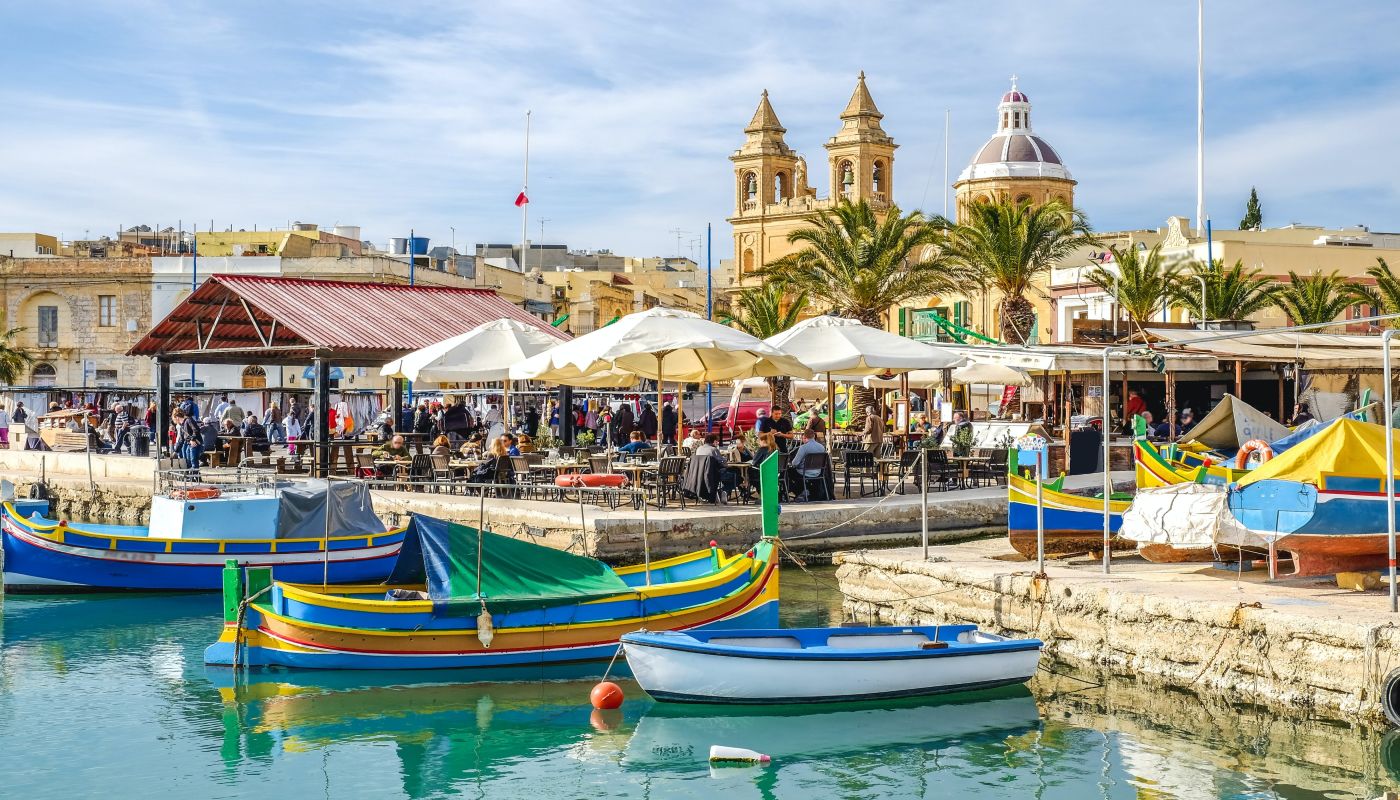
Landscape of Malta
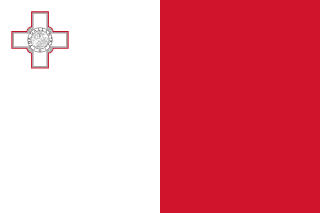
Flag of Malta

Malta

Europe

Malta is a small but vibrant island nation located in the Mediterranean, known for its historic cities, stunning beaches, and vibrant culture. With a population of just over 514,000 people, Malta is one of the smallest countries in the world, but it has a highly developed economy that is based on tourism, finance, and manufacturing. The country has a long history of political stability and is a member of the European Union.

What would you like to learn about in Malta?

Select a section to explore the country where nonprofits are creating positive change.

About Malta

Great Britain formally acquired possession of Malta in 1814. The island staunchly supported the UK through both world wars and remained in the Commonwealth when it became independent in 1964. A decade later Malta became a republic. Since about the mid-1980s, the island has transformed itself into a freight transshipment point, a financial center, and a tourist destination. Malta became an EU member in May 2004 and began using the euro as currency in 2008.

Quick Facts

Population
411,277 (July 2013 est.)
Area
316 sq km
ISO Code
MT
Continent
Europe
Government
republic
Active Causes
12
View all countries in Europe

Geography & Environment

Climate

Mediterranean; mild, rainy winters; hot, dry summers

Terrain

mostly low, rocky, flat to dissected plains; many coastal cliffs

Natural Resources

limestone, salt, arable land

Environmental Issues

limited natural freshwater resources; increasing reliance on desalination

People & Society

79.98 years
Avg. Life Expectancy
92.4%
Literacy Rate
95% of total population (2010)
Total Urban Population

Languages

Maltese (official) 90.2%, English (official) 6%, multilingual 3%, other 0.8% (2005 census)

Religions

Roman Catholic (official) 98%

Health Expenditure

8.7% of GDP (2010) of GDP

Education Expenditure

5.4% of GDP (2009) of GDP

Economy

$27,500
GDP per Capita (PPP)
6.4%
Unemployment Rate
15.4% (2011)
Below Poverty Line

Economic Overview

Malta - the smallest economy in the euro zone - produces only about 20% of its food needs, has limited fresh water supplies, and has few domestic energy sources. Malta's geographic position between Europe and North Africa makes it a target for irregular migration, which has strained Malta's political and economic resources. Malta''s fertility rate is below the EU average, and population growth in recent years has largely been from immigration, putting increasing pressure on the pension system. Malta adopted the euro on 1 January 2008. Malta''s economy is dependent on foreign trade, manufacturi...

Causes in Malta

Family

In Malta, family plays a significant role in shaping the social fabric and cultural identity of its inhabitants. The Maltese society is traditionally centered around strong familial ties, with an emphasis on intergenerational relationships and mutual support among relatives. Families in Malta often serve as the primary source of emotional, financial, and social stability for individuals, influencing their values, beliefs, and behaviors. Moreover, family gatherings and celebrations hold considerable importance in Maltese culture, serving as occasions for strengthening bonds and maintaining traditions. However, changing social dynamics and economic pressures have led to shifts in family structures and dynamics in recent years, impacting the traditional roles and functions of families in Maltese society.

Human Rights

Malta, a small island nation in the Mediterranean Sea, is known for its rich history and vibrant culture. When examining Malta in the context of Human Rights, several key issues come to light. One significant area of concern is the treatment of migrants and asylum seekers. Malta has faced criticism for its handling of these vulnerable populations, with reports of overcrowded detention centers and inadequate access to healthcare and legal assistance. Additionally, gender equality remains an ongoing challenge in Malta, with women facing barriers to equal opportunities in the workforce and issues such as domestic violence still prevalent. It is crucial for Malta to address these human rights issues in order to create a more inclusive and equitable society for all its residents.

Education

Education in Malta plays a crucial role in shaping the country's future and fostering its social and economic development. With a strong emphasis on quality education, Malta has made significant strides in improving its educational system over the years. The government has invested heavily in providing accessible and inclusive education to its citizens, with a focus on enhancing skills and knowledge that are relevant to the global economy. Education in Malta also plays a key role in promoting social cohesion and reducing inequality by offering equal opportunities to all individuals regardless of their background. By investing in education, Malta is not only preparing its workforce for the demands of the modern economy but also creating a more equitable and prosperous society for all its citizens.

Poverty

Malta, a small Mediterranean island nation, is not exempt from the global issue of poverty. Despite being one of the European Union's smallest member states, poverty remains a significant concern in Malta. The high cost of living, low wages, and limited job opportunities contribute to the country's poverty rates. Furthermore, vulnerable groups such as single-parent families, the elderly, and individuals with disabilities are particularly at risk of living in poverty in Malta. The impact of poverty in Malta is far-reaching, affecting access to adequate housing, healthcare, education, and overall well-being. As a society, it is crucial to recognize and address the root causes of poverty in Malta to ensure a better quality of life for all its inhabitants.

Religion

Religion holds significant influence in Malta, a Southern European island country in the Mediterranean Sea. The predominant religion in Malta is Roman Catholicism, with the vast majority of the population adhering to this faith. The impact of religion in Malta is deeply ingrained in various aspects of society, including politics, culture, and daily life. Religious festivals and traditions play a vital role in Maltese society, with events such as Easter and Christmas celebrated with great fervor and enthusiasm. The Catholic Church also wields considerable influence in political decision-making processes and social policies. The intertwining of religion and daily life in Malta is evident in the numerous churches, chapels, and religious landmarks that dot the island, reflecting its rich religious heritage. Despite its predominantly Catholic population, Malta is known for its religious tolerance and respect for other faiths. This coexistence of religious traditions adds to the cultural diversity and richness of the country.

Clean Water

Malta, an archipelago in the central Mediterranean, faces significant challenges regarding clean water availability and quality due to its limited freshwater resources and high population density. The country relies heavily on desalination plants and groundwater extraction to meet its water needs. However, over-extraction has led to the depletion of aquifers and saltwater intrusion, compromising the quality of available water sources. Furthermore, pollution from agriculture, industry, and urban areas poses a threat to the overall water quality in Malta. The impact of inadequate access to clean water can be observed in public health concerns, environmental degradation, and economic implications for the tourism industry, which heavily relies on the country's pristine coastal waters. Sustainable water management practices and awareness campaigns are crucial in addressing these challenges and ensuring a sustainable water future for Malta.

Economy

Malta, a small island nation in the Mediterranean Sea, has experienced significant economic growth in recent years, driven primarily by sectors such as tourism, financial services, and manufacturing. The country's economy has been positively impacted by its strategic location, attractive tax incentives for businesses, and a skilled workforce. However, despite its economic prosperity, Malta faces challenges related to income inequality, high cost of living, and environmental sustainability. The reliance on certain industries also leaves Malta vulnerable to external economic shocks. It is crucial for policymakers and stakeholders to address these issues in order to ensure sustainable and inclusive growth for the country.

Government

Malta, a small island nation located in the Mediterranean Sea, faces a variety of challenges that are impacted by its government. The Maltese government plays a crucial role in shaping the country's economy, environment, and social welfare. One of the key issues facing Malta is sustainability, with pressures on natural resources and concerns over climate change. The government's policies on renewable energy, waste management, and urban planning have a direct impact on the country's ability to address these challenges. Additionally, Malta's government plays a significant role in regulating industries such as tourism and financial services, which are vital to the country's economy but also pose risks such as over-tourism and money laundering. It is essential for the Maltese government to balance economic growth with sustainable development to ensure the well-being of its citizens and the preservation of its natural resources.

Health

Health plays a vital role in the well-being of the Maltese population, with various factors influencing their overall health outcomes. The island nation of Malta faces challenges such as an aging population, high rates of non-communicable diseases, and limited access to healthcare services in certain regions. The prevalence of lifestyle-related diseases like obesity, diabetes, and cardiovascular conditions is a growing concern impacting the health of Maltese individuals. Additionally, environmental factors such as air pollution and water quality also play a role in public health issues in Malta. Addressing these health challenges requires a multi-faceted approach involving government initiatives, community engagement, and individual responsibility to promote healthier lifestyles and improve healthcare accessibility for all residents.

Children

Malta, a small island nation in the Mediterranean, faces various challenges related to children. One significant issue is child poverty, with around 20% of Maltese children living in households at risk of poverty or social exclusion. This can lead to inadequate access to education, healthcare, and other essential services, impacting their overall well-being and future prospects. Additionally, child abuse and neglect remain pressing concerns in Malta, with reports of such incidents increasing over the years. The lack of timely intervention and support systems can have lasting negative effects on the physical, emotional, and psychological development of children in Malta. As a society, it is crucial to address these issues collectively to ensure the well-being and protection of all children in the country.

Environment

Malta, a small island nation in the Mediterranean, is highly vulnerable to the impacts of environmental degradation. With its limited land area and dense population, Malta faces significant challenges related to waste management, air and water pollution, and climate change. The country's heavy reliance on fossil fuels for energy production has led to poor air quality, contributing to respiratory issues among its residents. Additionally, Malta's coastal waters are threatened by pollution from sewage and maritime activities, impacting marine biodiversity and threatening the livelihoods of those dependent on fishing and tourism. Rising sea levels and extreme weather events also pose a threat to Malta's infrastructure and economy. It is crucial for Malta to prioritize sustainable practices and invest in environmental conservation efforts to safeguard its unique ecosystems and ensure the well-being of its population for generations to come.

Animals

Located in the Mediterranean Sea, Malta is a small island nation with a rich history and culture. Animals play a significant role in the lives of the Maltese people, with a variety of domestic and wild species inhabiting the island. However, Malta faces several challenges in terms of animal welfare and conservation. Stray animals, particularly cats and dogs, roam the streets, leading to issues of overpopulation and neglect. Additionally, Malta has been criticized for its traditional practices such as bird hunting and trapping, which have raised concerns about the impact on local wildlife populations. Efforts are being made by local organizations and authorities to address these issues through education, legislation, and advocacy campaigns to promote responsible pet ownership and protect endangered species. By raising awareness about these challenges, we can work towards creating a more sustainable and compassionate environment for animals in Malta.

Make Your Impact Today

Discover causes you care about and support the nonprofits making a difference in communities around the world.

Are you a nonprofit? Join Project World Impact for free

Join Us Free