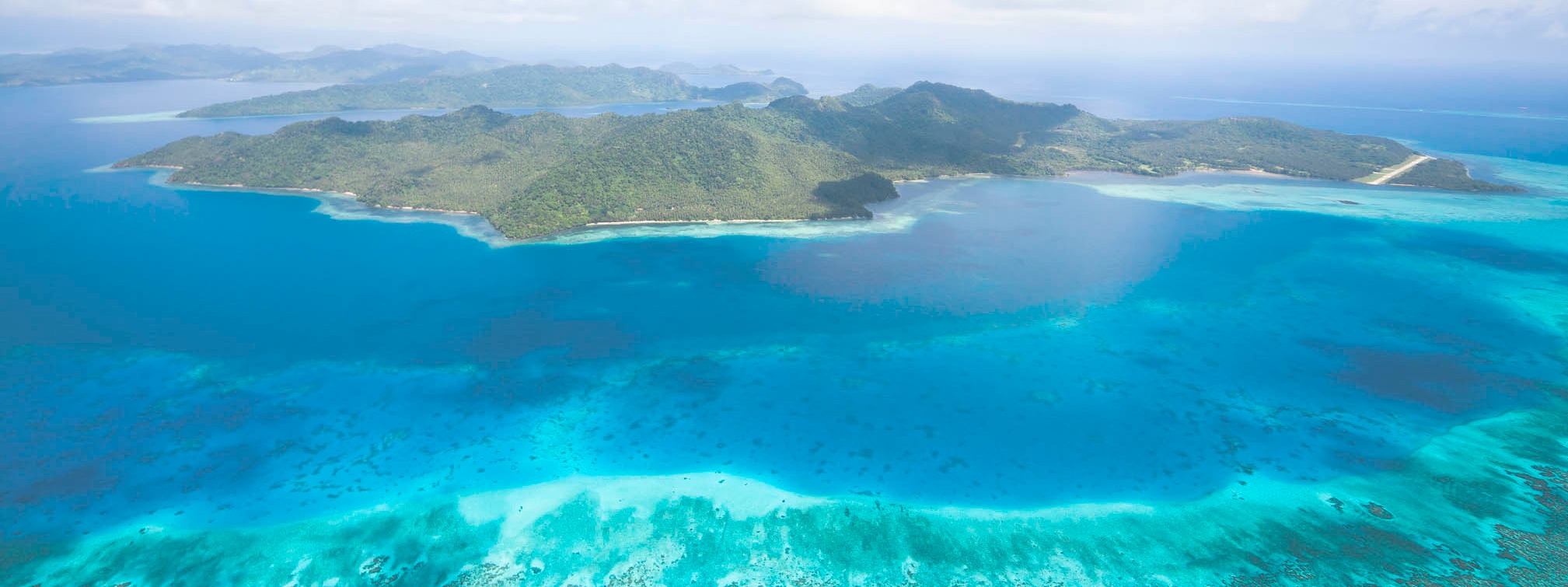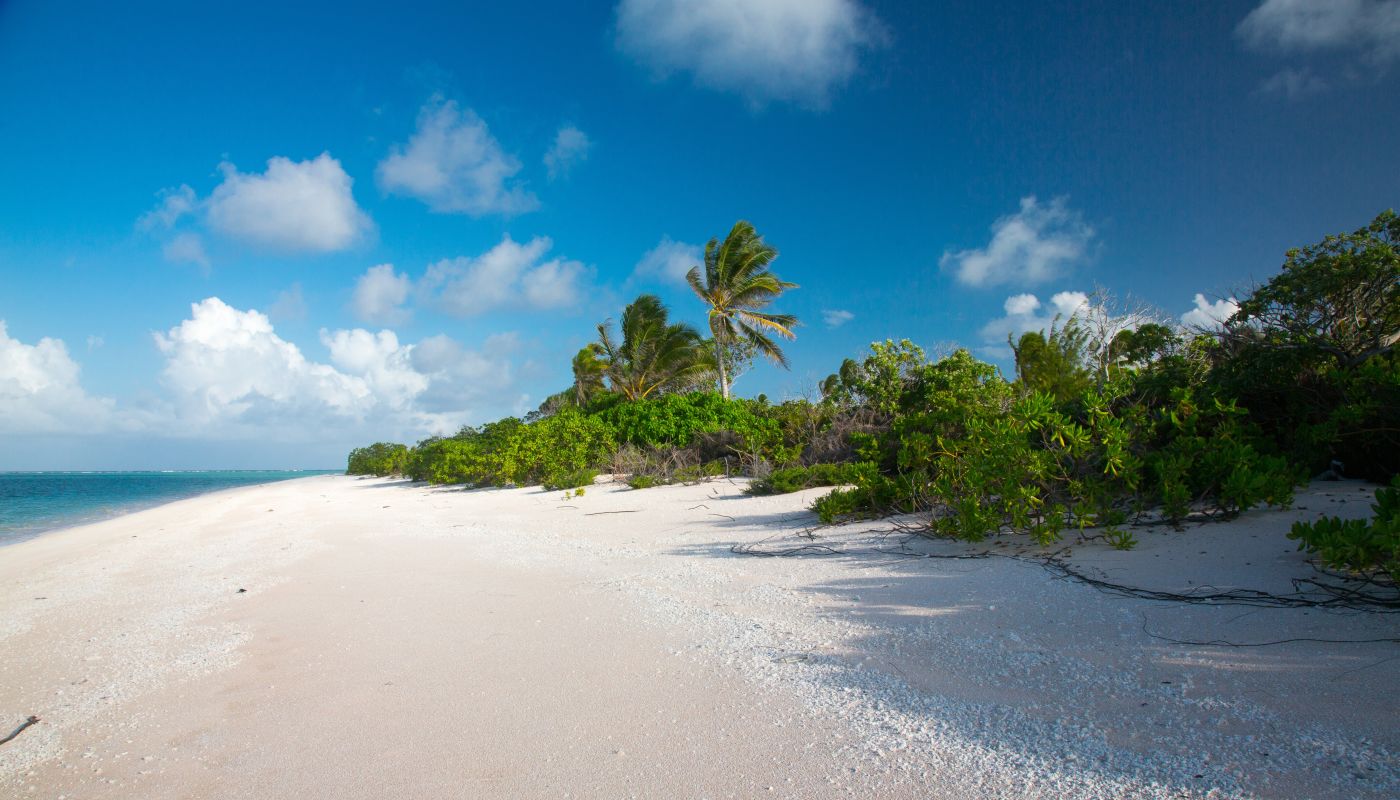
Landscape of Marshall Islands
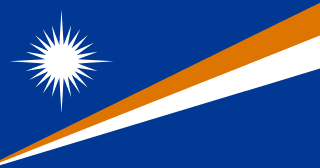
Flag of Marshall Islands

Marshall Islands

Australia/Oceania

The Marshall Islands are a remote island nation located in the Pacific Ocean, known for their stunning natural beauty and unique culture. With a population of around 75,000 people, the Marshall Islands are a developing country that has made progress in areas such as healthcare and environmental conservation. The nation's economy is based on fishing, agriculture, and tourism, but it also faces challenges related to economic development and climate change. The Marshall Islands have been working to promote sustainable development and protect their natural resources, while also addressing issues related to health and education.

What would you like to learn about in Marshall Islands?

Select a section to explore the country where nonprofits are creating positive change.

About Marshall Islands

After almost four decades under US administration as the easternmost part of the UN Trust Territory of the Pacific Islands, the Marshall Islands attained independence in 1986 under a Compact of Free Association. Compensation claims continue as a result of US nuclear testing on some of the atolls between 1947 and 1962. The Marshall Islands hosts the US Army Kwajalein Atoll (USAKA) Reagan Missile Test Site, a key installation in the US missile defense network.

Quick Facts

Population
69,747 (July 2013 est.)
Area
181 sq km
ISO Code
MH
Continent
Australia/Oceania
Government
constitutional government in free association with the US; the Compact of Free Association entered into force on 21 October 1986 and the Amended Compact entered into force in May 2004
Active Causes
12
View all countries in Australia/Oceania

Geography & Environment

Climate

tropical; hot and humid; wet season May to November; islands border typhoon belt

Terrain

low coral limestone and sand islands

Natural Resources

coconut products, marine products, deep seabed minerals

Environmental Issues

inadequate supplies of potable water; pollution of Majuro lagoon from household waste and discharges from fishing vessels

People & Society

72.31 years
Avg. Life Expectancy
93.7%
Literacy Rate
72% of total population (2010)
Total Urban Population

Languages

Marshallese (official) 98.2%, other languages 1.8% (1999 census)

Religions

Protestant 54.8%, Assembly of God 25.8%, Roman Catholic 8.4%, Bukot nan Jesus 2.8%, Mormon 2.1%, other Christian 3.6%, other 1%, none 1.5% (1999 censu...

Health Expenditure

18.1% of GDP (2010) of GDP

Education Expenditure

12.2% of GDP (2004) of GDP

Economy

$8,800
GDP per Capita (PPP)
36%
Unemployment Rate
NA%
Below Poverty Line

Economic Overview

US assistance and lease payments for the use of Kwajalein Atoll as a US military base are the mainstay of this small island country. The Marshall Islands received roughly $1 billion in aid from the US during 1986-2001 under the original Compact of Free Association (Compact). In 2002 and 2003, the US and the Marshall Islands renegotiated the Compact's financial package for a 20-year period, from 2004 to 2024. Under the amended Compact, the Marshall Islands will receive roughly $1.5 billion in direct US assistance. Agricultural production, primarily subsistence, is concentrated on small farms; t...

Causes in Marshall Islands

Environment

The Marshall Islands, located in the Pacific Ocean, face significant challenges due to their low-lying geography, making them highly vulnerable to the impacts of climate change. Rising sea levels, changing weather patterns, and ocean acidification pose a direct threat to the livelihoods and well-being of the Marshallese people. The Environment has a profound impact on this nation, with the increasing frequency and intensity of natural disasters such as cyclones and flooding exacerbating these issues. Additionally, the Marshall Islands are facing issues like coral bleaching, which harms marine ecosystems vital to their economy and food security. Urgent action is needed to address these environmental challenges and support the resilience of the Marshall Islands in the face of a changing climate.

Family

Family plays a significant role in the Marshall Islands, shaping social structures and providing support networks for individuals. In Marshallese culture, family ties are strong and extended families often live together, fostering a sense of unity and community. The concept of "jowi" or mutual assistance is deeply ingrained in society, where family members rely on each other for emotional, financial, and practical support. However, the traditional family system in the Marshall Islands has faced challenges due to modernization, urbanization, and migration trends, which have led to changes in familial dynamics. Despite these challenges, family remains a cornerstone of Marshallese identity and plays a crucial role in preserving cultural traditions and values.

Human Rights

The Republic of the Marshall Islands, a small island nation in the Pacific Ocean, faces various human rights challenges that significantly impact its population. One of the major concerns is the impact of climate change on the country, leading to rising sea levels, natural disasters, and threats to food security. Additionally, issues such as limited access to healthcare services, high rates of non-communicable diseases, and inadequate sanitation facilities pose significant challenges to the well-being of its people. The Marshall Islands also experiences gender inequality, with women facing barriers to education and employment opportunities. Addressing these human rights issues is crucial for ensuring the overall development and well-being of the Marshallese population.

Education

The Marshall Islands, a nation in the central Pacific Ocean, faces a myriad of challenges, with education being a critical area of concern. The country's education system is under strain due to limited resources, infrastructure, and qualified educators. This has resulted in low literacy rates and limited access to quality education for many Marshallese children. The impact of these educational challenges is far-reaching, affecting the country's overall development and prosperity. By addressing these issues and investing in education, the Marshall Islands can empower its citizens, improve economic opportunities, and build a more sustainable future for generations to come.

Poverty

In the Marshall Islands, poverty is a prevailing issue that significantly impacts the population's well-being and development. With limited natural resources and a small geographic area, the country faces challenges in diversifying its economy and creating sustainable livelihoods for its people. The high cost of living, coupled with inadequate access to basic services such as healthcare and education, further exacerbates the poverty situation in the Marshall Islands. Limited job opportunities, particularly outside of the fishing industry, contribute to high levels of unemployment and underemployment. As a result, many Marshallese struggle to meet their basic needs and experience food insecurity and inadequate housing conditions. Addressing poverty in the Marshall Islands requires sustainable development strategies that focus on improving infrastructure, enhancing education and skills training programs, and promoting economic diversification. By raising awareness about the impact of poverty on the Marshall Islands, we can work towards supporting initiatives that aim to uplift communities and improve their quality of life.

Religion

Religion plays a significant role in the Marshall Islands, a country in the central Pacific Ocean. The predominant religion in the Marshall Islands is Christianity, particularly Protestantism, which was introduced by missionaries in the 19th century. The influence of Christianity is evident in various aspects of Marshallese society, from traditional ceremonies and rituals to daily practices and beliefs. The Christian faith has shaped the moral values and cultural identity of the Marshallese people, emphasizing concepts such as forgiveness, community, and stewardship of the environment. Religion also plays a crucial role in governance and decision-making processes within the country, with church leaders often wielding considerable influence. Despite the strong presence of Christianity, traditional Marshallese beliefs and practices persist alongside Christian teachings, creating a unique blend of spiritual traditions in the islands.

Clean Water

The Marshall Islands, an island country in the Pacific Ocean, faces significant challenges regarding clean water access and quality. With a limited freshwater supply and susceptibility to saltwater intrusion due to rising sea levels, the Marshall Islands grapple with water scarcity issues. Contaminated water sources from inadequate sanitation infrastructure further exacerbate the problem, leading to health risks such as waterborne diseases. The lack of access to clean water not only compromises public health but also hinders economic development and perpetuates poverty in the region. Addressing these challenges requires sustainable water management practices, investment in infrastructure, and international cooperation to safeguard the health and well-being of the Marshallese people.

Economy

The Marshall Islands, a small nation in the Pacific Ocean, faces significant challenges due to its economy. The country relies heavily on foreign aid, fisheries, and the compact of free association with the United States for revenue. The economy is vulnerable to external factors such as climate change, which poses a threat to the country's agricultural productivity and infrastructure. Additionally, the reliance on imported goods results in a high cost of living for its citizens. The lack of diversified economic activities and limited natural resources further exacerbate the economic struggles faced by the Marshall Islands. Addressing these economic challenges is crucial for the sustainable development and resilience of this nation.

Government

The Marshall Islands, a nation located in the Pacific Ocean, faces a multitude of challenges stemming from its unique geographic position and vulnerability to climate change. The Government of the Marshall Islands plays a crucial role in addressing these issues by implementing policies and strategies to mitigate the impacts of rising sea levels, extreme weather events, and diminishing natural resources. Additionally, the government works to promote sustainable development, strengthen resilience, and protect the environment for future generations. However, limited resources and capacity constraints pose significant obstacles to these efforts. It is essential for the international community to support the Government of the Marshall Islands in its endeavors to build a more sustainable and resilient future for its people.

Health

The Marshall Islands, a small island country located in the Pacific Ocean, faces significant health challenges that stem from a variety of factors. One of the key issues impacting the population's health in the Marshall Islands is the prevalence of non-communicable diseases such as diabetes, cardiovascular diseases, and cancer. Factors contributing to this high burden of disease include limited access to healthcare services, a lack of public health infrastructure, and unhealthy lifestyle choices. Additionally, the Marshall Islands' history of nuclear testing by foreign powers has led to lasting environmental contamination, which poses serious health risks to its residents. Addressing these health challenges requires a multi-faceted approach that includes improving healthcare infrastructure, promoting healthy lifestyles, and addressing environmental concerns to safeguard the well-being of the Marshallese people.

Children

The Marshall Islands, a nation in the central Pacific Ocean, faces various challenges impacting its children. High rates of poverty, limited access to quality healthcare and education, and susceptibility to natural disasters due to climate change are key factors affecting the well-being of children in this country. The limited availability of resources and infrastructure hinders children's access to proper nutrition, education, and healthcare services, leading to negative impacts on their physical and mental development. Furthermore, the Marshall Islands' vulnerability to rising sea levels poses a significant threat to the lives and future prospects of its young population. Efforts to address these issues require collaborative interventions from government bodies, non-governmental organizations, and the international community to ensure a better future for the children of the Marshall Islands.

Animals

The Marshall Islands, located in the Pacific Ocean, is home to a diverse range of animals both on land and in its surrounding waters. The delicate ecosystem of this island nation is greatly impacted by human activities such as overfishing, pollution, and climate change, leading to a decline in biodiversity. Species such as sea turtles, sharks, and various fish populations are particularly vulnerable to these threats, affecting not only the marine environment but also the livelihoods of local communities that rely on fishing for sustenance and income. Conservation efforts are crucial in safeguarding the rich wildlife of the Marshall Islands and ensuring a sustainable future for both the animals and the people who depend on them.

Nonprofits Working in Marshall Islands

Discover organizations making a difference in Marshall Islands

Make Your Impact Today

Discover causes you care about and support the nonprofits making a difference in communities around the world.

Are you a nonprofit? Join Project World Impact for free

Join Us Free