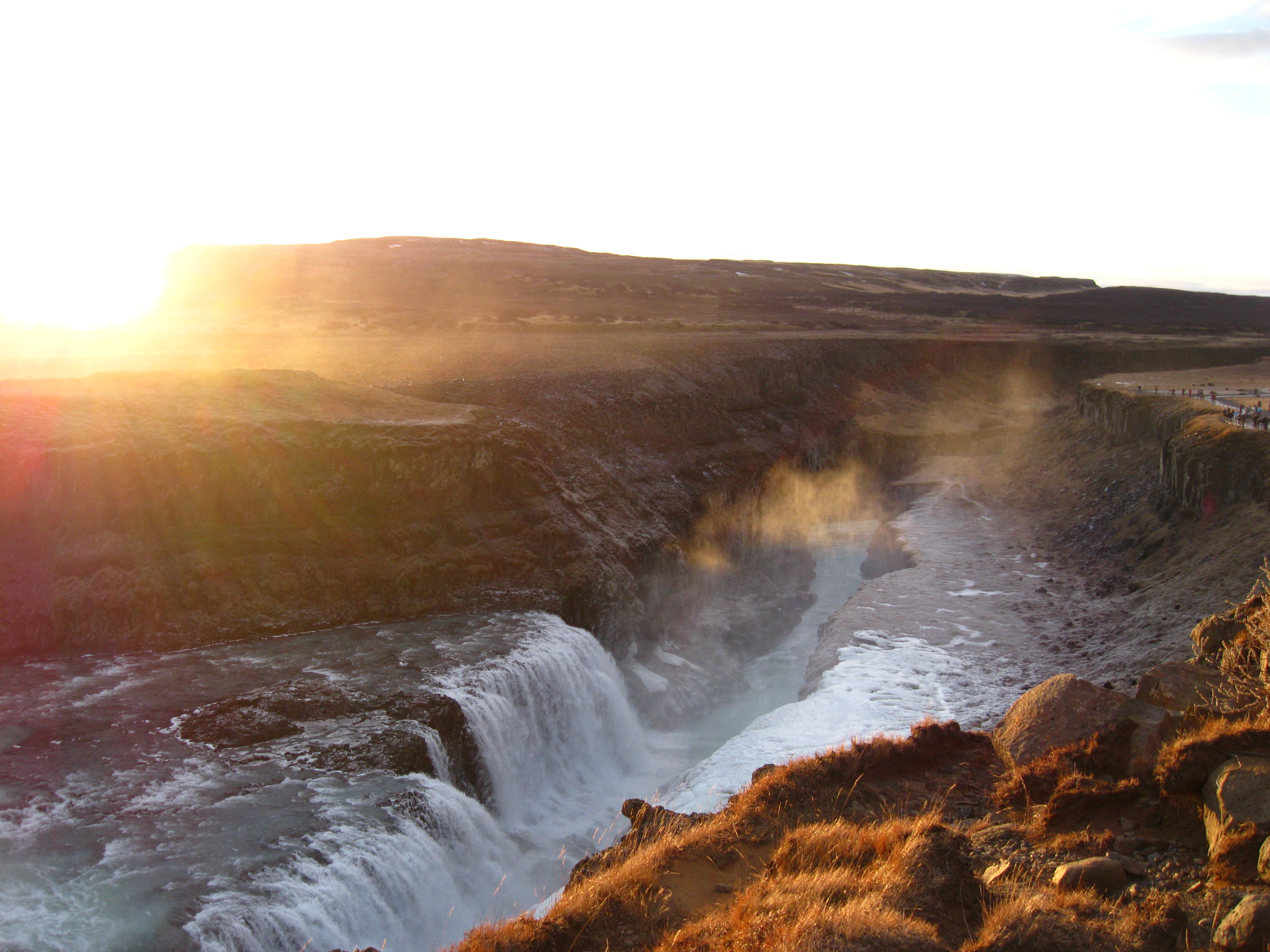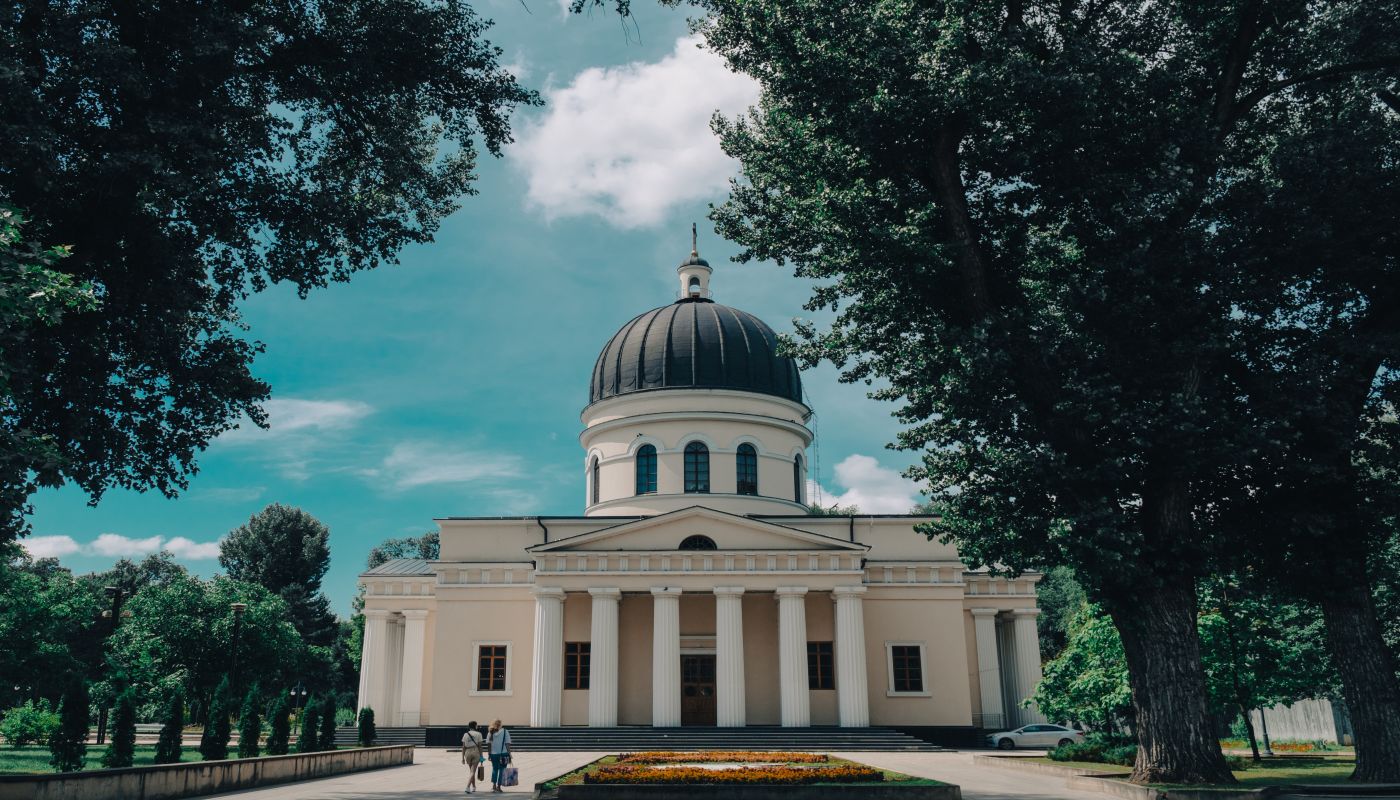
Landscape of Moldova
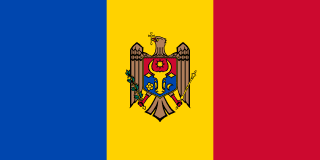
Flag of Moldova

Moldova

Europe

Moldova is a country located in eastern Europe, with a population of around 2.6 million people, and the world's largest wine cellar resides here, which holds over 2 million bottles of wine. Despite challenges related to political instability and economic development, Moldova has a rich cultural heritage and a strong sense of national identity. Efforts to address these challenges and promote economic growth are ongoing, with the government working to attract foreign investment and promote greater political stability.

What would you like to learn about in Moldova?

Select a section to explore the country where nonprofits are creating positive change.

About Moldova

Part of Romania during the interwar period, Moldova was incorporated into the Soviet Union at the close of World War II. Although the country has been independent from the USSR since 1991, Russian forces have remained on Moldovan territory east of the Nistru River supporting a Transnistrian separatist region composed of a Slavic majority population (mostly Ukrainians and Russians), but with a sizeable ethnic Moldovan minority. One of the poorest nations in Europe, Moldova became the first former Soviet state to elect a communist, Vladimir VORONIN, as its president in 2001. VORONIN served as Moldova's president until he resigned in September 2009, following the opposition's gain of a narrow majority in July parliamentary elections and the Communist Party's (PCRM) subsequent inability to attract the three-fifths of parliamentary votes required to elect a president. Four Moldovan opposition parties formed a new coalition, the Alliance for European Integration (AEI), which has acted as Moldova's governing coalition since. Moldova experienced significant political uncertainty between 2009 and early 2012, holding three general elections and numerous presidential ballots in parliament, all of which failed to secure a president. Following November 2010 parliamentary elections, a reconstituted AEI-coalition consisting of three of the four original AEI parties formed a government, and in March 2012 was finally able to elect an independent as president.

Quick Facts

Population
3,619,925 (July 2013 est.)
Area
33,851 sq km
ISO Code
MD
Continent
Europe
Government
republic
Active Causes
12
View all countries in Europe

Geography & Environment

Climate

moderate winters, warm summers

Terrain

rolling steppe, gradual slope south to Black Sea

Natural Resources

lignite, phosphorites, gypsum, arable land, limestone

Environmental Issues

heavy use of agricultural chemicals, including banned pesticides such as DDT, has contaminated soil and groundwater; extensive soil erosion from poor farming methods

People & Society

69.82 years
Avg. Life Expectancy
99%
Literacy Rate
47.7% of total population (2011)
Total Urban Population

Languages

Moldovan (official, virtually the same as the Romanian language), Russian, Gagauz (a Turkish dialect)

Religions

Eastern Orthodox 98%, Jewish 1.5%, Baptist and other 0.5% (2000)

Health Expenditure

11.7% of GDP (2010) of GDP

Education Expenditure

8.6% of GDP (2011) of GDP

Economy

$3,500
GDP per Capita (PPP)
5.6%
Unemployment Rate
21.9% (2010 est.)
Below Poverty Line

Economic Overview

Moldova remains one of the poorest countries in Europe despite recent progress from its small economic base. With its moderate climate and good farmland, Moldova's economy relies heavily on its agriculture sector, featuring fruits, vegetables, wine, and tobacco. With few natural energy resources, Moldova imports almost all of its energy supplies from Russia and Ukraine. Moldova's dependence on Russian energy is underscored by an estimated $4.3 billion debt to Russian natural gas supplier Gazprom due largely to unreimbursed natural gas consumption in the separatist Transnistria region. Previous...

Causes in Moldova

Family

In Moldova, family plays a significant role in shaping social structure and cultural identity. With a strong emphasis on traditional values, family ties are deeply ingrained in the fabric of Moldovan society. The concept of family extends beyond the nuclear unit to include extended family members, who often provide crucial support networks in times of need. Families in Moldova typically prioritize collective well-being over individual interests, fostering a sense of unity and solidarity within the community. Moreover, familial relationships serve as a cornerstone of emotional support, offering a sense of belonging and security to individuals. This emphasis on family cohesion has both positive and negative implications on societal dynamics, influencing patterns of behavior, decision-making processes, and social interactions within the country.

Education

Education plays a crucial role in shaping the future of Moldova, a small Eastern European country. With a literacy rate of over 99%, education is highly valued in Moldovan society. However, challenges such as outdated curriculum, lack of resources, and low teacher salaries hinder the quality and accessibility of education in the country. This impacts not only the individual opportunities of Moldovan citizens but also the overall socio-economic development of the nation. Improving the education system in Moldova is essential for fostering innovation, driving economic growth, and reducing poverty. By investing in education, Moldova can pave the way for a brighter and more prosperous future for its people.

Poverty

Moldova, a small Eastern European country, faces significant challenges due to high levels of poverty impacting its population. With a GDP per capita among the lowest in Europe, poverty remains a pressing issue in Moldova, affecting a large portion of its citizens. The lack of economic opportunities, inadequate social services, and political instability contribute to the persistent poverty in the country. Poverty in Moldova has led to increased rates of unemployment, limited access to quality healthcare and education, and food insecurity among vulnerable populations. Addressing the root causes of poverty in Moldova requires comprehensive strategies that focus on improving the economy, enhancing social welfare programs, and promoting political stability to uplift the living standards of its people.

Religion

Religion holds significant importance in Moldova, a country located in Eastern Europe. The population of Moldova is predominantly Christian Orthodox, with the Eastern Orthodox Church playing a crucial role in the country's cultural and social fabric. Religious traditions and practices are deeply ingrained in Moldovan society, influencing various aspects of daily life, such as family values, community dynamics, and national identity. The Orthodox Church also plays a role in providing social services and humanitarian aid to those in need. However, religious diversity exists in Moldova, with smaller communities of Catholics, Protestants, Jews, and Muslims contributing to the country's religious landscape. Despite this diversity, tensions between different religious groups can arise at times. Understanding the complex interplay between religion and society in Moldova is essential for fostering tolerance and coexistence among its diverse population.

Clean Water

Moldova, a small landlocked country in Eastern Europe, faces significant challenges in ensuring clean water access for its population. With limited water resources and aging infrastructure, Moldova grapples with water quality issues that directly impact public health and well-being. Contaminated water sources contribute to the spread of waterborne diseases, posing a serious threat to the country's residents. Additionally, inadequate sanitation facilities further exacerbate the problem, leading to a higher prevalence of water-related illnesses. Addressing these issues requires concerted efforts to improve water treatment and distribution systems, as well as implementing effective sanitation practices. By investing in clean water initiatives, Moldova can significantly enhance the overall health and quality of life of its citizens.

Economy

Moldova, a small landlocked country in Eastern Europe, faces significant economic challenges that profoundly impact its population. With a GDP per capita among the lowest in Europe, Moldova grapples with high levels of poverty, unemployment, and emigration. The economy heavily relies on agriculture, particularly wine production, but faces vulnerabilities due to limited diversification and dependence on foreign markets. Corruption, political instability, and weak institutions further hinder economic growth and development in the country. These economic struggles have led to social issues such as inequality and inadequate access to healthcare and education for many Moldovans. Addressing these economic challenges is crucial for improving the quality of life and well-being of the people of Moldova.

Government

Moldova, a small Eastern European country situated between Romania and Ukraine, faces several challenges largely influenced by its government. Political instability, corruption, and economic struggles have plagued Moldova for years, hindering its development and well-being of its citizens. The government's impact on Moldova is significant, with issues such as weak institutions, lack of transparency, and widespread corruption exacerbating social inequalities and impeding progress. Addressing these systemic issues is crucial for Moldova to achieve sustainable growth and improve the quality of life for its people.

Health

Moldova, a country located in Eastern Europe, faces significant health challenges that have a profound impact on its population. With a high prevalence of non-communicable diseases such as cardiovascular conditions and cancer, Moldova's health system is under strain to provide adequate care and support to its citizens. Limited access to healthcare services, insufficient funding, and a shortage of healthcare professionals further exacerbate the health issues faced by the population. Additionally, lifestyle factors such as smoking and alcohol consumption contribute to the country's health burden. It is crucial for Moldova to address these challenges effectively to improve the overall well-being and quality of life of its people.

Children

Moldova, a small Eastern European country, faces numerous challenges affecting its children. Poverty, lack of access to quality healthcare, and substandard education are some of the key issues impacting the well-being of children in Moldova. According to UNICEF, about 26% of children in Moldova live below the national poverty line, which significantly hinders their access to basic necessities and opportunities for a better future. Furthermore, inadequate healthcare services and nutrition contribute to high rates of child mortality and malnutrition in the country. The education system also struggles with limited resources, impacting the quality of education provided to children. Addressing these issues is crucial to ensure a brighter future for the children of Moldova and improve the overall well-being of the country.

Environment

Moldova, a small landlocked country in Eastern Europe, is not only known for its rich history and vibrant culture but also for facing significant environmental challenges. Moldova's environment is greatly impacted by deforestation, soil erosion, water pollution, and inadequate waste management practices. These issues have been exacerbated by rapid urbanization and industrialization, leading to the degradation of natural habitats and threatening biodiversity. The consequences of environmental degradation in Moldova are far-reaching, affecting public health, agriculture, and the overall well-being of its population. It is crucial for policymakers, industries, and individuals in Moldova to prioritize sustainable practices and conservation efforts to mitigate the detrimental effects of environmental degradation on the country's future.

Human Rights

Moldova, a small Eastern European country, faces several human rights challenges that impact its population. One significant issue is the protection of minority rights, especially for groups such as the Roma community and the LGBTQ+ population. Discrimination against these groups remains a pressing concern, with reports of hate speech, violence, and social exclusion. Furthermore, corruption within governmental institutions poses a threat to the rule of law and access to justice for Moldovan citizens. Additionally, the lack of access to quality healthcare and education further exacerbates socio-economic disparities within the country. These human rights violations hinder Moldova's progress towards a more inclusive and equitable society. By addressing these issues and promoting respect for human rights, Moldova can work towards a brighter future for all its citizens.

Animals

Moldova, a small landlocked country in Eastern Europe, is home to a diverse range of wildlife. However, the impact of human activities on animal populations in Moldova has been significant. Deforestation, pollution, and illegal hunting have led to habitat loss and a decline in animal species such as bears, wolves, and lynxes. These animals play a crucial role in maintaining the ecological balance of the region, and their dwindling numbers threaten the overall biodiversity of Moldova. Conservation efforts are crucial to protect these species and their habitats for future generations to come.

Nonprofits Working in Moldova

Discover organizations making a difference in Moldova

Make Your Impact Today

Discover causes you care about and support the nonprofits making a difference in communities around the world.

Are you a nonprofit? Join Project World Impact for free

Join Us Free