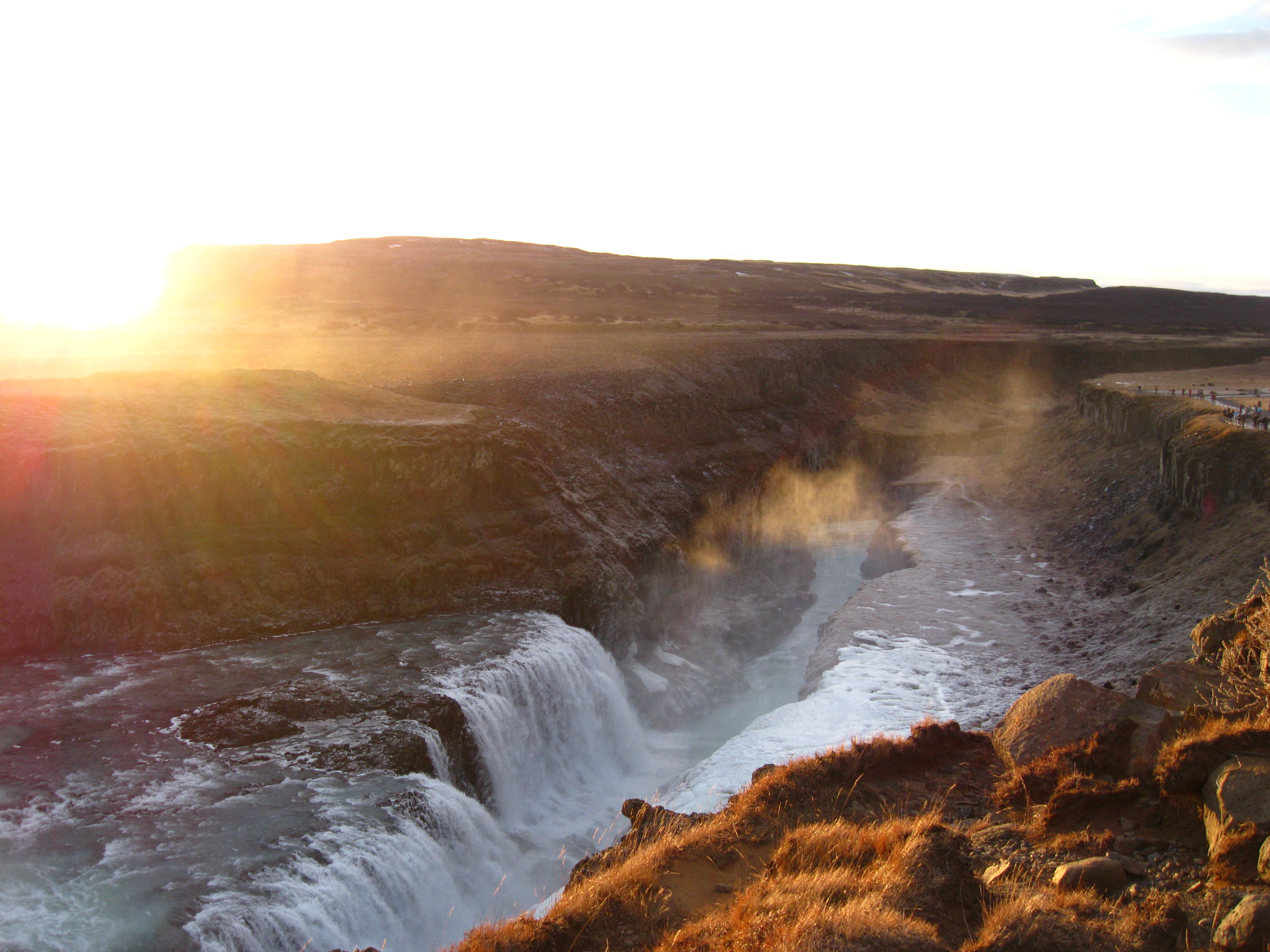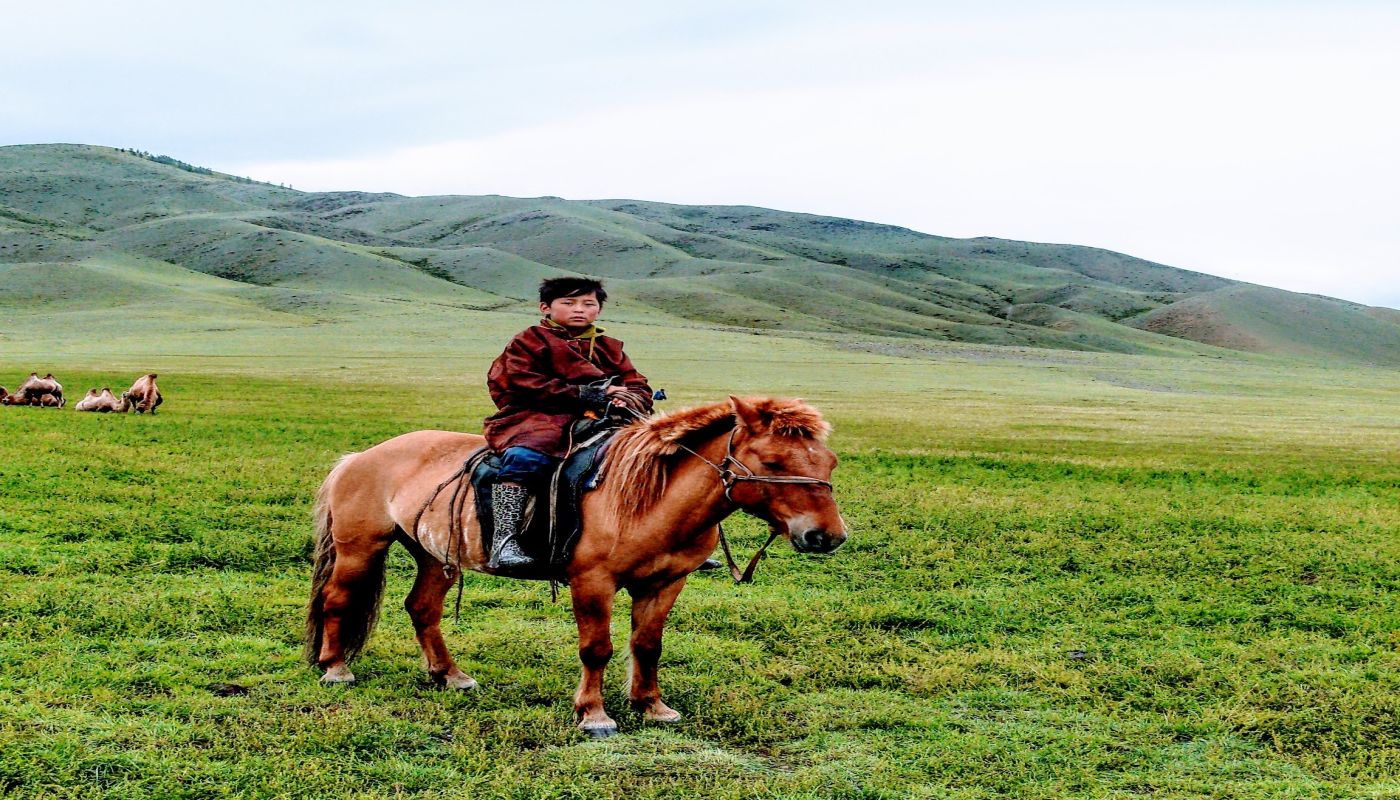
Landscape of Mongolia
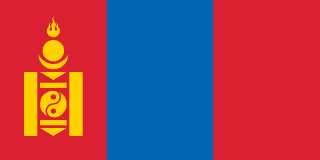
Flag of Mongolia

Mongolia

Asia

Mongolia is a vast and sparsely populated country located in Central Asia, known for its stunning landscapes and rich nomadic culture. With a population of just over 3 million people, Mongolia is a developing country that has made progress in areas such as healthcare, education, and infrastructure. The country's economy is based on mining and agriculture, and it is one of the fastest-growing economies in Asia.

What would you like to learn about in Mongolia?

Select a section to explore the country where nonprofits are creating positive change.

About Mongolia

The Mongols gained fame in the 13th century when under Chinggis KHAAN they established a huge Eurasian empire through conquest. After his death the empire was divided into several powerful Mongol states, but these broke apart in the 14th century. The Mongols eventually retired to their original steppe homelands and in the late 17th century came under Chinese rule. Mongolia won its independence in 1921 with Soviet backing and a communist regime was installed in 1924. The modern country of Mongolia, however, represents only part of the Mongols' historical homeland; more ethnic Mongolians live in the Inner Mongolia Autonomous Region in the People's Republic of China than in Mongolia. Following a peaceful democratic revolution, the ex-communist Mongolian People's Revolutionary Party (MPRP) won elections in 1990 and 1992, but was defeated by the Democratic Union Coalition (DUC) in the 1996 parliamentary election. The MPRP won an overwhelming majority in the 2000 parliamentary election, but the party lost seats in the 2004 election and shared power with democratic coalition parties from 2004-08. The MPRP regained a solid majority in the 2008 parliamentary elections but nevertheless formed a coalition government with the Democratic Party that lasted until January 2012. In 2009, current President ELBEGDORJ of the Democratic Party was elected to office. In 2010, the MPRP voted to retake the name of the Mongolian People's Party (MPP), a name it used in the early 1920s. Shortly thereafter, a new party was formed by former president ENKHBAYAR, which adopted the MPRP name. In the 2012 Parliamentary elections, a coalition of four political parties led by the Democratic Party, gained control of the Parliament.

Quick Facts

Population
3,226,516 (July 2013 est.)
Area
1,564,116 sq km
ISO Code
MN
Continent
Asia
Government
parliamentary
Active Causes
12
View all countries in Asia

Geography & Environment

Climate

desert; continental (large daily and seasonal temperature ranges)

Terrain

vast semidesert and desert plains, grassy steppe, mountains in west and southwest; Gobi Desert in south-central

Natural Resources

oil, coal, copper, molybdenum, tungsten, phosphates, tin, nickel, zinc, fluorspar, gold, silver, iron

Environmental Issues

limited natural freshwater resources in some areas; the policies of former Communist regimes promoted rapid urbanization and industrial growth that had negative effects on the environment; the burning...

People & Society

68.95 years
Avg. Life Expectancy
97.4%
Literacy Rate
68.5% of total population (2011)
Total Urban Population

Languages

Khalkha Mongol 90% (official), Turkic, Russian (1999)

Religions

Buddhist Lamaist 50%, Shamanist and Christian 6%, Muslim 4%, none 40% (2004)

Health Expenditure

5.4% of GDP (2010) of GDP

Education Expenditure

5.5% of GDP (2011) of GDP

Economy

$5,500
GDP per Capita (PPP)
9%
Unemployment Rate
29.8% (2011 est.)
Below Poverty Line

Economic Overview

Mongolia's extensive mineral deposits and attendant growth in mining-sector activities have transformed Mongolia's economy, which traditionally has been dependent on herding and agriculture. Mongolia's copper, gold, coal, molybdenum, fluorspar, uranium, tin, and tungsten deposits, among others, have attracted foreign direct investment. Soviet assistance, at its height one-third of GDP, disappeared almost overnight in 1990 and 1991 at the time of the dismantlement of the USSR. The following decade saw Mongolia endure both deep recession, because of political inaction and natural disasters, as w...

Causes in Mongolia

Environment

Mongolia, a country known for its vast steppes and nomadic way of life, is facing significant environmental challenges that are impacting its population and economy. One of the most pressing issues is desertification, as approximately 75% of Mongolia's land is already classified as desert or semi-desert. This process is exacerbated by overgrazing, deforestation, and climate change, leading to soil degradation and loss of vegetation. The resulting dust storms not only degrade air quality but also contribute to health issues among the population. Additionally, Mongolia faces water scarcity due to overuse and pollution of its limited water resources. These environmental issues threaten the livelihoods of Mongolian herders and farmers, as well as the overall sustainability of the country's ecosystems. Efforts are being made to address these challenges through sustainable land management practices and conservation initiatives, but urgent action is needed to mitigate the environmental impact on Mongolia's people and landscapes.

Family

In Mongolia, family plays a vital role in shaping societal norms, values, and traditions. The concept of family in Mongolian culture extends beyond the nuclear family to include extended relatives and even close friends, forming tight-knit social networks. Families in Mongolia are typically patriarchal, with strong hierarchical structures and a deep sense of respect for elders. Family members are expected to support and care for one another, with filial piety being a core value. This emphasis on family ties fosters a sense of belonging and community among Mongolians, providing them with a strong support system in times of need. However, it is important to note that rapid urbanization and modernization have started to influence traditional family dynamics in Mongolia, leading to shifts in social structures and relationships within families.

Human Rights

Mongolia, a landlocked country in East Asia, has made significant progress in promoting and protecting human rights. Despite improvements, challenges persist in areas such as access to justice, discrimination against vulnerable populations, and freedom of expression. The country faces issues related to gender inequality, child labor, and the rights of indigenous communities. Human rights violations are often linked to social and economic disparities, as well as political factors. Efforts to address these challenges include legal reforms, capacity-building initiatives, and advocacy campaigns by civil society organizations. Enhancing human rights in Mongolia is crucial for fostering inclusive development and ensuring the well-being of all its citizens.

Education

Mongolia is a country where education plays a crucial role in shaping its future. With a literacy rate of over 97%, education is highly valued in Mongolian society. However, despite significant progress in recent years, challenges such as limited access to quality education in rural areas and high dropout rates persist. The impact of education on Mongolia is profound, as it not only empowers individuals by providing them with knowledge and skills but also contributes to the economic development and overall well-being of the nation. Education in Mongolia is seen as a key driver for reducing poverty, promoting gender equality, and fostering social cohesion. By investing in education, Mongolia can ensure a brighter future for its citizens and achieve sustainable development goals.

Poverty

Mongolia, a landlocked country in East Asia, faces significant challenges related to poverty. Despite its vast mineral resources, a large portion of Mongolia's population continues to grapple with poverty, particularly in rural areas where access to basic services and opportunities for economic advancement are limited. The country's harsh climate and geographical isolation further exacerbate the situation, causing food insecurity and inadequate housing for many households. High levels of unemployment and underemployment also contribute to the prevalence of poverty in Mongolia. As a result, vulnerable populations, such as children and the elderly, are disproportionately affected by the consequences of living in impoverished conditions. Addressing these issues requires comprehensive strategies that focus on improving access to education, healthcare, and sustainable livelihoods for all Mongolians.

Religion

Religion plays a significant role in the cultural landscape of Mongolia, a country known for its rich history and diverse traditions. Buddhism is the predominant religion in Mongolia, with the majority of the population adhering to Tibetan Buddhism, particularly within the Gelugpa sect. This religious affiliation has deeply influenced various aspects of Mongolian society, shaping customs, values, and even political dynamics. The historical ties between Mongolia and Tibetan Buddhism can be traced back to the 16th century when Tibetan lamas played a pivotal role in the unification of Mongol tribes under Genghis Khan's leadership. Today, Buddhist monasteries continue to hold a central place in Mongolian communities, serving as centers of spiritual guidance and education. However, amidst this religious tradition, there are also challenges such as tensions between traditional beliefs and modern influences. Understanding the role of religion in Mongolia is crucial for appreciating the country's cultural heritage and social dynamics.

Clean Water

Mongolia, a landlocked country in East Asia, faces significant challenges in ensuring access to clean water. With its vast and sparsely populated areas, Mongolia experiences water scarcity, especially during the dry seasons. The country's rapid urbanization and industrial growth have put pressure on its limited water resources, leading to pollution and contamination of water sources. In rural areas, many communities still lack access to safe drinking water, resulting in health issues such as waterborne diseases. The lack of clean water not only poses a threat to public health but also hinders economic development and exacerbates social inequalities in Mongolia. Addressing these water challenges requires sustainable management practices, investment in infrastructure, and raising awareness about the importance of preserving water quality for current and future generations.

Economy

Mongolia, a landlocked country in East Asia, faces significant economic challenges that have a profound impact on its population. The Mongolian economy is highly dependent on natural resources, particularly mining, which accounts for a large portion of its GDP. However, this reliance on the extractive industry makes the country vulnerable to fluctuations in commodity prices and global demand. The economy's vulnerability was evident in 2020 when Mongolia experienced a sharp economic contraction due to the COVID-19 pandemic and a drop in commodity prices. Furthermore, Mongolia's economy is also affected by factors such as climate change, which has led to extreme weather conditions affecting agriculture and livestock production, key sectors for many Mongolians. These economic challenges have contributed to poverty and inequality in Mongolia, with rural populations often bearing the brunt of these hardships.

Health

Mongolia, a landlocked country in East Asia, faces significant health challenges that have profound impacts on its population. Health issues in Mongolia are primarily driven by factors such as limited access to healthcare services in remote areas, inadequate infrastructure, and environmental pollution. The country struggles with high rates of infectious diseases like tuberculosis and hepatitis, as well as non-communicable diseases such as cardiovascular diseases and cancer. Additionally, Mongolia has one of the highest rates of air pollution in the world, particularly in its capital city, Ulaanbaatar, which negatively affects respiratory health. Addressing these health challenges requires comprehensive strategies that focus on improving healthcare access, promoting public health awareness, and implementing environmental conservation measures to safeguard the well-being of the Mongolian population.

Children

In Mongolia, children face various challenges that significantly impact their well-being and development. One key issue affecting children in Mongolia is poverty, with a significant number living in impoverished conditions lacking access to adequate nutrition, education, and healthcare. This situation is exacerbated by the harsh climate and remote locations of many communities, which limit opportunities for children to thrive. Additionally, Mongolia faces high rates of child labor, particularly in rural areas, where children are often forced to work in hazardous conditions instead of attending school. Furthermore, issues such as domestic violence and substance abuse also have a detrimental effect on the physical and mental health of children in Mongolia. It is crucial to address these challenges and work towards creating a better future for the children of Mongolia.

Government

Mongolia, a landlocked country situated between Russia and China, faces a unique set of challenges shaped by its government's policies and actions. The Mongolian government plays a crucial role in the country's economic development, social welfare, and environmental conservation efforts. However, issues such as corruption, lack of transparency, and political instability have hindered progress in these areas. The government's decisions regarding mining and natural resource management have had significant impacts on the environment and local communities, leading to concerns about sustainable development and social equity. Additionally, Mongolia's vulnerability to climate change has put pressure on the government to implement effective adaptation strategies. By addressing these challenges and promoting good governance practices, the Mongolian government can work towards building a more prosperous and sustainable future for its citizens.

Animals

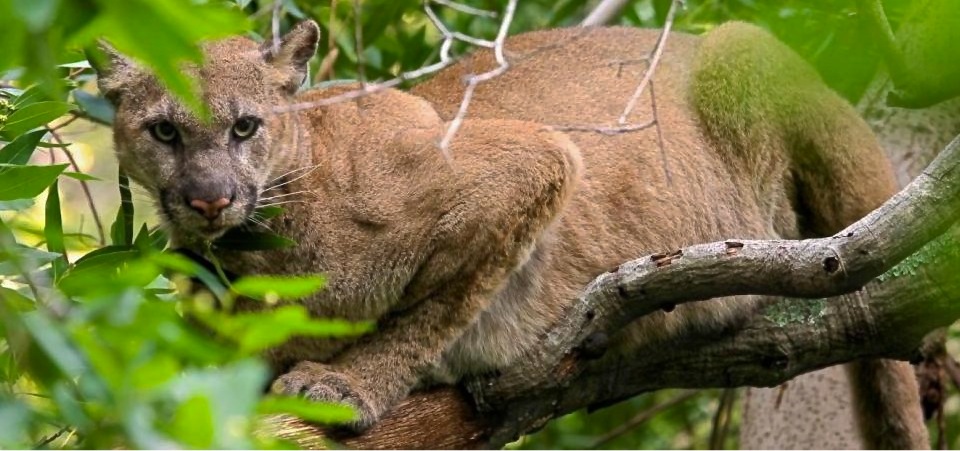
Mongolia, a country known for its vast landscapes and nomadic traditions, relies heavily on animals for sustenance, transportation, and cultural significance. Livestock such as sheep, goats, horses, and camels form the backbone of the Mongolian economy, providing essential resources like meat, milk, wool, and hides. However, climate change and overgrazing have posed significant challenges to Mongolia's animal populations, leading to desertification and reduced grazing lands. This has not only affected the livelihoods of nomadic herders but also disrupted the delicate balance of the ecosystem. Conservation efforts are underway to protect endangered species like the snow leopard and wild Bactrian camel, highlighting the importance of preserving Mongolia's rich biodiversity for future generations.

Nonprofits Working in Mongolia

Discover organizations making a difference in Mongolia

Make Your Impact Today

Discover causes you care about and support the nonprofits making a difference in communities around the world.

Are you a nonprofit? Join Project World Impact for free

Join Us Free