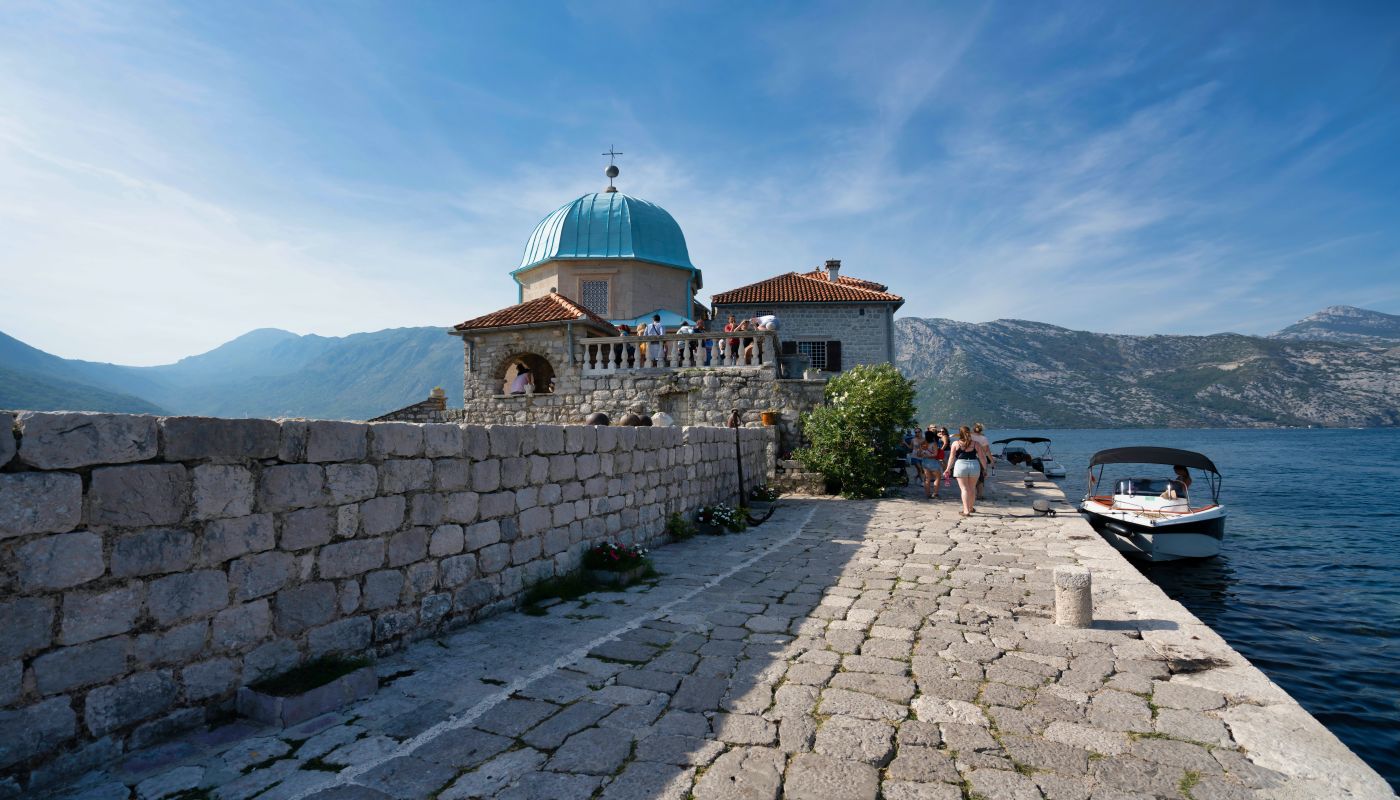
Landscape of Montenegro
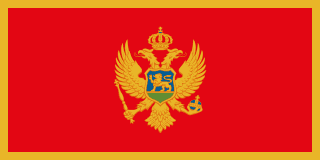
Flag of Montenegro

Montenegro

Europe

Montenegro is a small country located in Southeast Europe with a population of just over 620,000 people. The country has a rich history dating back to the Roman Empire and is known for its stunning natural landscapes, including the rugged mountains of Durmitor National Park and the picturesque Bay of Kotor. Montenegro has made strides in areas such as tourism, infrastructure, and economic development, and the government has implemented policies to promote sustainable growth and protect the country's natural resources.

What would you like to learn about in Montenegro?

Select a section to explore the country where nonprofits are creating positive change.

About Montenegro

The use of the name Crna Gora (Montenegro) began in the 13th century in reference to a highland region in the Serbian province of Zeta. The later medieval state of Zeta maintained its existence until 1496 when Montenegro finally fell under Ottoman rule. Over subsequent centuries, Montenegro, while a part of the Ottoman Empire, was able to maintain a level of autonomy. From the 16th to 19th centuries, Montenegro was a theocracy ruled by a series of bishop princes; in 1852, it was transformed into a secular principality. Montenegro was recognized as an independent sovereign principality at the Congress of Berlin in 1878. After World War I, during which Montenegro fought on the side of the Allies, Montenegro was absorbed by the Kingdom of Serbs, Croats, and Slovenes, which became the Kingdom of Yugoslavia in 1929; at the conclusion of World War II, it became a constituent republic of the Socialist Federal Republic of Yugoslavia. When the latter dissolved in 1992, Montenegro federated with Serbia, first as the Federal Republic of Yugoslavia and, after 2003, in a looser State Union of Serbia and Montenegro. In May 2006, Montenegro invoked its right under the Constitutional Charter of Serbia and Montenegro to hold a referendum on independence from the state union. The vote for severing ties with Serbia barely exceeded 55% - the threshold set by the EU - allowing Montenegro to formally restore its independence on 3 June 2006.

Quick Facts

Population
653,474 (July 2013 est.)
Area
13,812 sq km
ISO Code
ME
Continent
Europe
Government
republic
Active Causes
12
View all countries in Europe

Geography & Environment

Climate

Mediterranean climate, hot dry summers and autumns and relatively cold winters with heavy snowfalls inland

Terrain

highly indented coastline with narrow coastal plain backed by rugged high limestone mountains and plateaus

Natural Resources

bauxite, hydroelectricity

Environmental Issues

pollution of coastal waters from sewage outlets, especially in tourist-related areas such as Kotor

People & Society

98.5%
Literacy Rate
61% of total population (2010)
Total Urban Population

Languages

Serbian 63.6%, Montenegrin (official) 22%, Bosnian 5.5%, Albanian 5.3%, unspecified (includes Croatian) 3.7% (2003 census)

Religions

Orthodox 74.2%, Muslim 17.7%, Catholic 3.5%, other 0.6%, unspecified 3%, atheist 1% (2003 census)

Health Expenditure

9.1% of GDP (2010) of GDP

Education Expenditure

NA of GDP

Economy

$12,000
GDP per Capita (PPP)
19.1%
Unemployment Rate
6.6% (2010 est.)
Below Poverty Line

Economic Overview

Montenegro's economy is transitioning to a market system, but the state sector remains large and additional institutional changes are needed. The economy relies heavily on tourism and the export of refined metals. Unprofitable state-owned enterprises weigh on public finances. Montenegro severed its economy from federal control and from Serbia during the MILOSEVIC era and maintained its own central bank, adopted the deutsch mark, then the euro - rather than the Yugoslav dinar - as official currency, collected customs tariffs, and managed its own budget. The dissolution of the loose political un...

Causes in Montenegro

Environment

Montenegro, a small Balkan country known for its stunning landscapes, faces significant environmental challenges that impact its population and unique ecosystems. The country's economy heavily relies on tourism, agriculture, and natural resources, making it vulnerable to environmental degradation. Deforestation, water pollution, soil erosion, and waste management issues are prevalent in Montenegro and pose a threat to its biodiversity and public health. Climate change exacerbates these problems, leading to more frequent extreme weather events like floods and droughts. Efforts are being made to address these issues through legislation and environmental conservation projects; however, continued awareness and action are crucial to safeguard Montenegro's environment for future generations.

Family

In Montenegro, family plays a fundamental role in shaping the social fabric and cultural identity of its people. The concept of family extends beyond immediate relatives to include extended family members, emphasizing strong bonds and interconnected relationships. Families in Montenegro are typically close-knit and provide a support system that is essential for individual well-being and community cohesion. The importance of family is reflected in various aspects of Montenegrin society, including traditions, values, and daily life. Family gatherings are frequent and significant events, where generations come together to celebrate milestones, share experiences, and maintain a sense of belonging. Moreover, family ties often influence decision-making processes and play a crucial role in maintaining social cohesion and collective harmony within the community. It is evident that the institution of family holds a significant influence on the lives of individuals in Montenegro, shaping their identities, values, and relationships.

Human Rights

Montenegro, a small country located in Southeastern Europe, has made significant progress in upholding human rights since gaining independence in 2006. However, challenges persist, particularly in the areas of discrimination against vulnerable groups, including the Roma population and the LGBT community. Ensuring the protection of human rights in Montenegro remains crucial for fostering a society based on equality, justice, and respect for all individuals. Efforts to combat discrimination and promote tolerance are essential for the country's social cohesion and economic development. International organizations such as the United Nations and the European Union are actively engaged in supporting Montenegro's efforts to strengthen human rights protections through various initiatives and programs.

Education

Education in Montenegro plays a crucial role in shaping the country's future prospects and development. Despite efforts to improve its educational system, challenges persist, such as insufficient funding, outdated infrastructure, and disparities in access to quality education among different regions. The impact of these challenges is evident in the country's educational outcomes, with lower levels of academic achievement and higher dropout rates reported. Enhancing education in Montenegro is essential for driving economic growth, reducing inequality, and building a skilled workforce for the 21st century. By addressing these issues and investing in education, Montenegro can unlock its full potential and ensure a brighter future for its citizens.

Poverty

Montenegro, a small Balkan country with a population of approximately 620,000, is faced with the pressing issue of poverty. According to the World Bank, about 8.6% of Montenegro's population lives below the national poverty line, struggling to meet their basic needs for food, shelter, and healthcare. The impact of poverty in Montenegro is far-reaching, affecting individuals and communities across the country. Poverty exacerbates social inequalities, limits access to education and job opportunities, and hinders overall economic growth. Furthermore, poverty in Montenegro is often intertwined with issues such as unemployment, low wages, and inadequate social welfare programs. Addressing poverty in Montenegro requires concerted efforts from both the government and civil society to implement sustainable solutions that promote inclusive growth and reduce inequality.

Religion

Montenegro, a small Balkan country in southeastern Europe, has a complex relationship with religion that stems from its diverse historical and cultural influences. The dominant religion in Montenegro is Eastern Orthodox Christianity, followed by significant Muslim and Catholic minority populations. Religion plays a significant role in shaping Montenegrin society, influencing cultural practices, customs, and traditions. However, tensions between different religious communities have also led to occasional disputes and conflicts. The issue of religious identity is closely tied to Montenegro's history of political struggles, including debates over the separation of church and state. Despite these challenges, efforts are being made to foster interfaith dialogue and promote religious tolerance in the country.

Clean Water

Montenegro, a small Balkan nation known for its stunning landscapes and rich cultural heritage, faces significant challenges in ensuring access to clean water for its population. The availability of clean water is crucial for the health and well-being of Montenegrin citizens, as contaminated water sources can lead to a range of waterborne diseases and health issues. Lack of access to clean water also has economic implications, as it can hinder agricultural productivity and overall development in the country. Furthermore, pollution from agricultural runoff, industrial activities, and inadequate wastewater treatment poses a threat to Montenegro's water resources and ecosystems. Addressing these challenges requires concerted efforts from government agencies, non-governmental organizations, and the community to implement sustainable water management practices and ensure the availability of clean water for all residents of Montenegro.

Economy

Montenegro, a small Balkan nation in southeastern Europe, faces a number of challenges related to its economy. With a GDP heavily reliant on tourism and service industries, the country is vulnerable to external factors such as global economic downturns and political instability in the region. Additionally, Montenegro struggles with high levels of public debt and unemployment, which further exacerbate economic disparities within the population. These economic challenges not only hinder the country's growth and development but also contribute to social issues such as poverty and inequality. It is crucial for stakeholders, both within Montenegro and internationally, to address these economic challenges through sustainable development strategies and investments in key sectors to ensure long-term stability and prosperity for the nation.

Government

Montenegro, a small Balkan country located in Southeastern Europe, faces numerous challenges that are significantly influenced by its government. The impact of the government on Montenegro is crucial in shaping the country's economic development, political stability, and social welfare. Issues such as corruption, lack of transparency, and insufficient accountability in governance have hindered Montenegro's progress. Additionally, the government's management of natural resources and environmental policies play a critical role in addressing climate change and sustainable development goals. It is essential for the government to prioritize good governance practices, promote the rule of law, and ensure effective public services to enhance the well-being of its citizens and foster long-term growth.

Health

Montenegro, a small Balkan country in Southeast Europe, faces various health challenges that significantly impact its population. The country's healthcare system is burdened by limited resources, an aging population, and a high prevalence of non-communicable diseases such as cardiovascular diseases and cancer. Factors contributing to these health issues include unhealthy lifestyle choices, lack of access to preventive healthcare services, and environmental pollution. Additionally, Montenegro grapples with healthcare disparities between urban and rural areas, with rural populations often facing barriers to accessing quality healthcare services. Addressing these health challenges requires a multi-faceted approach involving improved healthcare infrastructure, increased public health awareness, and enhanced access to healthcare services for all citizens.

Children

Montenegro, a small Balkan country with a rich cultural heritage, faces various challenges related to the well-being of its children. Factors such as poverty, limited access to education and healthcare, and high rates of unemployment contribute to the vulnerability of children in Montenegro. According to UNICEF, around 14% of children in Montenegro live in poverty, which significantly impacts their overall development and future opportunities. Furthermore, the lack of adequate social services and support systems further exacerbates the situation for many children in the country. It is crucial for policymakers and stakeholders in Montenegro to prioritize investments in programs and policies that support the well-being and rights of children, ensuring a brighter future for the younger generation.

Animals

Montenegro, a country located in Southeastern Europe, boasts a rich biodiversity that includes various species of animals. The diverse landscapes of Montenegro, from its coastal areas to mountainous regions, provide habitats for a wide range of wildlife. Animals play a crucial role in the ecosystem of Montenegro by contributing to the balance of nature and supporting the health of its ecosystems. However, like many other countries, Montenegro faces challenges such as habitat loss, climate change, and poaching, which threaten the well-being of its animal populations. It is essential to raise awareness about these issues and advocate for conservation efforts to protect the animals of Montenegro for future generations.

Nonprofits Working in Montenegro

Discover organizations making a difference in Montenegro

Make Your Impact Today

Discover causes you care about and support the nonprofits making a difference in communities around the world.

Are you a nonprofit? Join Project World Impact for free

Join Us Free