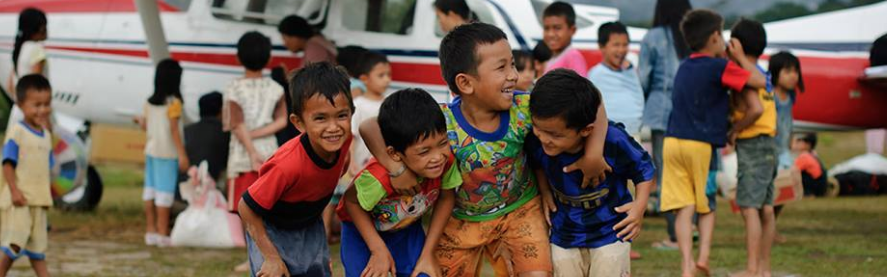

Landscape of Myanmar
Flag of Myanmar

Myanmar

Asia

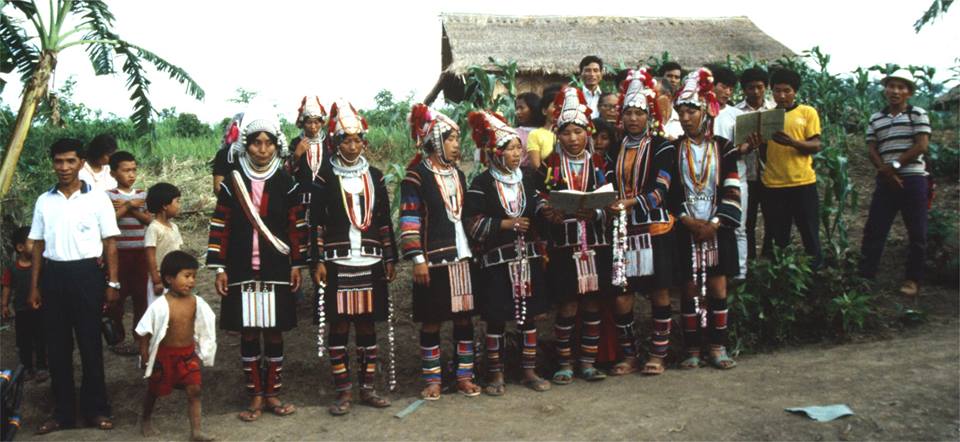
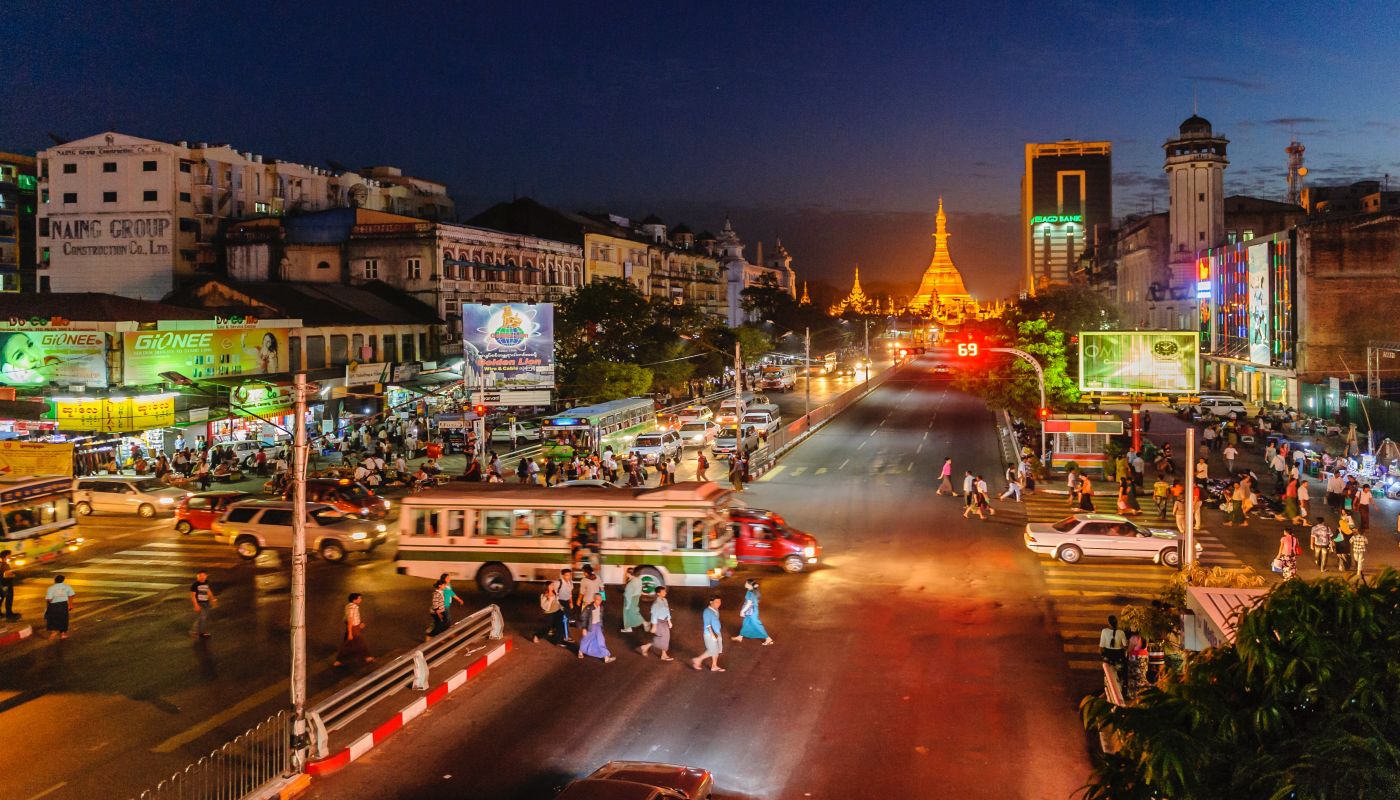
Myanmar (formerly known as Burma) is a diverse and culturally rich country located in Southeast Asia, known for its stunning landscapes, ancient temples, and unique cuisine. With a population of over 54 million people, Myanmar is a developing country that has faced numerous challenges in recent years, including political instability and human rights issues. Despite these challenges, the country has a rich culture and history, and it has made progress in areas such as healthcare and education.

What would you like to learn about in Myanmar?

Select a section to explore the country where nonprofits are creating positive change.

About Myanmar

Various ethnic Burmese and ethnic minority city-states or kingdoms occupied the present borders through the 19th century. Over a period of 62 years (1824-1886), Britain conquered Burma and incorporated the country into its Indian Empire. Burma was administered as a province of India until 1937 when it became a separate, self-governing colony; in 1948, Burma attained independence from the Commonwealth. Gen. NE WIN dominated the government from 1962 to 1988, first as military ruler, then as self-appointed president, and later as political kingpin. In response to widespread civil unrest, NE WIN resigned in 1988, but within months the military crushed student-led protests and took power. Multiparty legislative elections in 1990 resulted in the main opposition party - the National League for Democracy (NLD) - winning a landslide victory. Instead of handing over power, the junta placed NLD leader (and Nobel Peace Prize recipient) AUNG SAN SUU KYI (ASSK) under house arrest from 1989 to 1995, 2000 to 2002, and from May 2003 to November 2010. In late September 2007, the ruling junta brutally suppressed protests over increased fuel prices led by prodemocracy activists and Buddhist monks, killing at least 13 people and arresting thousands for participating in the demonstrations. In early May 2008, Burma was struck by Cyclone Nargis, which left over 138,000 dead and tens of thousands injured and homeless. Despite this tragedy, the junta proceeded with its May constitutional referendum, the first vote in Burma since 1990. Parliamentary elections held in November 2010, considered flawed by many in the international community, saw the ruling Union Solidarity and Development Party garner over 75% of the seats. Parliament convened in January 2011 and selected former Prime Minister THEIN SEIN as president. Although the vast majority of national-level appointees named by THEIN SEIN are former or current military officers, the government has initiated a series of political and economic reforms leading to a substantial opening of the long-isolated country. These reforms have included allowing ASSK to contest parliamentary by-elections on 1 April 2012, releasing hundreds of political prisoners, reaching preliminary peace agreements with 10 of the 11 major armed ethnic groups, enacting laws that provide better protections for basic human rights, and gradually reducing restrictions on freedom of the press, association, and civil society. At least due in part to these reforms, ASSK now serves as an elected Member of Parliament and chair of the Committee for Rule of Law and Tranquility. Most political parties have begun building their institutions in preparation for the next round of general elections in 2015. The country is preparing to chair the Association of Southeast Asian Nations (ASEAN) in 2014.

Quick Facts

Population
55,167,330 (July 2013 est.)
Area
676,578 sq km
ISO Code
MM
Continent
Asia
Government
parliamentary government took power in March 2011
Active Causes
12
View all countries in Asia

Geography & Environment

Climate

tropical monsoon; cloudy, rainy, hot, humid summers (southwest monsoon, June to September); less cloudy, scant rainfall, mild temperatures, lower humidity during winter (northeast monsoon, December to...

Terrain

central lowlands ringed by steep, rugged highlands

Natural Resources

petroleum, timber, tin, antimony, zinc, copper, tungsten, lead, coal, marble, limestone, precious stones, natural gas, hydropower

Environmental Issues

deforestation; industrial pollution of air, soil, and water; inadequate sanitation and water treatment contribute to disease

People & Society

65.6 years
Avg. Life Expectancy
92.7%
Literacy Rate
32.6% of total population (2011)
Total Urban Population

Languages

Burmese (official)

Religions

Buddhist 89%, Christian 4% (Baptist 3%, Roman Catholic 1%), Muslim 4%, Animist 1%, other 2%

Health Expenditure

2% of GDP (2010) of GDP

Education Expenditure

0.8% of GDP (2011) of GDP

Economy

$1,400
GDP per Capita (PPP)
5.4%
Unemployment Rate
32.7% (2007 est.)
Below Poverty Line

Economic Overview

Burma is a resource-rich country but still suffers from pervasive government controls, inefficient economic policies, corruption, and rural poverty. Burma is the poorest country in Southeast Asia; approximately 32% of the population lives in poverty. Corruption is prevalent and significant resources are concentrated in the extractive industries are concentrated in a few hands. The Burmese government has initiated notable economic reforms. In October 2011, 11 private banks were allowed to trade foreign currency. On April 2, 2012, Burma's multiple exchange rates were abolished and the Central Ba...

Causes in Myanmar

Environment

Myanmar, a country located in Southeast Asia, faces significant environmental challenges that have a profound impact on its population and natural resources. Deforestation, driven by logging, agriculture, and urban expansion, has led to soil erosion, loss of biodiversity, and disrupted water cycles. The country's vulnerability to climate change is exacerbated by its geographical location and reliance on agriculture, with extreme weather events such as cyclones and floods posing a constant threat. Inadequate waste management practices contribute to pollution of water sources and land degradation. Addressing these environmental issues is crucial to safeguarding the well-being of Myanmar's people and preserving its rich ecosystems for future generations.

Family

In Myanmar, family plays a significant role in shaping the society and culture of the country. Family units are typically extended, with multiple generations living together under one roof. This close-knit structure fosters strong bonds and a sense of communal support among family members. Family is considered the cornerstone of society in Myanmar, with individuals often prioritizing the needs and well-being of their family above all else. However, this traditional emphasis on family ties can also perpetuate gender inequalities and restrict individual autonomy, particularly for women. Despite ongoing social and economic changes in Myanmar, family continues to hold a central place in the lives of its people, influencing everything from education and career choices to social interactions and community relationships.

Human Rights

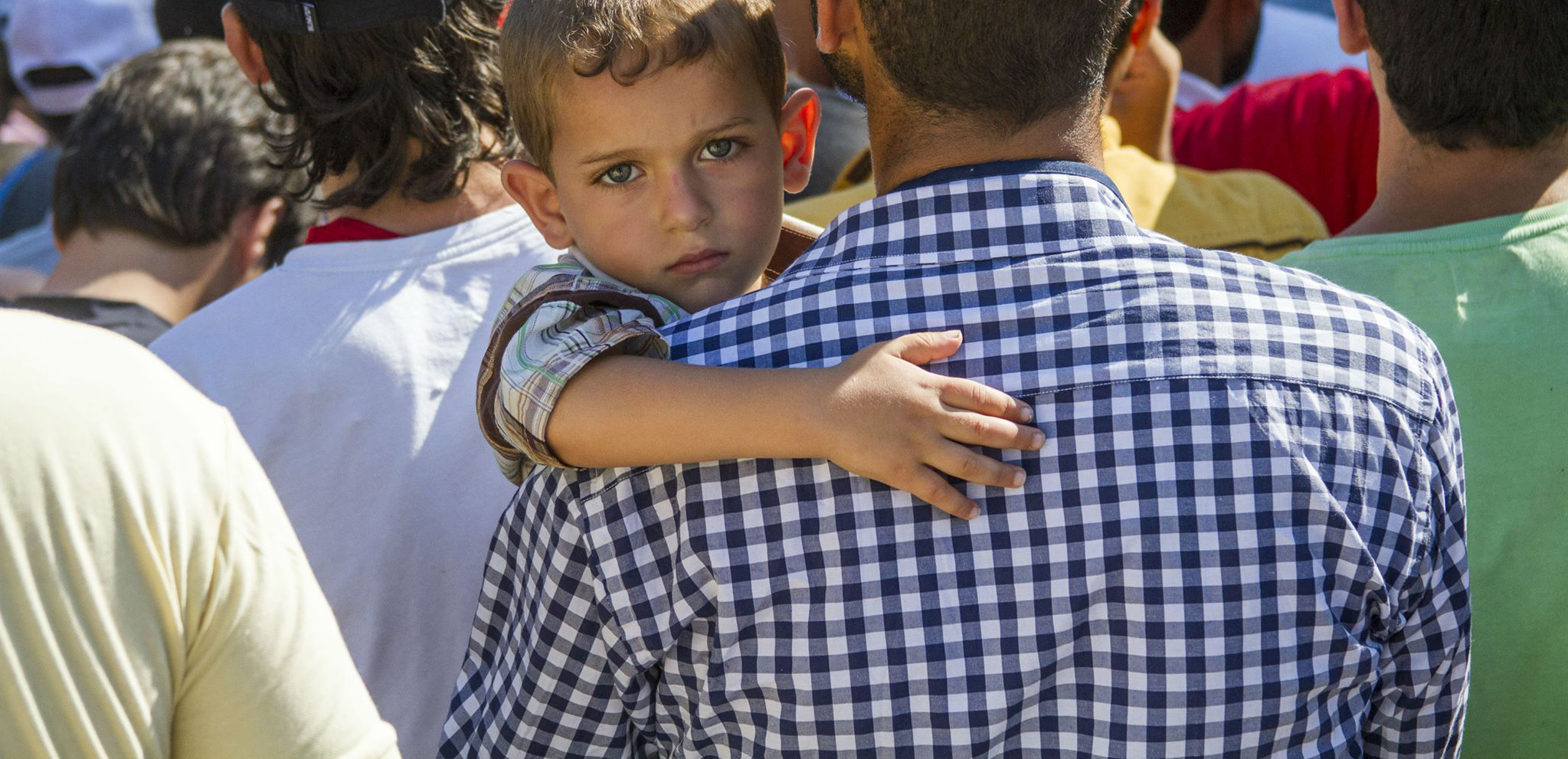
Myanmar, a country in Southeast Asia, has faced significant challenges regarding human rights violations. The Rohingya minority group, in particular, has been subjected to persecution and violence, causing a mass exodus of refugees to neighboring countries. The military junta's grip on power has led to widespread reports of arbitrary arrests, forced disappearances, and restrictions on freedom of expression and assembly. The lack of accountability for human rights abuses perpetuates a culture of impunity in Myanmar. International organizations and human rights advocates continue to call for justice and accountability to end the cycle of violence and discrimination in the country.

Education

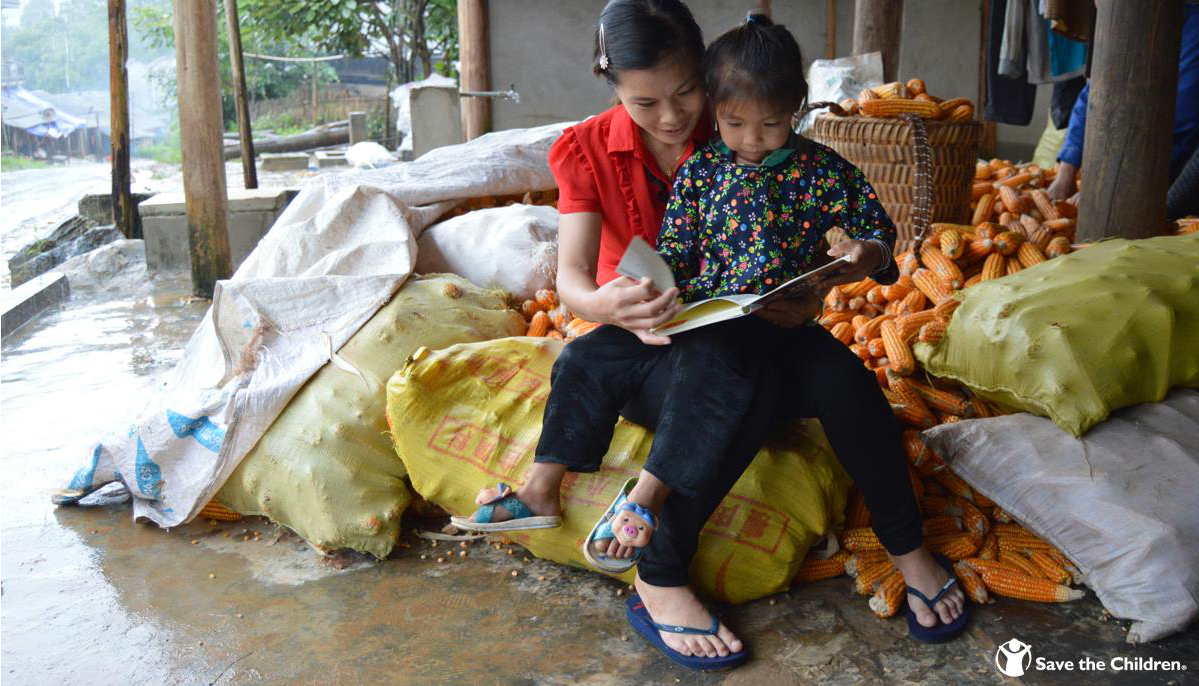
In Myanmar, education plays a crucial role in shaping the country's development and future prospects. Despite progress in recent years, Myanmar still faces significant challenges in its education system, including limited access to quality education, insufficient resources, and a lack of trained teachers. The impact of these challenges is evident in the country's low literacy rates and disparities in educational opportunities between urban and rural areas. Furthermore, ongoing conflicts and displacement have disrupted the education of many children, hindering their ability to reach their full potential. Addressing these issues and investing in education is essential for Myanmar to achieve sustainable development and improve the well-being of its people.

Poverty

Myanmar, a country located in Southeast Asia, has been grappling with high levels of poverty for decades. The impact of poverty in Myanmar is significant and pervasive across various aspects of society. Poverty in Myanmar has led to limited access to basic services such as healthcare, education, and clean water, resulting in poor living conditions for a large portion of the population. The lack of economic opportunities and infrastructure development further exacerbate the cycle of poverty in the country. As a result, many individuals and families struggle to meet their basic needs, perpetuating a cycle of deprivation and hindering overall socio-economic development in Myanmar. Source: World Bank - Poverty Profile of Myanmar (https://data.worldbank.org/country/myanmar)

Religion

Religion plays a significant role in Myanmar, a country known for its diverse religious landscape. Buddhism is the predominant religion, followed by a sizable Muslim minority, as well as smaller Christian and Hindu communities. The interplay of these religions has historically influenced Myanmar's society and politics, at times leading to tensions and conflicts. The Rohingya crisis, for instance, has highlighted the deep-seated religious divides in the country, resulting in persecution and displacement of the Muslim Rohingya population. Additionally, the rise of Buddhist nationalism has fueled anti-Muslim sentiments and violence, exacerbating religious tensions. It is crucial to recognize and address the complex dynamics of religion in Myanmar to promote peace, tolerance, and respect for religious diversity.

Clean Water

Myanmar, a country in Southeast Asia, faces significant challenges in accessing clean water. With a population of over 54 million, many communities in Myanmar lack access to safe drinking water and adequate sanitation facilities. The scarcity of clean water sources contributes to waterborne diseases such as cholera, typhoid fever, and diarrhea, leading to high mortality rates, particularly among children under five years old. The lack of proper sanitation infrastructure further exacerbates these health issues. Additionally, water scarcity hampers agricultural productivity, impacting food security and livelihoods for many people in Myanmar. Addressing the issue of clean water access is crucial for improving public health outcomes and advancing sustainable development in the country.

Economy

Myanmar, a Southeast Asian nation, has undergone significant economic challenges that have impacted its population profoundly. The country's economy has been largely shaped by political unrest, international sanctions, and natural disasters, leading to widespread poverty and limited access to basic necessities such as healthcare and education. The lack of economic stability has also contributed to social issues like displacement and internal conflicts. Myanmar's economy heavily relies on agriculture, manufacturing, and natural resources, with industries such as textiles, jade mining, and oil and gas playing a significant role. However, mismanagement of resources, corruption, and lack of infrastructure development have hindered economic growth and perpetuated inequality within the country. Source: World Bank - Myanmar: https://www.worldbank.org/en/country/myanmar/overview

Government

Myanmar, a country located in Southeast Asia, has faced significant challenges due to the impact of its government on its people. The military junta in Myanmar has ruled the country for decades, leading to widespread human rights abuses, political repression, and economic instability. The government's actions have resulted in mass displacement, discrimination against ethnic minorities, and limited access to basic services such as healthcare and education for many citizens. Furthermore, restrictions on freedom of speech and assembly have stifled dissent and led to the suppression of democratic values in the country. In recent years, the military's violent crackdown on pro-democracy protests has drawn international condemnation and raised concerns about the future of Myanmar's democratic transition.

Health

Health in Myanmar faces numerous challenges, stemming from factors such as limited access to healthcare services, poor infrastructure, and ongoing conflicts. The country has one of the lowest public health expenditures in the world, resulting in inadequate healthcare facilities and services for its population. Infectious diseases like malaria, tuberculosis, and HIV/AIDS remain prevalent, with limited resources allocated for prevention and treatment programs. Maternal and child health also suffer due to insufficient medical facilities and trained healthcare professionals. This lack of access to quality healthcare contributes to high mortality rates and poor health outcomes among the population, particularly in rural areas. Addressing these health challenges in Myanmar requires significant investments in healthcare infrastructure, workforce training, and disease prevention programs to improve the overall well-being of its people.

Children

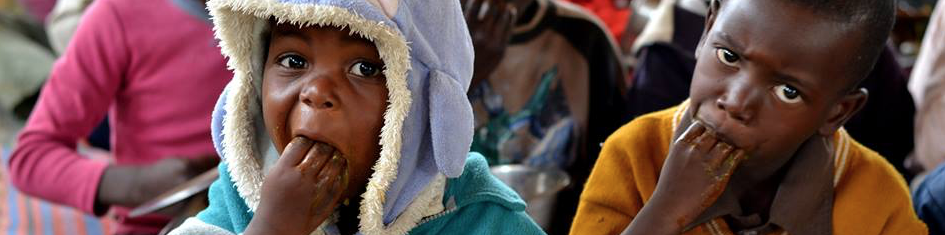
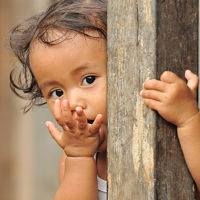
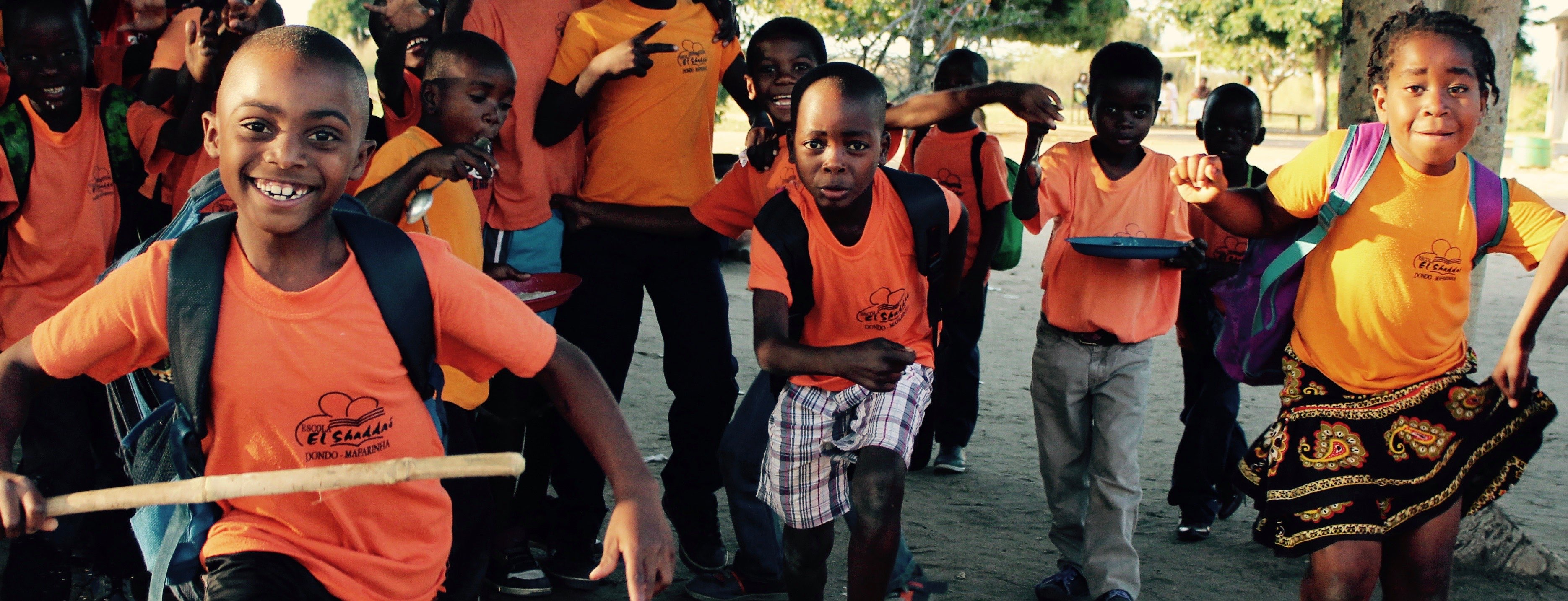
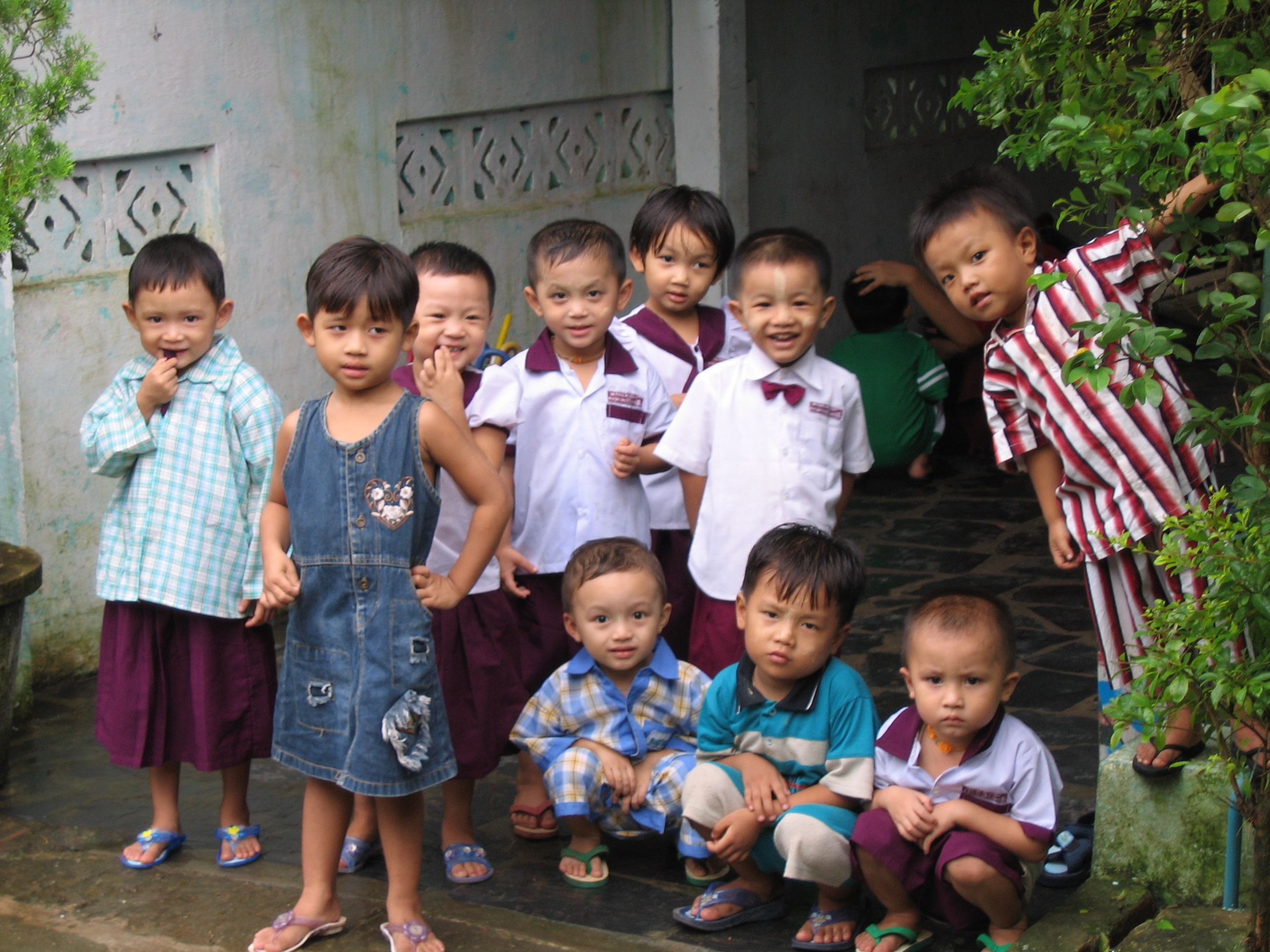
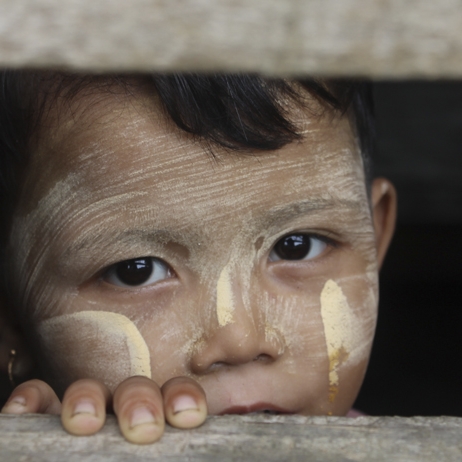
Myanmar, a country located in Southeast Asia, faces numerous challenges that impact its children. Political unrest, armed conflict, and economic instability have resulted in widespread poverty and limited access to healthcare, education, and other essential services for many children in Myanmar. The ongoing violence and displacement of populations have also led to an increase in child trafficking, child labor, and recruitment of children into armed groups. Furthermore, natural disasters such as cyclones and floods have further exacerbated the vulnerabilities faced by children in Myanmar. It is crucial to raise awareness about these issues to support initiatives that promote the well-being and protection of children in Myanmar.

Animals

Myanmar, a country in Southeast Asia, is home to a diverse range of wildlife, including elephants, tigers, and various bird species. Animals play a significant role in Myanmar's ecosystem and culture. The country's rich biodiversity is threatened by deforestation, illegal wildlife trade, and habitat destruction, leading to a decline in animal populations. Elephants, in particular, face challenges due to habitat loss and poaching for their ivory. Conservation efforts in Myanmar are crucial to protect its unique wildlife and ensure the sustainability of its ecosystems for future generations.

Nonprofits Working in Myanmar

Discover organizations making a difference in Myanmar

Make Your Impact Today

Discover causes you care about and support the nonprofits making a difference in communities around the world.

Are you a nonprofit? Join Project World Impact for free

Join Us Free