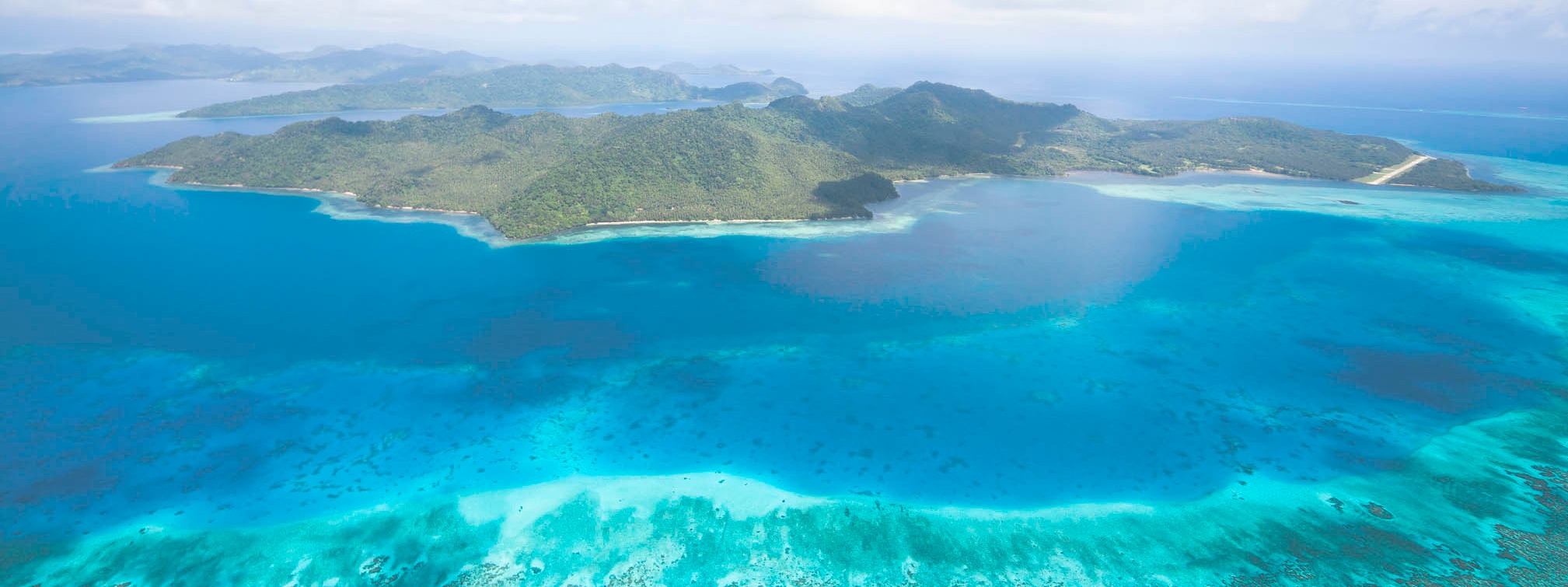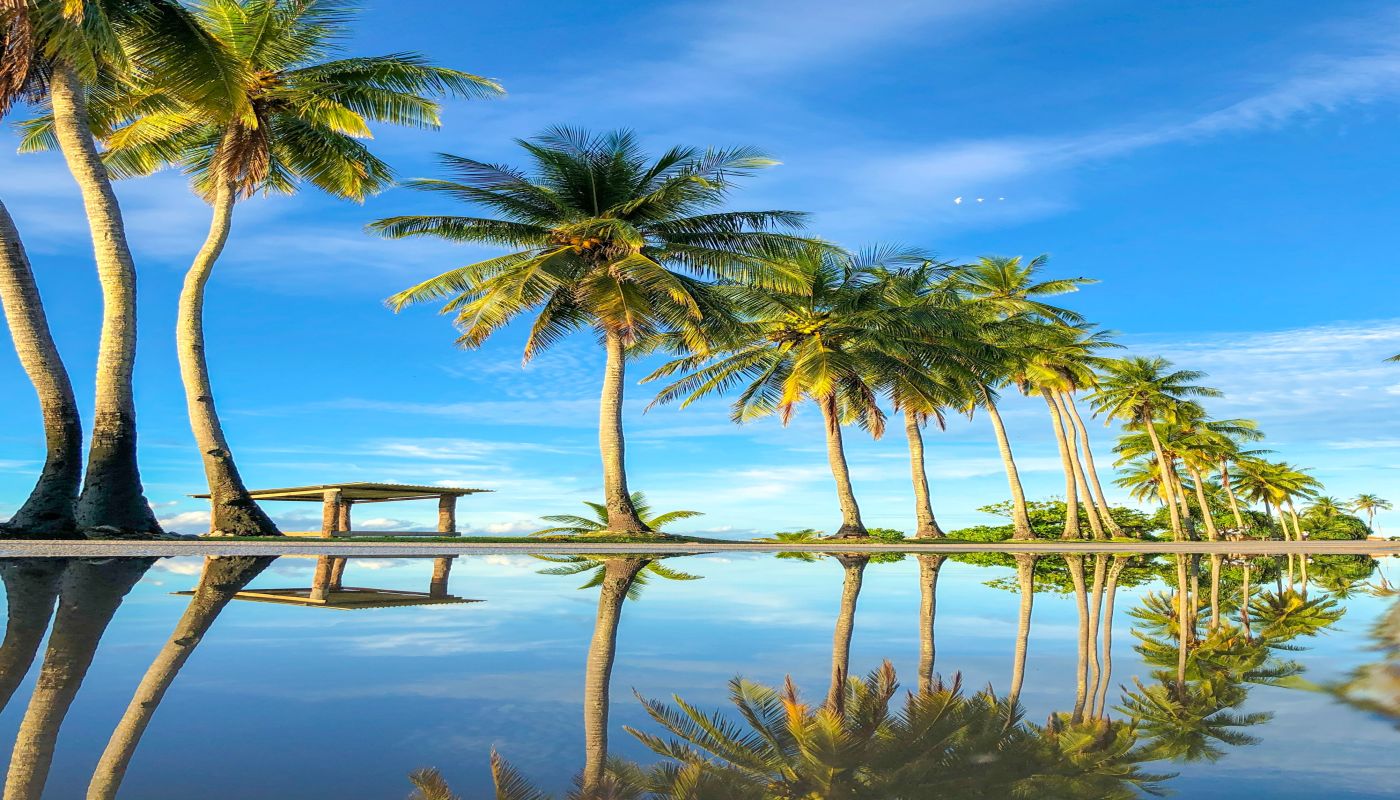
Landscape of Nauru
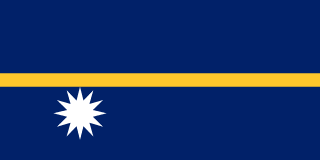
Flag of Nauru

Nauru

Australia/Oceania

Nauru is a small island country located in the Pacific Ocean, known for its stunning beaches and unique culture. With a population of just over 10,000 people, Nauru is one of the smallest countries in the world, and it is heavily reliant on foreign aid. The country has a rich cultural heritage and a commitment to environmental conservation.

What would you like to learn about in Nauru?

Select a section to explore the country where nonprofits are creating positive change.

About Nauru

The exact origins of the Nauruans are unclear since their language does not resemble any other in the Pacific region. Germany annexed the island in 1888. A German-British consortium began mining the island's phosphate deposits early in the 20th century. Australian forces occupied Nauru in World War I; it subsequently became a League of Nations mandate. After the Second World War - and a brutal occupation by Japan - Nauru became a UN trust territory. It achieved independence in 1968 and joined the UN in 1999 as the world's smallest independent republic.

Quick Facts

Population
9,434 (July 2013 est.)
Area
21 sq km
ISO Code
NR
Continent
Australia/Oceania
Government
republic
Active Causes
12
View all countries in Australia/Oceania

Geography & Environment

Climate

tropical with a monsoonal pattern; rainy season (November to February)

Terrain

sandy beach rises to fertile ring around raised coral reefs with phosphate plateau in center

Natural Resources

phosphates, fish

Environmental Issues

limited natural freshwater resources, roof storage tanks collect rainwater but mostly dependent on a single, aging desalination plant; intensive phosphate mining during the past 90 years - mainly by a...

People & Society

66.05 years
Avg. Life Expectancy
100% of total population (2010)
Total Urban Population

Languages

Nauruan (official, a distinct Pacific Island language), English (widely understood, spoken, and used for most government and commercial purposes)

Religions

Protestant 45.8% (Nauru Congregational 35.4%, Nauru Independent Church 10.4%), Roman Catholic 33.2%, other 14.1%, none 4.5%, unspecified 2.4% (2002 ce...

Health Expenditure

11.2% of GDP (2010) of GDP

Education Expenditure

NA of GDP

Economy

$5,000
GDP per Capita (PPP)
90%
Unemployment Rate
NA%
Below Poverty Line

Economic Overview

Revenues of this tiny island traditionally have come from exports of phosphates. Few other resources exist, with most necessities being imported, mainly from Australia, its former occupier and later major source of support. In 2005 an Australian company entered into an agreement to exploit remaining supplies. Primary reserves of phosphates were exhausted and mining ceased in 2006, but mining of a deeper layer of "secondary phosphate" in the interior of the island began the following year. The secondary phosphate deposits may last another 30 years. The rehabilitation of mined land and the repla...

Causes in Nauru

Human Rights

Located in the Pacific Ocean, Nauru is one of the world's smallest independent nations. Despite its size, this island nation faces significant challenges related to human rights. The issue of human rights in Nauru is particularly noteworthy due to its treatment of refugees and asylum seekers, who are often held in offshore detention centers under harsh conditions. Reports of physical and psychological abuse, inadequate healthcare, and limited access to legal representation have raised concerns among human rights organizations. The government's strict immigration policies and lack of transparency have also come under scrutiny. Addressing these human rights issues in Nauru is crucial for ensuring the well-being and dignity of all individuals residing in or seeking protection on the island.

Religion

Religion plays a significant role in the small island nation of Nauru, located in the Pacific Ocean. Christianity is the predominant religion, with approximately two-thirds of the population adhering to Protestant denominations, particularly the Nauru Congregational Church and the Nauru Independent Church. These Christian beliefs influence various aspects of Nauruan society, including cultural practices, moral values, and social norms. Religion also plays a role in shaping the country's legal system and governance. Despite the strong influence of Christianity, Nauru is known for its religious tolerance and respect for diverse beliefs. Interfaith dialogue and cooperation are encouraged to promote harmony among the different religious communities on the island.

Clean Water

Nauru, a small island nation located in the Pacific Ocean, faces significant challenges in accessing clean water. With limited natural freshwater sources and a high reliance on rainwater harvesting, Nauru struggles to provide its population with safe and sustainable drinking water. The country's history of phosphate mining has further exacerbated water quality issues, leading to contamination of groundwater supplies and posing serious health risks to its residents. Inadequate infrastructure and limited resources hinder efforts to improve water sanitation and hygiene practices, leaving many Nauruans vulnerable to waterborne diseases. Addressing the issue of clean water scarcity in Nauru requires coordinated efforts from both the government and international organizations to implement effective solutions that ensure access to safe drinking water for all.

Economy

Nauru, a small island nation in the Pacific Ocean, faces significant economic challenges that have profound impacts on its population. The economy of Nauru heavily relies on phosphate mining, which has led to environmental degradation and depletion of this non-renewable resource. With limited economic diversification, Nauru struggles to create sustainable revenue streams outside of the mining sector, leaving it vulnerable to fluctuations in global commodity prices. This economic dependency has resulted in high levels of unemployment and poverty among the population, contributing to social issues such as inadequate access to healthcare and education. The lack of economic opportunities also fuels emigration, further straining the country's social fabric and diminishing its human capital. Addressing these economic challenges is crucial for Nauru to achieve long-term stability and improve the well-being of its people.

Government

Nauru, the third smallest country in the world, faces challenges largely influenced by its government. The nation's economy heavily relies on phosphate mining, which has led to environmental degradation and limited economic diversification. With a history of political instability, corruption, and financial mismanagement, the government has struggled to provide essential services and infrastructure for its citizens. This has resulted in high unemployment rates, inadequate healthcare facilities, and substandard educational opportunities. The lack of effective governance has also hindered sustainable development efforts and exacerbated social inequalities within the population. It is crucial for Nauru's government to address these issues through transparent policies, accountable leadership, and sustainable development strategies to improve the overall well-being of its people.

Health

Nauru, a small island nation in the Pacific Ocean, faces significant health challenges that impact its population's well-being. With a high prevalence of non-communicable diseases such as obesity, diabetes, and cardiovascular diseases, Nauru's health profile is a cause for concern. Factors contributing to these health issues include limited access to healthcare services, a lack of resources for preventive care, and changing dietary habits towards more processed foods. The country's reliance on imported goods has led to a shift from traditional diets rich in fruits and vegetables to high-calorie, low-nutrient options. Additionally, the impact of environmental factors such as climate change and limited access to clean water further exacerbate health disparities among the population. Addressing these health challenges requires a multifaceted approach involving improved healthcare infrastructure, education on healthy lifestyle practices, and sustainable environmental policies to safeguard the well-being of Nauru's residents.

Children

Nauru, a small island nation in the Pacific Ocean, faces numerous challenges that impact its children. The high levels of poverty and limited access to healthcare and education have significant repercussions on the well-being of Nauruan children. Malnutrition and health issues such as obesity and diabetes are prevalent among the younger population, leading to long-term health consequences. Additionally, the lack of adequate resources and infrastructure hinders children's access to quality education, limiting their opportunities for personal growth and development. Addressing these issues requires a comprehensive approach that focuses on improving healthcare services, promoting nutritional awareness, and enhancing educational opportunities for Nauru's children.

Environment

Nauru, the third smallest country in the world, faces significant environmental challenges that profoundly impact its population and ecosystem. The island nation, situated in the Pacific Ocean, has been heavily exploited for its phosphate reserves, leading to extensive environmental degradation and land erosion. The extraction of phosphate has left scars on Nauru's landscape, causing loss of biodiversity and disruption of natural habitats. Additionally, rising sea levels and ocean acidification due to climate change pose a severe threat to the low-lying island, increasing the risk of inundation and coastal erosion. These environmental issues not only endanger Nauru's unique biodiversity but also jeopardize the livelihoods and well-being of its inhabitants, who heavily rely on the natural resources for sustenance and economic activities. Urgent action is required to address these environmental challenges and safeguard Nauru's future sustainability.

Family

Nauru, a small island nation in the Pacific, faces a myriad of challenges that impact its social fabric, including the role of family. In Nauruan culture, family is at the core of society, providing emotional support, stability, and a sense of identity. However, economic hardships, health issues, and environmental concerns have put a strain on families in Nauru. Limited job opportunities and high levels of poverty have led to increased stress within households, affecting family dynamics and relationships. Additionally, health issues such as obesity and diabetes have taken a toll on families, leading to increased healthcare costs and reduced quality of life. Environmental challenges such as rising sea levels and coral bleaching threaten the livelihoods of Nauruan families who rely on fishing and agriculture for sustenance. It is essential to address these issues to ensure the well-being of families in Nauru and preserve their cultural heritage.

Education

Nauru, a small island country in the Pacific Ocean, faces unique challenges in its education system. With a population of around 10,000 people and limited resources, Nauru struggles to provide quality education to its citizens. The impact of education on Nauru is profound, as it plays a crucial role in shaping the future of the nation. A well-educated population can drive economic growth, improve healthcare outcomes, and foster social development. However, Nauru's education system faces significant issues such as underfunding, lack of qualified teachers, and limited access to educational facilities. Addressing these challenges is essential to ensure that all Nauruan citizens have access to quality education and opportunities for personal and professional growth.

Poverty

Nauru, a small island nation in the Pacific Ocean, faces significant challenges due to poverty. With limited natural resources and a heavily reliance on phosphate mining, Nauru's economy has been unstable, leading to high levels of unemployment and widespread poverty among its population. The lack of diversified economic activities and limited job opportunities contribute to the country's poverty rates, with many Nauruans struggling to meet their basic needs such as food, shelter, and healthcare. This economic hardship has also led to social issues like inadequate access to education and healthcare services, further perpetuating the cycle of poverty in the country. It is crucial for both domestic and international efforts to address the root causes of poverty in Nauru and support sustainable development initiatives for the well-being of its people.

Animals

Nauru, a small island nation in the Pacific Ocean, faces unique challenges when it comes to wildlife conservation. The impact of animals on Nauru is significant, with several species facing threats due to habitat loss, climate change, and invasive species. The limited land area of Nauru has resulted in the loss of natural habitats for many native species, leading to a decline in biodiversity. Invasive species such as rats and feral cats have further exacerbated the situation by preying on local wildlife. Additionally, rising sea levels and coral bleaching caused by climate change pose a serious threat to marine life around the island. Efforts are being made to protect and preserve Nauru's wildlife through conservation initiatives and awareness campaigns to mitigate these challenges and promote sustainable practices.

Nonprofits Working in Nauru

Discover organizations making a difference in Nauru

Make Your Impact Today

Discover causes you care about and support the nonprofits making a difference in communities around the world.

Are you a nonprofit? Join Project World Impact for free

Join Us Free