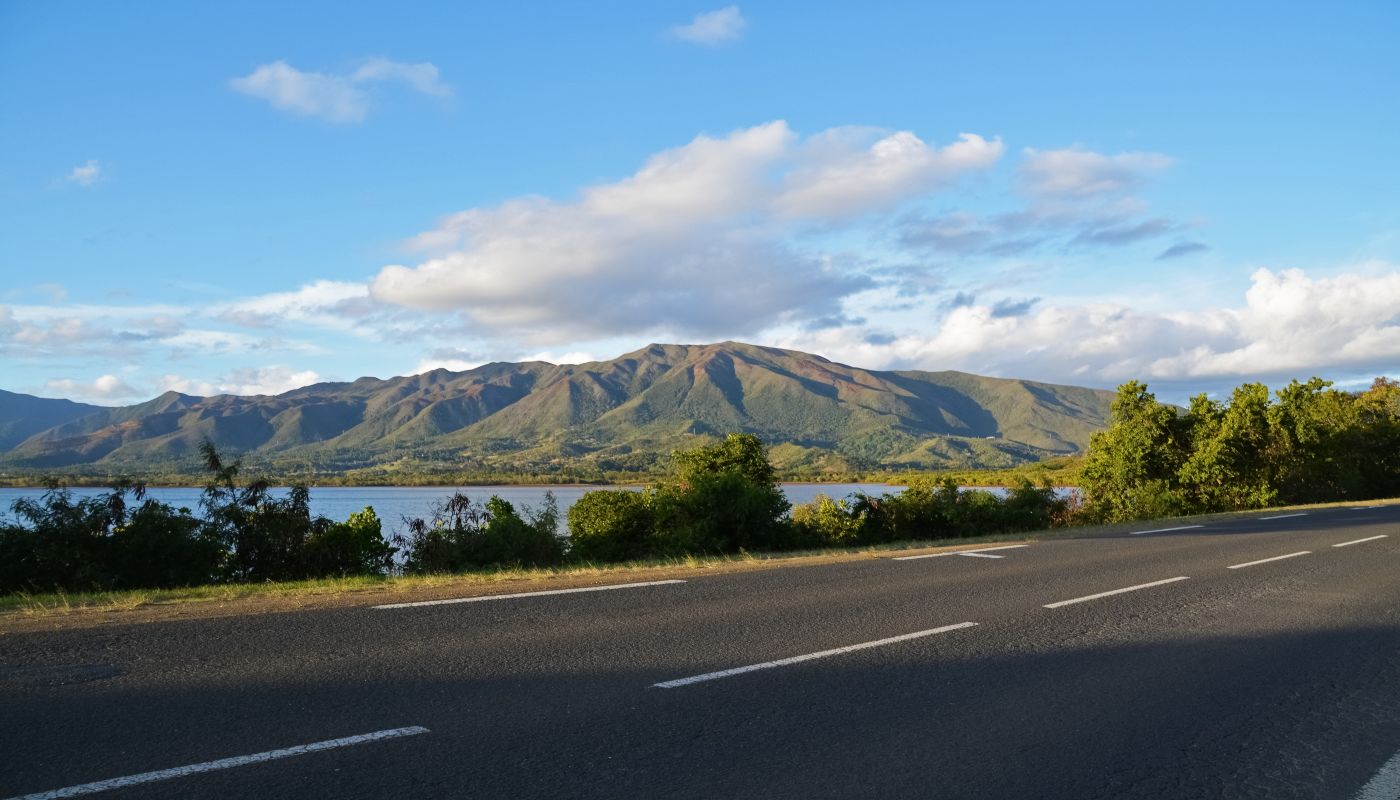
Landscape of New Caledonia
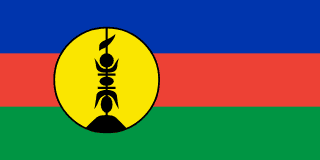
Flag of New Caledonia

New Caledonia

Australia/Oceania

New Caledonia is a French territory located in the South Pacific Ocean, comprising the main island of Grande Terre and several smaller islands. New Caledonia has a population of approximately 270,000 people. The territory has faced challenges related to its history of political unrest and its economic dependence on the mining industry. Efforts are underway to promote reconciliation and sustainable development, including investments in renewable energy and sustainable tourism.

What would you like to learn about in New Caledonia?

Select a section to explore the country where nonprofits are creating positive change.

About New Caledonia

New Caledonia is a French territory located in the South Pacific Ocean, comprising the main island of Grande Terre and several smaller islands. New Caledonia has a population of approximately 270,000 people. The territory has faced challenges related to its history of political unrest and its economic dependence on the mining industry. Efforts are underway to promote reconciliation and sustainable development, including investments in renewable energy and sustainable tourism.

Causes in New Caledonia

Environment

New Caledonia, a French overseas territory located in the South Pacific, is renowned for its unique biodiversity and rich natural resources. However, the environment in New Caledonia is facing significant challenges that are impacting its people and ecosystems. One of the major issues affecting the country is deforestation, driven primarily by mining activities and agriculture expansion. This has led to loss of habitats for many endemic species and threatens the delicate balance of its ecosystems. Another pressing concern is climate change, which is causing rising sea levels and more frequent extreme weather events, leading to erosion of coastlines and endangering coastal communities. It is crucial for stakeholders to prioritize sustainable practices and conservation efforts to protect the environment in New Caledonia for future generations.

Family

In New Caledonia, family plays a significant role in shaping the social fabric of the society. The concept of family extends beyond the nuclear unit to include a wider network of relatives and kin. Families in New Caledonia are known for their strong bonds and close-knit relationships, with an emphasis on mutual support and collective decision-making. Family gatherings and celebrations are important occasions where traditions, cultural values, and knowledge are passed down through generations. The influence of family is evident in various aspects of life, including education, employment, and social interactions. Strong family ties provide a sense of belonging and security for individuals, contributing to their overall well-being and identity.

Human Rights

New Caledonia, an overseas territory of France located in the South Pacific, faces various human rights challenges that impact its population. One significant issue is the rights of the indigenous Kanak people, who have historically faced social and economic inequalities. Land rights disputes, cultural preservation, and political representation are key concerns for the Kanak community. Additionally, there have been reports of discrimination and violence against minority groups in the territory, particularly migrant workers and refugees. Human rights violations also occur within the criminal justice system, with concerns about prison conditions and treatment of inmates. Ensuring respect for human rights in New Caledonia requires ongoing efforts to address these complex issues and promote equality and justice for all its residents.

Education

In New Caledonia, education plays a crucial role in shaping the socio-economic landscape of the region. With a population diverse in culture and ethnicity, education serves as a tool for unity and empowerment among its people. The educational system in New Caledonia faces challenges such as access to quality education in remote areas and disparities between urban and rural regions. Despite these challenges, efforts are being made to enhance educational opportunities for all residents, with particular emphasis on preserving indigenous knowledge and languages. Education is seen as a key factor in addressing issues of inequality and promoting sustainable development in New Caledonia.

Poverty

New Caledonia, a French territory located in the South Pacific, faces significant challenges related to poverty that impact its population. Poverty in New Caledonia is often linked to factors such as limited access to education, healthcare, and employment opportunities, particularly among the indigenous Kanak population. The high cost of living on the island exacerbates these issues, leading to disparities in income levels and living standards. Additionally, social inequality and historical injustices further contribute to the prevalence of poverty in the region. Addressing these complex issues requires a comprehensive approach that involves government intervention, community empowerment, and sustainable development initiatives. By understanding the root causes and consequences of poverty in New Caledonia, we can work towards creating a more equitable society for all its inhabitants.

Religion

Religion plays a significant role in the social fabric of New Caledonia, an overseas territory of France located in the South Pacific. The population is predominantly Christian, with Catholicism being the most widely practiced faith. Religion influences various aspects of life in New Caledonia, including cultural traditions, social norms, and community gatherings. The presence of churches and religious institutions is a common sight across the archipelago, reflecting the deep-rooted religious beliefs of the people. Religious festivals and ceremonies are integral to the local calendar, serving as occasions for spiritual reflection and communal celebration. While Christianity is the dominant religion, traditional indigenous beliefs also persist among some communities, adding to the diversity of religious practices in New Caledonia.

Clean Water

Clean water is a fundamental necessity for the people of New Caledonia, an overseas territory of France located in the South Pacific. With its diverse ecosystems and rich biodiversity, the availability of clean water is crucial for sustaining life on the islands. However, the region faces challenges such as pollution from mining activities, agricultural runoff, and urbanization that threaten the quality of its water sources. Contaminated water can lead to various health issues for the population, including waterborne diseases such as diarrhea, cholera, and typhoid fever. Furthermore, access to clean water is essential for agricultural practices, fisheries, and tourism industries that are vital to the economy of New Caledonia. Therefore, efforts to protect and preserve clean water sources are imperative to ensure the well-being of both the environment and the people of this unique territory.

Economy

New Caledonia, a special collectivity of France located in the southwest Pacific Ocean, has a unique economic landscape heavily influenced by its rich reserves of nickel. As one of the world's largest producers of this valuable mineral, New Caledonia's economy is largely dependent on the nickel industry, accounting for a significant portion of its GDP and exports. The fluctuating global demand and prices of nickel have a direct impact on the country's economic stability and growth. Additionally, the reliance on nickel extraction raises environmental concerns due to the potential for habitat destruction and pollution. The economic activities in New Caledonia are closely tied to the sustainability of its natural resources, making it crucial for the government and stakeholders to balance economic development with environmental conservation efforts.

Government

New Caledonia, a special collectivity of France located in the southwest Pacific Ocean, faces various challenges that intersect with its government systems. The local government of New Caledonia, governed by the Nouméa Accord, plays a crucial role in shaping the political landscape and addressing the socio-economic disparities within the region. The impact of government policies on New Caledonia is significant, particularly concerning issues such as indigenous Kanak rights, economic development, environmental conservation, and independence movements. The delicate balance between maintaining French governance while respecting the aspirations of the indigenous Kanak population remains a central concern. The government's decisions and actions have far-reaching implications for the future trajectory of New Caledonia and its people.

Health

New Caledonia, a special collectivity of France located in the southwest Pacific Ocean, faces various health challenges that significantly impact its population. Non-communicable diseases such as cardiovascular diseases, diabetes, and cancer are prevalent in the region, largely due to lifestyle factors including poor diet and physical inactivity. Limited access to healthcare services, particularly in remote areas, further exacerbates the health disparities experienced by the local population. Additionally, infectious diseases such as dengue fever pose a significant threat to public health in New Caledonia. Addressing these health issues requires a comprehensive approach that includes improving healthcare infrastructure, promoting healthy lifestyles, and enhancing disease prevention and control measures. By raising awareness about these health challenges, we can work towards creating a healthier future for the people of New Caledonia.

Children

In New Caledonia, located in the South Pacific, children face a range of challenges that impact their well-being and development. High rates of poverty, limited access to quality education, and inadequate healthcare services are just some of the issues affecting children in this region. Additionally, environmental factors such as natural disasters and climate change further exacerbate these challenges, leaving children vulnerable to various risks. It is crucial to address these underlying issues and provide support to ensure that children in New Caledonia have the opportunity to thrive and reach their full potential.

Animals

New Caledonia, a French territory located in the South Pacific, boasts a rich biodiversity that is home to a variety of unique and endemic animal species. However, the delicate ecosystem of this island nation is under threat due to human activities such as deforestation, mining, and the introduction of invasive species. These factors have led to habitat loss, fragmentation, and degradation, resulting in a decline in animal populations and an increased risk of extinction for many species. The impacts of these threats extend beyond the animals themselves, affecting the overall ecological balance of New Caledonia and its ability to support diverse life forms. To preserve the natural heritage of this region and protect its wildlife, conservation efforts and sustainable practices are crucial.

Nonprofits Working in New Caledonia

Discover organizations making a difference in New Caledonia

Make Your Impact Today

Discover causes you care about and support the nonprofits making a difference in communities around the world.

Are you a nonprofit? Join Project World Impact for free

Join Us Free