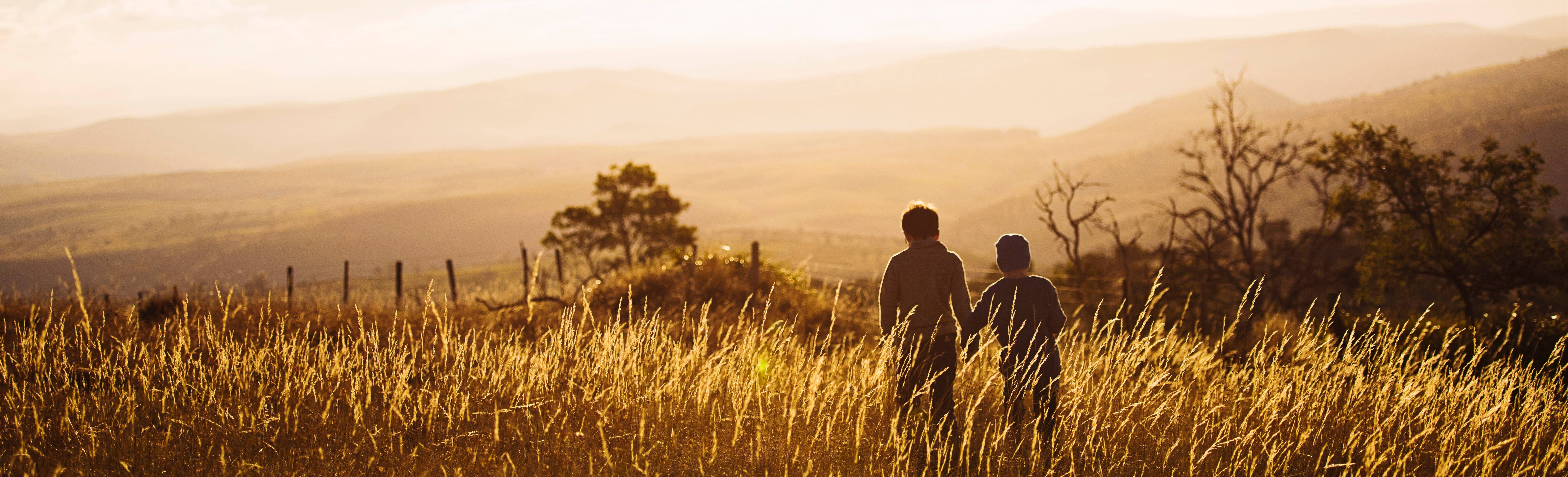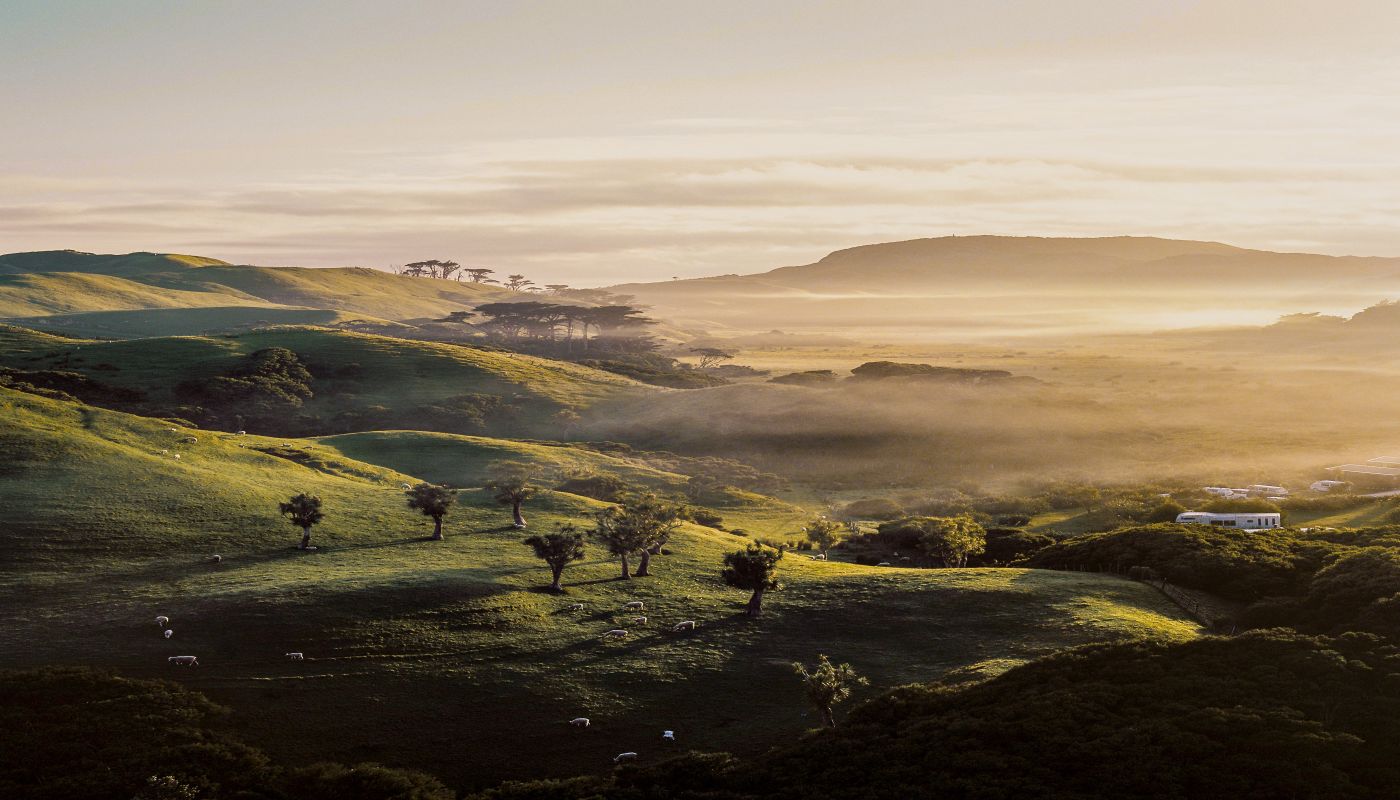
Landscape of New Zealand
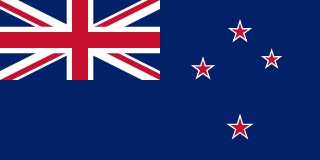
Flag of New Zealand

New Zealand

Australia/Oceania

New Zealand is a stunning island nation located in the southwestern Pacific Ocean, known for its breathtaking landscapes, friendly people, and vibrant culture. With a population of just over 5 million people, New Zealand is a highly developed country that has made significant progress in areas such as healthcare, education, and infrastructure. The country's economy is based on tourism, agriculture, and manufacturing, and it is known for its innovative and entrepreneurial spirit. New Zealand has a rich Maori cultural heritage and a strong commitment to environmental conservation.

What would you like to learn about in New Zealand?

Select a section to explore the country where nonprofits are creating positive change.

About New Zealand

The Polynesian Maori reached New Zealand in about A.D. 800. In 1840, their chieftains entered into a compact with Britain, the Treaty of Waitangi, in which they ceded sovereignty to Queen Victoria while retaining territorial rights. That same year, the British began the first organized colonial settlement. A series of land wars between 1843 and 1872 ended with the defeat of the native peoples. The British colony of New Zealand became an independent dominion in 1907 and supported the UK militarily in both world wars. New Zealand's full participation in a number of defense alliances lapsed by the 1980s. In recent years, the government has sought to address longstanding Maori grievances.

Quick Facts

Population
4,365,113 (July 2013 est.)
Area
267,710 sq km
ISO Code
NZ
Continent
Australia/Oceania
Government
parliamentary democracy and a Commonwealth realm
Active Causes
12
View all countries in Australia/Oceania

Geography & Environment

Climate

temperate with sharp regional contrasts

Terrain

predominately mountainous with some large coastal plains

Natural Resources

natural gas, iron ore, sand, coal, timber, hydropower, gold, limestone

Environmental Issues

deforestation; soil erosion; native flora and fauna hard-hit by invasive species

People & Society

80.82 years
Avg. Life Expectancy
99%
Literacy Rate
86% of total population (2010)
Total Urban Population

Languages

English (official) 91.2%, Maori (official) 3.9%, Samoan 2.1%, French 1.3%, Hindi 1.1%, Yue 1.1%, Northern Chinese 1%, other 12.9%, New Zealand Sign La...

Religions

Protestant 38.6% (Anglican 13.8%, Presbyterian, Congregational, and Reformed 10%, Christian (no denomination specified) 4.6%, Methodist 3%, Pentecosta...

Health Expenditure

10.1% of GDP (2010) of GDP

Education Expenditure

7.2% of GDP (2010) of GDP

Economy

$30,200
GDP per Capita (PPP)
6.9%
Unemployment Rate
NA%
Below Poverty Line

Economic Overview

Over the past 20 years the government has transformed New Zealand from an agrarian economy dependent on concessionary British market access to a more industrialized, free market economy that can compete globally. This dynamic growth has boosted real incomes - but left behind some at the bottom of the ladder - and broadened and deepened the technological capabilities of the industrial sector. Per capita income rose for ten consecutive years until 2007 in purchasing power parity terms, but fell in 2008-09. Debt-driven consumer spending drove robust growth in the first half of the decade, helping...

Causes in New Zealand

Environment

New Zealand, known for its stunning landscapes and rich biodiversity, faces significant environmental challenges that impact its people and ecosystems. The country's unique flora and fauna are threatened by invasive species, habitat destruction, pollution, and climate change. The degradation of natural habitats not only endangers native plants and animals but also affects the economy and well-being of the population, as industries such as agriculture, tourism, and fishing rely heavily on the country's natural resources. The government of New Zealand has taken steps to address these issues through conservation efforts, sustainable development practices, and climate change mitigation strategies. However, continued awareness and action are crucial to preserve the country's environment for future generations.

Family

Family plays a crucial role in the social fabric of New Zealand, shaping the well-being of individuals and communities across the country. A strong emphasis is placed on family values, with tight-knit family structures often serving as pillars of support for individuals. However, despite the importance of family, various challenges exist that impact familial dynamics in New Zealand. Issues such as domestic violence, child abuse, and substance abuse can severely strain family relationships and have detrimental effects on the overall well-being of individuals. It is essential for society to address these issues and provide support systems to strengthen families and promote healthy relationships within them.

Human Rights

New Zealand, a country with a strong commitment to upholding human rights, has made significant strides in ensuring equality and fairness for all its citizens. The country's legal framework, including the New Zealand Bill of Rights Act and the Human Rights Act, serves as the cornerstone for protecting the rights of individuals regardless of their race, ethnicity, gender, or beliefs. The government actively works to combat discrimination and promote social inclusion to create a more just society. Despite these efforts, challenges persist in areas such as indigenous rights, gender equality, and migrant worker protections. By addressing these issues and continuing to prioritize human rights, New Zealand can further enhance its reputation as a global leader in promoting equality and justice for all.

Education

New Zealand, renowned for its picturesque landscapes and vibrant culture, places a strong emphasis on education as a cornerstone of its society. The country's education system is designed to foster critical thinking skills, creativity, and innovation among its citizens. With a commitment to providing quality education at all levels, New Zealand consistently ranks high in global education indices. The impact of education in New Zealand is evident through its well-educated workforce, high literacy rates, and a strong focus on research and development. By investing in education, New Zealand aims to empower its citizens to contribute meaningfully to the economy and society at large.

Poverty

In New Zealand, poverty remains a pressing issue with significant impacts on individuals and communities. Despite being a developed nation, a considerable portion of the population faces economic hardship, resulting in challenges such as inadequate access to housing, healthcare, education, and employment opportunities. The effects of poverty are particularly pronounced among marginalized groups, including indigenous Maori and Pacific Island communities. This disparity is reflected in statistics showing higher rates of child poverty and household deprivation compared to the national average. Addressing poverty in New Zealand requires a multifaceted approach that considers socio-economic factors, systemic inequalities, and policy interventions aimed at ensuring equitable access to resources and opportunities for all citizens.

Religion

New Zealand is a culturally diverse nation with various religions coexisting peacefully. The impact of religion in New Zealand is significant, shaping attitudes, beliefs, and cultural practices across the country. Christianity is the predominant religion, with a large proportion of the population identifying as either Catholic or Anglican. Additionally, there are smaller but influential communities of Hindus, Buddhists, Muslims, Sikhs, and others contributing to the religious landscape of New Zealand. Religion plays a role in various aspects of society, influencing social norms, ethics, and values. It also contributes to the rich tapestry of traditions and ceremonies observed by different religious groups throughout the country. Understanding the role of religion in New Zealand is crucial for fostering tolerance, respect, and inclusivity among its diverse population.

Clean Water

Clean water is a critical resource for New Zealand, a country renowned for its pristine natural beauty and abundant waterways. However, despite its image as a clean and green nation, New Zealand faces challenges in maintaining the quality of its water sources. Pollution from agricultural runoff, urban development, and industrial activities has led to contamination of rivers, lakes, and groundwater. This pollution not only threatens the health of aquatic ecosystems but also jeopardizes the availability of safe drinking water for both wildlife and human populations. The impact of polluted water can be seen in the decline of freshwater species, increased risk of waterborne diseases, and restrictions on recreational activities such as swimming and fishing. Addressing water pollution in New Zealand is essential to safeguarding the environment, public health, and the economy.

Economy

New Zealand, a country known for its stunning landscapes and vibrant culture, has a diverse economy that plays a crucial role in shaping the nation's well-being. With a GDP of approximately $205 billion USD, the economy of New Zealand is heavily reliant on sectors such as agriculture, tourism, and manufacturing. The country's economy is also influenced by international trade agreements and foreign investments. However, despite its economic strengths, New Zealand faces challenges such as income inequality and environmental sustainability. These factors have a significant impact on the country's overall development and social cohesion. It is essential for policymakers and stakeholders to address these issues to ensure a sustainable and prosperous future for New Zealand.

Government

New Zealand, a country known for its stunning landscapes and diverse culture, is heavily influenced by its government in various aspects. The government of New Zealand plays a crucial role in shaping policies related to environmental conservation, indigenous rights, healthcare, education, and social welfare. Government initiatives such as the Treaty of Waitangi settlements aim to address historical grievances of the indigenous M?ori people, promoting equality and reconciliation. Additionally, the New Zealand government has implemented strict environmental regulations to protect its unique biodiversity and combat climate change. Through its healthcare system, the government provides universal access to healthcare services for all residents, ensuring the well-being of its population. Education policies prioritize quality education for all, contributing to a skilled workforce and a thriving economy. Overall, the government of New Zealand plays a significant role in fostering a fair and sustainable society for its citizens.

Health

Health is a critical aspect that significantly impacts the population of New Zealand. With a diverse demographic makeup and a high standard of living, New Zealand faces various health challenges that influence its citizens' well-being. Non-communicable diseases such as obesity, diabetes, cardiovascular diseases, and mental health issues are prevalent in the country, posing significant health risks. Factors contributing to these health issues include lifestyle habits, socio-economic disparities, and limited access to healthcare services in rural areas. The government has been actively working on initiatives to address these health concerns, focusing on prevention, early intervention, and improving healthcare services across the nation. Raising awareness about the importance of maintaining a healthy lifestyle and seeking timely medical assistance is crucial in combating these health challenges and improving the overall well-being of New Zealanders.

Children

In New Zealand, children face various challenges that impact their well-being and development. Issues such as poverty, domestic violence, inadequate access to healthcare and education, and mental health concerns are prevalent among the younger population. According to a report by UNICEF, New Zealand ranks poorly in child well-being compared to other developed countries, with a high rate of child poverty and inequality. These challenges can have long-lasting effects on children's physical, emotional, and cognitive development, affecting their future opportunities and overall quality of life. It is crucial for policymakers, communities, and individuals to work together to address these issues and ensure a better future for all children in New Zealand. Source: UNICEF - "Child Well-being in Rich Countries: A Comparative Overview"

Animals

New Zealand, known for its stunning landscapes and unique wildlife, is home to a diverse range of animals that play a crucial role in the country's ecosystem. The impact of animals on New Zealand is significant, as many native species are endemic and face threats such as habitat loss, invasive species, and climate change. The kiwi bird, for example, is an iconic symbol of New Zealand but is classified as endangered due to predation by introduced mammals. Similarly, the conservation efforts to protect the critically endangered kakapo parrot demonstrate the ongoing challenges faced in preserving the country's native fauna. By raising awareness about the importance of protecting these animals and their habitats, we can contribute to safeguarding New Zealand's unique biodiversity for future generations.

Nonprofits Working in New Zealand

Discover organizations making a difference in New Zealand

Make Your Impact Today

Discover causes you care about and support the nonprofits making a difference in communities around the world.

Are you a nonprofit? Join Project World Impact for free

Join Us Free