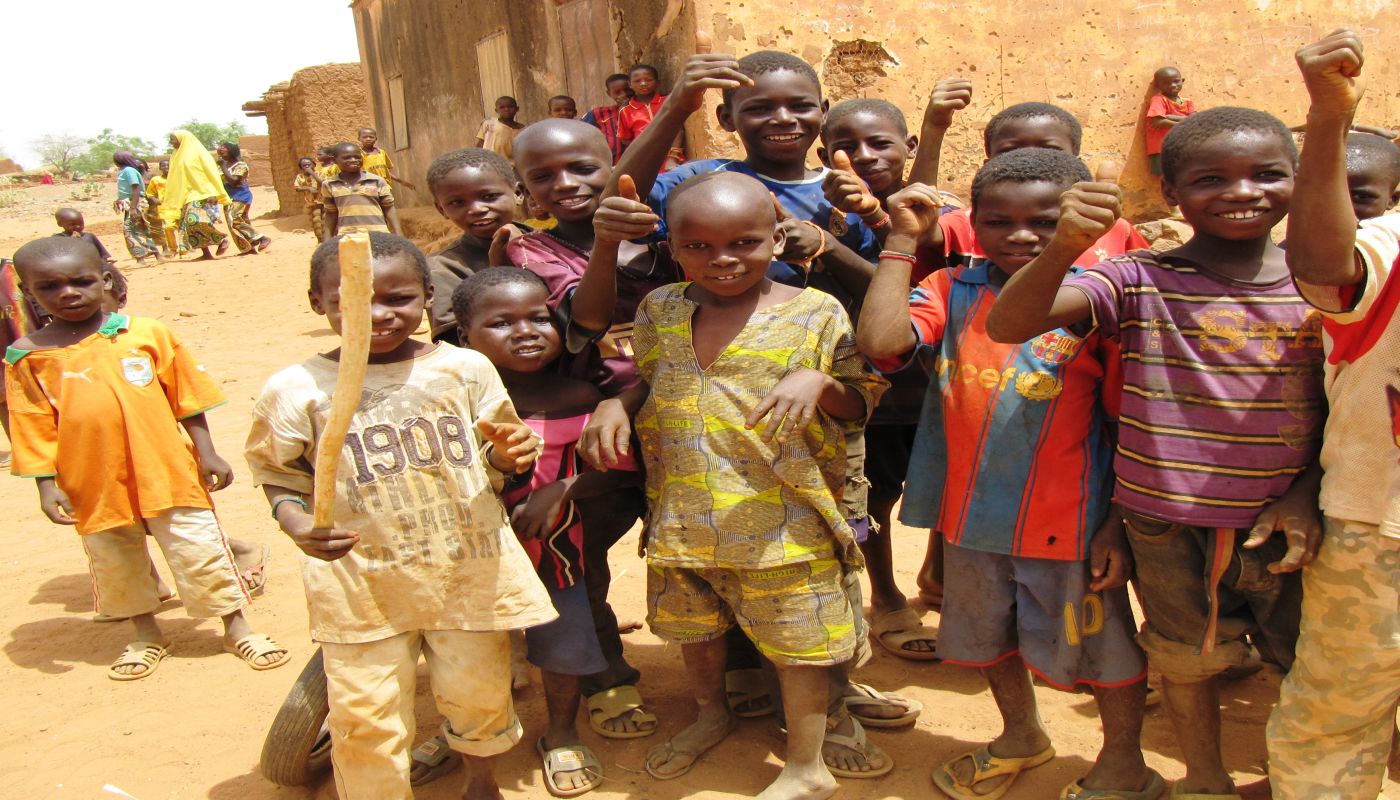
Landscape of Niger
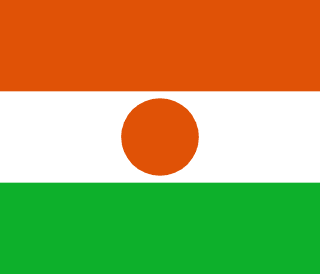
Flag of Niger

Niger

Africa

Niger is a landlocked country located in West Africa, known for its rich cultural heritage and stunning natural landscapes. With a population of over 24 million people, Niger is a developing country that faces numerous challenges, including poverty, political instability, and environmental degradation. The country's economy is based on agriculture and mining, but it is heavily reliant on foreign aid. Niger also faces security challenges, with ongoing conflicts in neighboring countries spilling over into its territory.

What would you like to learn about in Niger?

Select a section to explore the country where nonprofits are creating positive change.

About Niger

Niger became independent from France in 1960 and experienced single-party and military rule until 1991, when Gen. Ali SAIBOU was forced by public pressure to allow multiparty elections, which resulted in a democratic government in 1993. Political infighting brought the government to a standstill and in 1996 led to a coup by Col. Ibrahim BARE. In 1999, BARE was killed in a counter coup by military officers who restored democratic rule and held elections that brought Mamadou TANDJA to power in December of that year. TANDJA was reelected in 2004 and in 2009 spearheaded a constitutional amendment that would allow him to extend his term as president. In February 2010, a military coup deposed TANDJA, immediately suspended the constitution, and dissolved the Cabinet. ISSOUFOU Mahamadou emerged victorious from a crowded field in the election following the coup and was inaugurated in April 2011. Niger is one of the poorest countries in the world with minimal government services and insufficient funds to develop its resource base. The largely agrarian and subsistence-based economy is frequently disrupted by extended droughts common to the Sahel region of Africa. The Nigerien Movement for Justice, a predominately Tuareg ethnic group, emerged in February 2007, and attacked several military targets in Niger's northern region throughout 2007 and 2008. Successful government offensives in 2009 limited the rebels' operational capabilities. Niger is facing increased security concerns on its borders from various external threats including insecurity in Libya and spillover from the rebellion in Mali.

Quick Facts

Population
16,899,327 (July 2013 est.)
Area
1.267 million sq km
ISO Code
NE
Continent
Africa
Government
republic
Active Causes
12
View all countries in Africa

Geography & Environment

Climate

desert; mostly hot, dry, dusty; tropical in extreme south

Terrain

predominately desert plains and sand dunes; flat to rolling plains in south; hills in north

Natural Resources

uranium, coal, iron ore, tin, phosphates, gold, molybdenum, gypsum, salt, petroleum

Environmental Issues

overgrazing; soil erosion; deforestation; desertification; wildlife populations (such as elephant, hippopotamus, giraffe, and lion) threatened because of poaching and habitat destruction

People & Society

54.34 years
Avg. Life Expectancy
28.7%
Literacy Rate
17.8% of total population (2011)
Total Urban Population

Languages

French (official), Hausa, Djerma

Religions

Muslim 80%, other (includes indigenous beliefs and Christian) 20%

Health Expenditure

5.2% of GDP (2010) of GDP

Education Expenditure

4.5% of GDP (2011) of GDP

Economy

$800
GDP per Capita (PPP)
NA%
Unemployment Rate
63% (1993 est.)
Below Poverty Line

Economic Overview

Niger is a landlocked, Sub-Saharan nation, whose economy centers on subsistence crops, livestock, and some of the world's largest uranium deposits. Agriculture contributes about 40% of GDP and provides livelihood for about 90% of the population. Niger also has sizable reserves of oil, and oil production, refining, and exports are expected to grow significantly between 2011 and 2016. Drought, desertification, and strong population growth have undercut the economy. Niger shares a common currency, the CFA franc, and a common central bank, the Central Bank of West African States (BCEAO), with seve...

Causes in Niger

Environment

Niger, a landlocked country in West Africa, faces significant environmental challenges that impact its people and economy. The country's economy heavily relies on agriculture, making it vulnerable to the effects of climate change such as erratic rainfall patterns, desertification, and soil degradation. These environmental factors not only threaten food security but also contribute to poverty and malnutrition among its population. Additionally, Niger is prone to frequent droughts and floods, further exacerbating the country's environmental vulnerabilities. Addressing these environmental issues requires sustainable land management practices, investment in climate-resilient agriculture, and effective water resource management strategies to mitigate the impact on Niger's people and environment.

Family

In Niger, a landlocked country in West Africa, family plays a significant role in shaping the society and culture. The concept of family extends beyond the nuclear unit to include extended family members, creating a strong sense of community and support. Families in Niger often live together in compounds, where multiple generations coexist and work together to sustain livelihoods through agriculture and traditional trades. The family unit is a crucial source of social identity, security, and resource-sharing in Nigerien society. However, despite the importance of family ties, economic challenges such as poverty and limited access to education and healthcare services can strain familial relationships and impact overall well-being. It is essential to recognize the vital role of family structures in Niger and address the systemic issues that affect families in order to promote sustainable development and social cohesion in the country.

Human Rights

Niger, a landlocked country located in West Africa, faces significant challenges in upholding human rights standards. The nation grapples with issues such as child labor, gender inequality, and limited access to education and healthcare. The impact of these human rights violations is profound, affecting the well-being and livelihoods of many Nigeriens. Child labor remains a prevalent issue in Niger, with many children forced to work in hazardous conditions instead of attending school. Additionally, gender inequality persists, limiting the rights and opportunities available to women and girls. Lack of access to quality education and healthcare further exacerbates these challenges, hindering the overall development and prosperity of the country's population. Addressing these human rights issues is crucial for fostering a more just and equitable society in Niger.

Education

Education in Niger plays a critical role in shaping the country's future development and addressing its numerous challenges. With a literacy rate of only 29.9% among adults, education remains a pressing issue in Niger, impacting its economic growth, healthcare, and overall well-being. Lack of access to quality education perpetuates cycles of poverty and hinders the country's efforts to achieve sustainable development goals. High dropout rates, especially among girls, further exacerbate the situation and limit opportunities for social mobility. Addressing educational disparities requires targeted interventions that prioritize increasing access to schooling, improving teacher training, and promoting gender equality in education. By investing in education, Niger can unlock its full potential and pave the way for a brighter future for its citizens.

Poverty

Niger, a landlocked country in West Africa, faces significant challenges due to widespread poverty. With a poverty rate of over 40%, many Nigeriens struggle to meet their basic needs, such as food, clean water, and healthcare. The impact of poverty in Niger is profound, leading to high rates of malnutrition, limited access to education, and inadequate healthcare services. As a result, the country faces ongoing development challenges that hinder progress and perpetuate cycles of poverty. Addressing the root causes of poverty in Niger is crucial for improving the well-being of its people and fostering sustainable development in the region.

Religion

Niger, a landlocked country in West Africa, is home to a diverse population that practices various religions. Islam is the predominant faith, with approximately 99% of the population identifying as Muslim. Religion in Niger plays a significant role in shaping its society, culture, and politics. It influences everyday life, social norms, and governance practices. The coexistence of different religious beliefs has historically been peaceful; however, tensions have arisen at times due to factors such as political instability, economic challenges, and external influences. Religious diversity has contributed to the rich tapestry of Nigerien society but also poses challenges in terms of interfaith dialogue and understanding. It is essential to recognize and respect the religious pluralism in Niger to foster harmony and cohesion among its people.

Clean Water

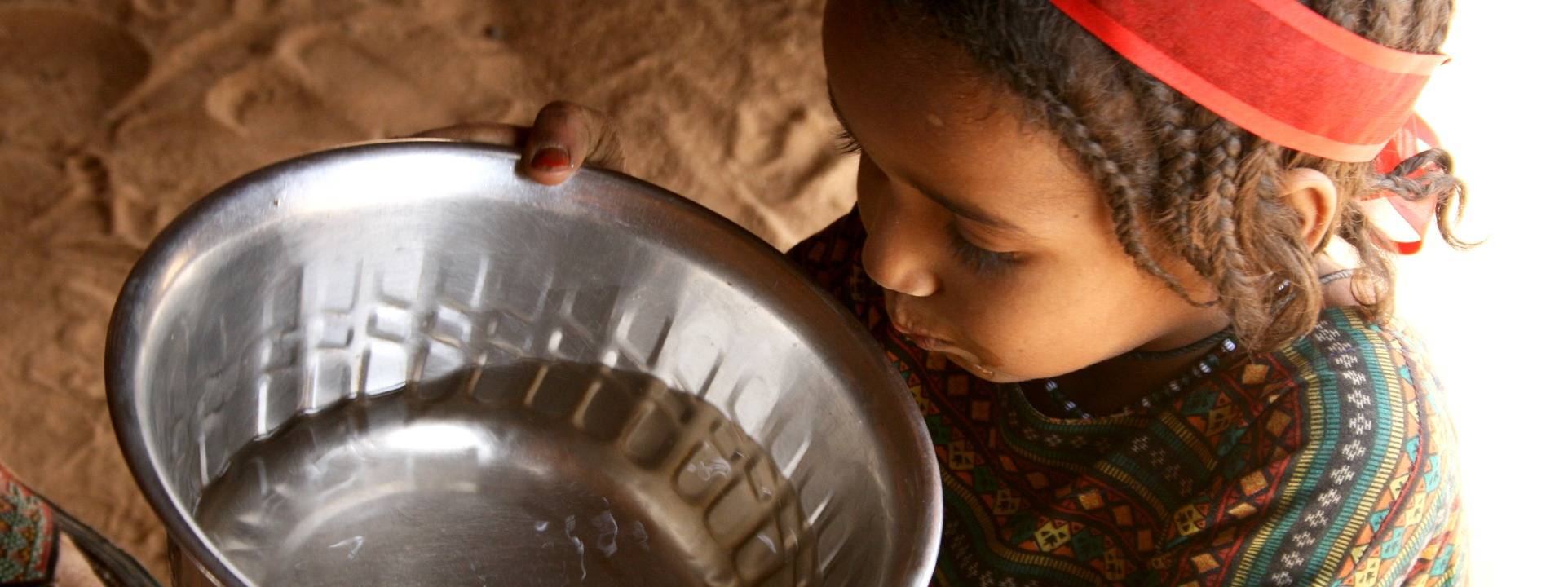
Niger, a landlocked country in West Africa, faces significant challenges in accessing clean water. With a growing population and limited resources, many communities in Niger lack access to safe drinking water, leading to health issues such as waterborne diseases and malnutrition. The scarcity of clean water also hinders agricultural productivity, exacerbating food insecurity in the region. In rural areas, women and children often bear the burden of fetching water from distant sources, limiting their time for education and economic opportunities. Addressing the issue of clean water in Niger requires sustainable infrastructure development, improved water management practices, and increased investment in water sanitation and hygiene initiatives.

Economy

Niger, a landlocked country located in West Africa, faces numerous challenges that significantly impact its economy. With a predominantly agrarian economy, Niger's heavy reliance on agriculture makes it vulnerable to factors such as droughts, desertification, and climate change, leading to food insecurity and economic instability. Additionally, the country struggles with high population growth rates, limited access to education and healthcare, political instability, and corruption. These issues hinder the development of key sectors like infrastructure, healthcare, and education, further exacerbating economic challenges. The impact of these factors is evident in Niger's low GDP per capita and high poverty rates, highlighting the urgent need for sustainable economic development strategies to improve the livelihoods of its citizens.

Government

Niger, a landlocked country located in West Africa, faces numerous challenges, with the government playing a crucial role in shaping its future. The Government of Niger has a significant impact on the country's development, particularly in areas such as healthcare, education, infrastructure, and economic growth. Despite efforts to improve governance and address socio-economic disparities, Niger continues to grapple with high poverty rates, food insecurity, and limited access to basic services. Government policies and decisions can either alleviate or exacerbate these issues, highlighting the importance of effective governance in driving positive change for the people of Niger.

Health

Niger, a landlocked country in West Africa, faces significant challenges in the realm of public health. With a high poverty rate and limited access to healthcare services, the population of Niger is particularly vulnerable to various health issues. Malnutrition remains a pressing concern, with nearly half of children under five suffering from chronic malnourishment. Additionally, preventable diseases such as malaria and cholera continue to take a toll on the population. Maternal mortality rates are alarmingly high, highlighting the need for improved maternal healthcare services and access to skilled birth attendants. Furthermore, inadequate sanitation facilities contribute to the spread of waterborne diseases, further exacerbating the country's health crisis. Addressing these health challenges in Niger requires a multi-faceted approach that encompasses improved healthcare infrastructure, increased access to clean water and sanitation facilities, and enhanced education on preventative health measures.

Children

Niger, a landlocked country in West Africa, faces numerous challenges that impact its children significantly. According to UNICEF, Niger has one of the highest rates of child marriage globally, with 76% of girls marrying before the age of 18. This practice not only deprives young girls of their childhood but also increases the risk of early pregnancy and maternal mortality. Furthermore, access to education is limited in Niger, particularly for girls. The World Bank reports that only 54% of primary school-aged children are enrolled in school, with even lower rates for girls. Lack of education perpetuates the cycle of poverty and limits future opportunities for children in Niger. Addressing these issues requires a multi-faceted approach involving government policies, community engagement, and international support to ensure a better future for the children of Niger.

Animals

Niger, a landlocked country in West Africa, is home to a diverse array of animal species that play a crucial role in its ecosystems. The wildlife in Niger includes iconic species such as elephants, giraffes, and lions, as well as a variety of birds, reptiles, and insects. These animals contribute to the country's biodiversity and are essential for maintaining the health of its ecosystems. However, Niger's wildlife faces numerous threats, including habitat loss due to human activities such as agriculture and deforestation, poaching for bushmeat and illegal wildlife trade, and climate change impacts leading to habitat degradation. Conservation efforts are essential to protect Niger's animal populations and ensure the preservation of its natural heritage for future generations.

Nonprofits Working in Niger

Discover organizations making a difference in Niger

Make Your Impact Today

Discover causes you care about and support the nonprofits making a difference in communities around the world.

Are you a nonprofit? Join Project World Impact for free

Join Us Free