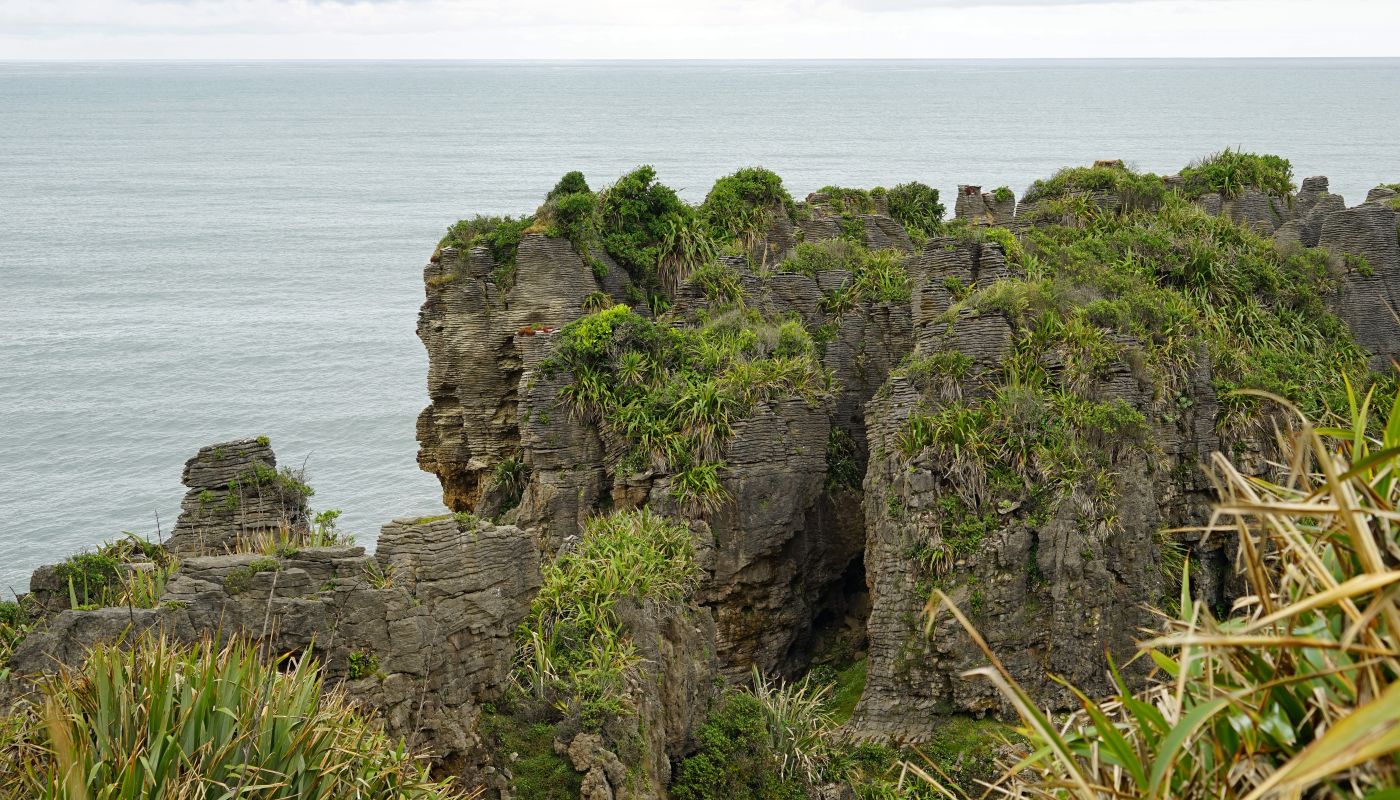

Landscape of Niue
Flag of Niue

Niue

Australia/Oceania

Niue is a small island nation located in the South Pacific Ocean, northeast of New Zealand. With a population of just over 1,600 people, Niue is one of the world's smallest countries. Niue has a rich culture and a unique way of life, with strong ties to the sea and a deep respect for nature. The economy of Niue is largely dependent on aid from New Zealand, which provides support for education, healthcare, and infrastructure development. One of the most interesting aspects of Niue is its commitment to sustainability and environmental conservation. The country has established several marine and land-based conservation areas, and has made significant efforts to protect its unique ecosystems and biodiversity.

What would you like to learn about in Niue?

Select a section to explore the country where nonprofits are creating positive change.

About Niue

Niue is a small island nation located in the South Pacific Ocean, northeast of New Zealand. With a population of just over 1,600 people, Niue is one of the world's smallest countries. Niue has a rich culture and a unique way of life, with strong ties to the sea and a deep respect for nature. The economy of Niue is largely dependent on aid from New Zealand, which provides support for education, healthcare, and infrastructure development. One of the most interesting aspects of Niue is its commitment to sustainability and environmental conservation. The country has established several marine and land-based conservation areas, and has made significant efforts to protect its unique ecosystems and biodiversity.

Causes in Niue

Environment

Niue, a small island nation in the South Pacific, is highly vulnerable to the impacts of climate change and environmental degradation. The island's limited land area and fragile ecosystem are at risk due to rising sea levels, extreme weather events, and ocean acidification. The people of Niue rely heavily on fishing and agriculture for their livelihoods, both of which are threatened by changing environmental conditions. Additionally, the lack of natural resources and freshwater sources on the island further exacerbate the challenges faced by the local population. Urgent action is needed to address these environmental issues and safeguard the future of Niue and its people.

Family

Niue, a small island country in the South Pacific, places a significant emphasis on the importance of family within its community. Family serves as the cornerstone of Niuean society, playing a crucial role in providing support, guidance, and care for individuals. In Niuean culture, families are tightly knit, with strong bonds between family members that extend beyond immediate relatives to include extended family networks. The concept of family extends beyond blood relations, encompassing close friends and community members who are regarded as honorary family members. The influence of family is pervasive in all aspects of Niuean life, from decision-making processes to social gatherings and celebrations. This strong emphasis on family fosters a sense of unity, belonging, and shared responsibility within the Niuean community, contributing to the overall well-being and resilience of its people.

Human Rights

Niue, a small island nation in the South Pacific, faces unique challenges in upholding Human Rights due to its geographical isolation and limited resources. The lack of infrastructure and access to essential services has a significant impact on the realization of Human Rights for its citizens. Issues such as limited healthcare facilities, education opportunities, and economic development hinder the full enjoyment of rights such as the right to health, education, and work. Additionally, Niue faces environmental threats such as climate change and natural disasters, which further exacerbate these challenges. Despite these obstacles, Niue is making efforts to improve its human rights situation through partnerships with international organizations and implementing policies aimed at promoting sustainable development and human well-being.

Education

Niue, a small island nation in the South Pacific, faces unique challenges in the realm of education. With a population of around 1,600 people, Niue struggles with limited resources and infrastructure that hinder educational opportunities for its residents. The impact of education on Niue is profound, as it plays a crucial role in shaping the future of the nation by empowering individuals to contribute positively to their community and economy. Access to quality education not only enhances individual livelihoods but also fosters social development and national progress. Despite these benefits, Niue continues to grapple with issues such as teacher shortages, limited educational facilities, and the need for curriculum improvements to meet the evolving demands of the globalized world. Addressing these challenges is vital to ensure that Niuean youth have the necessary skills and knowledge to thrive in an increasingly competitive environment.

Poverty

Niue, a small island nation in the South Pacific, faces significant challenges related to poverty. With a population of around 1,600 people, the country's economy is heavily reliant on aid from New Zealand and remittances from Niueans living abroad. High unemployment rates, limited job opportunities, and a lack of natural resources contribute to the poverty experienced by many Niueans. This economic hardship has led to issues such as inadequate access to healthcare, education, and basic services. The impact of poverty is particularly acute on vulnerable groups such as children and the elderly, who may face food insecurity and inadequate living conditions. Addressing poverty in Niue requires sustainable economic development strategies and targeted social welfare programs to improve the well-being of its population.

Religion

Religion holds significant importance in the small Pacific island nation of Niue. With a population predominantly adhering to Christianity, particularly the Ekalesia Niue (Niuean Church), religion plays a central role in the cultural and social fabric of the community. Churches serve as not only places of worship but also as centers for community gatherings and social events. The values and beliefs instilled through religion guide many aspects of daily life on the island, influencing moral codes, family structures, and community norms. Religious practices are deeply embedded in Niuean traditions, shaping everything from rites of passage to governance structures. Despite the strong influence of Christianity, Niue also respects and celebrates its diverse religious landscape, including small minorities practicing other faiths such as Mormonism and Seventh-day Adventism. The harmonious coexistence of various religious beliefs underscores the spirit of inclusivity and tolerance that is characteristic of Niuean society.

Clean Water

Niue, a small island nation located in the South Pacific Ocean, faces significant challenges in accessing clean water. With a limited freshwater supply due to its small land area and lack of natural freshwater sources, Niue relies heavily on rainwater harvesting as its primary source of clean water. However, this dependence makes the country vulnerable to droughts and climate change impacts, leading to water scarcity issues. The lack of access to clean water not only affects the health and well-being of the Niuean population but also hinders agricultural activities and economic development on the island. Sustainable management of water resources and investment in water infrastructure are crucial for addressing these challenges and ensuring a sustainable future for Niue.

Economy

Niue, a small island nation in the South Pacific Ocean, faces significant challenges due to its limited economy. With a population of around 1,600 people, Niue relies heavily on aid from New Zealand and remittances from Niueans living abroad. The country's economy is primarily based on agriculture, fishing, and small-scale tourism. However, factors such as its remote location, lack of natural resources, and vulnerability to natural disasters have hindered economic development. The government of Niue has been working to promote sustainable development and reduce dependency on external aid through initiatives aimed at boosting tourism and agriculture. Despite these efforts, Niue continues to face economic challenges that impact the well-being of its population.

Government

Niue, a small island country in the South Pacific Ocean, faces various challenges that are significantly influenced by its government. The impact of the Niuean government on the nation is profound as it plays a crucial role in areas such as economic development, environmental conservation, healthcare, education, and infrastructure. With a limited population and resources, Niue relies heavily on government initiatives to drive progress and address pressing issues like climate change, sustainable development, and social welfare. Effective governance is vital for the well-being and future sustainability of Niue and its people. Source: 1. Central Intelligence Agency. "Niue." The World Factbook. Accessed at: https://www.cia.gov/the-world-factbook/countries/niue/

Health

Niue, a small island nation in the South Pacific, faces significant challenges in the realm of health due to its remote location, limited resources, and susceptibility to natural disasters. The population of Niue, which stands at around 1,600 people, experiences high rates of non-communicable diseases such as diabetes, cardiovascular disease, and obesity. Limited access to healthcare services and a lack of specialized medical facilities further exacerbate these health issues. Additionally, the island's dependence on imported processed foods contributes to poor nutrition and overall health outcomes. Efforts to improve healthcare infrastructure and promote healthy lifestyles are crucial in addressing these challenges and enhancing the well-being of Niue's population.

Children

Niue, a small island nation in the South Pacific, faces various challenges that impact its children. Limited access to healthcare services, education, and economic opportunities are some of the key issues affecting children in Niue. With a population of just over 1,600 people, the resources available to support the well-being of children are constrained. The lack of infrastructure and services often lead to difficulties in providing adequate healthcare and education for children on the island. Additionally, the remote location of Niue poses challenges in accessing specialized care and educational resources. Furthermore, economic factors such as limited job opportunities and financial resources can hinder children's overall development and well-being. It is crucial to raise awareness about these challenges faced by children in Niue and work towards creating sustainable solutions to support their growth and development.

Animals

Niue, a small island nation in the South Pacific, is home to a unique array of wildlife that plays an essential role in its ecosystem. The animals of Niue, including native bird species like the elusive blue-crowned lorikeet and the vulnerable Polynesian triller, contribute to pollination, seed dispersal, and overall biodiversity on the island. However, these animals face numerous threats such as habitat destruction, climate change, and invasive species which disrupt their natural habitats and food sources. Conservation efforts are crucial to protect Niue's diverse fauna and ensure the balance of its delicate ecosystem for future generations to appreciate and enjoy.

Make Your Impact Today

Discover causes you care about and support the nonprofits making a difference in communities around the world.

Are you a nonprofit? Join Project World Impact for free

Join Us Free