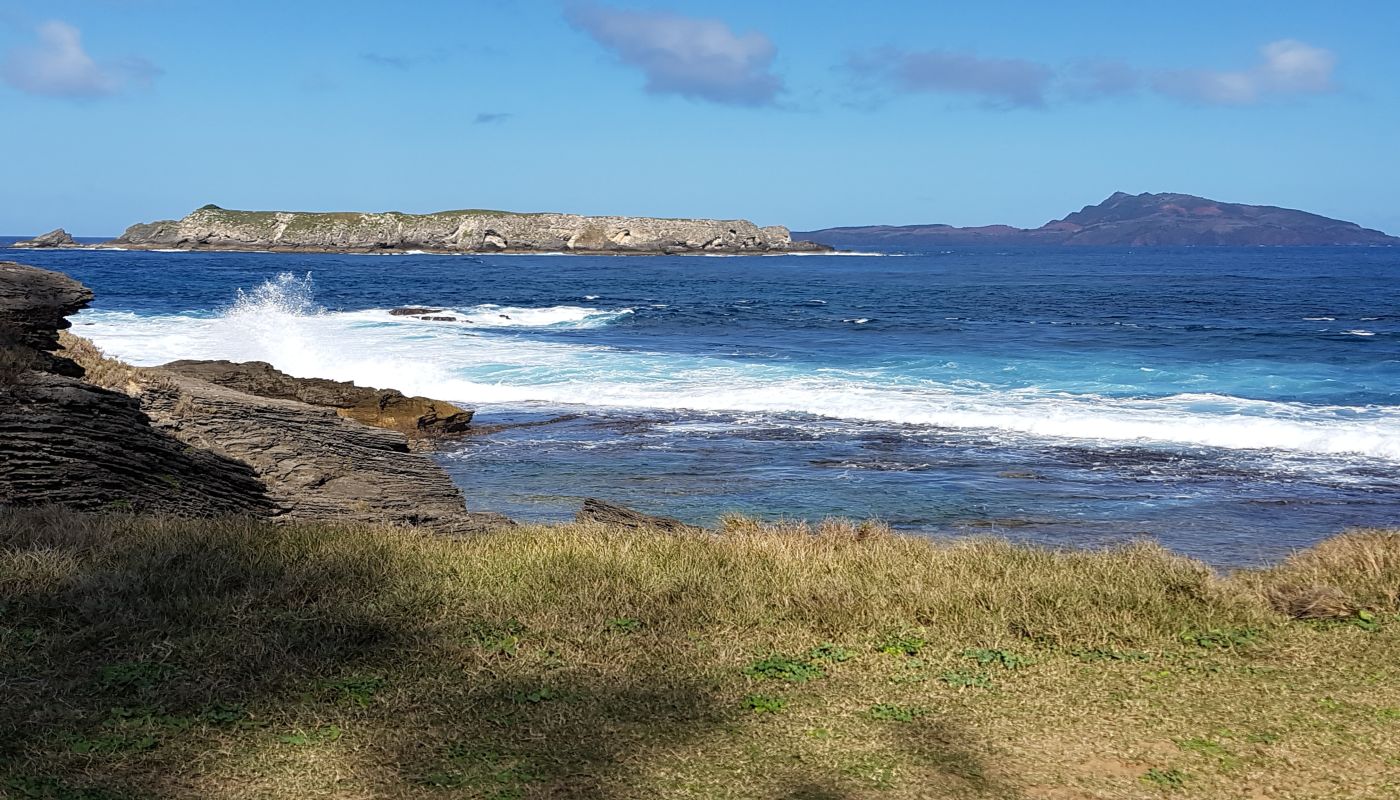
Landscape of Norfolk Island
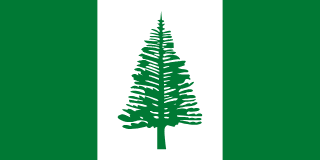
Flag of Norfolk Island

Norfolk Island

Australia/Oceania

Norfolk Island is a small island territory located in the South Pacific Ocean, halfway between Australia and New Zealand. Norfolk Island has a population of approximately 2,000 people. The island has faced challenges related to its remote location and limited economic opportunities. Efforts are underway to promote sustainable tourism and economic development on the island. A notable fact was that its early settlement was established by British convicts in the 18th century.

What would you like to learn about in Norfolk Island?

Select a section to explore the country where nonprofits are creating positive change.

About Norfolk Island

Norfolk Island is a small island territory located in the South Pacific Ocean, halfway between Australia and New Zealand. Norfolk Island has a population of approximately 2,000 people. The island has faced challenges related to its remote location and limited economic opportunities. Efforts are underway to promote sustainable tourism and economic development on the island. A notable fact was that its early settlement was established by British convicts in the 18th century.

Causes in Norfolk Island

Environment

Norfolk Island, a small Australian external territory located in the Pacific Ocean, faces significant environmental challenges that impact its unique ecosystem and community. The island's fragile ecosystem is vulnerable to climate change, deforestation, and invasive species. Rising sea levels threaten coastal areas, while extreme weather events such as cyclones pose a risk to infrastructure and biodiversity. Deforestation for agriculture and development has led to habitat loss, endangering native flora and fauna species. Invasive species, introduced by human activities, further disrupt the island's delicate ecological balance. It is crucial for Norfolk Island to prioritize sustainable environmental practices and conservation efforts to protect its natural resources and preserve its biodiversity for future generations.

Family

Family plays a significant role in the social fabric of Norfolk Island, a small island territory located in the Pacific Ocean. In Norfolk Island's tight-knit community, family ties are crucial for providing emotional support, stability, and a sense of belonging. The emphasis on family values is evident in the strong intergenerational relationships that are maintained within the community. Families on Norfolk Island often come together to celebrate important milestones and events, fostering a sense of unity and cohesion among its residents. Moreover, families play a vital role in passing down cultural traditions and preserving the island's unique heritage. By promoting strong family bonds, Norfolk Island is able to nurture a sense of community resilience and connectedness that contributes to the well-being of its inhabitants.

Human Rights

Norfolk Island, a small external territory of Australia located in the South Pacific Ocean, faces unique challenges in upholding human rights due to its complex political status. As a self-governing territory with limited autonomy, Norfolk Island has experienced instances where the protection of human rights has been a subject of debate and concern. Issues such as access to healthcare, educational resources, and employment opportunities have surfaced as areas where improvements are needed to ensure the well-being and dignity of its residents. Additionally, concerns have been raised regarding the preservation of the island's cultural heritage and the rights of its indigenous population, the Norfolk Islanders. Addressing these challenges requires a concerted effort from both local authorities and the Australian government to uphold human rights standards and promote social justice on the island.

Education

Norfolk Island, a small Australian external territory located in the Pacific Ocean, faces unique challenges in the realm of education. With a population of just over 1,700 people, the island's educational system is relatively small and faces limitations in terms of resources and opportunities. The impact of education on Norfolk Island is profound, as it plays a crucial role in shaping the future of the community. Access to quality education is vital for the island's residents to acquire the necessary skills and knowledge to thrive in an ever-changing world. Education empowers individuals, enhances social mobility, and fosters economic development on Norfolk Island. By investing in education, the island can ensure a brighter future for its residents and contribute to the overall well-being of the community.

Poverty

Norfolk Island, a small external territory of Australia located in the South Pacific Ocean, faces unique challenges due to its remote location and limited resources. Poverty on the island is a pressing issue that impacts the well-being of its residents. The lack of economic opportunities, limited access to education and healthcare, and high cost of living contribute to the prevalence of poverty on Norfolk Island. According to a report by the Australian Bureau of Statistics, Norfolk Island has a higher poverty rate compared to mainland Australia, with a significant portion of its population living below the poverty line. The situation is further exacerbated by the island's dependence on tourism, which has been severely affected by external factors such as global economic downturns and natural disasters. Addressing poverty on Norfolk Island requires targeted interventions that focus on improving access to education, healthcare, and employment opportunities to uplift the living standards of its residents. Source: Australian Bureau of Statistics - "Norfolk Island Census Data"

Religion

Norfolk Island is a small external territory of Australia located in the Pacific Ocean, with a population of approximately 1,750 residents. The island has a unique history deeply intertwined with religion. Christianity, particularly the Anglican Church, has played a significant role in shaping the cultural and social fabric of Norfolk Island. The island's early European settlers brought their religious beliefs with them, and the church became a focal point of community life. Today, the Anglican Church remains a prominent institution on the island, providing spiritual guidance and support to many residents. Religion continues to influence various aspects of daily life on Norfolk Island, from traditions and customs to moral values and community gatherings.

Clean Water

Norfolk Island, a small island territory located in the South Pacific Ocean, faces various challenges regarding clean water access and quality. Due to its remote location and limited freshwater resources, Norfolk Island heavily relies on rainwater harvesting for its water supply. However, climate change-related factors such as irregular rainfall patterns and prolonged droughts have significantly impacted the availability of clean water on the island. Inadequate infrastructure and poor water management practices further exacerbate the situation, leading to potential health risks and environmental degradation. Ensuring sustainable access to clean water is crucial for the well-being of Norfolk Island's population and the preservation of its fragile ecosystem.

Economy

Norfolk Island, an external territory of Australia located in the Pacific Ocean, faces unique challenges due to its remote location and small population. The island's economy heavily relies on tourism, agriculture, and government services. However, the closure of the island's phosphate mine in 2018 has had a significant impact on its economy, leading to job losses and affecting the island's revenue streams. The lack of diverse economic activities and limited opportunities for growth have further strained Norfolk Island's economic stability. As a result, the island is seeking to diversify its economy and attract investment to ensure long-term sustainability and prosperity for its residents.

Government

Norfolk Island, a small Australian external territory located in the South Pacific Ocean, faces unique political challenges due to its complex governance structure. The island's government operates under a system of self-governance, with power divided between the local Norfolk Island Regional Council and the Australian federal government. This shared governance arrangement has created tensions and uncertainties regarding the island's political future, as decisions made by the Australian government can significantly impact the daily lives of Norfolk Islanders. Issues such as economic development, healthcare, and infrastructure are heavily influenced by the policies and decisions made by both local and federal authorities. As a result, understanding the intricate relationship between Norfolk Island and its governing bodies is crucial in addressing the challenges and opportunities that lie ahead for this remote island community.

Health

Norfolk Island, a small island territory in the Pacific Ocean, faces unique health challenges that significantly impact its population. Limited access to healthcare services and resources due to its remote location pose barriers to adequate medical treatment and preventive care for the island's residents. The prevalence of lifestyle-related diseases such as diabetes, cardiovascular issues, and obesity is on the rise, reflecting shifting dietary habits and sedentary lifestyles. Additionally, mental health issues are a growing concern, exacerbated by social isolation and limited mental health support services. Addressing these health challenges requires a multi-faceted approach that encompasses improved healthcare infrastructure, increased access to medical professionals, and community-based health promotion initiatives. By raising awareness about the health issues facing Norfolk Island, we can advocate for targeted interventions to enhance the well-being of its population.

Children

Norfolk Island, a small territory located in the Pacific Ocean, faces unique challenges in ensuring the well-being of its children. With a population of just over 1,700 people, the island's limited resources and isolation can impact children's access to education, healthcare, and other essential services. The lack of specialized facilities and services for children with disabilities or special needs can also pose challenges for families on the island. Additionally, the small community size can sometimes lead to social issues such as bullying or mental health concerns among children. It is important for the local government and community organizations to work together to address these challenges and provide support for the well-being of Norfolk Island's children.

Animals

Norfolk Island, a small Australian external territory located in the Pacific Ocean, is home to a unique array of wildlife. The island's ecosystem is delicate and highly susceptible to the impacts of introduced species, particularly feral animals. The presence of invasive species such as cats, rats, and pigs poses a significant threat to Norfolk Island's native flora and fauna. These invasive predators compete with and prey upon indigenous species, leading to population declines and ecosystem imbalance. Efforts to control and eradicate feral animals on the island are crucial to preserving Norfolk Island's biodiversity and protecting its fragile ecosystems. By raising awareness about the negative impact of invasive species on Norfolk Island's wildlife, we can work towards fostering a more sustainable coexistence between humans and nature.

Make Your Impact Today

Discover causes you care about and support the nonprofits making a difference in communities around the world.

Are you a nonprofit? Join Project World Impact for free

Join Us Free