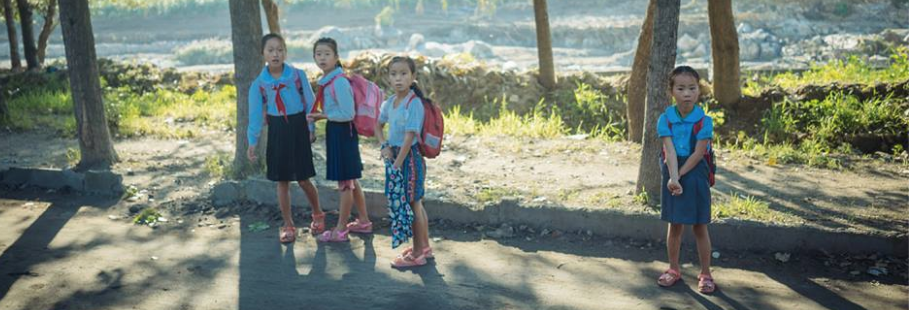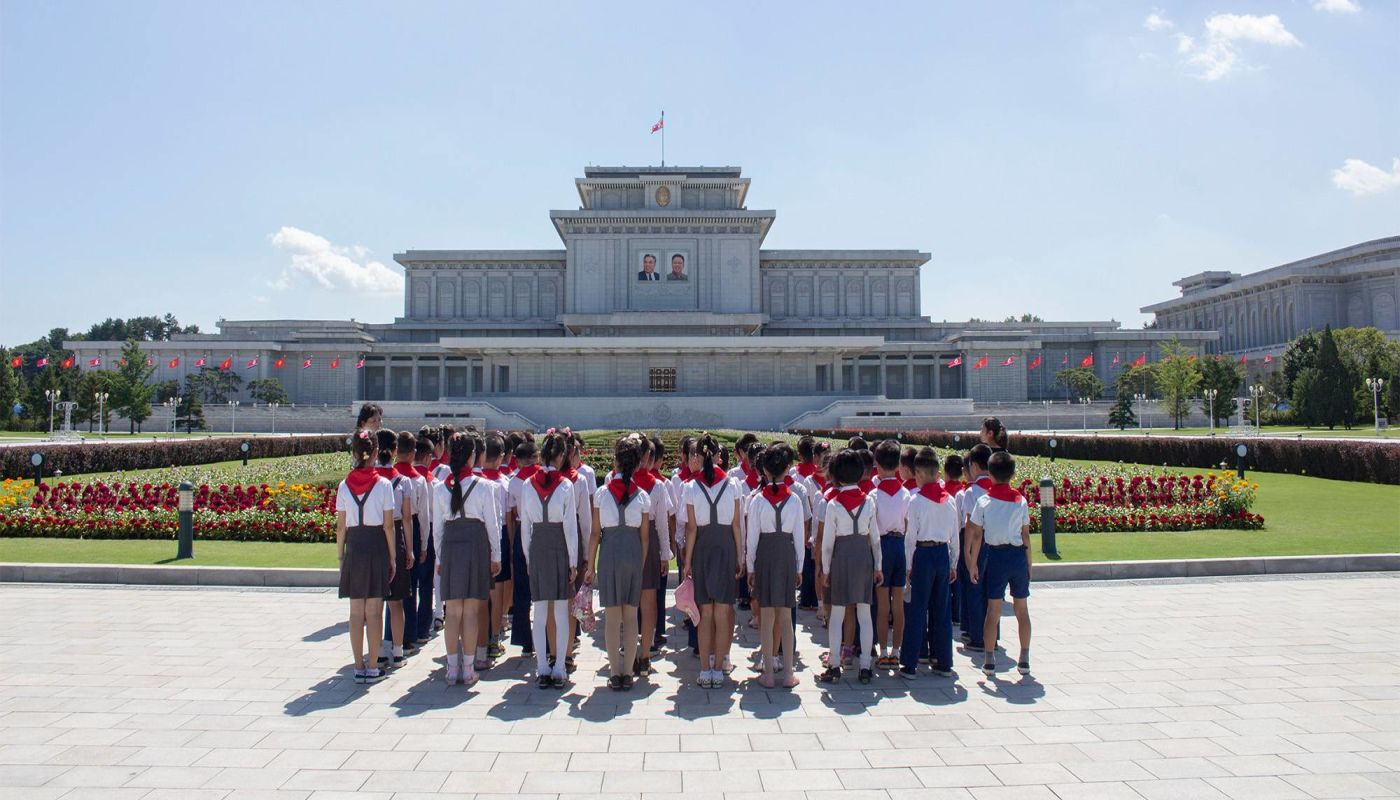
Landscape of North Korea
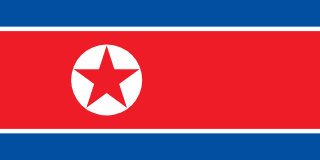
Flag of North Korea

North Korea

Asia

North Korea is a country located in East Asia, with a population of around 25 million people. The country is known for its unique political system and closed-off society, which has limited its economic development and engagement with the outside world. Visitors to North Korea must obtain a special visa and travel with a state-approved tour operator. It is also home to the world's deepest metro system, which doubles as a bomb shelter. Despite challenges related to political isolation and economic sanctions, North Korea has a rich cultural heritage and a strong sense of national identity. Efforts to address these challenges and promote greater political stability and economic growth are ongoing, with the international community working to support the country's development and prosperity.

What would you like to learn about in North Korea?

Select a section to explore the country where nonprofits are creating positive change.

About North Korea

An independent kingdom for much of its long history, Korea was occupied by Japan beginning in 1905 following the Russo-Japanese War. Five years later, Japan formally annexed the entire peninsula. Following World War II, Korea was split with the northern half coming under Soviet-sponsored communist control. After failing in the Korean War (1950-53) to conquer the US-backed Republic of Korea (ROK) in the southern portion by force, North Korea (DPRK), under its founder President KIM Il Sung, adopted a policy of ostensible diplomatic and economic "self-reliance" as a check against outside influence. The DPRK demonized the US as the ultimate threat to its social system through state-funded propaganda, and molded political, economic, and military policies around the core ideological objective of eventual unification of Korea under Pyongyang's control. KIM Il Sung's son, KIM Jong Il, was officially designated as his father's successor in 1980, assuming a growing political and managerial role until the elder KIM's death in 1994. KIM Jong Un was publicly unveiled as his father's successor in September 2010. Following KIM Jong Il's death in December 2011, the regime began to take actions to transfer power to KIM Jong Un and KIM has now assumed many his father's former titles and duties. After decades of economic mismanagement and resource misallocation, the DPRK since the mid-1990s has relied heavily on international aid to feed its population. The DPRK began to ease restrictions to allow semi-private markets, starting in 2002, but then sought to roll back the scale of economic reforms in 2005 and 2009. North Korea's history of regional military provocations; proliferation of military-related items; long-range missile development; WMD programs including tests of nuclear devices in 2006, 2009, and 2013; and massive conventional armed forces are of major concern to the international community.

Quick Facts

Population
24,720,407 (July 2013 est.)
Area
120,538 sq km
ISO Code
KP
Continent
Asia
Government
Communist state one-man dictatorship
Active Causes
12
View all countries in Asia

Geography & Environment

Climate

temperate with rainfall concentrated in summer

Terrain

mostly hills and mountains separated by deep, narrow valleys; coastal plains wide in west, discontinuous in east

Natural Resources

coal, lead, tungsten, zinc, graphite, magnesite, iron ore, copper, gold, pyrites, salt, fluorspar, hydropower

Environmental Issues

water pollution; inadequate supplies of potable water; waterborne disease; deforestation; soil erosion and degradation

People & Society

69.51 years
Avg. Life Expectancy
100%
Literacy Rate
60.3% of total population (2011)
Total Urban Population

Languages

Korean

Religions

traditionally Buddhist and Confucianist, some Christian and syncretic Chondogyo (Religion of the Heavenly Way)

Health Expenditure

2% of GDP (2009) of GDP

Education Expenditure

NA of GDP

Economy

$1,800
GDP per Capita (PPP)
NA%
Unemployment Rate
NA%
Below Poverty Line

Economic Overview

North Korea, one of the world's most centrally directed and least open economies, faces chronic economic problems. Industrial capital stock is nearly beyond repair as a result of years of underinvestment, shortages of spare parts, and poor maintenance. Large-scale military spending draws off resources needed for investment and civilian consumption. Industrial and power output have stagnated for years at a fraction of pre-1990 levels. Frequent weather-related crop failures aggravated chronic food shortages caused by on-going systemic problems, including a lack of arable land, collective farming...

Causes in North Korea

Environment

North Korea, officially known as the Democratic People's Republic of Korea (DPRK), is a country situated on the Korean Peninsula. The environment in North Korea plays a significant role in shaping the nation's economy, agriculture, and public health. The country faces various environmental challenges, including deforestation, soil erosion, water pollution, and inadequate waste management. These issues are exacerbated by factors such as limited resources, outdated infrastructure, and a lack of access to modern technology. Environmental degradation not only impacts the livelihoods of North Korean citizens but also poses a threat to regional ecosystems and biodiversity. Addressing these environmental concerns requires concerted efforts from both the government and international organizations to implement sustainable practices and mitigate the adverse effects of climate change in the region.

Family

In North Korea, the concept of family holds significant cultural and social importance, deeply ingrained in the fabric of society. The totalitarian regime in the country emphasizes loyalty to the ruling Kim dynasty as a core value, with the family unit serving as a crucial mechanism for instilling and perpetuating this loyalty. The state exerts control over all aspects of family life, dictating where individuals live, work, and even whom they can marry. Family members are expected to inform on each other to authorities, creating an atmosphere of pervasive surveillance and fear. This strict control over familial relationships serves to maintain the regime's grip on power by ensuring allegiance to the state above all else.

Human Rights

North Korea is a reclusive country known for its strict authoritarian regime led by the Kim dynasty. The government's tight grip on power permeates all aspects of life in North Korea, often resulting in severe human rights abuses. Basic freedoms such as freedom of speech, expression, and assembly are heavily restricted, with dissent against the regime often met with harsh punishment, including imprisonment in labor camps. Reports of forced labor, torture, and executions are common, highlighting the dire situation faced by many North Korean citizens. The lack of transparency and accountability within the government further exacerbates these human rights violations, leaving individuals vulnerable to exploitation and abuse. It is crucial to shed light on these issues to advocate for the protection of human rights in North Korea and promote global awareness of the plight of its people.

Education

North Korea is a country known for its strict control over information and education. The North Korean government tightly regulates the education system, with a heavy emphasis on propaganda and loyalty to the ruling regime. Education in North Korea is highly centralized and serves as a tool for indoctrination rather than fostering critical thinking or personal growth. The curriculum is designed to promote the ideals of the ruling Kim dynasty and instill a sense of absolute loyalty to the state. As a result, North Korean students are deprived of access to diverse perspectives and are discouraged from questioning authority. This lack of academic freedom hinders the development of independent thinking skills and perpetuates a culture of obedience and conformity among the population.

Poverty

North Korea is a country plagued by deep-rooted poverty, with a significant portion of its population living in dire conditions. The lack of access to basic necessities such as food, clean water, and healthcare has had a profound impact on the people of North Korea. Poverty in the country is exacerbated by a rigid centralized economic system, international sanctions, and a lack of political freedoms that hinder economic development and exacerbate income inequality. This situation has led to malnutrition, poor living conditions, and limited opportunities for education and social mobility. The effects of poverty in North Korea are far-reaching, affecting all aspects of society and perpetuating a cycle of deprivation for its citizens.

Religion

North Korea is a country known for its strict control over information and limited freedom of expression. Within this context, religion plays a significant role in the lives of its citizens. The government of North Korea officially recognizes only a few state-controlled religious groups, such as Chondoism and Buddhism, while actively suppressing other forms of religious practice, particularly Christianity. The regime views religion as a threat to its authority and often conducts harsh crackdowns on religious activities. Despite the risks, underground Christian communities continue to exist in North Korea, facing severe persecution for their beliefs. The impact of religion in North Korea reflects the complex dynamics between the state's control and individuals' pursuit of faith.

Clean Water

In North Korea, access to clean water remains a critical issue that affects the health and well-being of its population. The country faces challenges such as aging infrastructure, lack of proper sanitation facilities, and limited resources for water treatment. These factors contribute to a situation where many North Koreans are exposed to waterborne diseases, leading to high rates of illnesses and even fatalities. The impact of inadequate access to clean water is especially severe on vulnerable populations such as children and the elderly. Addressing this issue requires significant investments in improving water infrastructure, promoting hygiene practices, and ensuring equitable access to safe drinking water across the country.

Economy

North Korea is a country known for its reclusive nature and strict government control. The economy of North Korea is largely driven by state-controlled industries, with limited access to international trade and investment. The lack of economic freedom, combined with international sanctions imposed due to its nuclear program, has severely impacted the country's economy. This has resulted in widespread poverty, food shortages, and a reliance on foreign aid for survival. The economy of North Korea remains a key factor in the country's isolation and the well-being of its citizens. It is crucial to understand the economic challenges faced by North Korea to address the humanitarian issues within the country effectively.

Government

North Korea, officially known as the Democratic People's Republic of Korea, is a country located in East Asia. The government of North Korea has a significant impact on all aspects of its citizens' lives. The country operates under a totalitarian dictatorship led by the ruling Kim dynasty, currently headed by Kim Jong-un. The government tightly controls all media outlets, restricts freedom of speech and assembly, and enforces strict censorship policies. Citizens are subjected to pervasive surveillance, and any dissent or opposition to the regime is met with severe punishment, including imprisonment in labor camps or execution. The government's policies have resulted in widespread poverty, food shortages, and limited access to basic necessities for many North Koreans. It is crucial to raise awareness about the human rights violations and suffering experienced by the people of North Korea under the authoritarian rule of its government.

Health

North Korea's healthcare system faces numerous challenges, stemming from a combination of factors such as limited resources, international sanctions, and a centralized government structure. The country struggles with inadequate medical infrastructure, shortages of essential medicines and equipment, and a lack of skilled healthcare professionals. As a result, North Koreans often face difficulties in accessing quality healthcare services, leading to high rates of preventable diseases and poor health outcomes. The impact of these challenges is evident in the country's high infant mortality rate and prevalence of malnutrition among its population. Additionally, the secretive nature of the North Korean regime makes it difficult to assess the true extent of health issues within the country. Addressing these healthcare challenges is crucial to improving the well-being of the North Korean people and promoting global health security.

Children

In North Korea, children are affected by a range of challenges that impact their well-being and development. The country's political system, characterized by strict control and censorship, limits access to information and stifles freedom of expression. This environment can have a detrimental effect on children's cognitive and emotional growth, as they are often subjected to indoctrination and propaganda from a young age. Additionally, North Korea faces widespread poverty and food insecurity, leading to malnutrition and health issues among children. Limited access to education and healthcare further compound the challenges faced by North Korean children, hindering their opportunities for a better future. It is crucial to raise awareness about these issues in order to advocate for the rights and well-being of children in North Korea.

Animals

In North Korea, animals play a significant role in the lives of its population. Livestock such as cows, pigs, and chickens provide essential sources of food and income for many North Koreans, particularly in rural areas where agriculture is a primary livelihood. Additionally, animals like dogs are kept as pets in North Korean households, serving as companions and providing emotional support to their owners. Despite the positive impact of animals on the daily lives of North Koreans, the country also faces challenges in ensuring the welfare and protection of these creatures. Limited resources and infrastructure, coupled with a lack of strict animal welfare laws and regulations, often result in cases of neglect and abuse towards animals in North Korea. By raising awareness about the importance of animal welfare and advocating for better treatment of animals in North Korea, we can contribute to creating a more compassionate society for both humans and animals.

Nonprofits Working in North Korea

Discover organizations making a difference in North Korea

Make Your Impact Today

Discover causes you care about and support the nonprofits making a difference in communities around the world.

Are you a nonprofit? Join Project World Impact for free

Join Us Free