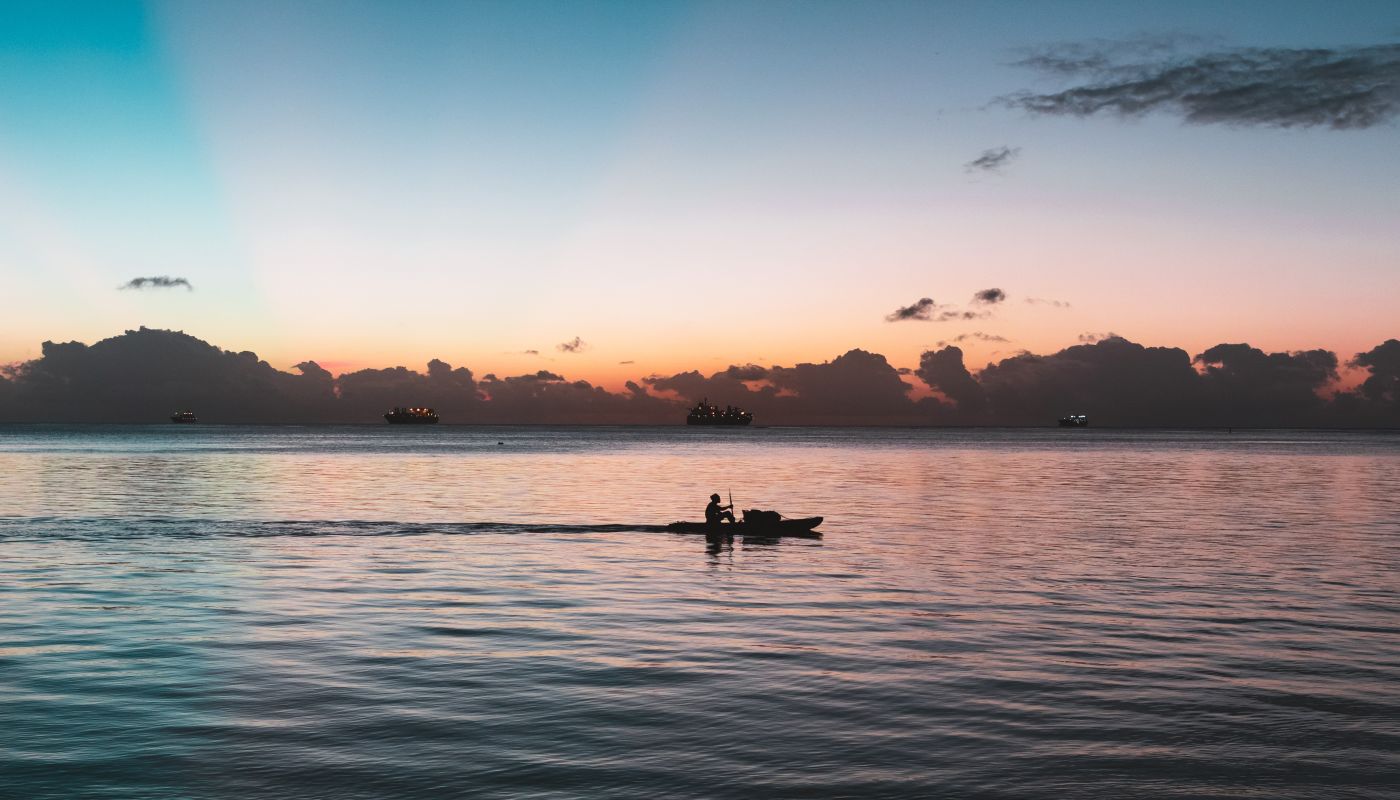
Landscape of Northern Mariana Islands
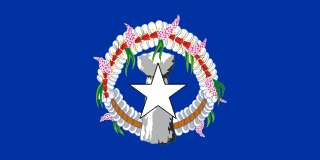
Flag of Northern Mariana Islands

Northern Mariana Islands

Australia/Oceania

Northern Mariana Islands is a US territory with a population of approximately 52,000 people. The island of Tinian played a crucial role in ending World War II, serving as the launchpad for the US military's bombing missions against Japan that helped bring an end to the conflict. The territory has faced challenges related to its economy, particularly its dependence on the garment industry. Efforts are underway to diversify the economy and promote sustainable development, including investments in tourism and renewable energy.

What would you like to learn about in Northern Mariana Islands?

Select a section to explore the country where nonprofits are creating positive change.

About Northern Mariana Islands

Northern Mariana Islands is a US territory with a population of approximately 52,000 people. The island of Tinian played a crucial role in ending World War II, serving as the launchpad for the US military's bombing missions against Japan that helped bring an end to the conflict. The territory has faced challenges related to its economy, particularly its dependence on the garment industry. Efforts are underway to diversify the economy and promote sustainable development, including investments in tourism and renewable energy.

Causes in Northern Mariana Islands

Environment

The Northern Mariana Islands, located in the western Pacific Ocean, face significant environmental challenges that impact their economy and well-being. As a small island territory, the Northern Mariana Islands are particularly vulnerable to climate change effects such as rising sea levels, increased frequency of extreme weather events, and coral reef degradation. These environmental changes threaten the islands' biodiversity, disrupt traditional fishing practices, and endanger coastal communities. Furthermore, the islands' heavy reliance on tourism and agriculture makes them susceptible to environmental damage caused by pollution and unsustainable land use practices. It is crucial for the Northern Mariana Islands to implement sustainable environmental management strategies to mitigate these threats and protect their natural resources for future generations.

Family

The Northern Mariana Islands, located in the western Pacific Ocean, is a territory of the United States with a unique cultural heritage influenced by Chamorro, Carolinian, and Filipino traditions. In this region, family plays a central role in shaping individuals' identities and social structures. The concept of "family" extends beyond the nuclear unit to include extended relatives, creating strong kinship ties that provide emotional support and a sense of belonging. Families in the Northern Mariana Islands often gather for communal meals, celebrations, and religious ceremonies, reinforcing their bond and cultural practices. However, economic challenges and modernization have led to changes in family dynamics, with younger generations facing pressures to balance traditional values with external influences. By understanding the significance of family in the Northern Mariana Islands, we can appreciate the resilience and cultural richness of this community.

Human Rights

The Northern Mariana Islands (NMI), a U.S. territory located in the Western Pacific, faces various human rights challenges that warrant attention. As a small island community with a unique political status, the NMI has struggled with issues such as labor rights violations, particularly in the garment industry, where reports of poor working conditions and exploitation of foreign workers have surfaced. Additionally, concerns have been raised regarding the treatment of indigenous Chamorro and Carolinian populations, as their land rights and cultural heritage are sometimes overlooked in the face of economic development projects. The lack of comprehensive legal protections and mechanisms to address these human rights violations underscores the importance of continued advocacy and awareness-raising efforts in the Northern Mariana Islands.

Education

The Northern Mariana Islands, a U.S. commonwealth in the Western Pacific, face unique challenges in the realm of education. With a population of approximately 56,000 people spread across 14 islands, access to quality education is limited by factors such as geographical dispersion and economic constraints. The impact of these challenges is evident in educational outcomes, with the islands consistently ranking below U.S. averages in proficiency in subjects such as math and reading. Moreover, the islands grapple with high dropout rates and disparities in educational attainment among different ethnic groups. Efforts to address these issues have been hindered by funding shortages and a shortage of qualified teachers. Improving education in the Northern Mariana Islands is crucial not only for individual success but also for the islands' overall social and economic development.

Poverty

The Northern Mariana Islands, a U.S. territory in the western Pacific Ocean, faces significant challenges related to poverty. Despite being classified as a high-income economy, a substantial portion of the population still grapples with poverty. The poverty rate in the Northern Mariana Islands stands at around 50%, with factors such as limited job opportunities, high costs of living, and reliance on federal assistance programs contributing to this issue. Poverty in the region often leads to inadequate access to healthcare, education, and other essential services, further exacerbating social inequalities. Additionally, natural disasters and economic downturns have also heightened the vulnerability of the population to poverty. Addressing poverty in the Northern Mariana Islands requires a multifaceted approach that includes creating sustainable employment opportunities, improving social welfare programs, and enhancing access to quality education and healthcare.

Religion

The Northern Mariana Islands, a U.S. commonwealth in the Western Pacific, has a unique religious landscape that reflects its historical colonial influences. The predominant religion in the Northern Mariana Islands is Christianity, with Roman Catholicism being the most widely practiced denomination. The strong influence of Catholicism can be traced back to Spanish colonization in the 17th century and has since become deeply embedded in the cultural fabric of the islands. Religion plays a significant role in the daily lives of the residents, shaping their values, traditions, and community practices. Churches are central hubs for social gatherings and community events, providing spiritual guidance and support to the local population. Despite the prevalence of Christianity, there is also a diversity of religious beliefs present in the islands, including Protestant denominations and indigenous spiritual practices that add to the rich tapestry of religious life in the Northern Mariana Islands.

Clean Water

The Northern Mariana Islands, a U.S. territory in the western Pacific Ocean, face significant challenges with clean water access. Despite being surrounded by vast bodies of water, the islands' freshwater resources are limited and vulnerable to contamination from various sources such as agricultural runoff, inadequate wastewater treatment, and industrial activities. The impact of this issue is profound on the health and well-being of the local population, as contaminated water can lead to waterborne diseases and other health complications. Additionally, the fragile marine ecosystems surrounding the islands are also at risk due to pollution from runoff and improper waste disposal practices. Addressing the issue of clean water in the Northern Mariana Islands is crucial for safeguarding public health and preserving the environment for future generations.

Economy

The Northern Mariana Islands, a U.S. commonwealth located in the western Pacific Ocean, faces unique economic challenges due to its remote location and limited resources. The economy of the Northern Mariana Islands relies heavily on tourism, specifically from visitors coming from Asia. However, the recent decline in tourism due to global events such as the COVID-19 pandemic has had a significant impact on the region's economy. This decline has led to job losses, reduced government revenue, and increased financial strain on businesses and individuals in the community. Additionally, the lack of diversified industries and over-reliance on a single economic sector make the Northern Mariana Islands particularly vulnerable to external shocks and economic downturns. Addressing these economic challenges requires a multi-faceted approach that includes diversifying the economy, investing in infrastructure, and developing sustainable industries to ensure long-term economic stability for the region.

Government

The Northern Mariana Islands is a U.S. Commonwealth located in the western Pacific Ocean, comprising 14 islands. The government of the Northern Mariana Islands plays a crucial role in shaping the lives of its residents through various policies and initiatives. As a self-governing territory, the local government oversees areas such as education, healthcare, infrastructure development, and environmental conservation. The government's decisions can significantly impact the economy, social welfare, and overall well-being of the population. Furthermore, the relationship with the U.S. federal government also influences the territory's governance and funding for key programs. It is important to understand the dynamics of the Northern Mariana Islands' government to advocate for policies that promote sustainable development and support the needs of its diverse population.

Health

The Northern Mariana Islands, located in the western Pacific Ocean, face numerous health challenges that significantly impact the well-being of its population. With a high prevalence of non-communicable diseases such as diabetes, obesity, and cardiovascular conditions, the residents of the Northern Mariana Islands are at increased risk for serious health complications. Limited access to healthcare services, high poverty rates, and a lack of public health infrastructure further exacerbate these health issues. Additionally, the islands' geographic isolation presents challenges in providing timely and adequate medical care to its inhabitants. Addressing these health concerns through improved healthcare access, education, and preventative measures is crucial to enhancing the overall health outcomes of the population in the Northern Mariana Islands.

Children

The Commonwealth of the Northern Mariana Islands (CNMI) is a U.S. territory located in the western Pacific Ocean, comprising 14 islands. The region faces various challenges, including poverty, limited access to healthcare and education, and high rates of unemployment. Children in the Northern Mariana Islands are significantly impacted by these issues. According to the Kids Count Data Center, 32% of children in CNMI live in poverty, which can lead to inadequate nutrition and healthcare access, hindering their overall development and well-being. Additionally, the lack of affordable educational opportunities further exacerbates the cycle of poverty for many children in the region. It is crucial to address these systemic issues and provide support to improve the quality of life for children in the Northern Mariana Islands.

Animals

The Northern Mariana Islands, a U.S. commonwealth in the western Pacific Ocean, are home to a diverse array of animal species that play a crucial role in the ecosystem of the islands. The unique flora and fauna of the Northern Mariana Islands are under threat from habitat loss, invasive species, climate change, and pollution. Endemic species such as the Mariana fruit bat and the Bridled white-eye are particularly vulnerable to these threats. Conservation efforts are essential to safeguard these animals and their habitats for future generations. Increased awareness and support for conservation initiatives are vital to ensure the continued existence of these invaluable animal species in the Northern Mariana Islands.

Nonprofits Working in Northern Mariana Islands

Discover organizations making a difference in Northern Mariana Islands

Make Your Impact Today

Discover causes you care about and support the nonprofits making a difference in communities around the world.

Are you a nonprofit? Join Project World Impact for free

Join Us Free