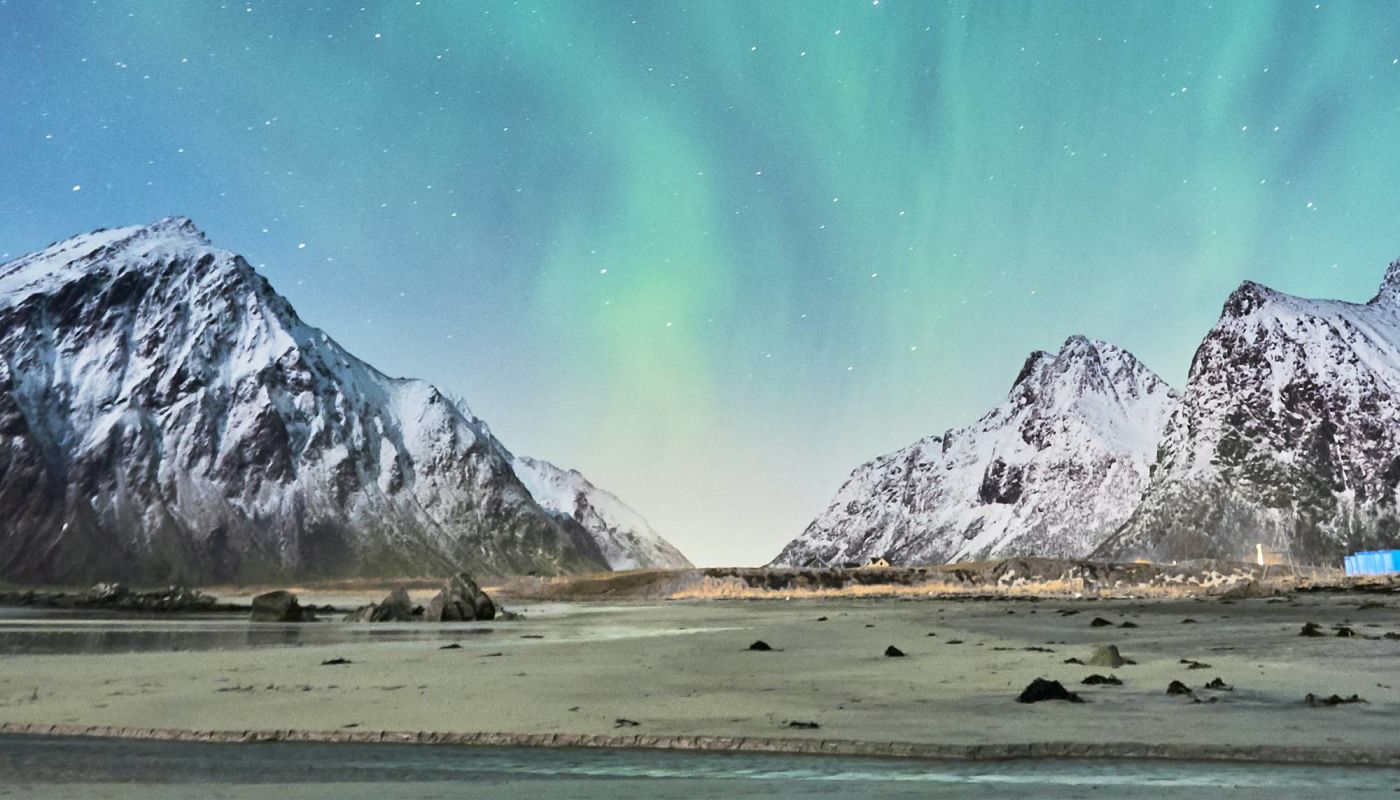
Landscape of Norway
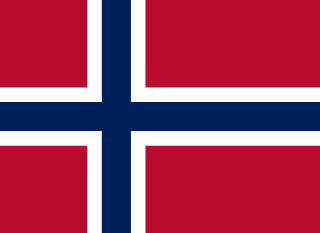
Flag of Norway

Norway

Europe

Norway is a beautiful and prosperous country located in Northern Europe, known for its stunning fjords, mountains, and glaciers. With a population of just over 5 million people, Norway is a highly developed country that is known for its strong social welfare system and commitment to environmental sustainability. However, Norway faces challenges related to climate change and the transition to a green economy. The country's economy is heavily reliant on oil and gas exports, and the government is working to diversify the economy and reduce carbon emissions.

What would you like to learn about in Norway?

Select a section to explore the country where nonprofits are creating positive change.

About Norway

Two centuries of Viking raids into Europe tapered off following the adoption of Christianity by King Olav TRYGGVASON in 994. Conversion of the Norwegian kingdom occurred over the next several decades. In 1397, Norway was absorbed into a union with Denmark that lasted more than four centuries. In 1814, Norwegians resisted the cession of their country to Sweden and adopted a new constitution. Sweden then invaded Norway but agreed to let Norway keep its constitution in return for accepting the union under a Swedish king. Rising nationalism throughout the 19th century led to a 1905 referendum granting Norway independence. Although Norway remained neutral in World War I, it suffered heavy losses to its shipping. Norway proclaimed its neutrality at the outset of World War II, but was nonetheless occupied for five years by Nazi Germany (1940-45). In 1949, neutrality was abandoned and Norway became a member of NATO. Discovery of oil and gas in adjacent waters in the late 1960s boosted Norway's economic fortunes. In referenda held in 1972 and 1994, Norway rejected joining the EU. Key domestic issues include immigration and integration of ethnic minorities, maintaining the country's extensive social safety net with an aging population, and preserving economic competitiveness.

Quick Facts

Population
4,722,701 (July 2013 est.)
Area
323,802 sq km
ISO Code
NO
Continent
Europe
Government
constitutional monarchy
Active Causes
12
View all countries in Europe

Geography & Environment

Climate

temperate along coast, modified by North Atlantic Current; colder interior with increased precipitation and colder summers; rainy year-round on west coast

Terrain

glaciated; mostly high plateaus and rugged mountains broken by fertile valleys; small, scattered plains; coastline deeply indented by fjords; arctic tundra in north

Natural Resources

petroleum, natural gas, iron ore, copper, lead, zinc, titanium, pyrites, nickel, fish, timber, hydropower

Environmental Issues

water pollution; acid rain damaging forests and adversely affecting lakes, threatening fish stocks; air pollution from vehicle emissions

People & Society

80.44 years
Avg. Life Expectancy
100%
Literacy Rate
79% of total population (2010)
Total Urban Population

Languages

Bokmal Norwegian (official), Nynorsk Norwegian (official), small Sami- and Finnish-speaking minorities

Religions

Church of Norway (Evangelical Lutheran - official) 85.7%, Pentecostal 1%, Roman Catholic 1%, other Christian 2.4%, Muslim 1.8%, other 8.1% (2004)

Health Expenditure

9.5% of GDP (2010) of GDP

Education Expenditure

7.3% of GDP (2009) of GDP

Economy

$55,900
GDP per Capita (PPP)
3.2%
Unemployment Rate
NA%
Below Poverty Line

Economic Overview

The Norwegian economy is a prosperous mixed economy, with a vibrant private sector, a large state sector, and an extensive social safety net. The government controls key areas, such as the vital petroleum sector, through extensive regulation and large-scale state-majority-owned enterprises. The country is richly endowed with natural resources - petroleum, hydropower, fish, forests, and minerals - and is highly dependent on the petroleum sector, which accounts for the largest portion of export revenue and about 20% of government revenue. Norway is the world's third-largest natural gas exporter;...

Causes in Norway

Environment

Norway, a country renowned for its breathtaking natural landscapes, is deeply impacted by environmental issues. As a nation heavily reliant on its natural resources, Norway faces significant challenges due to climate change and pollution. The rapid melting of glaciers and permafrost in the Arctic region poses a threat to the country's ecosystems and wildlife. Moreover, Norway's economy, which is heavily dependent on industries such as oil and gas extraction, faces scrutiny for its impact on the environment. The government has taken steps to address these challenges through policies promoting sustainability and renewable energy sources. However, continued efforts are essential to mitigate the environmental impacts on Norway's unique ecosystems and biodiversity.

Family

Family is a cornerstone of Norwegian society, playing a significant role in shaping the lives of its citizens. In Norway, family values are deeply rooted in mutual respect, support, and equality. Families in Norway typically consist of nuclear families, with parents sharing responsibilities for childcare and household duties. The strong emphasis on work-life balance and parental leave policies allows for quality time to be spent with family members. Additionally, the welfare system in Norway provides comprehensive support for families, including affordable healthcare, childcare services, and education. This support contributes to the well-being and stability of families in Norway, fostering a sense of security and belonging. Overall, the importance of family in Norway is instrumental in promoting social cohesion and individual well-being.

Human Rights

Norway, renowned for its high standard of living and strong social welfare system, places a significant emphasis on human rights. The country is a signatory to numerous international human rights treaties and conventions, reflecting its commitment to upholding fundamental rights and freedoms. Norway actively promotes gender equality, LGBTQ+ rights, and indigenous rights, among others. While the nation generally fares well in terms of human rights, challenges persist, particularly concerning discrimination faced by minority groups and asylum seekers. Efforts are continuously being made to address these issues through legislative measures and awareness campaigns. As a society that values inclusivity and equality, Norway's adherence to human rights principles remains crucial in shaping its social fabric and international reputation.

Education

In Norway, education plays a crucial role in shaping the country's social and economic landscape. The Norwegian education system emphasizes equality, with free access to education at all levels and a strong focus on inclusive policies. This commitment to education has led to high literacy rates and a highly skilled workforce. Furthermore, education in Norway is closely linked to the country's sustainable development goals, emphasizing environmental awareness, innovation, and digital literacy. The government invests significantly in education, with a substantial portion of the national budget allocated to schools and universities. As a result, Norway consistently ranks high on global education indices, reflecting its strong commitment to providing quality education for all its citizens.

Poverty

In Norway, poverty remains a pressing issue despite being a country known for its high standard of living. While the overall poverty rate is relatively low compared to other nations, there are still vulnerable populations within the country that face economic hardship. Immigrants, single parents, and the elderly are particularly at risk of poverty due to factors such as limited access to employment opportunities, lower wages, and social isolation. The impact of poverty in Norway includes limited access to healthcare, education, and social support services, which can perpetuate cycles of disadvantage and hinder social mobility. Addressing poverty in Norway requires targeted interventions that address the specific needs of these vulnerable groups and promote inclusive economic policies to ensure equal opportunities for all.

Religion

Norway, a Scandinavian country known for its stunning natural landscapes and high quality of life, has a history deeply rooted in Christianity. While the majority of Norwegians are nominally members of the Church of Norway, the influence of religion on daily life has waned significantly in recent years. The country has seen a noticeable shift towards secularism, with surveys indicating a decline in religious beliefs and church attendance. Despite this trend, religious freedom is protected by law, and Norway remains a country where individuals are free to practice their faith without fear of persecution. In modern Norway, religion plays a less prominent role in public discourse and policymaking, with a strong emphasis on equality and inclusivity regardless of religious affiliation.

Clean Water

Clean water is a critical resource for Norway, a country known for its pristine natural landscapes and commitment to environmental sustainability. The availability of clean water directly impacts various aspects of Norwegian life, including public health, agriculture, tourism, and industry. Access to clean water ensures the well-being of the population by preventing waterborne diseases and promoting overall health. In addition, clean water supports agriculture by providing irrigation for crops and ensuring livestock health. The purity of Norway's water sources also contributes significantly to its thriving tourism industry, attracting visitors seeking unspoiled natural beauty. Furthermore, industries in Norway rely on clean water for production processes and as a key component in maintaining environmental standards. Therefore, safeguarding clean water sources is essential for sustaining Norway's ecosystem and economy. (Source: Norwegian Environment Agency - www.miljodirektoratet.no)

Economy

Norway boasts a robust economy driven primarily by its abundant natural resources, particularly oil and gas. The country's economy is heavily reliant on these industries, making it vulnerable to fluctuations in global energy prices. Norway's economy is also intertwined with its strong welfare system, which is funded in part by revenues from oil production. However, the country faces the challenge of diversifying its economy to reduce its dependence on oil and gas. Despite being one of the wealthiest nations in the world, Norway remains susceptible to economic downturns due to its heavy reliance on a single sector. The government has taken steps to address this issue by investing in renewable energy and technology sectors to foster long-term sustainable growth.

Government

Norway, a country known for its stunning natural landscapes and high standard of living, has a government that plays a significant role in shaping the lives of its citizens. The Norwegian government operates under a constitutional monarchy with a parliamentary system, where the monarch serves as a ceremonial head of state while the Prime Minister leads the executive branch. The government's impact on Norway is profound, as it influences policies related to social welfare, healthcare, education, and environmental protection. Through initiatives such as the Norwegian Welfare State and strong environmental regulations, the government has been able to provide its citizens with a high quality of life while maintaining sustainable practices for future generations. The government's decisions regarding resource management, social programs, and international relations all contribute to shaping the present and future trajectory of this Scandinavian nation.

Health

Norway, a Scandinavian country known for its stunning natural landscapes and high standard of living, faces various health challenges that impact its population. The health of Norwegians is influenced by factors such as obesity rates, mental health issues, and access to healthcare services. Obesity has been on the rise in Norway, with a reported increase in the percentage of adults classified as overweight or obese. Mental health concerns also remain prevalent, with reports indicating a significant portion of the population experiencing anxiety and depression. While Norway boasts a comprehensive healthcare system that provides universal coverage, certain regions may face disparities in access to medical care and services. Addressing these health challenges requires a multi-faceted approach that includes promoting healthy lifestyles, increasing mental health support services, and ensuring equitable access to healthcare across all regions of the country.

Children

In Norway, children play a significant role in shaping the country's future and are considered a top priority in societal development. The Norwegian government has implemented various policies and programs to ensure the well-being, education, and protection of children. Despite being a prosperous nation with high levels of social welfare, Norway faces challenges related to child poverty, mental health issues among children, and ensuring equal opportunities for all children regardless of their backgrounds. It is crucial for stakeholders to collaborate and invest in initiatives that address these issues to secure a better future for Norway's children. (Source: Statistics Norway - ssb.no)

Animals

In Norway, animals play a significant role in the ecosystem and have a profound impact on the country's cultural and environmental heritage. The Norwegian wilderness is home to a diverse range of wildlife, including reindeer, moose, polar bears, and various bird species. These animals are not only integral to the delicate balance of the ecosystem but also hold great cultural importance to the indigenous Sami people who have traditionally relied on reindeer herding for their livelihood. Furthermore, Norway is known for its strict conservation efforts to protect endangered species such as the Arctic fox and the Norwegian lemming. As a nation that values nature and wildlife, Norway continuously works towards sustainable practices to ensure the well-being of its animal populations and preserve its natural habitats.

Nonprofits Working in Norway

Discover organizations making a difference in Norway

Make Your Impact Today

Discover causes you care about and support the nonprofits making a difference in communities around the world.

Are you a nonprofit? Join Project World Impact for free

Join Us Free