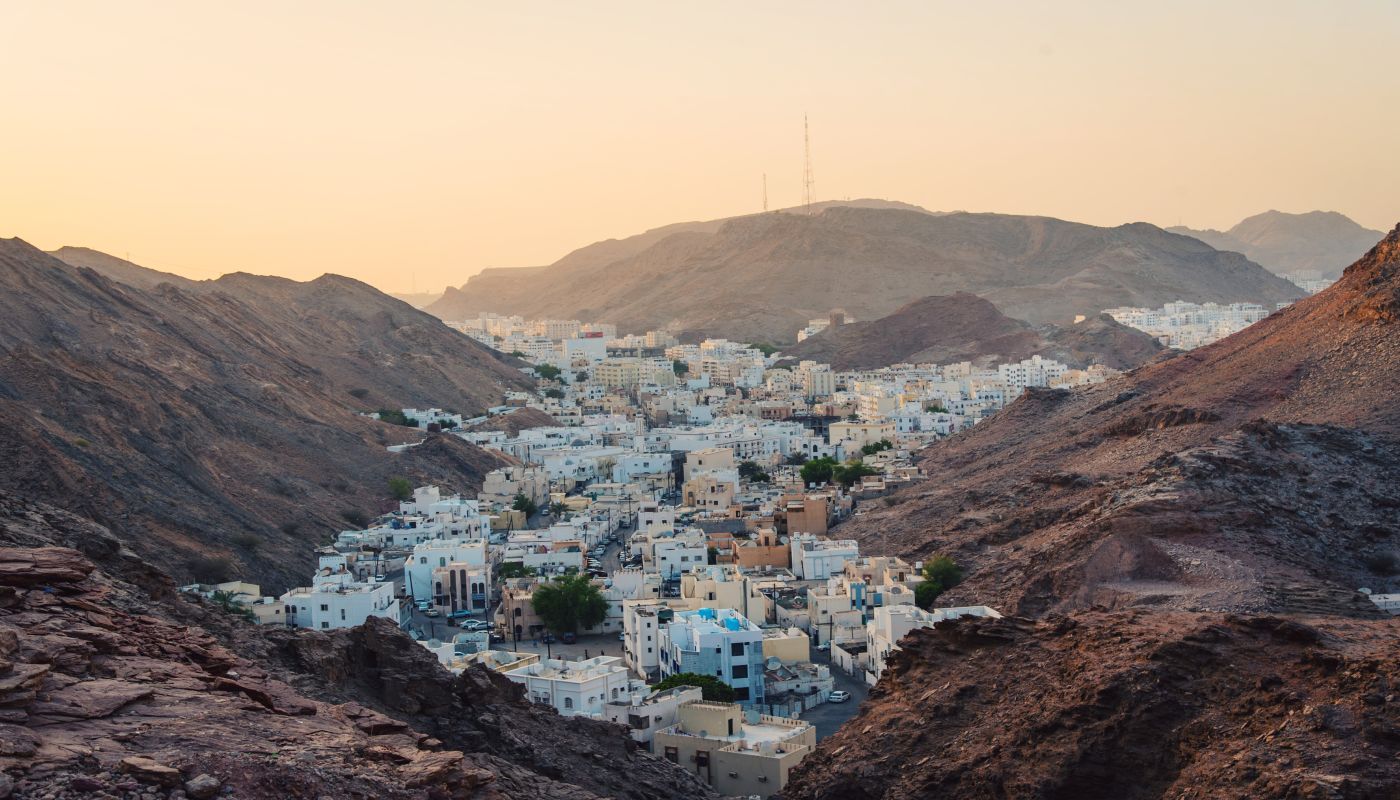
Landscape of Oman
Flag of Oman

Oman

Asia

Oman is a culturally rich and scenic country located in the Middle East, known for its stunning desert landscapes and historic architecture. With a population of over 5 million people, Oman is a developing country that has made progress in areas such as healthcare, education, and infrastructure. However, Oman faces challenges related to economic diversification, youth unemployment, and environmental degradation.

What would you like to learn about in Oman?

Select a section to explore the country where nonprofits are creating positive change.

About Oman

The inhabitants of the area of Oman have long prospered on Indian Ocean trade. In the late 18th century, a newly established sultanate in Muscat signed the first in a series of friendship treaties with Britain. Over time, Oman's dependence on British political and military advisors increased, but it never became a British colony. In 1970, QABOOS bin Said Al-Said overthrew his father, and he has since ruled as sultan. His extensive modernization program has opened the country to the outside world while preserving the longstanding close ties with the UK. Oman's moderate, independent foreign policy has sought to maintain good relations with all Middle Eastern countries. Inspired by the popular uprisings that swept the Middle East and North Africa beginning in January 2011, Omanis began staging marches and demonstrations to demand economic benefits, an end to corruption, and greater political rights. In response to protester demands, QABOOS in 2011 pledged to implement economic and political reforms, such as granting legislative and regulatory powers to the Majlis al-Shura and introducing unemployment benefits. In August 2012, the Sultan announced a royal directive mandating the speedy implementation of a national job creation plan for thousands of public and private sector jobs. As part of the government's efforts to decentralize authority and allow greater citizen participation in local governance, Oman successfully conducted its first municipal council elections in December 2012. Announced by the Sultan in 2011, the municipal councils will have the power to advise the Royal Court on the needs of local districts across Oman's 11 governorates.

Quick Facts

Population
3,154,134 (July 2013 est.)
Area
309,500 sq km
ISO Code
OM
Continent
Asia
Government
monarchy
Active Causes
12
View all countries in Asia

Geography & Environment

Climate

dry desert; hot, humid along coast; hot, dry interior; strong southwest summer monsoon (May to September) in far south

Terrain

central desert plain, rugged mountains in north and south

Natural Resources

petroleum, copper, asbestos, some marble, limestone, chromium, gypsum, natural gas

Environmental Issues

rising soil salinity; beach pollution from oil spills; limited natural freshwater resources

People & Society

74.72 years
Avg. Life Expectancy
86.9%
Literacy Rate
73.4% of total population (2011)
Total Urban Population

Languages

Arabic (official), English, Baluchi, Urdu, Indian dialects

Religions

Ibadhi Muslim (official) 75%, other (includes Sunni Muslim, Shia Muslim, Hindu) 25%

Health Expenditure

2.8% of GDP (2010) of GDP

Education Expenditure

4.3% of GDP (2009) of GDP

Economy

$29,600
GDP per Capita (PPP)
15%
Unemployment Rate
NA%
Below Poverty Line

Economic Overview

Oman is a middle-income economy that is heavily dependent on dwindling oil resources. Because of declining reserves and a rapidly growing labor force, Muscat has actively pursued a development plan that focuses on diversification, industrialization, and privatization, with the objective of reducing the oil sector's contribution to GDP to 9% by 2020 and creating more jobs to employ the rising numbers of Omanis entering the workforce. Tourism and gas-based industries are key components of the government's diversification strategy. However, increases in social welfare benefits, particularly since...

Causes in Oman

Environment

Oman, located on the southeastern coast of the Arabian Peninsula, is a country rich in natural beauty and biodiversity. The environment plays a crucial role in shaping the lives of its inhabitants, influencing economic activities, public health, and overall quality of life. However, Oman faces environmental challenges such as water scarcity, desertification, and air pollution due to rapid urbanization and industrialization. These factors not only affect the country's ecosystems but also pose risks to human health and well-being. With a growing population and expanding economy, it is imperative for Oman to prioritize sustainable practices and conservation efforts to preserve its environment for future generations.

Family

Family plays a significant role in the social fabric of Oman, influencing various aspects of individuals' lives within the country. In Omani society, family is considered the cornerstone of stability and support, with strong emphasis placed on loyalty, respect, and unity among family members. Extended families often live in close proximity, fostering strong intergenerational bonds and a sense of collective responsibility. Family gatherings and celebrations are integral to Omani culture, providing opportunities for strengthening familial ties and maintaining traditions. Moreover, familial relationships play a crucial role in decision-making processes, as consultations with family members are commonly sought before undertaking important life choices. The importance of family in Oman extends beyond the nuclear unit to encompass a wider network of relatives, contributing to a sense of belonging and community cohesion.

Human Rights

Oman, a country located on the southeastern coast of the Arabian Peninsula, is known for its rich cultural heritage and natural beauty. Despite making progress in various aspects, human rights issues continue to be a concern in Oman. The country has faced criticism for restrictions on freedom of expression, assembly, and association. Additionally, migrant workers in Oman often experience poor working conditions and limited legal protections, leading to instances of exploitation and abuse. The Omani government has taken some steps to address these issues, including the establishment of the National Human Rights Commission in 2008. However, more efforts are needed to ensure the protection and promotion of human rights for all individuals in Oman.

Education

Education plays a crucial role in the development and progress of Oman. The country has made significant strides in expanding its education system, with a focus on improving literacy rates and ensuring equal access to education for all citizens. Oman's government has invested heavily in building schools, colleges, and universities, and has implemented policies to enhance the quality of education across the country. As a result, Oman has seen a steady increase in the number of educated individuals entering the workforce, contributing to the nation's economic growth and development. Education has also played a key role in empowering women in Oman, enabling them to pursue higher education and career opportunities. By prioritizing education, Oman is laying a strong foundation for a prosperous future for its citizens.

Poverty

Poverty in Oman remains a significant challenge despite the country's overall economic development. The World Bank classifies Oman as a high-income country, yet poverty persists, particularly in rural areas and among marginalized populations. Factors contributing to poverty in Oman include unemployment, low wages, limited access to quality education and healthcare, and inadequate social support systems. The consequences of poverty are far-reaching and can be seen in issues such as malnutrition, inadequate housing, and limited opportunities for social mobility. Addressing poverty in Oman requires a multifaceted approach that includes improving access to education and healthcare, creating more job opportunities, and strengthening social safety nets. By raising awareness about the impact of poverty in Oman, we can work towards finding sustainable solutions to alleviate this pressing issue.

Religion

Religion plays a significant role in the Sultanate of Oman, shaping its cultural, social, and political landscape. Islam is the predominant religion in Oman, with over 85% of the population adhering to the Ibadi sect, known for its moderation and tolerance. The country's legal system is influenced by Islamic principles, with Sharia law serving as a primary source of legislation. Mosques are central to Omani society, serving as not only places of worship but also as community hubs for gatherings and events. The government of Oman actively promotes religious tolerance and harmony among its diverse population, which includes expatriates from various religious backgrounds. Despite the strong influence of Islam, Oman upholds a policy of religious freedom, allowing individuals to practice their faiths without discrimination. This commitment to religious diversity contributes to Oman's reputation as a peaceful and inclusive nation in the region.

Clean Water

Oman, a nation located in the Arabian Peninsula, faces significant challenges in ensuring clean water access for its population. Limited freshwater resources and increasing water demand due to rapid urbanization and industrial growth have put a strain on the country's water supply. The lack of proper infrastructure for water treatment and distribution exacerbates the issue, leading to water scarcity and quality concerns. As a result, many Omanis, especially those living in rural areas, struggle to access safe and clean water for their daily needs, leading to health risks and economic hardships. Addressing these challenges requires sustainable water management practices, investment in infrastructure development, and public awareness campaigns to promote water conservation and efficiency. By prioritizing clean water initiatives, Oman can improve the well-being of its people and ensure a sustainable future for generations to come.

Economy

Oman, a Middle Eastern country located on the southeastern coast of the Arabian Peninsula, has a diverse economy heavily reliant on oil production and exports. The country's economy has faced challenges due to fluctuations in global oil prices, leading to significant impacts on its economic stability. In recent years, Oman has recognized the need to diversify its economy to reduce its dependence on oil revenues and stimulate growth in non-oil sectors such as tourism, manufacturing, and logistics. The government has implemented various initiatives and reforms to attract foreign investment, enhance infrastructure, and promote economic diversification. Despite these efforts, the economy of Oman remains vulnerable to external factors, making it imperative for the country to continue its diversification efforts to ensure long-term sustainability and resilience.

Government

Oman, a country located on the southeastern coast of the Arabian Peninsula, has a government system that significantly influences its citizens' lives. The Sultanate of Oman is an absolute monarchy, where the Sultan holds both political and religious authority. The government plays a crucial role in shaping various aspects of Omani society, including economy, education, healthcare, and infrastructure development. Policies and decisions made by the government impact the quality of life for Omani citizens and shape the country's future direction. It is essential for individuals to understand how their government functions and how its actions can affect them to actively participate in their nation's development.

Health

Oman, a country located on the southeastern coast of the Arabian Peninsula, faces several health challenges that significantly impact its population. Non-communicable diseases such as diabetes, cardiovascular diseases, and obesity are on the rise in Oman, posing a significant threat to public health. Factors contributing to these health issues include sedentary lifestyles, unhealthy dietary habits, and limited access to healthcare services in rural areas. Additionally, the prevalence of genetic disorders among the Omani population is relatively high, further straining the healthcare system. Addressing these health issues requires a comprehensive approach that includes promoting healthy lifestyles, improving healthcare infrastructure, and increasing awareness about preventative measures. By focusing on preventive healthcare measures and investing in healthcare infrastructure, Oman can work towards improving the overall health and well-being of its citizens.

Children

In Oman, children face various challenges that impact their well-being and development. Issues such as poverty, limited access to education, child labor, and inadequate healthcare services pose significant obstacles to their growth and future prospects. Poverty remains a key factor affecting children in Oman, with approximately 12% of the population living below the poverty line. This can lead to malnutrition, lack of proper healthcare, and limited educational opportunities for children, perpetuating a cycle of disadvantage. Additionally, child labor is prevalent in certain sectors such as agriculture and domestic work, depriving children of their right to education and putting them at risk of exploitation and harm. Addressing these challenges requires concerted efforts from the government, civil society organizations, and the international community to ensure that every child in Oman has access to quality education, healthcare, and a safe environment in which to thrive.

Animals

Oman, situated on the southeastern coast of the Arabian Peninsula, boasts a rich diversity of animal species that play a vital role in the country's ecosystem. The Arabian oryx, for instance, holds significant cultural importance in Oman and is a symbol of national pride. However, like many other regions across the globe, animals in Oman face various threats such as habitat loss, poaching, and climate change. These factors have led to a decline in populations of several species, including the Arabian leopard and green sea turtle. Conservation efforts in Oman are crucial to protect these vulnerable animals and ensure the preservation of the country's biodiversity for future generations.

Nonprofits Working in Oman

Discover organizations making a difference in Oman

Make Your Impact Today

Discover causes you care about and support the nonprofits making a difference in communities around the world.

Are you a nonprofit? Join Project World Impact for free

Join Us Free