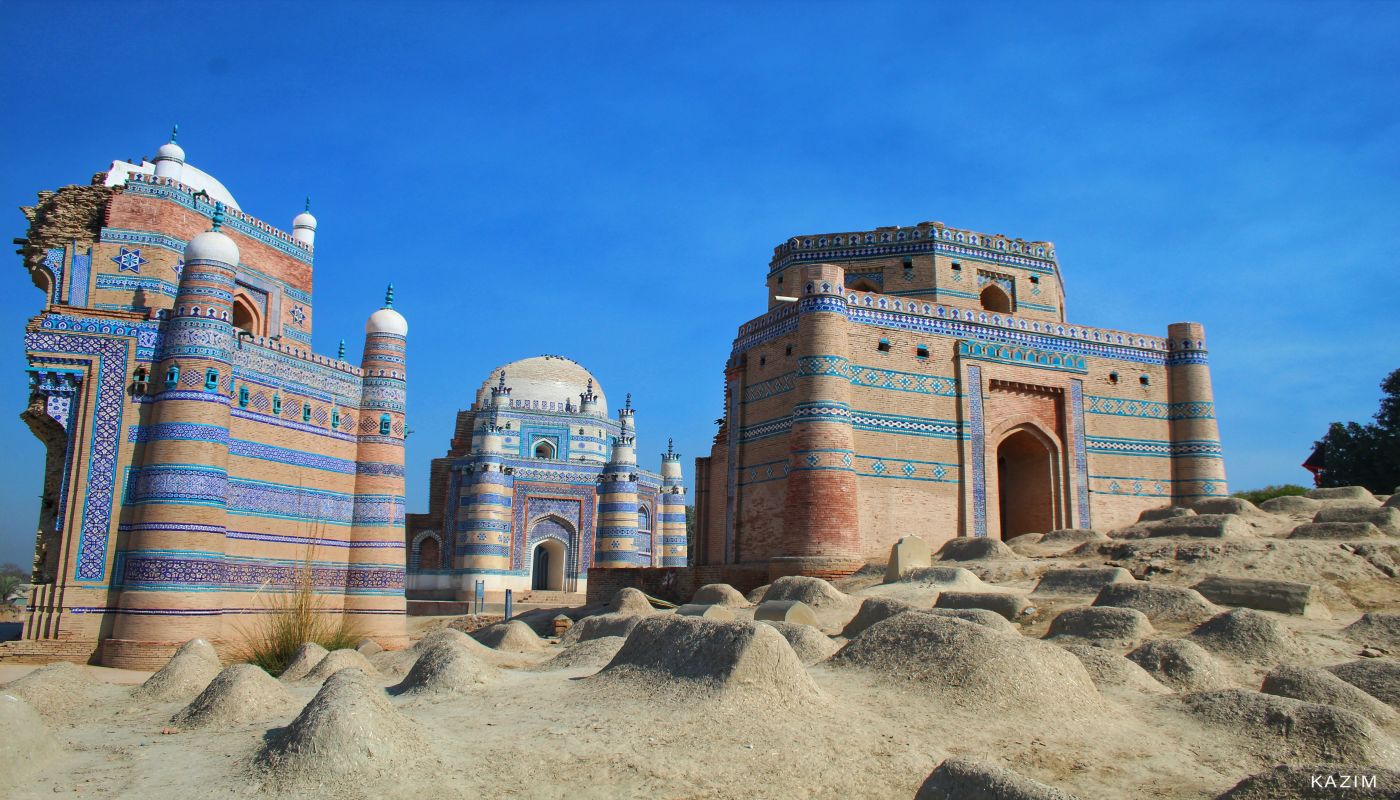

Landscape of Pakistan
Flag of Pakistan

Pakistan

Asia

Pakistan is located in South Asia, known for its breath-taking landscapes and rich history. With a population of over 220 million people, Pakistan is a developing country that faces numerous challenges, including poverty, political instability, and terrorism. The country's economy is based on agriculture, manufacturing, and services, but it is heavily reliant on foreign aid. Pakistan also faces significant environmental challenges, including water scarcity and air pollution.

What would you like to learn about in Pakistan?

Select a section to explore the country where nonprofits are creating positive change.

About Pakistan

The Indus Valley civilization, one of the oldest in the world and dating back at least 5,000 years, spread over much of what is presently Pakistan. During the second millennium B.C., remnants of this culture fused with the migrating Indo-Aryan peoples. The area underwent successive invasions in subsequent centuries from the Persians, Greeks, Scythians, Arabs (who brought Islam), Afghans, and Turks. The Mughal Empire flourished in the 16th and 17th centuries; the British came to dominate the region in the 18th century. The separation in 1947 of British India into the Muslim state of Pakistan (with West and East sections) and largely Hindu India was never satisfactorily resolved, and India and Pakistan fought two wars - in 1947-48 and 1965 - over the disputed Kashmir territory. A third war between these countries in 1971 - in which India capitalized on Islamabad's marginalization of Bengalis in Pakistani politics - resulted in East Pakistan becoming the separate nation of Bangladesh. In response to Indian nuclear weapons testing, Pakistan conducted its own tests in 1998. India-Pakistan relations have been rocky since the November 2008 Mumbai attacks, but both countries are taking small steps to put relations back on track. In February 2008, Pakistan held parliamentary elections and in September 2008, after the resignation of former President MUSHARRAF, elected Asif Ali ZARDARI to the presidency. Pakistani government and military leaders are struggling to control domestic insurgents, many of whom are located in the tribal areas adjacent to the border with Afghanistan. In January 2012, Pakistan assumed a nonpermanent seat on the UN Security Council for the 2012-13 term.

Quick Facts

Population
193,238,868 (July 2013 est.)
Area
796,095 sq km
ISO Code
PK
Continent
Asia
Government
federal republic
Active Causes
12
View all countries in Asia

Geography & Environment

Climate

mostly hot, dry desert; temperate in northwest; arctic in north

Terrain

flat Indus plain in east; mountains in north and northwest; Balochistan plateau in west

Natural Resources

land, extensive natural gas reserves, limited petroleum, poor quality coal, iron ore, copper, salt, limestone

Environmental Issues

water pollution from raw sewage, industrial wastes, and agricultural runoff; limited natural freshwater resources; most of the population does not have access to potable water; deforestation; soil ero...

People & Society

66.71 years
Avg. Life Expectancy
54.9%
Literacy Rate
36.2% of total population (2011)
Total Urban Population

Languages

Punjabi 48%, Sindhi 12%, Saraiki (a Punjabi variant) 10%, Pashtu 8%, Urdu (official) 8%, Balochi 3%, Hindko 2%, Brahui 1%, English (official; lingua f...

Religions

Muslim (official) 96.4% (Sunni 85-90%, Shia 10-15%), other (includes Christian and Hindu) 3.6% (2010 est.)

Health Expenditure

2.2% of GDP (2010) of GDP

Education Expenditure

2.4% of GDP (2010) of GDP

Economy

$2,900
GDP per Capita (PPP)
6.2%
Unemployment Rate
22.3% (FY05/06 est.)
Below Poverty Line

Economic Overview

Decades of internal political disputes and low levels of foreign investment have led to slow growth and underdevelopment in Pakistan. Agriculture accounts for more than one-fifth of output and two-fifths of employment. Textiles account for most of Pakistan's export earnings, and Pakistan's failure to expand a viable export base for other manufactures has left the country vulnerable to shifts in world demand. Official unemployment is under 6%, but this fails to capture the true picture, because much of the economy is informal and underemployment remains high. Over the past few years, low growth...

Causes in Pakistan

Environment

Pakistan, a country known for its diverse landscapes ranging from mountains to deserts, faces significant environmental challenges that impact its population and economy. The effects of climate change, deforestation, water scarcity, and air pollution are particularly pronounced in Pakistan. The melting glaciers in the Himalayas lead to increased instances of flooding and water shortages, affecting agriculture and livelihoods. Deforestation contributes to soil erosion, loss of biodiversity, and exacerbates the impact of natural disasters. Water scarcity is a pressing issue, with many regions facing acute shortages which pose a threat to food security and public health. Furthermore, air pollution in major cities like Lahore and Karachi has reached alarming levels, leading to respiratory problems and other health issues among the population. Addressing these environmental issues is crucial for the sustainable development and well-being of the people of Pakistan.

Family

In Pakistan, family plays a central role in shaping individuals' lives and the society at large. The concept of family is deeply ingrained in the cultural and social fabric of the country, with strong emphasis placed on familial ties, respect for elders, and collective decision-making within households. Families in Pakistan typically consist of extended relatives living together in close-knit communities, with an emphasis on mutual support and solidarity. This tight-knit structure often serves as a source of emotional, financial, and social stability for individuals, particularly in times of need or crisis. However, it is important to acknowledge that certain traditional practices within families in Pakistan, such as gender roles and expectations, can also perpetuate inequality and restrict individual freedoms. As Pakistan continues to progress and evolve, addressing these complexities within family dynamics will be crucial in promoting gender equality, social justice, and overall well-being for its citizens.

Human Rights

Pakistan, a country in South Asia, faces significant challenges in upholding human rights. Despite efforts to improve the situation, issues such as gender inequality, religious persecution, child labor, and limited access to education and healthcare persist. Human rights violations in Pakistan are often linked to cultural norms, weak governance, and lack of accountability mechanisms. The government has taken steps to address these issues, but more needs to be done to ensure the protection and promotion of human rights for all individuals in the country.

Education

Pakistan faces significant challenges in its education system, with approximately 22.8 million children out of school, according to UNICEF. The lack of access to quality education perpetuates a cycle of poverty and inequality in the country. Factors such as poverty, gender disparities, and inadequate infrastructure contribute to the low enrollment rates and high dropout rates. Education is crucial for Pakistan's development as it not only empowers individuals but also drives economic growth and social progress. Improving the education system in Pakistan requires targeted efforts to address these systemic issues and ensure that all children, particularly girls and those from marginalized communities, have equal opportunities to receive a quality education.

Poverty

Pakistan, a country in South Asia, is grappling with the severe issue of poverty that significantly impacts its population. According to the World Bank, around 24.3% of Pakistanis live below the poverty line, struggling to meet their basic needs such as food, shelter, and healthcare. Poverty in Pakistan is multidimensional, with factors such as lack of education, high unemployment rates, political instability, and regional disparities exacerbating the situation. The consequences of poverty in Pakistan are far-reaching, leading to malnutrition, poor living conditions, limited access to clean water and sanitation, and inadequate healthcare services. Additionally, poverty in Pakistan has been linked to social issues such as child labor, gender inequality, and a lack of social mobility. Addressing poverty in Pakistan requires comprehensive strategies focusing on economic development, education, healthcare, and social welfare programs to uplift the marginalized populations and create a more equitable society.

Religion

Religion holds significant importance in Pakistan, a country where Islam serves as the dominant religion and plays a crucial role in shaping societal norms, cultural practices, and political discourse. The majority of Pakistan's population identifies as Muslim, with Islam being deeply intertwined with the country's history and identity. Religious beliefs influence various aspects of daily life, from family structures to legal systems. However, the fusion of religion and politics has also led to challenges such as sectarian violence and discrimination against religious minorities. The influence of religion in Pakistan underscores the need for promoting interfaith harmony, tolerance, and respect for diversity to foster a more inclusive society.

Clean Water

Clean water is a crucial issue in Pakistan, a country facing significant challenges in access to safe drinking water. With a population of over 220 million people, Pakistan struggles with widespread water contamination due to poor sanitation facilities, industrial pollution, and agricultural runoff. This has led to a high prevalence of waterborne diseases such as diarrheal illnesses, typhoid, and cholera, particularly affecting vulnerable populations such as children and the elderly. The lack of clean water not only impacts public health but also hinders economic development and perpetuates poverty in the region. Addressing the issue of clean water in Pakistan requires comprehensive strategies focusing on improving infrastructure, promoting hygiene practices, and ensuring sustainable water management practices. By raising awareness and implementing effective solutions, Pakistan can work towards providing its citizens with access to safe and clean water for a healthier and more prosperous future.

Economy

Pakistan, a country in South Asia, faces numerous challenges as it strives for economic stability and growth. The economy of Pakistan plays a critical role in shaping the country's overall development and well-being. With a population exceeding 220 million people, Pakistan's economy is largely dependent on agriculture, industry, and services. However, factors such as political instability, corruption, inadequate infrastructure, and security concerns have hindered its economic progress. The impact of these challenges is evident in high poverty rates, unemployment, and income inequality, which further exacerbate social issues such as lack of access to education and healthcare. Addressing these economic challenges is crucial for Pakistan to improve the quality of life for its citizens and promote sustainable development.

Government

Pakistan is a country located in South Asia, with a population of over 220 million people. The government of Pakistan plays a critical role in shaping the country's socio-economic landscape. The impact of the government can be seen in various aspects, including policy formulation, resource allocation, infrastructure development, and social welfare programs. The government's effectiveness in addressing key issues such as poverty, education, healthcare, and security significantly influences the well-being of its citizens. Challenges such as political instability, corruption, and lack of transparency have hindered the government's ability to effectively serve its people. However, recent efforts to improve governance and strengthen institutions are showing promising results. By understanding the role of the government in Pakistan and advocating for good governance practices, we can contribute to positive change and sustainable development in the country.

Health

In Pakistan, health is a critical issue that significantly impacts the population and overall development of the country. The nation faces various health challenges, such as high infant mortality rates, inadequate access to healthcare services in rural areas, and prevalent malnutrition among children. Lack of clean drinking water and poor sanitation also contribute to the spread of diseases like hepatitis, malaria, and tuberculosis. Furthermore, Pakistan struggles with a shortage of healthcare professionals and insufficient funding for healthcare infrastructure. These factors combined create a complex web of health issues that affect the well-being of millions of Pakistanis. Addressing these challenges requires a multi-faceted approach involving government intervention, community participation, and international collaboration to improve healthcare access and quality in the country.

Children

In Pakistan, children face numerous challenges that significantly impact their well-being and development. A significant issue affecting children in Pakistan is the lack of access to quality education. According to UNICEF, around 22.8 million children in Pakistan are out of school, depriving them of essential knowledge and skills for their future. Additionally, child labor remains prevalent in many parts of the country, with an estimated 12.5 million children engaged in various forms of labor, often in hazardous conditions that jeopardize their health and safety. Child marriage is another critical concern, with approximately 21% of girls in Pakistan being married before the age of 18, denying them the opportunity for education and exposing them to increased health risks. These challenges underscore the urgent need for concerted efforts to protect and support the rights of children in Pakistan, ensuring they have access to education, healthcare, and a safe environment to thrive.

Animals

Pakistan, a country rich in biodiversity, is home to a wide array of animals that play a crucial role in its ecosystem. Animals in Pakistan face various challenges, including habitat destruction, poaching, and climate change. The impact of these issues is significant, leading to a decline in wildlife populations and disrupting the delicate balance of the environment. Furthermore, animals in Pakistan face threats from human-wildlife conflict due to encroachment on their habitats for agricultural or developmental purposes. It is essential for conservation efforts to be strengthened to protect the diverse wildlife of Pakistan and ensure their survival for future generations.

Nonprofits Working in Pakistan

Discover organizations making a difference in Pakistan

Khpal Kore Organization

Khpal Kore Organization

Khpal Kore Organization (KKO) is a public interest organization working for education, health, agriculture, forestry and human right. Khpal Kore Organization was established after the flood 2010. It was formed as a registered Organization in 2014 under the societies act xxi of 1860 to address the issue of education, health, environment, poverty, inequality, rural development and human rights, especially women and child rights violation. The Organization was formed by concerned young educated citizen and activist from professional association political workers, women and child association and social workers of community. Who felt the intense need to establish an Organization for raising awareness throw education and research provide justice in the social institutions to develop the rural area of the district Mardan and enable them to work collectively and seek solutions to the problems they face. The organization believes on hardworking and provide true service to the community and bring a real change.

Mardan, North-west Frontier
Rising International

Rising International

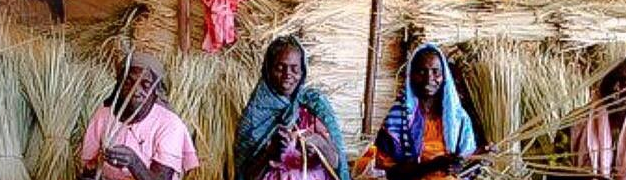
Our Unique Local-Global Solution Rising International is a nonprofit organization that has revolutionized the home party business model to alleviate poverty locally and globally. Think Avon or Tupperware for a social cause. We find the world’s most forgotten women (like Fatima) and enable them to change their destinies by selling their handmade crafts at Rising Home and Corporate Parties. We train women and teens, many un-employed or under- employed, (like Susana) to run their own Rising Home Party businesses and sell crafts made by their global sisters. We search the U.S. for party hosts (like Nancy) who invite friends to their homes to shop. Our sustainable model empowers both local and global entrepreneurs to rise above their circumstances.

Santa Cruz, California
GUTTMACHER INSTITUTE INC

GUTTMACHER INSTITUTE INC

Now in its fifth decade, the Guttmacher Institute remains committed to the mission and goals that led to its creation. The Guttmacher Institute was founded in 1968 as the Center for Family Planning Program Development. At the time, Presidents John F. Kennedy, Lyndon Johnson and Richard Nixon had begun to call the public's attention to the problem of unplanned and unwanted childbearing and its consequences for individual women and men, their children and their communities both at home and abroad. Concurrently, the United States Congress was taking its first steps toward the development of an international population assistance program, as well as a multifaceted, national program aimed at providing equitable access to modern methods of birth control in the United States. By integrating nonpartisan social science research, policy analysis and public education, the Center hoped to provide a factual basis for the development of sound governmental policies and for public consideration of the sensitive issues involved in the promotion of reproductive health and rights. This purpose and commitment continue today. The Center was originally housed within the corporate structure of Planned Parenthood Federation of America (PPFA). Its program, however, was independently developed and overseen by a National Advisory Council separate from the PPFA Board of Directors. Its early development was nurtured by Alan F. Guttmacher, an eminent obstetrician-gynecologist, teacher and writer who was PPFA's president for more than a decade until his death in 1974. The Center was renamed in Dr. Guttmacher's memory, and the Guttmacher Institute incorporated as an entirely independent nonprofit policy research institute with its own Board in 1977. The Guttmacher Institute maintains offices in New York and Washington. Its current staff of 81 comprises demographers, social scientists, public policy analysts, editors, writers, communications specialists, and financial and technical personnel. A few of its employees have been with the organization for most of its existence, and an affiliation that goes back 10 or 15 years is not unusual. The Institute's work is guided by a 39-member board made up of eminent professionals from a rich variety of disciplines, as well as civic leaders from across the United States and around the world. The Guttmacher Institute's annual budget of approximately $17 million is derived largely from private foundations, government agencies, multilateral organizations and individual contributions.

New York, New York

Make Your Impact Today

Discover causes you care about and support the nonprofits making a difference in communities around the world.

Are you a nonprofit? Join Project World Impact for free

Join Us Free