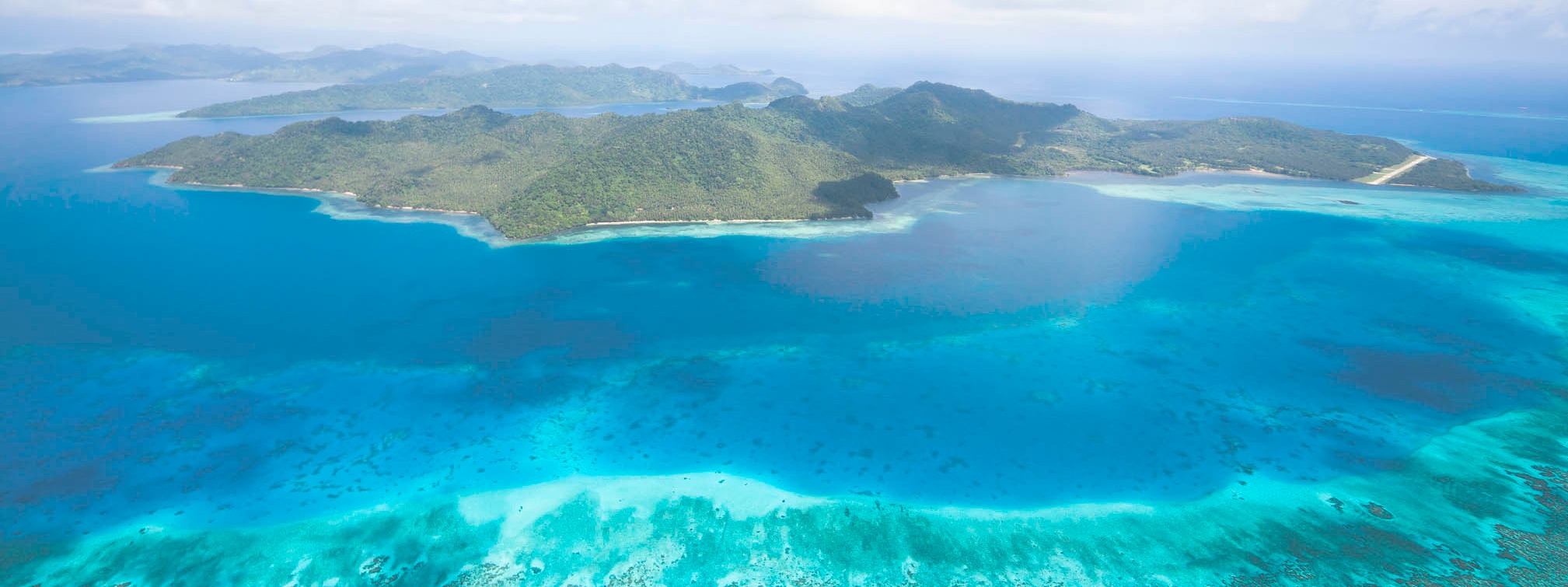
Landscape of Palau
Flag of Palau

Palau

Australia/Oceania

Palau is a small island nation located in the Western Pacific Ocean, known for its stunning natural beauty and rich cultural heritage. With a population of around 20,000 people, Palau is heavily dependent on tourism and fishing, but it also faces challenges related to economic development and climate change. Palau has been working to promote sustainable development and protect its natural resources, while also investing in infrastructure and education.

What would you like to learn about in Palau?

Select a section to explore the country where nonprofits are creating positive change.

About Palau

After three decades as part of the UN Trust Territory of the Pacific under US administration, this westernmost cluster of the Caroline Islands opted for independence in 1978 rather than join the Federated States of Micronesia. A Compact of Free Association with the US was approved in 1986 but not ratified until 1993. It entered into force the following year when the islands gained independence.

Quick Facts

Population
21,108 (July 2013 est.)
Area
459 sq km
ISO Code
PW
Continent
Australia/Oceania
Government
constitutional government in free association with the US; the Compact of Free Association entered into force on 1 October 1994
Active Causes
12
View all countries in Australia/Oceania

Geography & Environment

Climate

tropical; hot and humid; wet season May to November

Terrain

varying geologically from the high, mountainous main island of Babelthuap to low, coral islands usually fringed by large barrier reefs

Natural Resources

forests, minerals (especially gold), marine products, deep-seabed minerals

Environmental Issues

inadequate facilities for disposal of solid waste; threats to the marine ecosystem from sand and coral dredging, illegal fishing practices, and overfishing

People & Society

72.33 years
Avg. Life Expectancy
92%
Literacy Rate
83% of total population (2010)
Total Urban Population

Languages

Palauan (official on most islands) 64.7%, Filipino 13.5%, English (official) 9.4%, Chinese 5.7%, Carolinian 1.5%, Japanese 1.5%, other Asian 2.3%, oth...

Religions

Roman Catholic 41.6%, Protestant 23.3%, Modekngei 8.8% (indigenous to Palau), Seventh-Day Adventist 5.3%, Jehovah's Witnesses 0.9%, Mormon 0.6%, other...

Health Expenditure

10.3% of GDP (2010) of GDP

Education Expenditure

10.3% of GDP (2002) of GDP

Economy

$10,500
GDP per Capita (PPP)
4.2%
Unemployment Rate
NA%
Below Poverty Line

Economic Overview

The economy consists of tourism and other services such as trade, subsistence agriculture, and fishing. Government is a major employer of the work force relying on financial assistance from the US under the Compact of Free Association (Compact) with the US. The Compact took effect, after the end of the UN trusteeship on 1 October 1994. The US provided Palau with roughly $700 million in aid for the first 15 years following commencement of the Compact in 1994 in return for unrestricted access to its land and waterways for strategic purposes. Business and leisure tourist arrivals numbered over 10...

Causes in Palau

Environment

Palau, an archipelago located in the western Pacific Ocean, is renowned for its stunning natural beauty and diverse marine life. The environment plays a crucial role in the daily lives of the people of Palau, as the country heavily relies on its pristine ecosystems for tourism, fishing, and cultural practices. However, this fragile environment is increasingly under threat from climate change, overfishing, and pollution. Rising sea levels and extreme weather events endanger coastal communities, while unsustainable fishing practices deplete fish stocks and damage coral reefs. Pollution from plastic waste and chemicals further deteriorates the marine environment, impacting both biodiversity and human health. To safeguard Palau's unique environment for future generations, concerted efforts must be made to address these pressing environmental challenges.

Family

In Palau, a small island nation located in the western Pacific Ocean, family plays a pivotal role in shaping the social fabric and cultural identity of its people. The concept of family in Palau extends beyond immediate relatives to encompass the entire clan or extended family network, known as "oluches." Family serves as the foundation of support, providing emotional, financial, and social assistance to its members. Moreover, familial ties are deeply rooted in traditional values and customs, influencing decision-making processes, community dynamics, and the preservation of cultural heritage. In Palauan society, respect for elders and strong intergenerational bonds are paramount, reinforcing the importance of family cohesion and unity in everyday life.

Human Rights

Palau, a small island nation located in the western Pacific Ocean, faces various human rights challenges that impact its population. One significant issue is the protection of indigenous rights, as Palau is home to a unique culture and way of life that must be safeguarded. Additionally, gender equality remains an area of concern, with efforts being made to ensure equal opportunities and treatment for all individuals. Furthermore, environmental rights are crucial for Palau, given its vulnerability to climate change and rising sea levels. Preserving the environment is not only essential for the country's sustainability but also for the well-being of its people. By addressing these human rights issues, Palau can strive towards a more equitable and sustainable future for all its citizens.

Education

Palau, an island country in the western Pacific Ocean, faces various challenges in its education sector that significantly impact its society and economy. The limited access to quality education, lack of resources, and inadequate infrastructure are some of the key factors hindering educational development in Palau. These challenges lead to a high dropout rate, low literacy levels, and limited skills among the workforce, thus affecting the country's overall productivity and competitiveness in the global market. Moreover, the vulnerability of Palau to climate change further exacerbates existing educational disparities, as natural disasters disrupt learning environments and hinder educational progress. Addressing these issues through targeted policies and investments in education is crucial for Palau to build a skilled workforce, foster economic growth, and ensure sustainable development for its future generations.

Poverty

Palau, a small island nation located in the western Pacific Ocean, faces significant challenges stemming from poverty. Despite being a popular tourist destination known for its pristine beaches and vibrant marine life, Palau grapples with high living costs, limited employment opportunities, and inadequate infrastructure. The impacts of poverty in Palau are far-reaching, affecting access to healthcare, education, and basic amenities for its residents. According to the Asian Development Bank, around 25% of Palau's population lives below the poverty line, struggling to meet their daily needs. Addressing poverty in Palau requires comprehensive strategies that encompass economic development, social welfare programs, and sustainable resource management to ensure a better quality of life for all its inhabitants.

Religion

Religion plays a significant role in the lives of the people of Palau, an archipelago nation located in the western Pacific Ocean. The predominant religion in Palau is Christianity, with a large majority of the population adhering to either Roman Catholicism or Protestantism. Religion in Palau is deeply intertwined with the cultural fabric of the society, influencing various aspects of daily life, including social customs, family structures, and community events. Churches serve as central hubs for social gatherings and community activities, fostering a sense of unity and belonging among the people. Additionally, religious beliefs play a pivotal role in shaping moral values and ethical principles that guide individual behavior and decision-making. Overall, religion serves as a unifying force that strengthens the social cohesion and identity of the people of Palau.

Clean Water

Palau, a small island nation located in the western Pacific Ocean, faces significant challenges related to clean water access and quality. With a population of approximately 21,000 people spread across 340 islands, Palau's limited freshwater resources are under immense pressure due to climate change, tourism development, and pollution. The reliance on rainwater harvesting as the primary source of drinking water makes Palau particularly vulnerable to droughts and water scarcity. Additionally, inadequate sanitation infrastructure and poor waste management practices contribute to contamination of water sources, posing serious health risks to the local population. Access to clean water is essential for sustaining life, promoting public health, and supporting economic development in Palau. Addressing water pollution and ensuring equitable access to safe drinking water are critical priorities for the government and stakeholders in Palau to secure a sustainable future for the nation.

Economy

Palau, a small island country located in the western Pacific Ocean, faces economic challenges largely due to its limited natural resources and geographic isolation. With a population of around 21,000 people, Palau heavily relies on tourism as its primary source of revenue. The country's economy is highly vulnerable to external factors such as global economic downturns and natural disasters. High dependency on foreign aid and remittances also pose significant risks to Palau's economic stability. The impact of climate change further exacerbates these challenges, as rising sea levels threaten the country's infrastructure and coastal areas, affecting tourism and fishing industries. Developing sustainable economic strategies and diversifying revenue sources are crucial for Palau to build resilience against external shocks and ensure long-term prosperity.

Government

Palau, an island country located in the western Pacific Ocean, faces a myriad of challenges that are significantly influenced by its government's policies and decisions. The Palauan government plays a crucial role in managing natural resources, protecting marine ecosystems, and promoting sustainable development in the face of climate change. Due to its small size and limited resources, Palau is particularly vulnerable to environmental threats such as rising sea levels and coral bleaching. The government's efforts to combat these challenges include implementing marine protected areas, promoting eco-tourism, and advocating for global climate action. Additionally, the government's focus on education and healthcare has improved the well-being of its citizens. However, issues such as overfishing, waste management, and economic sustainability remain pressing concerns that require continuous attention and collaboration between the government and other stakeholders.

Health

Palau, a small island nation in the western Pacific Ocean, faces significant health challenges that impact its population. One of the major health concerns in Palau is the high prevalence of non-communicable diseases (NCDs) such as diabetes, cardiovascular diseases, and cancer. Factors contributing to the high rates of NCDs in Palau include poor diet, lack of physical activity, tobacco use, and limited access to healthcare services. Additionally, Palau's geographic isolation and vulnerability to climate change pose further health risks to its population. Addressing these health challenges requires a multi-faceted approach that includes promoting healthy lifestyles, improving healthcare infrastructure, and strengthening public health initiatives in the country.

Children

Palau, a small island nation in the western Pacific Ocean, faces unique challenges in ensuring the well-being of its children. Despite its stunning natural beauty and rich cultural heritage, Palau struggles with issues such as poverty, limited access to quality healthcare and education, and the impacts of climate change. Children in Palau often bear the brunt of these challenges, facing higher rates of malnutrition, limited educational opportunities, and increased vulnerability to natural disasters. Moreover, the traditional values and customs of Palauan society may sometimes clash with modern ideas about child rights and welfare.

Animals

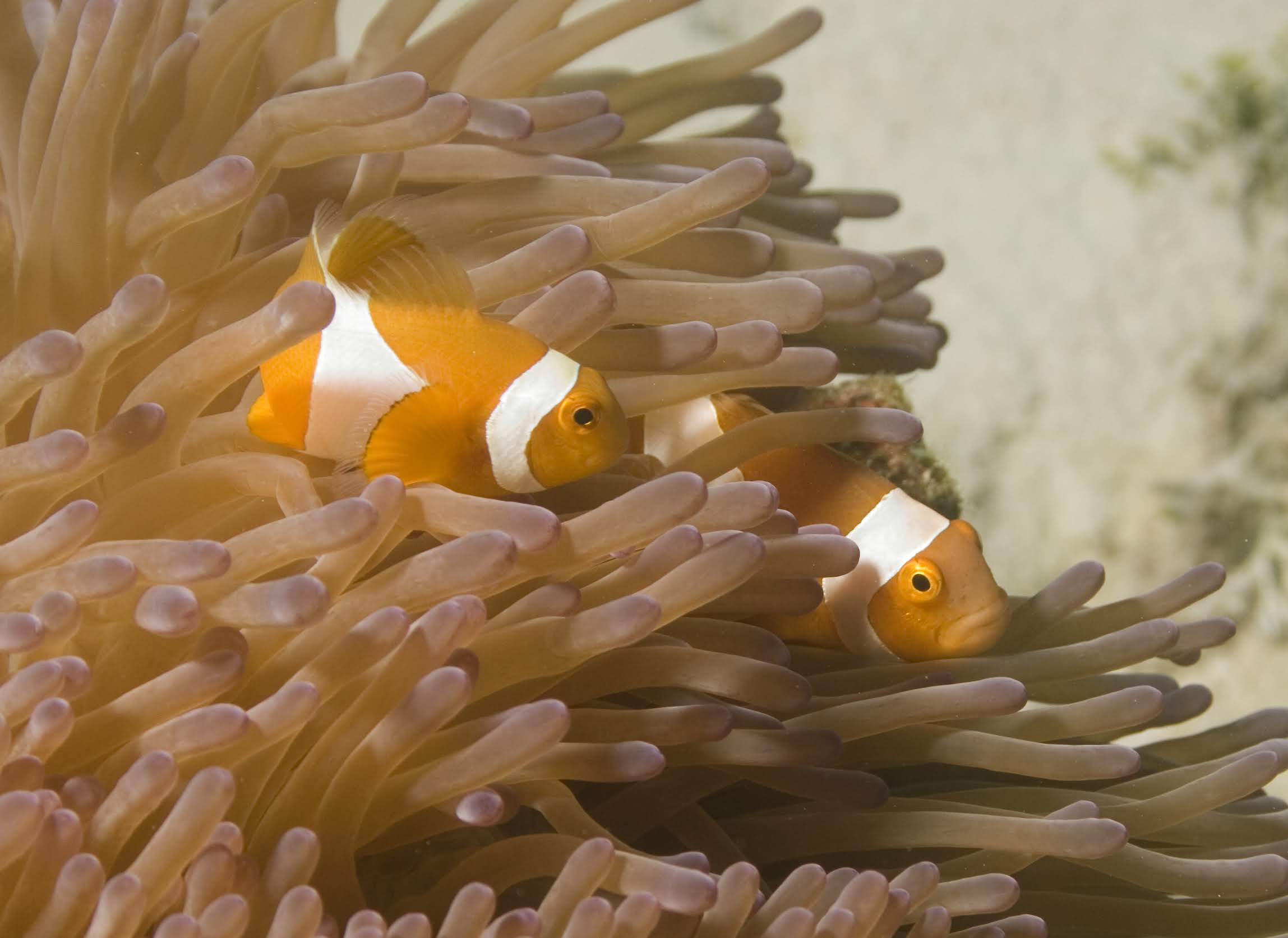
Located in the western Pacific Ocean, Palau is a tropical paradise renowned for its rich biodiversity both on land and in its surrounding waters. Animals play a vital role in the ecosystem of Palau, where marine life flourishes in its pristine coral reefs. The diverse marine species, including sharks, manta rays, and sea turtles, are not only essential to the local culture but also contribute significantly to the economy through tourism. However, these animals face numerous threats such as overfishing, pollution, and climate change, jeopardizing their populations and the delicate balance of the ecosystem. Conservation efforts are crucial to protecting Palau's unique wildlife and preserving its natural heritage for future generations.

Nonprofits Working in Palau

Discover organizations making a difference in Palau

OneReef Worldwide Stewardship

OneReef Worldwide Stewardship

OneReef's Vision is to create vibrant reefs and thriving communities. OneReef's Mission is to partner with island communities to combine traditional stewardship and modern resources to protect at least 25% of coral reefs across Micronesia. Less than 5% of the billions of dollars spent annually on the environment is made available directly to locals who manage ecosystems. We work to fill this unmet need - we partner directly with island communities to protect reefs and recover fisheries. Our mission is based on the insight that island communities are more effective environmental stewards when their traditional knowledge and practices are combined with the right scientific, financial, and technical partnerships and resources. It ensures that practical and cost-effective solutions emerge. OneReef's Community Partnership Model is a proven way to accomplish long-term conservation success: - Through equitable agreements, traditional knowledge is combined with the right partnerships and resources, and economic benefits are directly linked to conservation - Agreements include the community's 20-year vision, shared commitments and expected outcomes, a spatial management plan, impact monitoring plan, and more. - This results in innovative, practical and cost-effective solutions to enforce managed fishing zones, measure impact, and build social cohesion around conservation that endures. Why the OneReef Community Partnership model has proven to be effective: 1. The right people in the right places Our island community partners have a strong "eco-identity" and take responsibility for their environment. They want their reefs to thrive in the face of over-fishing and climate change. 2. The right tools and resources Our island community partners need financial, scientific, and technical resources to protect their reefs. OneReef mentors community members: (1) Training, tools, infrastructure to increase agency (2) Support for management plans (3) Science-based impact measures (4) Long-term, leveraged financing 3. The right partnerships We align private and public funds, technology, and science. Working hand-in-hand, OneReef, island communities, elected leaders, funders, and technical and scientific partners combine modern resources with traditional stewardship. Joint problem-solving and meaningful engagement create enduring value.

Santa Cruz, California
Make Your Impact Today

Discover causes you care about and support the nonprofits making a difference in communities around the world.

Are you a nonprofit? Join Project World Impact for free

Join Us Free