Palestine
Asia
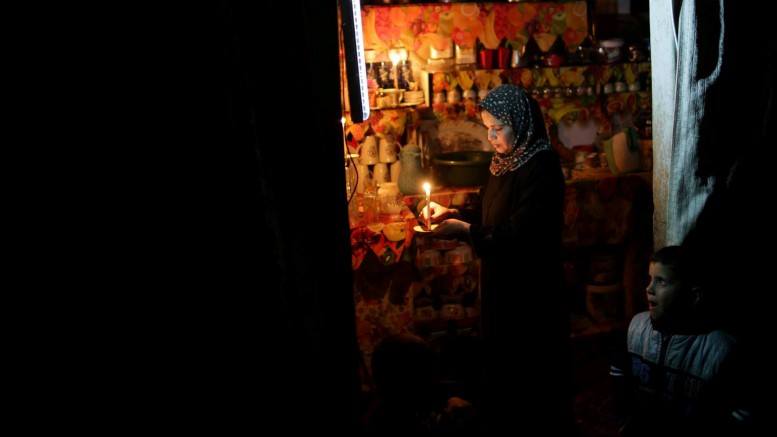
Palestine is a region in the Middle East with a rich history and culture, and a population of over 5 million people. Despite ongoing political conflict and humanitarian issues, Palestine has made significant strides in recent years towards building a stronger and more resilient society. Efforts to end the Israeli-Palestinian conflict and promote peace in the region are ongoing, with the international community working to support Palestinian economic development and political empowerment.
What would you like to learn about in Palestine?
Select a section to explore the country where nonprofits are creating positive change.
Palestine is a region in the Middle East with a rich history and culture, and a population of over 5 million people. Despite ongoing political conflict and humanitarian issues, Palestine has made significant strides in recent years towards building a stronger and more resilient society. Efforts to end the Israeli-Palestinian conflict and promote peace in the region are ongoing, with the international community working to support Palestinian economic development and political empowerment.

Causes in Palestine
Environment
Palestine, a region with a complex political landscape, has been facing significant environmental challenges that have a profound impact on its population. The environmental degradation in Palestine is largely attributed to the ongoing conflict and occupation, which have led to issues such as water scarcity, pollution, and deforestation. The limited access to water resources due to restrictions imposed by the occupation has resulted in severe water shortages, affecting both agriculture and daily life for Palestinians. Additionally, the lack of proper waste management infrastructure has led to pollution of land and water, further exacerbating health risks for the people living in the region. Deforestation is another pressing issue, with vast areas of Palestinian lands being cleared for various purposes, leading to loss of biodiversity and disruption of ecosystems. It is crucial to address these environmental challenges in Palestine to ensure a sustainable future for its inhabitants and the preservation of its natural resources.
Family
In Palestine, family plays a profound role in shaping societal norms, values, and traditions. Palestinian families are typically large and extended, emphasizing strong bonds and mutual support among relatives. Family structure in Palestine is patriarchal in nature, with male family members often assuming leadership roles and making key decisions. Women are traditionally responsible for domestic duties and childcare. The concept of family honor is highly valued in Palestinian society, with individuals expected to uphold the reputation and integrity of their family name. Moreover, familial ties serve as a crucial source of social, emotional, and financial security for Palestinians, especially in the face of ongoing political unrest and economic challenges.
Human Rights
Palestine, a region located in the Eastern Mediterranean, has long been embroiled in conflict and human rights issues. The ongoing Israeli-Palestinian conflict has had a profound impact on the human rights situation in Palestine. Palestinians face various challenges including restrictions on freedom of movement, access to basic services like healthcare and education, and violations of their rights to property and housing. Human rights organizations have documented instances of arbitrary detention, torture, and extrajudicial killings in the region. The lack of accountability for these violations further exacerbates the situation. The international community's attention and support are crucial in addressing these issues and ensuring the protection of human rights for all individuals in Palestine.
Education
In Palestine, education plays a crucial role in shaping the future of its people and society. Despite facing numerous challenges such as limited resources, political instability, and conflict, education remains a cornerstone for Palestinian individuals to improve their livelihoods and contribute to the development of their nation. Access to quality education is often hindered by factors like poverty, restrictions on movement, and the lack of infrastructure. However, education serves as a beacon of hope, empowering Palestinians to overcome adversity and build a better future for themselves and their communities. By investing in education, Palestine can foster economic growth, social cohesion, and sustainable development. It is imperative for stakeholders to prioritize education in Palestine to create a more prosperous and peaceful society for generations to come.
Poverty
Poverty is a significant issue in Palestine, with a large percentage of the population living below the poverty line. The ongoing political conflict and economic instability have contributed to high levels of unemployment and limited access to basic services such as healthcare and education. According to the World Bank, nearly a quarter of Palestinians live in poverty, with rates even higher in Gaza. The lack of economic opportunities and resources perpetuate the cycle of poverty, making it challenging for many Palestinians to improve their living conditions. Addressing poverty in Palestine requires not only immediate humanitarian aid but also sustainable long-term solutions that focus on economic development and social support systems.
Source: World Bank - "Poverty in Palestine" (www.worldbank.org)
Religion
Religion plays a significant role in the complex socio-political landscape of Palestine. The region is home to a diverse population comprising primarily Muslims, Christians, and Jews, each with their own religious beliefs and practices. The Israeli-Palestinian conflict, rooted in historical and territorial disputes, is exacerbated by religious tensions, particularly between the Muslim majority and Jewish minority. Jerusalem, a city sacred to all three Abrahamic religions, stands at the heart of this conflict, with competing claims to its sovereignty fueling ongoing strife. Religious differences have also influenced cultural identities and political affiliations in Palestine, shaping individual and collective perceptions of self and other. The interplay between religion, identity, and conflict underscores the intricate dynamics that define the Palestinian experience.
Clean Water
Palestine, a region located in the Middle East, faces significant challenges in accessing clean water. The scarcity of water resources in Palestine is primarily attributed to natural factors such as arid climate and limited water sources. Additionally, political tensions and conflicts have exacerbated the situation, leading to restricted access to water for many Palestinians. The lack of clean water has severe implications on public health, with many Palestinians facing waterborne diseases due to contaminated water sources. Access to clean water is essential for improving overall health outcomes and ensuring the well-being of the Palestinian population. Addressing the issue of clean water access in Palestine requires concerted efforts from both local authorities and the international community to implement sustainable solutions that can alleviate the water crisis in the region.
Economy
Palestine, a region located in the Middle East, has long been embroiled in conflict, which has had profound implications for its economy. The ongoing political unrest and occupation have severely hindered Palestine's economic development, leading to high unemployment rates, limited access to resources, and stifled growth opportunities. The economy of Palestine is heavily dependent on international aid and remittances from abroad, making it vulnerable to fluctuations in funding and external influences. Furthermore, restrictions on movement and trade imposed by the Israeli government have further exacerbated economic challenges faced by the Palestinian people. Despite these obstacles, Palestinians have shown resilience and resourcefulness in sustaining their economy through entrepreneurship and innovation. It is crucial for the international community to support initiatives that promote economic stability and sustainable development in Palestine to improve the livelihoods of its people.
Government
Palestine, a region located in the Middle East, has long been embroiled in a complex political situation primarily due to the Israeli-Palestinian conflict. The impact of the government on Palestine is profound as it struggles for recognition as a sovereign state. The Palestinian Authority, established in 1994 under the Oslo Accords, governs parts of the West Bank and Gaza Strip but faces challenges due to Israeli occupation and internal divisions. The government's ability to provide basic services, maintain security, and pursue diplomatic efforts is hindered by these ongoing conflicts and power struggles. The international community plays a crucial role in supporting Palestine's quest for statehood and peace. By understanding the intricate dynamics at play, we can better appreciate the challenges faced by the Palestinian people and work towards a peaceful resolution to the conflict.
Health
In Palestine, the ongoing conflict and occupation have severely impacted the health and well-being of its population. The lack of access to basic healthcare services, clean water, and adequate sanitation facilities has resulted in high rates of preventable diseases and limited medical resources. Additionally, the restrictions on movement imposed by the occupation have hindered Palestinians' ability to seek medical treatment, leading to delays in care and exacerbating health conditions. The psychological toll of living under constant fear and stress also contributes to the overall health challenges faced by Palestinians. Addressing these health disparities is crucial to improving the quality of life for individuals in Palestine and promoting long-term stability in the region.
Children
In Palestine, children are deeply impacted by the ongoing conflict and political instability in the region. The protracted Israeli-Palestinian conflict has resulted in numerous challenges for Palestinian children, including exposure to violence, displacement, limited access to education and healthcare, and psychological trauma. According to UNICEF, children in Palestine face high levels of distress and insecurity, with many experiencing symptoms of post-traumatic stress disorder. Moreover, the blockade in Gaza has exacerbated living conditions for children, leading to a lack of basic necessities such as clean water, food, and electricity. The situation is further compounded by the COVID-19 pandemic, which has placed additional strain on the already fragile healthcare system. It is imperative that efforts are made to protect the rights and well-being of Palestinian children, ensuring they have access to essential services and a safe environment in which to grow and thrive.
Animals
Palestine, a region located in the Middle East, is home to a diverse array of animal species, many of which face significant challenges due to the ongoing conflict and political instability in the area. Animals in Palestine are impacted by habitat destruction, pollution, and limited conservation efforts. The destruction of natural habitats for agriculture, urbanization, and military activities has led to a decline in the population of various species, including birds, reptiles, and mammals. Pollution from industrial sources and waste disposal further threatens the well-being of wildlife in Palestine. Additionally, the lack of resources and infrastructure for conservation efforts hinders the protection of endangered species and their habitats in the region. Increased awareness and support for conservation initiatives are crucial to safeguarding the biodiversity of Palestine and ensuring a sustainable future for its wildlife.
Location
Nonprofits Working in Palestine
Discover organizations making a difference in Palestine
Make Your Impact Today
Discover causes you care about and support the nonprofits making a difference in communities around the world.
Are you a nonprofit? Join Project World Impact for free
Join Us Free