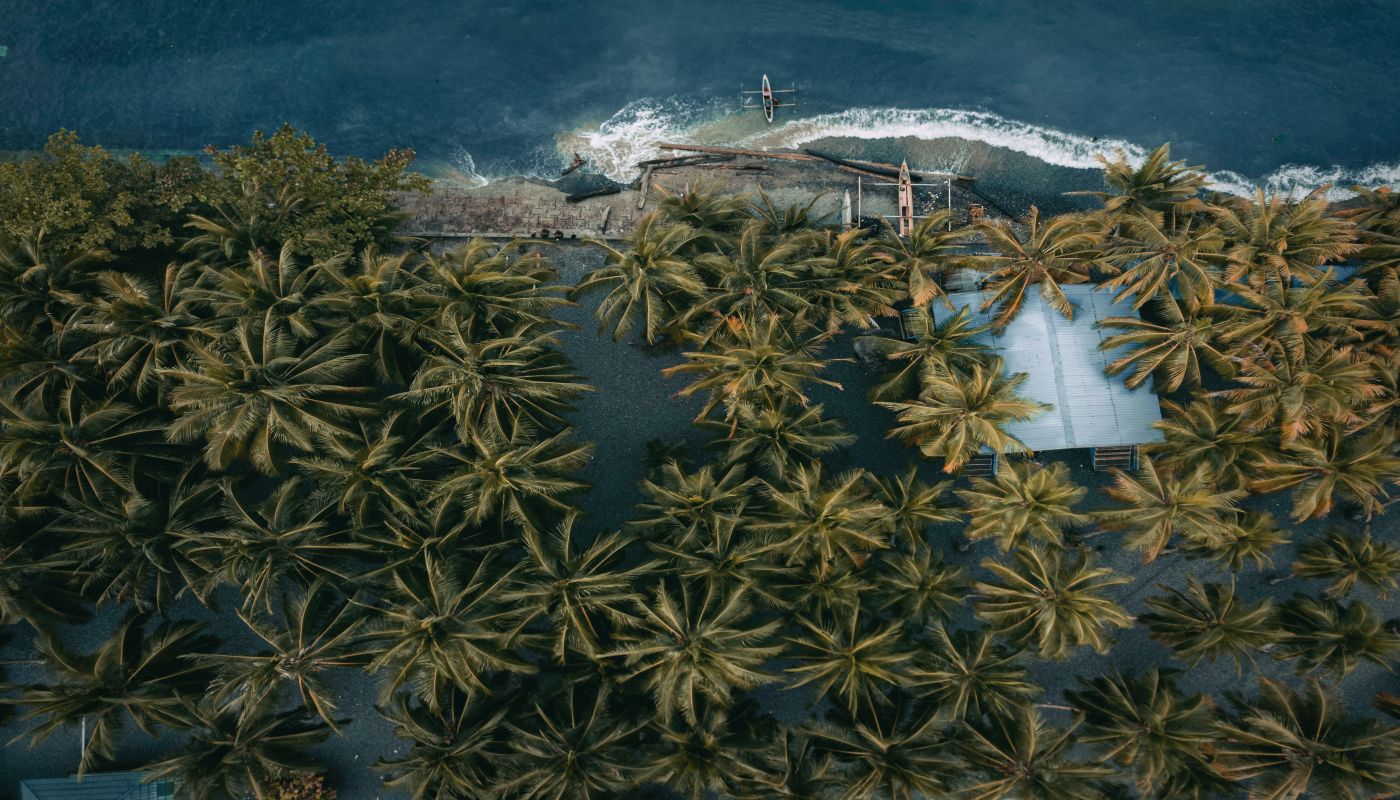
Landscape of Papua New Guinea
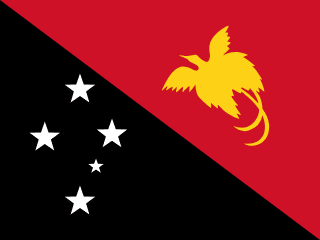
Flag of Papua New Guinea

Papua New Guinea

Australia/Oceania

Papua New Guinea is a beautiful and culturally diverse country located in the southwestern Pacific Ocean, known for its stunning rainforests, coral reefs, and unique cultures. With a population of over 8 million people, Papua New Guinea is a developing country that faces numerous challenges, including poverty, political instability, and environmental degradation. The country's economy is based on agriculture, mining, and natural resources, but it is heavily reliant on foreign aid. Papua New Guinea also faces significant challenges related to gender inequality and violence against women.

What would you like to learn about in Papua New Guinea?

Select a section to explore the country where nonprofits are creating positive change.

About Papua New Guinea

The eastern half of the island of New Guinea - second largest in the world - was divided between Germany (north) and the UK (south) in 1885. The latter area was transferred to Australia in 1902, which occupied the northern portion during World War I and continued to administer the combined areas until independence in 1975. A nine-year secessionist revolt on the island of Bougainville ended in 1997 after claiming some 20,000 lives.

Quick Facts

Population
6,431,902 (July 2013 est.)
Area
462,840 sq km
ISO Code
PG
Continent
Australia/Oceania
Government
constitutional parliamentary democracy and a Commonwealth realm
Active Causes
12
View all countries in Australia/Oceania

Geography & Environment

Climate

tropical; northwest monsoon (December to March), southeast monsoon (May to October); slight seasonal temperature variation

Terrain

mostly mountains with coastal lowlands and rolling foothills

Natural Resources

gold, copper, silver, natural gas, timber, oil, fisheries

Environmental Issues

rain forest subject to deforestation as a result of growing commercial demand for tropical timber; pollution from mining projects; severe drought

People & Society

66.66 years
Avg. Life Expectancy
62.4%
Literacy Rate
13% of total population (2010)
Total Urban Population

Languages

Tok Pisin (official), English (official), Hiri Motu (official), some 836 indigenous languages spoken (about 12% of the world's total); most languages...

Religions

Roman Catholic 27%, Protestant 69.4% (Evangelical Lutheran 19.5%, United Church 11.5%, Seventh-Day Adventist 10%, Pentecostal 8.6%, Evangelical Allian...

Health Expenditure

3.6% of GDP (2010) of GDP

Education Expenditure

NA of GDP

Economy

$2,800
GDP per Capita (PPP)
1.9%
Unemployment Rate
37% (2002 est.)
Below Poverty Line

Economic Overview

Papua New Guinea (PNG) is richly endowed with natural resources, but exploitation has been hampered by rugged terrain, land tenure issues, and the high cost of developing infrastructure. The economy has a small formal sector, focused mainly on the export of those natural resources, and an informal sector, employing the majority of the population. Agriculture provides a subsistence livelihood for 85% of the people. Mineral deposits, including copper, gold, and oil, account for nearly two-thirds of export earnings. Natural gas reserves amount to an estimated 155 billion cubic meters. A consortiu...

Causes in Papua New Guinea

Environment

Papua New Guinea, a country in the southwestern Pacific, is known for its rich biodiversity and diverse ecosystems. The environment plays a crucial role in the lives of the people of Papua New Guinea, as many rely on natural resources for their livelihoods, such as agriculture, fishing, and forestry. However, increasing deforestation, pollution, and climate change are threatening the country's environment and exacerbating challenges such as food insecurity and water scarcity. The impacts of environmental degradation are particularly severe for indigenous communities who depend on the land and forests for their cultural and spiritual identity. It is imperative to address these environmental issues through sustainable practices and conservation efforts to ensure the well-being of both the people and the natural world in Papua New Guinea.

Family

In Papua New Guinea, family plays a paramount role in shaping the social fabric and cultural identity of its diverse communities. Families in Papua New Guinea are often characterized by strong kinship ties, with extended families living together and sharing resources. Family units typically provide emotional support, guidance, and economic security to their members, forming the cornerstone of society. The bond between family members is deeply valued and respected, influencing important decisions related to marriage, inheritance, and community relations. However, challenges such as poverty, domestic violence, and limited access to healthcare and education can strain family dynamics in Papua New Guinea, impacting the well-being of individuals and communities. Recognizing the significance of family in Papua New Guinean society is crucial in understanding the complex interplay between tradition, modernity, and development in this unique cultural context.

Human Rights

Papua New Guinea, a diverse country in the South Pacific, faces significant challenges related to human rights. Issues such as gender-based violence, police brutality, corruption, and lack of access to education and healthcare continue to impact the lives of its citizens. Indigenous communities, in particular, often face marginalization and discrimination, with limited opportunities for economic development and political representation. The government's efforts to address these issues have been met with varying degrees of success, highlighting the complex and ongoing nature of human rights struggles in the country. Raising awareness about these challenges is crucial to fostering positive change and promoting a more just and equitable society in Papua New Guinea.

Education

Papua New Guinea, a nation in the southwestern Pacific, faces numerous challenges in its education system. With a diverse population of over 800 languages spoken, providing quality education to all citizens is a significant hurdle. The country struggles with low literacy rates, limited access to schools, lack of trained teachers, and inadequate resources. These issues contribute to high dropout rates and hinder economic development and social progress. Improving education in Papua New Guinea is crucial for breaking the cycle of poverty, promoting gender equality, and fostering sustainable development. By investing in education, the country can empower its people, reduce inequality, and drive long-term growth.

Poverty

Papua New Guinea, a country located in the southwestern Pacific Ocean, is known for its rich cultural diversity and abundant natural resources. However, despite its potential for economic growth, poverty remains a significant challenge in the country. The World Bank reports that approximately 40% of Papua New Guinea's population lives below the national poverty line, with rural areas being disproportionately affected. Limited access to basic services such as healthcare, education, and clean water further exacerbates the issue of poverty in the country. The lack of infrastructure and economic opportunities in many regions also contribute to the persistence of poverty in Papua New Guinea. Addressing these underlying factors is crucial to improving the living standards and well-being of its population.

Religion

Papua New Guinea, a country in the southwestern Pacific Ocean, is known for its rich cultural diversity and traditional beliefs. Religion plays a significant role in the lives of the people of Papua New Guinea, with Christianity being the dominant religion. The introduction of Christianity by missionaries has had a profound impact on the country's social fabric, shaping its cultural practices and customs. Christianity has been intricately woven into various aspects of daily life, influencing education, healthcare, and governance. However, alongside Christianity, traditional beliefs and practices continue to hold sway in many communities, creating a unique blend of spirituality and religiosity in the country. This complex interplay between Christianity and traditional beliefs highlights the dynamic nature of religious practices in Papua New Guinea, reflecting the country's diverse and evolving cultural landscape.

Clean Water

Papua New Guinea, a country in the southwestern Pacific, faces significant challenges regarding access to clean water. With a population of over 8 million people, many communities in Papua New Guinea lack access to safe drinking water and proper sanitation facilities. The lack of clean water sources contributes to the spread of waterborne diseases, leading to high rates of illness and mortality, especially among children. Additionally, limited access to clean water hinders agricultural productivity, exacerbating food insecurity issues in the region. Addressing the issue of clean water scarcity in Papua New Guinea is crucial for improving public health outcomes and promoting sustainable development in the country.

Economy

Papua New Guinea, a country located in the southwestern Pacific Ocean, faces significant economic challenges that impact its population. The economy of Papua New Guinea relies heavily on agriculture, mining, and natural resources, with a high dependence on mineral exports such as gold, copper, and oil. Despite its resource-rich status, the country struggles with widespread poverty, limited infrastructure development, and a lack of economic diversification. The volatility of global commodity prices often leaves Papua New Guinea vulnerable to economic shocks, affecting its citizens' livelihoods and overall well-being. Addressing these economic issues is crucial to improving the quality of life for the people of Papua New Guinea and fostering sustainable development in the region.

Government

Papua New Guinea, a nation located in the southwestern Pacific Ocean, is a country rich in cultural diversity and natural resources. Despite its abundant resources, Papua New Guinea faces numerous challenges, with governmental impact playing a significant role in shaping the nation's development. The government of Papua New Guinea has struggled with issues such as corruption, limited access to basic services like healthcare and education, and environmental degradation due to unsustainable resource exploitation. These factors have contributed to high levels of poverty and inequality within the country. Efforts to address these challenges have been hindered by political instability and governance issues. As a result, many communities in Papua New Guinea continue to face barriers to economic prosperity and social well-being. Increased awareness and support are essential to address these systemic issues and promote sustainable development in the country.

Health

Papua New Guinea, a country located in the southwestern Pacific Ocean, faces numerous health challenges that significantly impact its population. The nation grapples with a high burden of infectious diseases such as malaria, tuberculosis, and HIV/AIDS, leading to a considerable strain on its healthcare system. Limited access to healthcare services, especially in remote areas, exacerbates the situation, resulting in many preventable deaths. Additionally, poor sanitation and hygiene practices contribute to the spread of diseases, further compromising the health and well-being of the people. Addressing these health issues is crucial for improving the overall quality of life in Papua New Guinea and ensuring a healthier future for its citizens.

Children

Papua New Guinea, a country in the southwestern Pacific Ocean, faces significant challenges concerning the well-being of its children. The impact of poverty, limited access to education and healthcare, and high rates of violence against children all contribute to a challenging environment for the youth in Papua New Guinea. According to UNICEF, around 50% of children under the age of 5 suffer from chronic malnutrition, leading to long-term health issues. Additionally, only 63% of children complete their primary education due to a lack of schools and resources. Moreover, violence against children, including physical and sexual abuse, is alarmingly prevalent, with an estimated 75% of children experiencing some form of violence. These factors collectively hinder the healthy development and future prospects of children in Papua New Guinea, highlighting the urgent need for intervention and support to safeguard their well-being.

Animals

Papua New Guinea, a country known for its rich biodiversity, is home to a wide variety of animals that play a crucial role in the ecosystem and the lives of its people. The diverse fauna of Papua New Guinea includes unique species such as tree kangaroos, birds of paradise, and the endangered tree-dwelling marsupials known as cuscus. These animals are not only integral to the cultural heritage and traditional practices of indigenous communities but also serve as indicators of the health of the environment. However, the wildlife in Papua New Guinea faces numerous threats, including habitat loss due to deforestation, illegal wildlife trade, and climate change. Conservation efforts are essential to protect these animals and preserve the country's natural heritage for future generations.

Nonprofits Working in Papua New Guinea

Discover organizations making a difference in Papua New Guinea

Make Your Impact Today

Discover causes you care about and support the nonprofits making a difference in communities around the world.

Are you a nonprofit? Join Project World Impact for free

Join Us Free