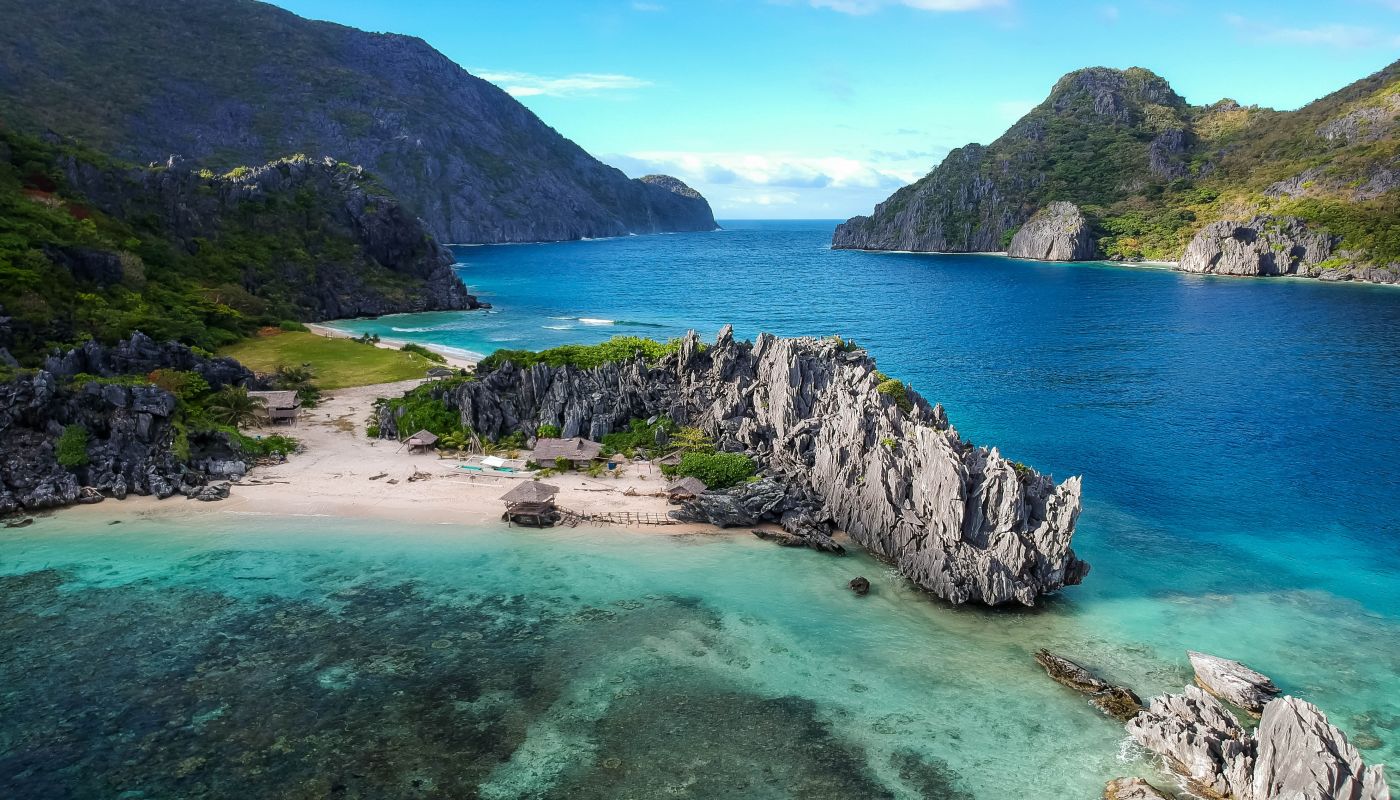
Landscape of Philippines
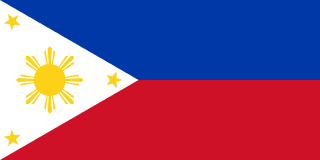
Flag of Philippines

Philippines

Asia

Philippines is an archipelagic country located in Southeast Asia, known for its stunning beaches, unique culture, and friendly people. With a population of over 110 million people, the Philippines is a developing country that has made progress in areas such as healthcare, education, and infrastructure. However, the country also faces numerous challenges, including poverty, political instability, and natural disasters. The Philippines has a diverse economy that is based on agriculture, manufacturing, and services, but it also faces environmental challenges such as deforestation and pollution.

What would you like to learn about in Philippines?

Select a section to explore the country where nonprofits are creating positive change.

About Philippines

The Philippine Islands became a Spanish colony during the 16th century; they were ceded to the US in 1898 following the Spanish-American War. In 1935 the Philippines became a self-governing commonwealth. Manuel QUEZON was elected president and was tasked with preparing the country for independence after a 10-year transition. In 1942 the islands fell under Japanese occupation during World War II, and US forces and Filipinos fought together during 1944-45 to regain control. On 4 July 1946 the Republic of the Philippines attained its independence. A 20-year rule by Ferdinand MARCOS ended in 1986, when a "people power" movement in Manila ("EDSA 1") forced him into exile and installed Corazon AQUINO as president. Her presidency was hampered by several coup attempts that prevented a return to full political stability and economic development. Fidel RAMOS was elected president in 1992. His administration was marked by increased stability and by progress on economic reforms. In 1992, the US closed its last military bases on the islands. Joseph ESTRADA was elected president in 1998. He was succeeded by his vice-president, Gloria MACAPAGAL-ARROYO, in January 2001 after ESTRADA's stormy impeachment trial on corruption charges broke down and another "people power" movement ("EDSA 2") demanded his resignation. MACAPAGAL-ARROYO was elected to a six-year term as president in May 2004. Her presidency was marred by several corruption allegations but the Philippine economy was one of the few to avoid contraction following the 2008 global financial crisis, expanding each year of her administration. Benigno AQUINO III was elected to a six-year term as president in May 2010. The Philippine Government faces threats from several groups, some of which are on the US Government's Foreign Terrorist Organization list. Manila has waged a decades-long struggle against ethnic Moro insurgencies in the southern Philippines, which has led to a peace accord with the Moro National Liberation Front and ongoing peace talks with the Moro Islamic Liberation Front. The decades-long Maoist-inspired New People's Army insurgency also operates through much of the country. The Philippines faces increased tension with China over disputed territorial and maritime claims in the South China Sea.

Quick Facts

Population
105,720,644 (July 2013 est.)
Area
300,000 sq km
ISO Code
PH
Continent
Asia
Government
republic
Active Causes
12
View all countries in Asia

Geography & Environment

Climate

tropical marine; northeast monsoon (November to April); southwest monsoon (May to October)

Terrain

mostly mountains with narrow to extensive coastal lowlands

Natural Resources

timber, petroleum, nickel, cobalt, silver, gold, salt, copper

Environmental Issues

uncontrolled deforestation especially in watershed areas; soil erosion; air and water pollution in major urban centers; coral reef degradation; increasing pollution of coastal mangrove swamps that are...

People & Society

72.21 years
Avg. Life Expectancy
95.4%
Literacy Rate
48.8% of total population (2011)
Total Urban Population

Languages

Filipino (official; based on Tagalog) and English (official); eight major dialects - Tagalog, Cebuano, Ilocano, Hiligaynon or Ilonggo, Bicol, Waray, P...

Religions

Catholic 82.9% (Roman Catholic 80.9%, Aglipayan 2%), Muslim 5%, Evangelical 2.8%, Iglesia ni Kristo 2.3%, other Christian 4.5%, other 1.8%, unspecifie...

Health Expenditure

3.6% of GDP (2010) of GDP

Education Expenditure

2.7% of GDP (2009) of GDP

Economy

$4,500
GDP per Capita (PPP)
7%
Unemployment Rate
26.5% (2009 est.)
Below Poverty Line

Economic Overview

Philippine GDP growth, which cooled from 7.6% in 2010 to 3.9% in 2011, expanded to 6.6% in 2012 - meeting the government's targeted 6%-7% growth range. The 2012 expansion partly reflected a rebound from depressed 2011 export and public sector spending levels. The economy has weathered global economic and financial downturns better than its regional peers due to minimal exposure to troubled international securities, lower dependence on exports, relatively resilient domestic consumption, large remittances from four- to five-million overseas Filipino workers, and a rapidly expanding business proc...

Causes in Philippines

Environment

The Philippines, an archipelago in Southeast Asia, is a country rich in natural resources and biodiversity. However, it faces significant environmental challenges that have a profound impact on its people and economy. Deforestation, pollution, and climate change are major issues affecting the Philippines, leading to threats such as natural disasters, loss of biodiversity, and health risks for its citizens. The country's vulnerability to typhoons and extreme weather events exacerbates these challenges, putting lives and livelihoods at risk. The degradation of ecosystems also affects food security and water resources, further straining the population's resilience. Addressing these environmental issues is crucial for the sustainable development and well-being of the Filipino people.

Family

In the Philippines, family plays a central role in shaping the social fabric and cultural identity of the nation. The concept of "familismo" is deeply ingrained in Filipino culture, emphasizing strong family ties, loyalty, and mutual support among relatives. Families in the Philippines often extend beyond nuclear units to include extended family members such as grandparents, aunts, uncles, and cousins who all contribute to child-rearing and provide emotional and financial support. The importance of family is reflected in various aspects of Filipino society, including decision-making, social interactions, and celebrations. However, while the emphasis on family unity is a source of strength and resilience for many Filipinos, it can also lead to challenges such as pressure to conform to familial expectations and limited individual autonomy. Awareness of the complex dynamics of family relationships in the Philippines is crucial for understanding the country's social structure and fostering inclusive and supportive communities.

Human Rights

The Philippines has a complex landscape when it comes to human rights, with various issues impacting its citizens. One of the key areas of concern is the human rights violations associated with President Rodrigo Duterte's war on drugs. Since taking office in 2016, his administration's aggressive anti-drug campaign has led to thousands of extrajudicial killings, drawing widespread condemnation from international organizations and human rights advocates. Additionally, journalists and activists in the Philippines face threats, harassment, and violence, creating a chilling effect on freedom of expression in the country. The lack of accountability for perpetrators of human rights abuses further exacerbates the situation, highlighting the need for stronger mechanisms to protect and promote human rights in the Philippines.

Education

In the Philippines, education plays a crucial role in shaping the future of its people and the nation as a whole. The country faces various challenges such as inadequate funding for schools, lack of access to quality education in remote areas, and high dropout rates among students. These issues contribute to a cycle of poverty and inequality that hinders the overall development of the Philippines. However, efforts are being made to address these challenges, with initiatives aimed at improving educational infrastructure, providing scholarships to underprivileged students, and enhancing the quality of teaching. By investing in education, the Philippines can empower its citizens, promote economic growth, and build a more inclusive society.

Poverty

The Philippines, a Southeast Asian country comprising over 7,000 islands, faces significant challenges due to widespread poverty. Poverty impacts various aspects of Filipino society, including access to healthcare, education, and employment opportunities. The World Bank reports that around 16.6% of the population in the Philippines lived below the national poverty line as of 2018. Furthermore, factors such as income inequality, natural disasters, and inadequate infrastructure contribute to the persistence of poverty in the country. The consequences of poverty in the Philippines are far-reaching, affecting individuals' quality of life and hindering the nation's overall economic development. Addressing poverty in the Philippines requires a multi-faceted approach that involves improving social services, promoting sustainable economic growth, and enhancing access to education and job training opportunities.

Religion

Religion plays a significant role in the social fabric of the Philippines, a country known for its diverse religious landscape. With Christianity being the predominant faith, particularly Roman Catholicism, the influence of religion is deeply ingrained in various aspects of Filipino society. Religious practices and beliefs often shape cultural traditions, family dynamics, and even political decisions. The Catholic Church, in particular, has historically wielded considerable influence over public opinion and policymaking. Moreover, the Philippines has a long history of religious festivals and rituals that reflect the fusion of indigenous beliefs with colonial influences. Despite the presence of other religions such as Islam, Buddhism, and indigenous spiritual practices, Christianity continues to be a dominant force in shaping the moral compass and societal norms in the Philippines.

Clean Water

The Philippines, an archipelago in Southeast Asia, faces significant challenges regarding access to clean water. With a population exceeding 100 million people, around 9 million Filipinos lack access to safe drinking water, leading to various health issues and economic burdens. The country's water sources are often contaminated by industrial waste, agricultural runoff, and inadequate sanitation systems, exacerbating the problem. Poor water quality contributes to the spread of waterborne diseases such as cholera, typhoid fever, and hepatitis A, particularly affecting vulnerable populations like children and the elderly. Moreover, the lack of clean water hinders agricultural productivity and perpetuates poverty in rural areas, where many rely on farming for their livelihoods. Addressing the issue of clean water access in the Philippines is crucial for improving public health outcomes, enhancing economic development, and ensuring a sustainable future for all its citizens.

Economy

The economy of the Philippines plays a crucial role in shaping the lives of its people. As a developing country in Southeast Asia, the Philippines grapples with various economic challenges that have a direct impact on its citizens. High levels of poverty and income inequality persist in the country, with a significant portion of the population living below the poverty line. The lack of access to basic services, such as healthcare and education, further exacerbates the socio-economic disparities within the nation. Additionally, the Philippines faces vulnerability to external economic shocks due to its reliance on remittances from overseas Filipino workers and fluctuations in global market conditions. Addressing these economic issues is imperative for sustainable development and improved quality of life for all Filipinos.

Government

The Philippines, an archipelago in Southeast Asia, faces a multitude of challenges stemming from the impact of governmental decisions. The country grapples with issues such as widespread poverty, inadequate healthcare, and environmental degradation. The government's policies and actions significantly influence the lives of its citizens, particularly in terms of economic development and social welfare. Corruption within the government has been a longstanding issue, hindering progress and exacerbating inequality among the population. Additionally, political instability and lack of effective governance have impeded efforts to address pressing social and economic concerns. The Philippine government plays a crucial role in shaping the country's future trajectory, and addressing these challenges will require significant reforms and commitment to good governance.

Health

The Philippines, an archipelago in Southeast Asia, faces various health challenges that deeply impact its population. The country grapples with issues such as infectious diseases, inadequate healthcare infrastructure, high maternal and child mortality rates, and a growing burden of non-communicable diseases. The lack of access to quality healthcare services, particularly in rural areas, exacerbates these challenges. Additionally, factors such as poverty, malnutrition, and limited education contribute to the overall health disparities in the country. Addressing these health issues is crucial for improving the well-being of the Filipino people and achieving sustainable development goals. By raising awareness and implementing effective healthcare policies and interventions, the Philippines can make significant strides towards ensuring a healthier future for its citizens.

Children

Children in the Philippines face various challenges that impact their well-being and development. Poverty remains a significant issue, with around one-third of Filipino children living below the poverty line. This often leads to inadequate access to education, healthcare, and basic necessities. Furthermore, the Philippines is prone to natural disasters such as typhoons, which can have devastating effects on children, displacing families and disrupting their lives. Child labor is also prevalent in the country, with many children forced to work in hazardous conditions instead of attending school. These challenges underscore the importance of addressing the needs of Filipino children to ensure their safety, health, and future prospects.

Animals

The Philippines, a biodiverse archipelago in Southeast Asia, is home to a rich array of animal species that play crucial roles in the country's ecosystems. Animals in the Philippines face numerous threats including habitat loss, illegal wildlife trade, and climate change. Endangered species such as the Philippine eagle, tamaraw, and the Philippine tarsier are under significant risk of extinction without proper conservation efforts. Additionally, marine animals like whale sharks and sea turtles are facing challenges due to pollution, overfishing, and habitat destruction. The decline of these animal populations not only disrupts the delicate balance of the environment but also affects the livelihoods of local communities who rely on these animals for sustenance and tourism revenue. By raising awareness about the importance of preserving these animals and their habitats, we can work towards ensuring a sustainable future for both wildlife and people in the Philippines.

Nonprofits Working in Philippines

Discover organizations making a difference in Philippines

Project Peanut Butter

Project Peanut Butter

Across the world, severe acute malnutrition is the largest killer of children under 5 years of age, contributing to nearly half of all childhood deaths (more than 3 million children per year). We produce peanut based ready-to-use therapeutic foods (RUTF) locally in factories in Malawi, Sierra Leone, and Ghana. Our factories are internationally accredited by UNICEF, Doctors Without Borders, and the World Food Program, and our product is considered the standard of care worldwide for severely malnourished children. We strive to use as many local ingredients and staff as possible. In addition, we distribute the therapeutic food at our own mobile clinics, where PPB nurses assess children for malnutrition and provide qualifying children with life-saving food at no charge.

Maplewood, Missouri

Make Your Impact Today

Discover causes you care about and support the nonprofits making a difference in communities around the world.

Are you a nonprofit? Join Project World Impact for free

Join Us Free