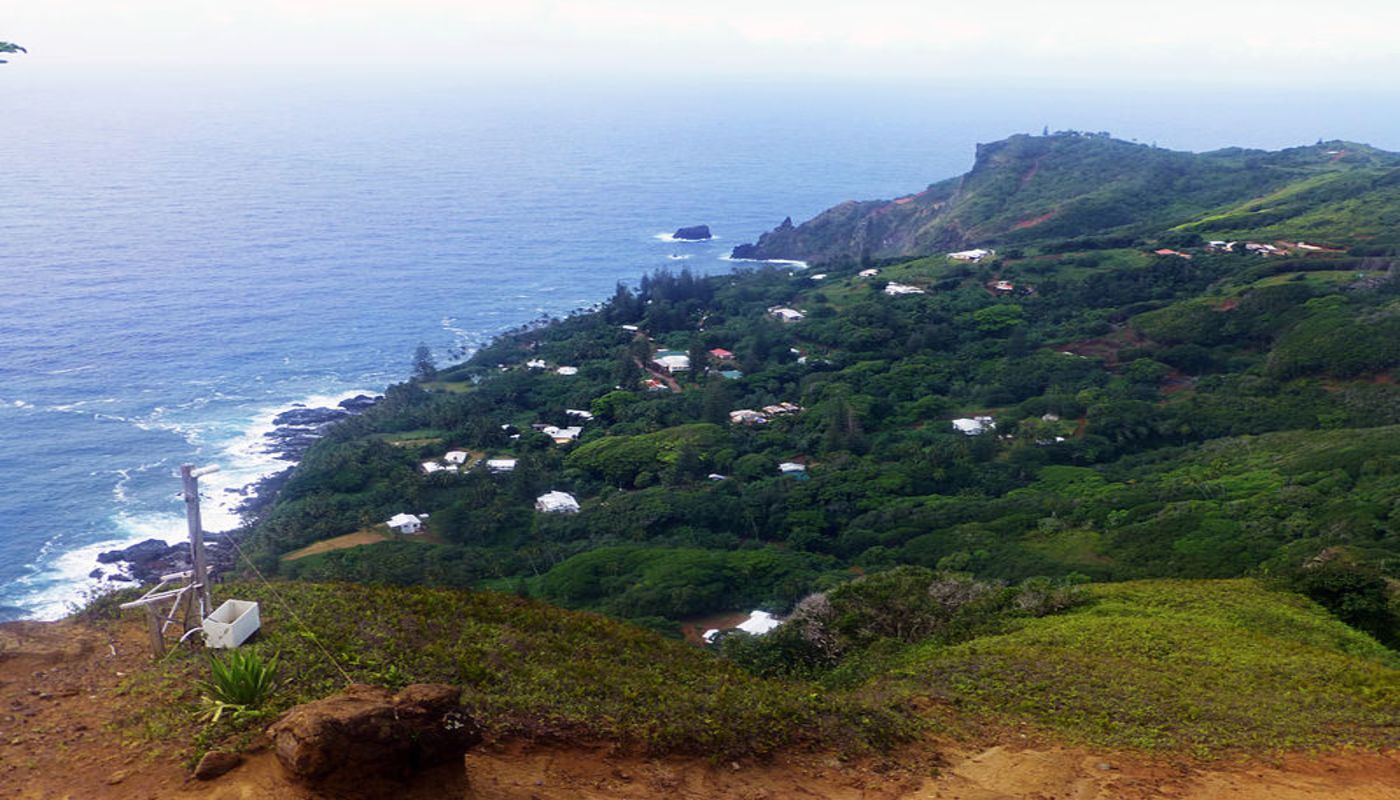
Landscape of Pitcairn Islands
Flag of Pitcairn Islands

Pitcairn Islands

Australia/Oceania

Pitcairn Islands is a British Overseas Territory with a population of approximately 50 people. The island is one of the most remote inhabited places in the world, located halfway between New Zealand and Peru.The island has faced challenges related to its remote location and limited economic opportunities. Efforts are underway to promote sustainable tourism and economic development on the island.

What would you like to learn about in Pitcairn Islands?

Select a section to explore the country where nonprofits are creating positive change.

About Pitcairn Islands

Pitcairn Islands is a British Overseas Territory with a population of approximately 50 people. The island is one of the most remote inhabited places in the world, located halfway between New Zealand and Peru.The island has faced challenges related to its remote location and limited economic opportunities. Efforts are underway to promote sustainable tourism and economic development on the island.

Causes in Pitcairn Islands

Environment

The Pitcairn Islands, a British Overseas Territory in the South Pacific, are facing significant environmental challenges that threaten its unique ecosystem and the livelihoods of its inhabitants. The islands' remote location makes them particularly vulnerable to climate change, with rising sea levels and increasing temperatures leading to coastal erosion and habitat loss. Additionally, plastic pollution from marine debris poses a major threat to the marine life surrounding the Pitcairn Islands, impacting both the local biodiversity and the fishing industry upon which many residents rely. Efforts are being made to address these environmental issues through conservation initiatives and sustainable practices, but more support and awareness are needed to ensure the long-term health of this fragile island ecosystem.

Family

Family plays a significant role in the Pitcairn Islands, a British Overseas Territory located in the South Pacific Ocean. With a population of only around 50 people, the sense of community and kinship among families is paramount in this isolated and close-knit society. Family ties are deeply rooted in Pitcairn culture, shaping social interactions, traditions, and daily life. The strong emphasis on familial relationships fosters a sense of unity and support within the community, where individuals rely on each other for emotional, social, and practical needs. However, challenges such as limited access to healthcare and education services can impact families on the island. Despite these challenges, the resilience and bond within Pitcairn families continue to be a driving force in the preservation of their unique way of life.

Human Rights

The Pitcairn Islands, a British Overseas Territory located in the South Pacific, face unique challenges when it comes to upholding Human Rights due to their remote and isolated nature. With a population of just around 50 people, the community on Pitcairn must contend with limited resources and services, making it difficult to fully realize and protect the rights of its residents. Issues such as access to healthcare, education, and legal representation are particularly challenging on the island. Furthermore, the small population size can also present obstacles in ensuring diversity, equality, and inclusivity within the society. Efforts to address these Human Rights concerns require collaborative approaches involving both local authorities and international organizations to promote awareness, advocacy, and sustainable solutions for the residents of Pitcairn Islands.

Education

The Pitcairn Islands, a British Overseas Territory in the South Pacific, faces unique challenges in the realm of education due to its remote location and small population. With only one school on the island, education is limited to primary level, forcing students to leave for further studies abroad at a young age. This disruption to their education can hinder academic progress and personal development. Limited access to educational resources and qualified teachers also presents obstacles to quality education on the island. However, efforts are being made to improve the education system through distance learning programs and partnerships with external educational institutions. By addressing these challenges and investing in education, Pitcairn Islanders can empower their youth and cultivate a brighter future for their community.

Poverty

Pitcairn Islands, located in the South Pacific, is one of the smallest and most isolated territories in the world with a population of around 50 inhabitants. Despite being a British Overseas Territory, Pitcairn faces significant challenges, with poverty being a pressing issue among its residents. The lack of economic opportunities, limited resources, and high cost of living contribute to the prevalence of poverty on the island. This has led to inadequate access to basic necessities such as healthcare, education, and proper housing for many Pitcairn Islanders. The remote location and small population make it difficult for the territory to attract investments or develop sustainable industries, further exacerbating the poverty situation. Efforts to address poverty on Pitcairn Islands require targeted interventions aimed at improving economic prospects and enhancing social welfare for its residents.

Religion

The Pitcairn Islands, a British Overseas Territory in the South Pacific, have a unique history deeply intertwined with religion. The majority of the Pitcairn Islanders are Seventh-day Adventists, a Protestant Christian denomination that has significantly influenced their way of life and cultural practices. Religion plays a central role in the community, shaping their values, beliefs, and daily interactions. Churches serve as focal points for social gatherings and community events, fostering a sense of unity among the residents. The influence of religion can also be observed in traditional ceremonies and celebrations on the islands. Despite its remote location and small population, the Pitcairn Islands stand as a testament to the enduring impact of religion on society.

Clean Water

Located in the South Pacific Ocean, the Pitcairn Islands is a British Overseas Territory consisting of four volcanic islands. This remote territory faces challenges in accessing clean water due to its limited freshwater resources and reliance on rainwater harvesting as the primary source of drinking water. The impact of inadequate access to clean water is significant on the 50 residents of Pitcairn Islands, affecting their health, sanitation, and overall quality of life. Waterborne diseases are a major concern in areas with poor water quality, highlighting the urgent need for improved water infrastructure and sustainable water management practices to ensure a safe and reliable supply of clean water for the community.

Economy

Pitcairn Islands, a British Overseas Territory located in the South Pacific Ocean, faces unique challenges due to its remote location and small population. With a total land area of just 18 square miles and a population of around 50 people, the economy of the Pitcairn Islands is largely dependent on government aid from the United Kingdom. The lack of natural resources and limited opportunities for economic development contribute to high levels of unemployment and limited access to essential services such as healthcare and education. The island's economy is primarily driven by fishing, handicrafts, and tourism, with efforts being made to promote sustainable development and preserve the island's fragile ecosystem. The impact of the economy on the Pitcairn Islands highlights the need for continued support and investment to ensure the well-being of its residents and the long-term sustainability of the island.

Government

The Pitcairn Islands, a British Overseas Territory located in the South Pacific Ocean, consist of four volcanic islands with a total population of just around 50 individuals. The Government of the Pitcairn Islands is a parliamentary democracy under a constitutional monarchy, with the British monarch as the head of state. The local government is responsible for managing internal affairs, while defense and foreign relations are handled by the United Kingdom. The impact of government policies on the Pitcairn Islands is significant due to their isolated location and small population. The government plays a crucial role in providing essential services such as healthcare, education, and infrastructure development to ensure the well-being of its residents. Additionally, government initiatives focus on environmental conservation and sustainable development to protect the unique biodiversity of the islands. Despite facing challenges such as limited resources and a fragile economy, the government's efforts are vital in supporting the livelihoods and preserving the cultural heritage of the Pitcairn Islands.

Health

The Pitcairn Islands, a British Overseas Territory located in the South Pacific Ocean, face unique health challenges due to their remote location and small population size. With only around 50 residents, access to healthcare services is limited on the islands. The lack of specialized medical facilities and healthcare professionals makes it difficult for Pitcairners to receive timely and adequate medical care. This situation is exacerbated by the high cost of medical evacuations to more developed countries for advanced treatment. Additionally, the island's isolation presents challenges in terms of obtaining essential medications and supplies. As a result, preventable illnesses and chronic health conditions may go untreated, impacting the overall well-being of the population. Raising awareness about the healthcare needs of the Pitcairn Islands is crucial in advocating for improved health services and support for its residents.

Children

The Pitcairn Islands, a British Overseas Territory in the South Pacific, face unique challenges related to the well-being of children due to their remote location and small population. With a population of fewer than 50 people, the community on Pitcairn is close-knit but also limited in terms of resources and opportunities for children's development. Limited access to education, healthcare, and recreational facilities can impact the growth and well-being of children on the islands. Additionally, the small gene pool on Pitcairn poses potential health risks for the younger generation. Efforts to provide adequate support and services for children on Pitcairn are crucial to ensure their well-being and future prospects in this isolated island community.

Animals

The Pitcairn Islands, a British Overseas Territory located in the South Pacific Ocean, are home to a rich diversity of wildlife. The unique ecosystem of these islands is heavily impacted by the presence of introduced species such as rats, cats, and pigs, which have decimated native bird populations and threatened endemic plant species. Invasive species have significantly altered the natural balance of the island's ecosystem, leading to habitat destruction and endangering the survival of many native species. Efforts are being made by conservationists and local authorities to control and eradicate these invasive animals in order to protect the native flora and fauna of the Pitcairn Islands.

Make Your Impact Today

Discover causes you care about and support the nonprofits making a difference in communities around the world.

Are you a nonprofit? Join Project World Impact for free

Join Us Free