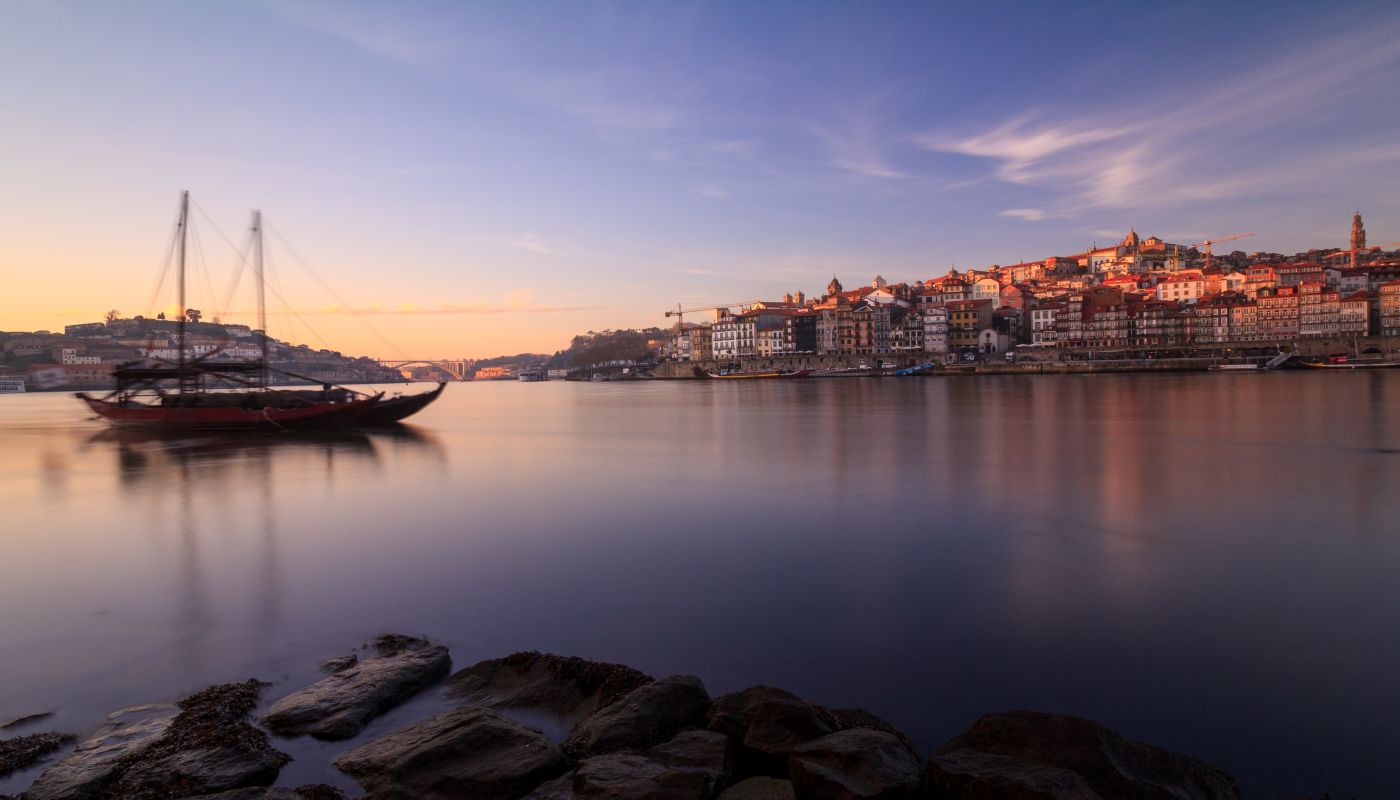
Landscape of Portugal
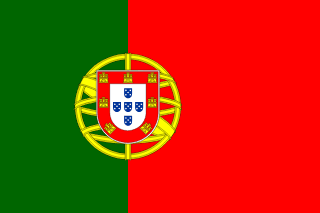
Flag of Portugal

Portugal

Europe

With a population of just over 10 million people, Portugal is a developed country that has made significant progress in areas such as healthcare, education, and infrastructure. However, the country also faces challenges related to aging demographics, economic inequality, and environmental sustainability. Portugal has a diverse economy that is based on tourism, manufacturing, and services, but it also faces environmental challenges such as deforestation and pollution.

What would you like to learn about in Portugal?

Select a section to explore the country where nonprofits are creating positive change.

About Portugal

Following its heyday as a global maritime power during the 15th and 16th centuries, Portugal lost much of its wealth and status with the destruction of Lisbon in a 1755 earthquake, occupation during the Napoleonic Wars, and the independence of its wealthiest colony of Brazil in 1822. A 1910 revolution deposed the monarchy; for most of the next six decades, repressive governments ran the country. In 1974, a left-wing military coup installed broad democratic reforms. The following year, Portugal granted independence to all of its African colonies. Portugal is a founding member of NATO and entered the EC (now the EU) in 1986.

Quick Facts

Population
10,799,270 (July 2013 est.)
Area
92,090 sq km
ISO Code
PT
Continent
Europe
Government
republic; parliamentary democracy
Active Causes
12
View all countries in Europe

Geography & Environment

Climate

maritime temperate; cool and rainy in north, warmer and drier in south

Terrain

mountainous north of the Tagus River, rolling plains in south

Natural Resources

fish, forests (cork), iron ore, copper, zinc, tin, tungsten, silver, gold, uranium, marble, clay, gypsum, salt, arable land, hydropower

Environmental Issues

soil erosion; air pollution caused by industrial and vehicle emissions; water pollution, especially in coastal areas

People & Society

78.85 years
Avg. Life Expectancy
95.4%
Literacy Rate
61% of total population (2010)
Total Urban Population

Languages

Portuguese (official), Mirandese (official, but locally used)

Religions

Roman Catholic 84.5%, other Christian 2.2%, other 0.3%, unknown 9%, none 3.9% (2001 census)

Health Expenditure

11% of GDP (2010) of GDP

Education Expenditure

5.8% of GDP (2009) of GDP

Economy

$23,800
GDP per Capita (PPP)
15.7%
Unemployment Rate
18% (2006)
Below Poverty Line

Economic Overview

Portugal has become a diversified and increasingly service-based economy since joining the European Community - the EU's predecessor - in 1986. Over the following two decades, successive governments privatized many state-controlled firms and liberalized key areas of the economy, including the financial and telecommunications sectors. The country qualified for the Economic and Monetary Union (EMU) in 1998 and began circulating the euro on 1 January 2002 along with 11 other EU members. The economy grew by more than the EU average for much of the 1990s, but the rate of growth slowed in 2001-08. T...

Causes in Portugal

Environment

Portugal, a country located in southwestern Europe, is significantly impacted by environmental factors. The nation's geography, with its extensive coastline and diverse ecosystems, is particularly vulnerable to climate change effects such as rising sea levels and extreme weather events. Portugal is experiencing more frequent and intense heatwaves, droughts, and wildfires, posing a threat to both the environment and public health. Additionally, the country's reliance on agriculture and tourism makes it susceptible to the negative impacts of changing weather patterns and environmental degradation. As a result, there is a pressing need for sustainable practices and policies to mitigate these challenges and protect Portugal's ecosystems for future generations.

Family

In Portugal, family plays a central role in shaping the social fabric and cultural identity of the nation. The concept of family extends beyond immediate relatives to include an extensive network of extended family members who provide emotional support and practical assistance in times of need. Strong family ties are evident in various aspects of Portuguese society, such as the emphasis on intergenerational relationships, the importance of family gatherings and celebrations, and the value placed on caregiving for elderly relatives. This emphasis on family has been linked to positive outcomes in terms of mental health, social integration, and overall well-being among Portuguese individuals. It is crucial to recognize and support the role of family in Portugal to foster a cohesive and resilient society.

Human Rights

Portugal, a European country known for its rich history and vibrant culture, is also a nation that places significant importance on upholding Human Rights. The impact of Human Rights in Portugal is evident in various aspects of society, ranging from education and healthcare to labor rights and gender equality. The country has made substantial progress in promoting and protecting Human Rights, as evidenced by its strong legal framework and active engagement with international human rights mechanisms. Despite these advancements, challenges persist, particularly in areas such as discrimination, access to justice, and the rights of marginalized groups. By continuing to prioritize Human Rights, Portugal can further enhance its commitment to ensuring the dignity and well-being of all its citizens.

Education

Portugal, a country located in southwestern Europe, places great emphasis on education as a fundamental tool for social and economic development. The education system in Portugal is free and compulsory up to the age of 18, ensuring equitable access to education for all citizens. Education plays a crucial role in shaping the future of Portugal by fostering innovation, critical thinking, and a skilled workforce. With a focus on improving educational outcomes and reducing inequality, Portugal has made significant investments in early childhood education, teacher training, and digital literacy programs. By prioritizing education, Portugal aims to enhance social mobility, promote economic growth, and build a knowledge-based society for future generations.

Poverty

Portugal, a country located in Southern Europe, faces significant challenges due to poverty. With around 17.2% of the population living below the poverty line, poverty remains a pressing issue impacting various aspects of Portuguese society. Limited access to quality education, healthcare, and employment opportunities disproportionately affect those living in poverty, perpetuating a cycle of economic disadvantage. The recent economic downturn and the ongoing effects of the global pandemic have further exacerbated these issues, leading to increased inequality and social disparities. Addressing poverty in Portugal requires comprehensive strategies that prioritize social welfare programs, job creation initiatives, and support for vulnerable populations to ensure a more equitable and prosperous future for all citizens.

Religion

Religion holds significant influence in Portugal, a country steeped in rich cultural and historical ties to Catholicism. With approximately 81% of the population identifying as Roman Catholic, Portugal's religious landscape plays a pivotal role in shaping societal norms, values, and traditions. The strong presence of Catholicism is evident in various aspects of Portuguese life, from religious festivals and ceremonies to the architecture of churches and cathedrals scattered throughout the country. Moreover, religion in Portugal serves as a unifying force, bringing together communities and fostering a sense of shared identity among its people. However, amidst the deep-rooted religious practices, there is also a growing trend towards secularization and a more diverse religious landscape, reflecting the changing dynamics within Portuguese society.

Clean Water

Clean water is a crucial resource for the nation of Portugal, affecting various aspects of its society and economy. The availability of clean water is essential for the health and well-being of the population, as contaminated water can lead to waterborne diseases and health issues. Moreover, clean water is vital for agricultural activities, as it is necessary for crop irrigation and livestock farming. Portugal's tourism industry, which heavily relies on its beautiful beaches and coastal areas, also benefits from clean water by attracting visitors seeking pristine environments. Additionally, industries such as manufacturing and energy production require clean water for their operations. Ensuring access to clean water in Portugal is not only important for the current population but also for future generations to come.

Economy

Portugal, located in southwestern Europe, has a diverse economy that plays a significant role in shaping the country's overall development. The nation's economy is characterized by a mix of industries, including tourism, agriculture, manufacturing, and services. Despite being a member of the European Union, Portugal faced economic challenges in the past, particularly during the global financial crisis of 2008. This crisis led to high levels of unemployment and public debt, prompting the government to implement austerity measures to stabilize the economy. The Portuguese economy has since shown signs of recovery, with growth returning and unemployment rates decreasing. However, challenges such as an aging population and low productivity levels continue to impact the country's economic outlook. Understanding these economic dynamics is crucial for policymakers and stakeholders to develop effective strategies that promote sustainable growth and prosperity for Portugal.

Government

Portugal, a country located in southwestern Europe, is known for its rich history, vibrant culture, and stunning landscapes. The government of Portugal plays a significant role in shaping the country's economic, social, and political landscape. The government's policies and decisions impact various aspects of Portuguese society, including education, healthcare, infrastructure, and environmental conservation. For example, the government's fiscal policies influence the national budget and public spending, which in turn affect the economy and welfare of the citizens. Additionally, government initiatives in areas such as education and healthcare contribute to the overall well-being and quality of life of the population. By understanding the role of the government in Portugal, we can better appreciate how policy decisions shape the country's future.

Health

Portugal, like many other countries, faces various health challenges that significantly impact its population. The country struggles with high rates of cardiovascular diseases, cancer, and mental health issues. These health concerns are further exacerbated by lifestyle factors such as smoking, unhealthy diet choices, and sedentary behavior. Additionally, Portugal has a growing aging population, which brings about its own set of health-related challenges. The healthcare system in Portugal faces constraints due to limited resources and an increasing demand for services. Addressing these health issues requires a multi-faceted approach that includes promoting healthy lifestyles, improving access to healthcare services, and investing in preventive measures. By raising awareness about these health challenges, we can work towards creating a healthier future for the people of Portugal.

Children

In Portugal, children are a significant part of society, facing various challenges that impact their well-being and development. According to the UNICEF Portugal Country Office, child poverty remains a pressing issue, with approximately 19% of children living in poverty. This has implications on their access to education, healthcare, and overall quality of life. Additionally, mental health issues among children are on the rise, with reports indicating an increase in cases of anxiety and depression. Furthermore, child labor persists in some regions, affecting the rights and safety of young individuals. Addressing these issues requires a multi-faceted approach involving government policies, community support, and advocacy efforts to ensure the well-being of Portugal's children.

Animals

In Portugal, animals play a significant role in the country's culture, economy, and environment. As a nation with a rich history of agriculture and fishing, animals have been integral to the livelihoods of many Portuguese people. Livestock such as sheep, goats, and cows are important for meat and dairy production, while horses are used in traditional bullfighting events. Furthermore, the country's marine life, including dolphins and seabirds, is essential for its thriving tourism industry centered around coastal regions. However, despite the cultural and economic importance of animals in Portugal, issues such as illegal wildlife trade, habitat destruction, and animal cruelty continue to threaten their well-being. It is crucial for individuals and organizations to raise awareness about these challenges and work towards promoting the welfare and conservation of animals in Portugal.

Nonprofits Working in Portugal

Discover organizations making a difference in Portugal

Make Your Impact Today

Discover causes you care about and support the nonprofits making a difference in communities around the world.

Are you a nonprofit? Join Project World Impact for free

Join Us Free