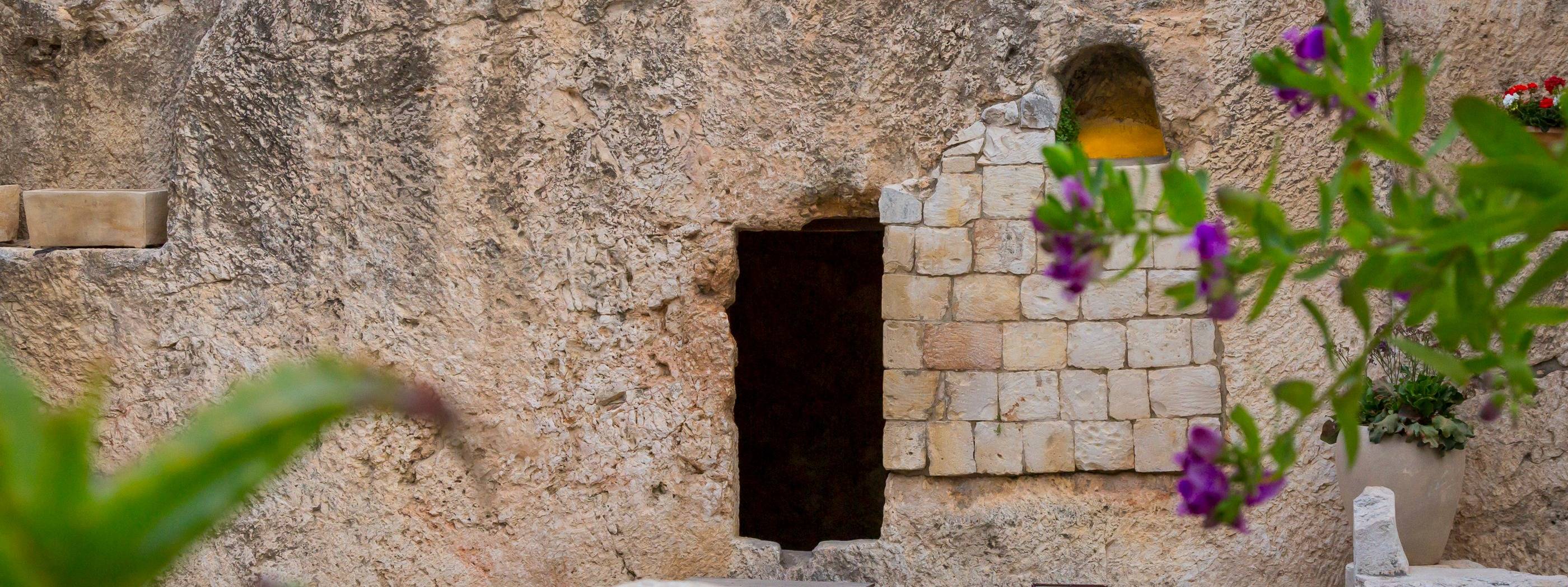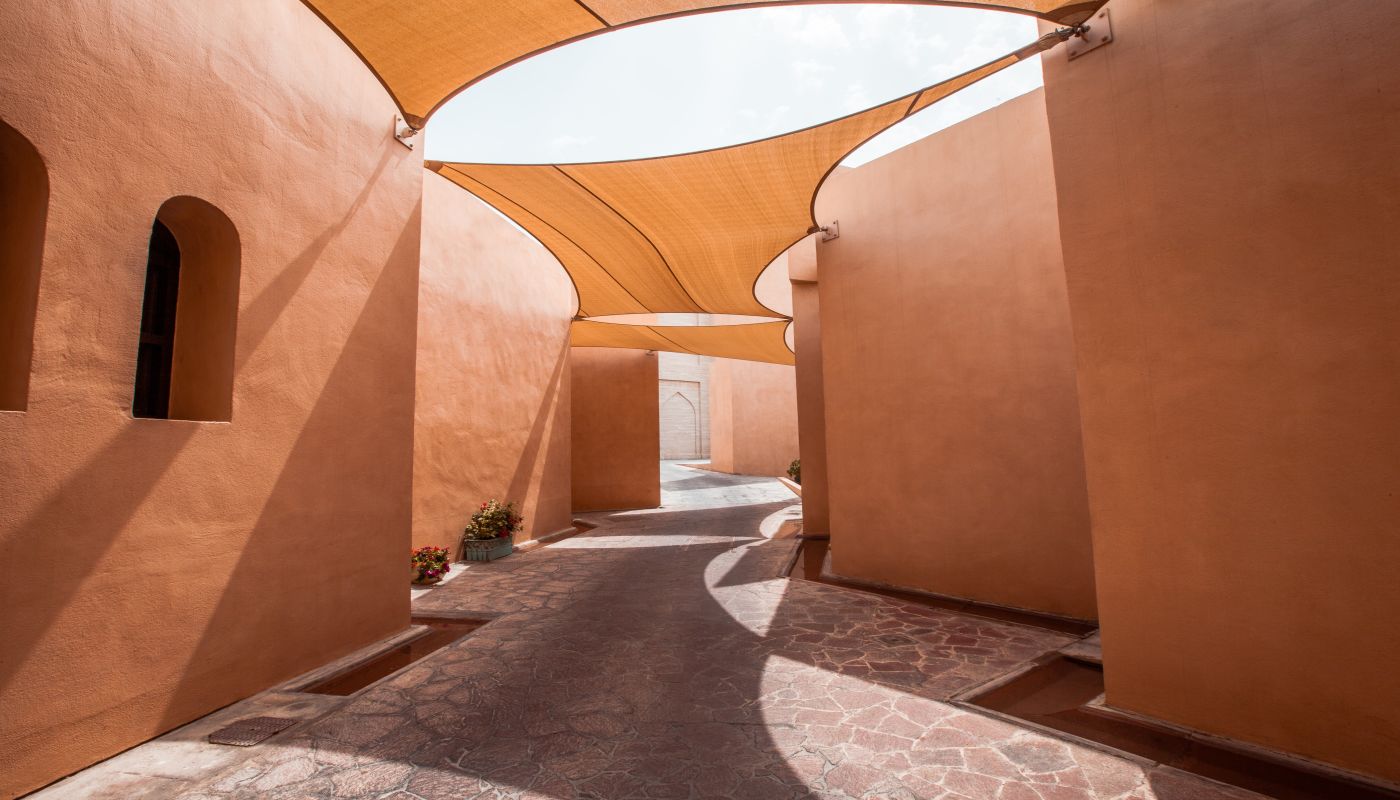

Landscape of Qatar
Flag of Qatar

Qatar

Asia

Qatar is a small but wealthy country located on the Arabian Peninsula, known for its stunning architecture, luxury resorts, and natural gas reserves. With a population of just over 2.7 million people, Qatar is one of the richest countries in the world, with a highly developed economy that is based on energy exports, finance, and real estate. However, Qatar also faces challenges related to human rights, particularly the treatment of migrant workers who make up a significant portion of the country's workforce.

What would you like to learn about in Qatar?

Select a section to explore the country where nonprofits are creating positive change.

About Qatar

Ruled by the Al Thani family since the mid-1800s, Qatar transformed itself from a poor British protectorate noted mainly for pearling into an independent state with significant oil and natural gas revenues. During the late 1980s and early 1990s, the Qatari economy was crippled by a continuous siphoning off of petroleum revenues by the Amir, who had ruled the country since 1972. His son, the current Amir HAMAD bin Khalifa Al Thani, overthrew the father in a bloodless coup in 1995. In 2001, Qatar resolved its longstanding border disputes with both Bahrain and Saudi Arabia. As of 2007, oil and natural gas revenues had enabled Qatar to attain the highest per capita income in the world. Qatar has not experienced the level of unrest or violence seen in other Near Eastern and North African countries in 2010-11, due in part to its immense wealth. Qatar's international image is bolstered in part by the Doha-based Al Jazeera news network, which has provided comprehensive coverage of the Near East and North African Arab revolutions. Additionally, Qatar played a significant role in the Libyan revolution by pressing the Gulf Cooperation Council and the Arab League to assist the Libyan rebel movement.

Quick Facts

Population
2,042,444 (July 2013 est.)
Area
11,586 sq km
ISO Code
QA
Continent
Asia
Government
emirate
Active Causes
12
View all countries in Asia

Geography & Environment

Climate

arid; mild, pleasant winters; very hot, humid summers

Terrain

mostly flat and barren desert covered with loose sand and gravel

Natural Resources

petroleum, natural gas, fish

Environmental Issues

limited natural freshwater resources are increasing dependence on large-scale desalination facilities

People & Society

78.24 years
Avg. Life Expectancy
96.3%
Literacy Rate
98.8% of total population (2011)
Total Urban Population

Languages

Arabic (official), English commonly used as a second language

Religions

Muslim 77.5%, Christian 8.5%, other 14% (2004 census)

Health Expenditure

1.8% of GDP (2010) of GDP

Education Expenditure

2.5% of GDP (2008) of GDP

Economy

$103,900
GDP per Capita (PPP)
0.5%
Unemployment Rate
NA%
Below Poverty Line

Economic Overview

Qatar has prospered in the last several years with continued high real GDP growth. Throughout the financial crisis Qatari authorities sought to protect the local banking sector with direct investments into domestic banks. GDP grew sharply in 2010 largely due to the increase in oil prices, and 2011's growth was supported by Qatar's investment in expanding its gas sector. GDP slowed to 6.6% in 2012 as Qatar''s gas sector expansion moved toward completion. Economic policy is focused on developing Qatar''s nonassociated natural gas reserves and increasing private and foreign investment in non-ener...

Causes in Qatar

Environment

Qatar, a small peninsula in the Arabian Gulf, faces significant environmental challenges that have far-reaching impacts on its population and economy. The country's arid climate, coupled with rapid urbanization and industrial growth, has led to issues such as air pollution, water scarcity, and desertification. The extraction and burning of fossil fuels for energy production are major contributors to greenhouse gas emissions, further exacerbating global climate change. Additionally, the rapid development of infrastructure and construction projects has resulted in habitat loss for wildlife and increased pressure on natural resources. As a result, Qatar has been taking steps to address these environmental concerns by investing in renewable energy sources, implementing sustainable urban planning strategies, and promoting conservation efforts. However, more work is needed to ensure a sustainable future for Qatar and its inhabitants.

Family

In Qatar, family plays a central role in shaping individuals' lives and the overall societal structure. The concept of family extends beyond the nuclear unit to include extended family members who are actively involved in providing support and guidance. Family ties in Qatar are characterized by strong bonds and a deep sense of duty towards one another. This familial support system influences various aspects of life, from decision-making processes to social interactions and emotional well-being. Consequently, family gatherings and celebrations hold significant importance in Qatari culture, fostering unity and solidarity among relatives. The emphasis on family values also extends to the broader community, where individuals often prioritize familial relationships over personal pursuits. Understanding the profound impact of family dynamics in Qatar is essential for appreciating the cultural richness and social cohesion prevalent in the country.

Human Rights

Qatar, a wealthy nation in the Middle East, has been under scrutiny for its human rights record. The country has faced criticism for its treatment of migrant workers, who make up a significant portion of its population. These workers often face poor working conditions, low wages, and limited rights, leading to concerns about exploitation and abuse. Additionally, Qatar's restrictions on freedom of speech and association have raised further concerns about human rights violations within the country. Addressing these issues is crucial not only for the well-being of those affected but also for Qatar's reputation on the global stage. Efforts to improve human rights protections can enhance social stability and foster a more inclusive and equitable society in Qatar.

Education

Qatar, a rapidly developing nation in the Middle East, has made significant strides in its education sector over the past few decades. The Qatari government has prioritized education as a key component of its national development strategy, aiming to build a knowledge-based economy and a competitive workforce. The country has invested heavily in education, with initiatives such as the Qatar National Vision 2030 focusing on improving the quality of education at all levels. This emphasis on education has had a profound impact on Qatar, leading to improvements in literacy rates, increased access to education for all citizens, and the development of a skilled workforce ready to meet the demands of a rapidly evolving global economy. By investing in education, Qatar is not only securing its future prosperity but also contributing to the overall socio-economic development of the region.

Poverty

Poverty remains a significant issue in Qatar, despite its reputation as one of the wealthiest countries in the world. While the nation boasts high GDP per capita and a thriving economy driven by its oil and gas reserves, pockets of poverty persist among certain marginalized communities. The influx of migrant workers, who often face low wages, poor living conditions, and limited access to social services, contributes to the prevalence of poverty within the country. Additionally, the high cost of living in Qatar can further exacerbate financial hardships for vulnerable populations. Lack of affordable housing and limited job opportunities for low-skilled workers also play a role in perpetuating poverty in the country. Addressing these underlying factors is crucial to mitigating the impact of poverty and fostering a more inclusive society in Qatar.

Religion

Religion plays a significant role in the cultural and social fabric of Qatar. Islam is the official religion, and the majority of the population practices Sunni Islam. The country's legal system is based on Islamic law, which influences various aspects of daily life, including family matters, business transactions, and social interactions. Mosques are prevalent throughout the country, serving as centers for worship, education, and community gatherings. Religious festivals and traditions are celebrated with fervor, strengthening the bond among Qatari people and reinforcing their identity. Despite the predominance of Islam, Qatar is known for its tolerance towards other faiths, with churches and temples existing to cater to the needs of expatriate communities. This religious diversity contributes to the country's cosmopolitan ethos and enriches its cultural landscape.

Clean Water

Qatar, a country located in the Middle East, faces significant challenges related to access to clean water. With limited freshwater resources and a high demand for water due to its rapidly growing population and industrial development, Qatar heavily relies on desalination plants to meet its water needs. The process of desalination, however, is energy-intensive and costly, leading to environmental concerns and economic strains. Insufficient access to clean water can have far-reaching impacts on public health, agriculture, and overall quality of life in Qatar. Water scarcity also poses a threat to sustainable development and exacerbates existing social inequalities. Addressing these challenges requires a comprehensive approach that includes efficient water management strategies, investment in alternative water sources, and public awareness campaigns on water conservation practices. By prioritizing the preservation and equitable distribution of clean water resources, Qatar can work towards ensuring a sustainable and resilient future for its citizens.

Economy

Qatar, a Middle Eastern country with a population of approximately 2.8 million, boasts one of the world's highest GDP per capita due to its vast oil and natural gas reserves. The economy of Qatar heavily relies on its energy sector, contributing significantly to government revenues and export earnings. However, this heavy reliance on oil and gas makes the country vulnerable to fluctuations in global energy prices. In recent years, Qatar has undertaken economic diversification efforts, aiming to reduce its dependence on hydrocarbons by investing in sectors such as tourism, finance, and technology. Despite these initiatives, the economy still faces challenges related to sustainability and inclusivity, with a significant portion of the population consisting of low-wage migrant workers who often face poor working conditions. As Qatar continues to navigate its economic landscape, addressing these issues will be crucial for ensuring long-term prosperity and stability.

Government

Qatar, a sovereign state located in the Middle East, is known for its vast oil reserves and rapid economic development. The government of Qatar, a unitary constitutional monarchy, plays a significant role in shaping the country's policies and guiding its growth. The ruling Al Thani family holds immense power and influence, with authority vested in the Emir, currently Sheikh Tamim bin Hamad Al Thani. The government's policies and decisions have a direct impact on various aspects of Qatari society, including social welfare, education, healthcare, and infrastructure development. The government's Vision 2030 plan aims to diversify Qatar's economy away from oil dependency and foster sustainable development in line with global trends. By promoting innovation, entrepreneurship, and investment in key sectors, the government seeks to secure Qatar's long-term prosperity and enhance its global competitiveness.

Health

In Qatar, the health of its population is influenced by various factors that contribute to both positive and negative outcomes. The country has made significant strides in improving its healthcare system, with a focus on providing universal access to quality healthcare services. However, like many other nations, Qatar faces challenges such as non-communicable diseases, including diabetes and obesity, which are prevalent among its population. These health issues can be attributed to factors such as sedentary lifestyles, unhealthy diets, and genetic predispositions. Additionally, environmental factors like high temperatures and air pollution can also impact the health of individuals in Qatar. It is crucial for the government and stakeholders to continue efforts in promoting healthy lifestyles, increasing awareness about preventive measures, and investing in healthcare infrastructure to address these health concerns effectively.

Children

In Qatar, children face several challenges that impact their well-being and development. Despite being a wealthy nation with significant resources, issues such as poverty, lack of access to quality education, and limited opportunities for social engagement can hinder the growth and potential of children in the country. Poverty affects around 10% of children in Qatar, leading to disparities in healthcare, nutrition, and overall living conditions. Furthermore, barriers to education, including language proficiency and enrollment rates among certain demographic groups, present obstacles to academic achievement and future success for many children. Addressing these challenges requires comprehensive social policies, community engagement, and targeted interventions to ensure that every child in Qatar has the opportunity to thrive and reach their full potential.

Animals

Qatar, a country known for its rich cultural heritage and rapid economic growth, is also home to a unique relationship between its people and animals. Animals in Qatar play a significant role in the daily lives of its residents, from the traditional use of camels for transportation and racing to the importance of falconry as a cherished pastime. Additionally, the diverse marine life along Qatar's coastline contributes to the country's fishing industry and serves as an essential part of its ecosystem. While animal welfare practices in Qatar have been steadily improving in recent years, there is still room for further development and advocacy to ensure the well-being of all creatures in the region.

Nonprofits Working in Qatar

Discover organizations making a difference in Qatar

Make Your Impact Today

Discover causes you care about and support the nonprofits making a difference in communities around the world.

Are you a nonprofit? Join Project World Impact for free

Join Us Free