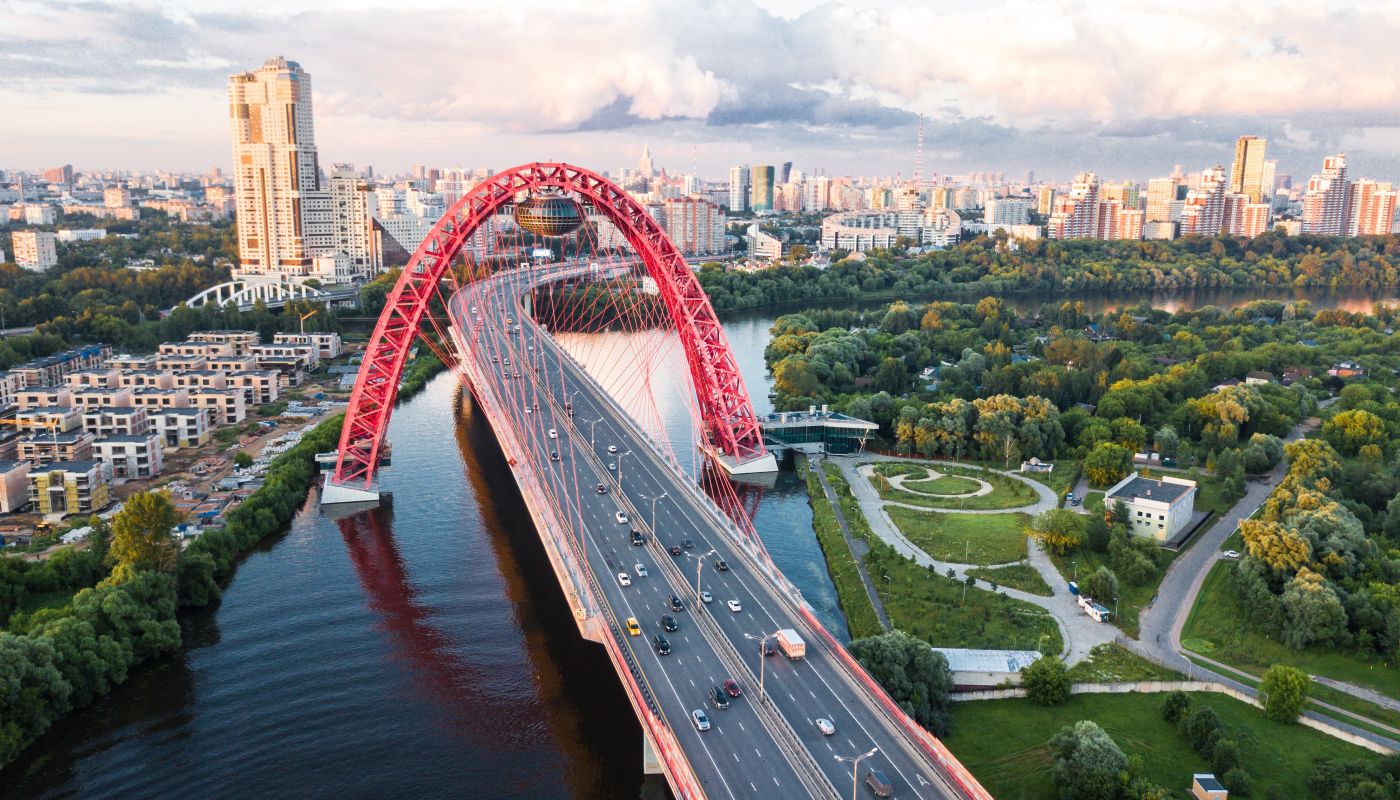
Landscape of Russia
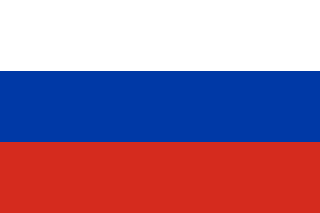
Flag of Russia

Russia

Asia

Russia is a vast and diverse country that spans both Europe and Asia, known for its rich history, stunning natural landscapes, and unique culture. With a population of over 144 million people, Russia is the largest country in the world and has a highly developed economy that is based on energy exports, manufacturing, and services. However, Russia also faces challenges related to political polarization, corruption, and human rights. Russia has a mixed economy, with significant industries such as oil and gas, mining, and manufacturing. While there have been improvements in areas such as education and economic growth, there are ongoing concerns over democratic backsliding and human rights issues in Russia, including media censorship and opposition suppression.

What would you like to learn about in Russia?

Select a section to explore the country where nonprofits are creating positive change.

About Russia

Founded in the 12th century, the Principality of Muscovy, was able to emerge from over 200 years of Mongol domination (13th-15th centuries) and to gradually conquer and absorb surrounding principalities. In the early 17th century, a new Romanov Dynasty continued this policy of expansion across Siberia to the Pacific. Under PETER I (ruled 1682-1725), hegemony was extended to the Baltic Sea and the country was renamed the Russian Empire. During the 19th century, more territorial acquisitions were made in Europe and Asia. Defeat in the Russo-Japanese War of 1904-05 contributed to the Revolution of 1905, which resulted in the formation of a parliament and other reforms. Repeated devastating defeats of the Russian army in World War I led to widespread rioting in the major cities of the Russian Empire and to the overthrow in 1917 of the imperial household. The communists under Vladimir LENIN seized power soon after and formed the USSR. The brutal rule of Iosif STALIN (1928-53) strengthened communist rule and Russian dominance of the Soviet Union at a cost of tens of millions of lives. The Soviet economy and society stagnated in the following decades until General Secretary Mikhail GORBACHEV (1985-91) introduced glasnost (openness) and perestroika (restructuring) in an attempt to modernize communism, but his initiatives inadvertently released forces that by December 1991 splintered the USSR into Russia and 14 other independent republics. Since then, Russia has shifted its post-Soviet democratic ambitions in favor of a centralized semi-authoritarian state in which the leadership seeks to legitimize its rule through managed national elections, populist appeals by President PUTIN, and continued economic growth. Russia has severely disabled a Chechen rebel movement, although violence still occurs throughout the North Caucasus.

Quick Facts

Population
142,500,482 (July 2013 est.)
Area
17,098,242 sq km
ISO Code
RU
Continent
Asia
Government
federation
Active Causes
12
View all countries in Asia

Geography & Environment

Climate

ranges from steppes in the south through humid continental in much of European Russia; subarctic in Siberia to tundra climate in the polar north; winters vary from cool along Black Sea coast to frigid...

Terrain

broad plain with low hills west of Urals; vast coniferous forest and tundra in Siberia; uplands and mountains along southern border regions

Natural Resources

wide natural resource base including major deposits of oil, natural gas, coal, and many strategic minerals, reserves of rare earth elements, timber

Environmental Issues

air pollution from heavy industry, emissions of coal-fired electric plants, and transportation in major cities; industrial, municipal, and agricultural pollution of inland waterways and seacoasts; def...

People & Society

69.85 years
Avg. Life Expectancy
99.7%
Literacy Rate
73.8% of total population (2011)
Total Urban Population

Languages

Russian (official), many minority languages

Religions

Russian Orthodox 15-20%, Muslim 10-15%, other Christian 2% (2006 est.)

Health Expenditure

5.1% of GDP (2010) of GDP

Education Expenditure

4.1% of GDP (2008) of GDP

Economy

$18,000
GDP per Capita (PPP)
5.7%
Unemployment Rate
12.7% (2011)
Below Poverty Line

Economic Overview

Russia has undergone significant changes since the collapse of the Soviet Union, moving from a globally-isolated, centrally-planned economy to a more market-based and globally-integrated economy. Economic reforms in the 1990s privatized most industry, with notable exceptions in the energy and defense-related sectors. The protection of property rights is still weak and the private sector remains subject to heavy state interference. In 2011, Russia became the world's leading oil producer, surpassing Saudi Arabia; Russia is the second-largest producer of natural gas; Russia holds the world's larg...

Causes in Russia

Environment

Russia, spanning across two continents and boasting a diverse array of ecosystems from tundras to forests, is heavily influenced by its environment. Climate change poses a significant threat to Russia, with rising temperatures leading to permafrost melt, forest fires, and changing precipitation patterns. The country's vast mineral wealth is a double-edged sword, as extraction and production activities have led to environmental degradation and pollution. Furthermore, industrial activities in Russia have contributed to air and water pollution, impacting the health of both its citizens and wildlife. With approximately 20% of the world's forests located in Russia, deforestation poses a grave concern for biodiversity and carbon sequestration. It is imperative for Russia to prioritize sustainable development practices and conservation efforts to safeguard its environment for future generations.

Family

In Russia, family plays a crucial role in shaping individuals and society as a whole. Family values such as loyalty, respect for elders, and strong bonds among relatives are deeply ingrained in the Russian culture. The concept of a traditional family unit, typically consisting of parents and children, is highly valued in Russian society. Family gatherings and celebrations hold significant importance, serving as occasions for strengthening familial ties and passing down cultural traditions. Moreover, the Russian government has implemented various policies to support families, such as financial assistance programs and incentives for childbirth, reflecting the prioritization of family well-being at a national level. The impact of family extends beyond personal relationships to influence societal structures and norms in Russia.

Human Rights

Russia has a complex relationship with human rights, facing criticism for violations in various areas. Issues such as freedom of expression, media independence, and treatment of political dissent have drawn international scrutiny. The government's control over the media and restrictions on public demonstrations have raised concerns about the state of civil liberties in the country. In addition, reports of discrimination against marginalized groups, such as LGBTQ+ individuals and ethnic minorities, further highlight the challenges faced in upholding human rights in Russia. It is imperative to continue monitoring and addressing these human rights issues to promote a just and equal society for all individuals in Russia.

Education

Education plays a crucial role in shaping the societal and economic landscape of Russia. The country boasts a strong tradition of educational excellence, with a high literacy rate of over 99%. Education in Russia is free and compulsory for children aged 6 to 15, and the country is home to several prestigious universities renowned for their scientific research and academic programs. Despite these strengths, challenges persist, such as disparities in educational quality between urban and rural areas, as well as issues related to outdated teaching methods and insufficient funding. Addressing these challenges is crucial for Russia to fully harness the potential of its human capital and drive sustainable economic growth in the future.

Poverty

Poverty remains a significant challenge in Russia, affecting a substantial portion of its population. Despite being a country with vast natural resources and a well-educated workforce, poverty rates have been on the rise in recent years. This issue is exacerbated by factors such as income inequality, high unemployment rates, and inadequate social welfare systems. The impact of poverty in Russia is profound, leading to limited access to healthcare, education, and basic necessities for many individuals and families. Furthermore, poverty can contribute to social unrest, crime rates, and overall economic instability.

Religion

Religion in Russia plays a significant role in shaping the country's cultural and social landscape. Orthodox Christianity is the predominant religion, with the Russian Orthodox Church holding substantial influence over the nation's spiritual and moral values. The historical ties between the church and the state have deeply rooted religious traditions within Russian society. However, alongside Orthodoxy, other faiths such as Islam, Buddhism, Judaism, and various forms of Christianity are also practiced in the country, reflecting its diverse religious tapestry. While the Russian Constitution grants freedom of religion, concerns exist regarding the government's control over religious activities, particularly for minority groups. Despite this, religion continues to be a vital aspect of Russian identity and community life.

Clean Water

In Russia, the issue of clean water is a significant concern that affects both the environment and public health. With its vast territory spanning across various landscapes, Russia faces challenges in ensuring access to safe and clean water for its population. Pollution from industrial activities, agricultural runoff, and inadequate wastewater treatment facilities contribute to the contamination of water sources, leading to serious health risks for those who rely on them for drinking and household use. Additionally, climate change impacts such as melting permafrost and changing precipitation patterns further exacerbate the water quality issues in the region. Addressing these challenges requires comprehensive policies, investments in infrastructure, and sustainable practices to safeguard water resources for current and future generations.

Economy

Russia, a country known for its vast territory and rich history, has an economy that significantly impacts its people and society. As one of the world's largest economies, Russia heavily relies on its abundance of natural resources, particularly oil and gas, which account for a substantial portion of its export revenue. However, the country's economy is vulnerable to fluctuations in global commodity prices, leading to economic challenges such as inflation and currency devaluation. Furthermore, economic sanctions imposed by Western countries in response to geopolitical tensions have further strained Russia's economy, affecting industries, businesses, and ultimately the livelihoods of its citizens. The economic landscape of Russia is complex and multifaceted, with various factors contributing to its overall stability and growth.

Government

Russia, the largest country in the world by land area, possesses a complex political landscape where the government plays a significant role in shaping its society and economy. The political system in Russia is characterized by a strong centralized government led by the President, who holds considerable power over both the executive and legislative branches. The government's policies and decisions have far-reaching effects on various aspects of Russian life, including social welfare, economic development, foreign relations, and human rights. The government's influence is evident in areas such as media control, censorship laws, and restrictions on political opposition. These factors contribute to a climate where dissenting voices are often suppressed, leading to concerns about freedom of expression and civil liberties in the country. It is crucial to understand how the Russian government's actions impact its citizens and the global community to foster awareness and promote dialogue on these important issues.

Health

Health is a critical issue in Russia, with various factors contributing to the country's health challenges. High levels of alcohol consumption, tobacco use, and a growing prevalence of non-communicable diseases such as cardiovascular diseases and cancer contribute to the nation's health burden. Additionally, inadequate healthcare infrastructure and disparities in access to quality healthcare services further exacerbate the health challenges faced by the Russian population. The impact of these health issues is significant, with lower life expectancy rates compared to other developed countries. It is imperative for policymakers, healthcare professionals, and the public to work together to address these health challenges and improve the overall well-being of the Russian population.

Children

In Russia, children face various challenges that significantly impact their well-being and development. One of the key issues affecting children in Russia is poverty, with approximately 20% of children living below the poverty line, according to UNICEF. This economic hardship often leads to inadequate access to education, healthcare, and nutrition, which can have long-term consequences on their future prospects. Additionally, domestic violence is a prevalent problem in Russia, with a significant number of children being exposed to abuse within their own homes. This exposure can have detrimental effects on their mental and emotional well-being. Furthermore, the Russian child welfare system has been criticized for its inefficiencies and lack of resources, leading to many children being placed in orphanages or institutional care instead of being placed in loving and stable families. Addressing these issues requires a concerted effort from the government, NGOs, and society as a whole to ensure that every child in Russia has the opportunity to thrive and reach their full potential.

Animals

In Russia, the diverse wildlife plays a significant role in the country's ecological balance and biodiversity. Animals in Russia, ranging from iconic Siberian tigers and polar bears to lesser-known species like the baikal seal and saiga antelope, contribute to the intricate web of life within its vast landscapes. However, human activities such as habitat destruction, pollution, and poaching pose severe threats to these animals. The exploitation of natural resources, climate change effects, and illegal wildlife trade further endanger many native species. Conservation efforts are crucial to safeguard Russia's unique fauna and maintain the country's ecological integrity for future generations.

Nonprofits Working in Russia

Discover organizations making a difference in Russia

Make Your Impact Today

Discover causes you care about and support the nonprofits making a difference in communities around the world.

Are you a nonprofit? Join Project World Impact for free

Join Us Free