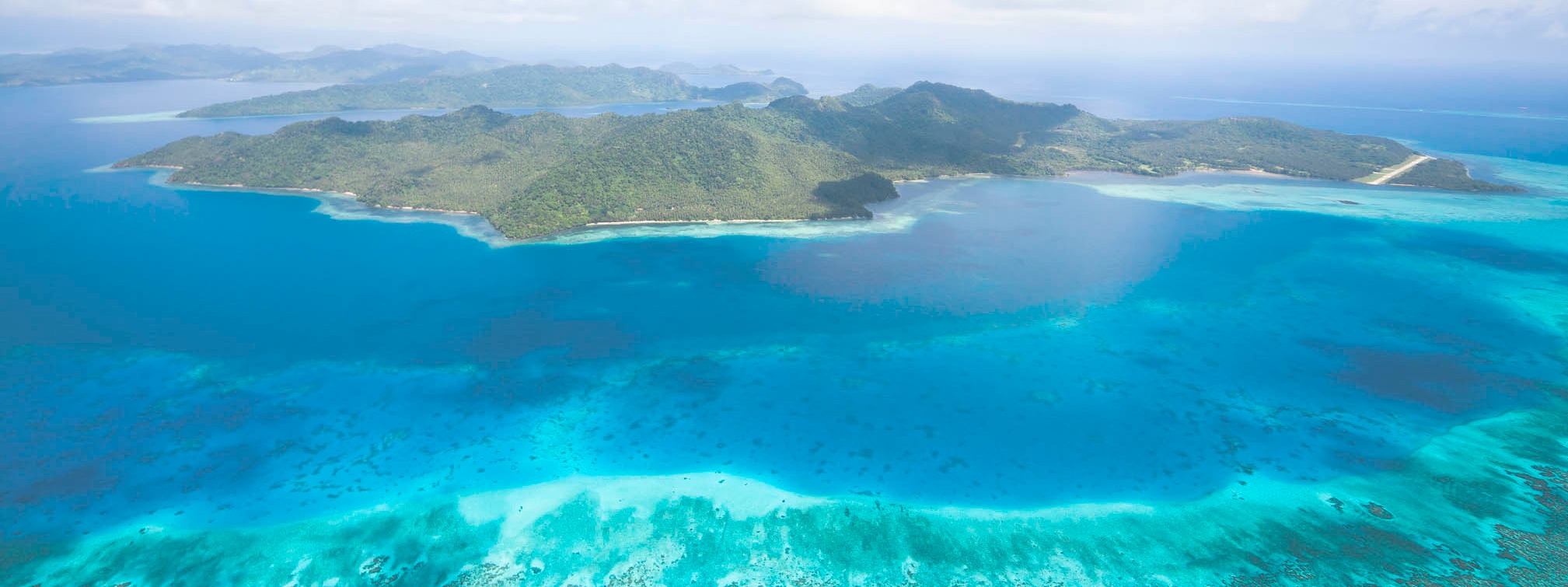

Landscape of Samoa
Flag of Samoa

Samoa

Australia/Oceania

With a population of over 200,000 people, Samoa is a developing country that has made progress in areas such as healthcare, education, and environmental conservation. The country's economy is based on agriculture, tourism, and remittances, but it also faces challenges related to economic development and job creation. Samoa has been working to address issues related to climate change, gender equality, and good governance, while also promoting cultural preservation and sustainable tourism.

What would you like to learn about in Samoa?

Select a section to explore the country where nonprofits are creating positive change.

About Samoa

New Zealand occupied the German protectorate of Western Samoa at the outbreak of World War I in 1914. It continued to administer the islands as a mandate and then as a trust territory until 1962, when the islands became the first Polynesian nation to reestablish independence in the 20th century. The country dropped the "Western" from its name in 1997.

Quick Facts

Population
195,476 (July 2013 est.)
Area
2,831 sq km
ISO Code
WS
Continent
Australia/Oceania
Government
parliamentary democracy
Active Causes
12
View all countries in Australia/Oceania

Geography & Environment

Climate

tropical; rainy season (November to April), dry season (May to October)

Terrain

two main islands (Savaii, Upolu) and several smaller islands and uninhabited islets; narrow coastal plain with volcanic, rocky, rugged mountains in interior

Natural Resources

hardwood forests, fish, hydropower

Environmental Issues

soil erosion, deforestation, invasive species, overfishing

People & Society

72.94 years
Avg. Life Expectancy
98.8%
Literacy Rate
20% of total population (2010)
Total Urban Population

Languages

Samoan (Polynesian) (official), English

Religions

Protestant 59.9% (Congregationalist 34.8%, Methodist 15%, Assembly of God 6.6%, Seventh-Day Adventist 3.5%), Roman Catholic 19.6%, Mormon 12.7%, Worsh...

Health Expenditure

6.5% of GDP (2010) of GDP

Education Expenditure

5.8% of GDP (2008) of GDP

Economy

$6,300
GDP per Capita (PPP)
NA%
Unemployment Rate
NA%
Below Poverty Line

Economic Overview

The economy of Samoa has traditionally been dependent on development aid, family remittances from overseas, agriculture, and fishing. The country is vulnerable to devastating storms. Agriculture employs roughly two-thirds of the labor force and furnishes 90% of exports, featuring coconut cream, coconut oil, and copra. The manufacturing sector mainly processes agricultural products. One factory in the Foreign Trade Zone employs 3,000 people to make automobile electrical harnesses for an assembly plant in Australia. Tourism is an expanding sector accounting for 25% of GDP; 122,000 tourists visit...

Causes in Samoa

Environment

Samoa, a small island nation in the South Pacific, is profoundly affected by environmental factors. Climate change has led to rising sea levels, threatening the very existence of low-lying coastal communities in Samoa. The country also faces challenges such as deforestation, soil erosion, and loss of biodiversity, all of which impact the livelihoods and well-being of its people. Additionally, extreme weather events, such as cyclones and droughts, have become more frequent and intense, further exacerbating these environmental issues. To mitigate these threats, Samoa has been implementing various adaptation and mitigation strategies, including reforestation efforts, sustainable land management practices, and promoting renewable energy sources. It is imperative for global communities to support Samoa in its efforts to address these environmental challenges and safeguard the future of its people.

Family

In Samoa, family plays a paramount role in shaping societal structure, values, and daily life. The concept of family extends beyond immediate relatives to include extended family members, creating a strong sense of community and support networks. In Samoan culture, family relationships are deeply intertwined with respect, duty, and reciprocity. Elders are highly revered and hold significant influence within the family unit, guiding younger generations and upholding traditional customs and beliefs. The Samoan fa'a Samoa (way of Samoa) places a strong emphasis on familial bonds, with obligations to care for and support one another being fundamental aspects of their cultural identity. This interconnectedness within families fosters a collective responsibility for each other's well-being, contributing to a sense of belonging and solidarity within the community.

Human Rights

Human rights play a crucial role in Samoa, a small island nation located in the South Pacific Ocean. With a population of approximately 200,000 people, Samoa faces challenges in upholding and promoting human rights across various sectors. One significant area of concern is gender equality, where women and girls continue to face discrimination and barriers to accessing education, employment, and healthcare services. Violence against women is also prevalent, with domestic violence remaining a pressing issue. Furthermore, indigenous rights are a key focus, as the Samoan people seek to preserve their cultural heritage and land rights in the face of development pressures. Efforts are being made to address these human rights issues through legislative reforms and awareness-raising campaigns, but more work is needed to ensure the protection and promotion of human rights for all individuals in Samoa.

Education

Education plays a crucial role in the development and progress of Samoa, a small island nation in the Pacific. With a literacy rate of over 98%, education is highly valued in Samoan society, contributing significantly to social and economic advancement. The government of Samoa has made significant investments in education, with initiatives aimed at improving access to quality education for all citizens. Despite these efforts, challenges such as limited resources, infrastructure constraints, and geographic isolation persist, particularly in remote areas. Education in Samoa not only equips individuals with knowledge and skills but also fosters critical thinking, innovation, and empowers the youth to contribute to the sustainable development of their nation.

Poverty

In Samoa, poverty presents a significant challenge that impacts various aspects of the nation's social and economic well-being. With approximately 20% of the population living below the national poverty line, limited access to basic necessities such as healthcare, education, and adequate housing remains a pressing issue. The prevalence of poverty in Samoa is often exacerbated by factors such as geographic isolation, limited job opportunities, and natural disasters. These conditions can contribute to a cycle of poverty that hinders overall development and perpetuates social inequalities within the country. Efforts to address poverty in Samoa require a multi-faceted approach that includes targeted social programs, investment in infrastructure, and sustainable economic development initiatives.

Religion

Religion holds significant importance in Samoa, profoundly influencing its societal fabric and cultural norms. With Christianity being the predominant faith practiced by the majority of Samoans, particularly through the Congregational Christian Church of Samoa, religion plays a central role in shaping the values and behaviors of the population. The strong influence of religion is evident in various aspects of Samoan life, from family structures and community dynamics to government policies and public events. The practice of fa'a Samoa, which encompasses traditional customs and Christian beliefs, further showcases the intricate interplay between religion and Samoan identity. Religion also serves as a source of support and guidance for many Samoans, providing a moral compass and fostering a sense of unity within the community. However, it is essential to recognize that while religion can offer solace and structure, it may also contribute to social divisions and intolerance if not approached with openness and respect for diversity.

Clean Water

Samoa, a small island nation located in the South Pacific, faces significant challenges in ensuring access to clean water for its population. With a substantial reliance on rainwater harvesting and groundwater sources, the country is particularly vulnerable to water scarcity and contamination issues. The lack of proper sanitation infrastructure and rapid urbanization further exacerbate these challenges, leading to increased pollution of water sources and heightened risks of waterborne diseases. Clean water is essential for sustaining life, promoting public health, and supporting economic development in Samoa. Therefore, efforts to improve water quality, enhance water management practices, and increase access to safe drinking water are crucial for safeguarding the well-being of Samoan communities and preserving the country's natural resources.

Economy

The economy of Samoa plays a significant role in shaping the livelihoods of its population. As a small island nation in the South Pacific, Samoa faces unique economic challenges, including its reliance on agriculture, tourism, and remittances from Samoans living abroad. The country's economy is vulnerable to external factors such as natural disasters, global economic fluctuations, and climate change. Limited resources and infrastructure development further impact Samoa's economic growth and sustainability. The government's efforts to diversify the economy and promote sustainable development are crucial in addressing these challenges and improving the well-being of its citizens.

Government

The Government of Samoa plays a crucial role in shaping the nation's development and addressing key issues faced by its citizens. As a small island country in the South Pacific, Samoa faces challenges such as climate change, natural disasters, and economic vulnerabilities. The government's policies and actions significantly influence the country's response to these challenges and its overall socio-economic development. Through initiatives such as disaster preparedness programs, sustainable development projects, and social welfare programs, the government aims to improve the resilience and well-being of its people. By implementing effective governance structures and policies, the Samoan government can enhance its capacity to address these pressing issues and promote sustainable growth for its citizens.

Health

Samoa, a country located in the South Pacific, faces significant health challenges that impact its population. Non-communicable diseases such as diabetes, cardiovascular diseases, and obesity are prevalent in Samoa, with a large portion of the population being affected by these conditions. Factors contributing to these health issues include sedentary lifestyles, poor diet choices, and limited access to healthcare services in remote areas. The high prevalence of these diseases places a considerable burden on the country's healthcare system and economy. Additionally, outbreaks of infectious diseases like measles have also posed challenges to Samoa's healthcare infrastructure in recent years. Addressing these health issues requires a comprehensive approach that includes promoting healthy lifestyle choices, improving access to healthcare services, and implementing effective public health strategies.

Children

In Samoa, children face various challenges that impact their well-being and development. Factors such as poverty, limited access to education and healthcare, and exposure to natural disasters pose significant threats to the welfare of Samoan children. Poverty remains a pressing issue, with many families struggling to provide basic necessities for their children. This can lead to malnutrition, limited educational opportunities, and poor health outcomes. Additionally, Samoa's vulnerability to natural disasters such as cyclones and tsunamis exacerbates these challenges, leaving children particularly at risk. Addressing these issues requires a holistic approach that focuses on improving access to education, healthcare, and social support systems for children in Samoa.

Animals

Samoa, a country located in the South Pacific, is home to a diverse range of animal species that play a crucial role in the ecosystem and cultural heritage of the nation. Animals in Samoa, such as sea turtles, fruit bats, and native birds, hold significant importance in the local ecosystem by contributing to pollination, seed dispersal, and maintaining ecological balance. However, these animals face threats such as habitat loss, climate change, and predation by introduced species. Conservation efforts are essential to protect these species and preserve Samoa's biodiversity for future generations. Raising awareness about the significance of these animals and the need for their protection is crucial in ensuring their survival and maintaining a healthy environment in Samoa.

Nonprofits Working in Samoa

Discover organizations making a difference in Samoa

KENDALL OPTOMETRY MINISTRY INC

ORGANIZATIONAL MISSION STATEMENT With primary emphasis in underdeveloped countries, Kendall Optometry Ministry, Inc. was established in 2003 to spread the Word of our Lord and Savior Jesus Christ. This is accomplished by providing glasses to improve the vision of people living in many underdeveloped countries. These impoverished people can now see to read their Bible, and also improve their standard of living. Kendall Optometry Ministry, Inc (KOM) is a 501-3c non-profit organization formed to provide optical equipment and training to Christian optical mission teams traveling all over the world. The equipment and training is provided at no cost and supplies are provided at a break even price. Teams are responsible for building their own eyeglasses inventory but much assistance (in the form of training and software) is provided by KOM to assist in the building of this inventory. KOM also has a limited supply of barcoded glasses (prescription in barcode) which can be used to quickly build an inventory. A testimonial by the President. (Revised: 9/8/2018) I grew up in a Christian family. My father, M. H. Kendall , was a college professor and head of the religion department at Mars Hill College, Mars Hill, N.C. for nearly 40 years. I worked for 29 years for General Electric Appliances in Louisville, Ky. During the last 4 years I averaged several hundred thousand miles each year on international travel installing computer systems. All of this travel went flawlessly. God blessed me in everything that I did. It was something that I found to be obvious that God had a hand in my work. In July, 1999 I decided I would take one mission trip to Honduras working through an organization called "Baptist Medical Dental Mission International" (BMDMI.ORG). My intent was to "pay back the Lord" with this one mission trip. When I arrived in the village, I asked the team leader what he wanted me to do. He said he had several boxes of used prescription glasses to hand out. These glasses were dirty, broken, and not measured. As you can see in Figure 1 to the left (scroll down a bit), we just set them out on a table and people came by and tried them on until something helped them. I immediately knew this was wrong but it was the best we could do then. I came back from that trip with a God Given passion to do it better. Since 1999 I have gone to Honduras 27 times and Nicaragua 3 times. Each time something would be improved. The use of the autorefractor was introduced into Honduras in 2003 (to see Figure 2 scroll down a bit) and another one into Nicaragua in 2004. A special series of computer programs were developed to manage and build the inventory. You can review these programs at http://eyeglasses-Inventory.com/. Since 2003 of the 51 BMDMI mission teams more than 95% of these teams use the equipment and software developed by Kendall Optometry Ministry, Inc. In 2003 Kendall Optometry Ministry was incorporated as a 501-3c non-profit company. Using donations provided by several churches and individuals this company purchased a set of equipment which could be loaned out to Christian mission teams going all over the world. Later in 2005 a 2nd kit was purchased and in 2006 a 3rd and a 4th kit was purchased. In the beginning of 2007 a 5th kit was purchased. At the end of 2007 a 6th and 7th kit including a Retinomax 3 was purchased. By the end of 2009 the company owned 10 kits. In 2010 the company purchased two more kits. In 2011 the company purchased 1 more kit bringing the total to 13. By 2017 the company had purchased 18 kits. In 2018 KOM purchased kit number 19. See the growth of the company at this link. 2018 is only part of the year on this graph. Other teams will participate. The teams use this equipment to not only allow people to read their Bible but to also to help them improve their standard of living. You can read about some of these teams in the Teams Supported area of this web site. Tell us about your Christian mission team. Let us help you be more effective in your work for the Lord. If you would like our help send an E-Mail to: HollandKendall@kendalloptoministry.org Holland Kendall, President Kendall Optometry Ministry, Inc.

LOUISVILLE, Kentucky

Make Your Impact Today

Discover causes you care about and support the nonprofits making a difference in communities around the world.

Are you a nonprofit? Join Project World Impact for free

Join Us Free