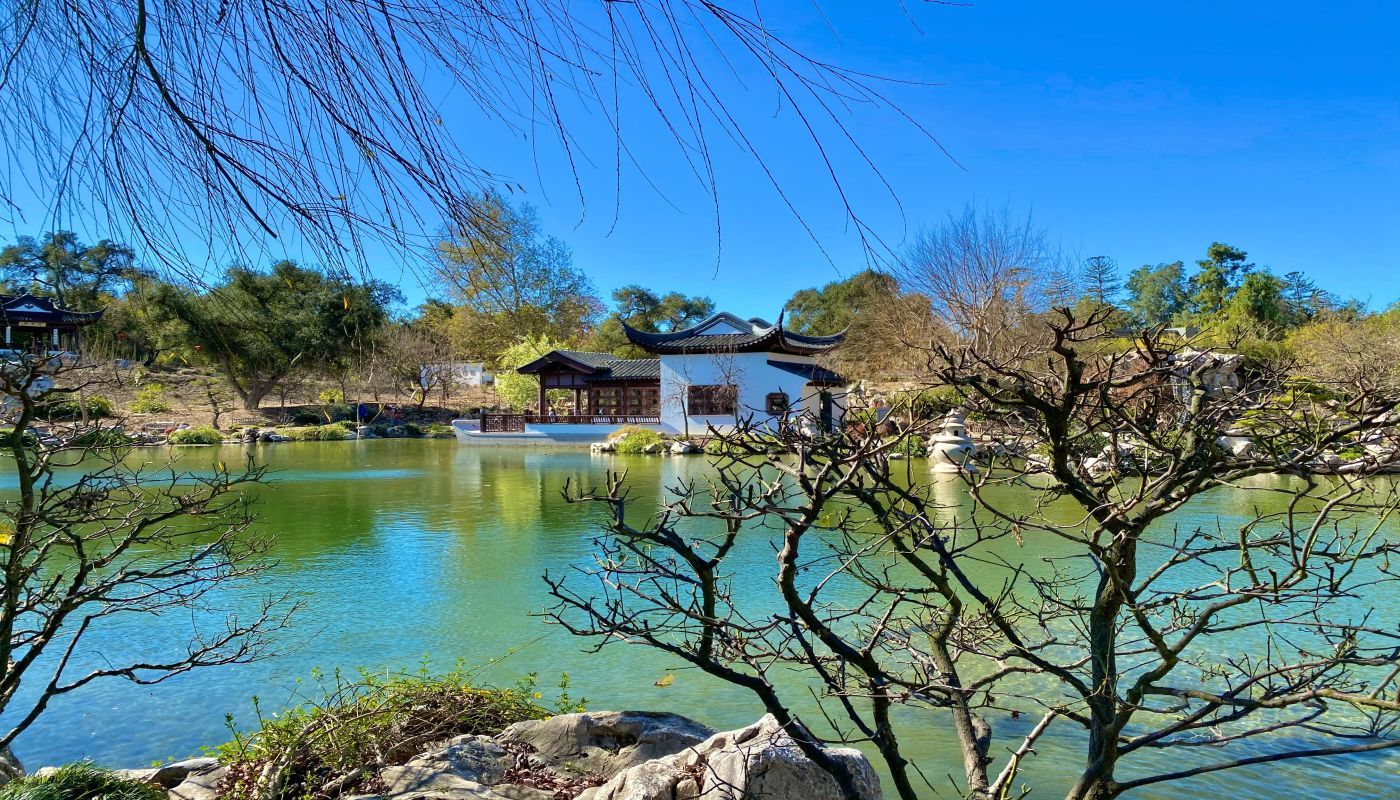
Landscape of San Marino
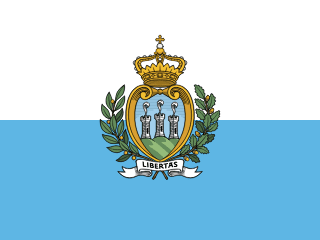
Flag of San Marino

San Marino

Europe

San Marino has a population of approximately 34,000 people. Founded in the 4th century AD, San Marino is one of the oldest continuously inhabited countries in the world. The country has faced challenges related to its small size and limited economic opportunities. Efforts are underway to diversify the economy and promote sustainable development, including investments in renewable energy and tourism.

What would you like to learn about in San Marino?

Select a section to explore the country where nonprofits are creating positive change.

About San Marino

Geographically the third smallest state in Europe (after the Holy See and Monaco), San Marino also claims to be the world's oldest republic. According to tradition, it was founded by a Christian stonemason named Marinus in A.D. 301. San Marino's foreign policy is aligned with that of the European Union, although it is not a member; social and political trends in the republic track closely with those of its larger neighbor, Italy.

Quick Facts

Population
32,448 (July 2013 est.)
Area
61 sq km
ISO Code
SM
Continent
Europe
Government
republic
Active Causes
12
View all countries in Europe

Geography & Environment

Climate

Mediterranean; mild to cool winters; warm, sunny summers

Terrain

rugged mountains

Natural Resources

building stone

Environmental Issues

air pollution; urbanization decreasing rural farmlands

People & Society

83.12 years
Avg. Life Expectancy
96%
Literacy Rate
94% of total population (2010)
Total Urban Population

Languages

Italian

Religions

Roman Catholic

Health Expenditure

7.1% of GDP (2010) of GDP

Education Expenditure

NA of GDP

Economy

$36,200
GDP per Capita (PPP)
7%
Unemployment Rate
NA%
Below Poverty Line

Economic Overview

San Marino's economy relies heavily on tourism, the banking industry and the manufacture and export of ceramics, clothing, fabrics, furniture, paints, spirits, tiles, and wine. The manufacturing and financial sectors account for more than half of San Marino's GDP. The per capita level of output and standard of living are comparable to those of the most prosperous regions of Italy. The economy benefits from foreign investment due to its relatively low corporate taxes and low taxes on interest earnings. The income tax rate is also very low, about one-third the average EU level. San Marino does n...

Causes in San Marino

Environment

San Marino, a landlocked microstate surrounded by Italy, faces environmental challenges that impact its population and ecosystem. Being a small country, San Marino is particularly vulnerable to environmental issues such as air pollution, deforestation, and waste management. The country's reliance on tourism and agriculture makes it essential to protect its natural resources and landscapes. Additionally, climate change poses a threat to the region, including risks of extreme weather events and rising sea levels. The government of San Marino has taken steps to address these concerns, including initiatives to promote sustainability and reduce carbon emissions. However, continued efforts are needed to safeguard the environment for future generations.

Family

Family plays a significant role in the social fabric of San Marino, a small landlocked country in Southern Europe. In this close-knit community, family bonds are highly valued and form the foundation of societal structure. The concept of family extends beyond immediate relatives to include extended family members, creating a strong support system for individuals. Family gatherings and celebrations are important social events that strengthen these connections and maintain traditions. The emphasis on family values in San Marino promotes unity, respect, and a sense of belonging among its citizens, contributing to their overall well-being and mental health.

Human Rights

San Marino, a microstate landlocked within Italy, has a population of approximately 34,000 individuals. Despite its small size, the country is deeply influenced by human rights issues. As a member of the United Nations and the Council of Europe, San Marino is committed to upholding human rights standards. However, challenges persist, particularly in areas such as gender equality, discrimination, and protection of minorities. The government has taken steps to address these issues through legislative measures and awareness campaigns, but more efforts are needed to ensure full compliance with international human rights norms. By raising awareness about human rights in San Marino, we can contribute to fostering a more inclusive and equitable society for all its residents.

Education

San Marino, a microstate landlocked within Italy, prides itself on its strong educational system. Education plays a critical role in shaping the future of the citizens of San Marino, as it provides them with the necessary knowledge and skills to thrive in a competitive global economy. The country's education system is characterized by high-quality standards and a commitment to providing equal opportunities for all students. With a focus on academic excellence and innovation, San Marino places great emphasis on equipping its young population with the tools they need to succeed in an ever-evolving world. By investing in education, San Marino not only ensures the personal growth and development of its citizens but also contributes to the overall socio-economic progress of the nation.

Poverty

San Marino, a microstate surrounded by Italy, faces unique challenges related to poverty despite being considered one of the wealthiest countries in the world. The impact of poverty in San Marino is primarily seen in its high cost of living, limited job opportunities, and income inequality. While the country boasts a strong economy driven by tourism and finance, there are still vulnerable segments of the population that struggle to make ends meet. The lack of affordable housing and social support services exacerbates the issue, leading to a persistent cycle of poverty for some residents. It is important to raise awareness about the existence of poverty in San Marino and advocate for policies that address the needs of those most affected.

Religion

San Marino, a small landlocked microstate surrounded by Italy, has a unique relationship with religion that significantly influences its societal fabric. The official religion of San Marino is Roman Catholicism, with approximately 97% of the population adhering to this faith. Religion plays a vital role in shaping the cultural and social norms of the country, with religious festivals, traditions, and values deeply ingrained in everyday life. The influence of the Catholic Church is evident in various aspects of San Marino's governance, education system, and moral principles. Despite the separation of church and state, the Catholic Church continues to exert considerable influence on public policy discussions and societal attitudes in San Marino.

Clean Water

San Marino, a small landlocked country surrounded by Italy, faces challenges regarding clean water access and quality. Despite having a relatively small population, San Marino's water resources are limited, making water conservation crucial. The country relies heavily on groundwater sources for its water supply, making it vulnerable to contamination from agricultural activities and urban development. Clean water is essential for San Marino's tourism industry, as well as for the health and well-being of its residents. Efforts to protect and manage water resources are imperative to ensure sustainable access to clean water in San Marino.

Economy

San Marino, a small landlocked country surrounded by Italy, has a unique economy heavily reliant on tourism, agriculture, and finance. With limited natural resources and industrial capabilities, San Marino's economy is vulnerable to external factors. The country's GDP is primarily driven by tourism, particularly due to its historical sites and picturesque landscapes. However, the recent global economic downturn and travel restrictions have significantly impacted this sector. Additionally, the financial services industry plays a crucial role in San Marino's economy, attracting foreign investments. Nevertheless, challenges such as international regulations and competition from larger financial hubs pose threats to its financial sector. Understanding the delicate balance of these economic factors is essential in supporting the sustainable development of San Marino.

Government

San Marino, a small landlocked country surrounded by Italy, has a unique governmental structure that influences its daily life. As the world's oldest surviving republic, San Marino operates under a parliamentary representative democratic system. The country's government consists of a Council of Ministers led by the Captains Regent, who are elected every six months. The impact of the government in San Marino is significant, as it shapes the legislative processes, policies, and decision-making that affect its population of around 34,000 people. The government plays a crucial role in areas such as healthcare, education, economy, and social welfare, ensuring the well-being and progress of its citizens. Understanding the governmental structure of San Marino is essential to appreciating the country's rich history and unique position in the modern world.

Health

San Marino, a microstate surrounded by Italy, faces unique challenges in its healthcare system due to its small size and limited resources. With a population of approximately 34,000 residents, access to quality healthcare services is crucial for the well-being of its people. The country has a public healthcare system that provides universal coverage for its citizens, ensuring that everyone has access to essential medical services. However, the limited healthcare infrastructure and workforce pose significant challenges in delivering comprehensive care to the population. The country also faces issues such as an aging population and increasing prevalence of chronic diseases, which further strain the healthcare system. In order to address these challenges, San Marino must continue to invest in its healthcare infrastructure, enhance preventive care initiatives, and strengthen collaboration with neighboring countries for specialized treatments.

Children

San Marino, a small landlocked country surrounded by Italy, faces various challenges regarding child welfare and development. Despite being one of the wealthiest countries in the world, issues such as child poverty, access to quality education, and healthcare remain prevalent. Children in San Marino are vulnerable to social inequalities and face obstacles in accessing basic needs and opportunities for growth. Efforts to address these concerns require collaborative initiatives from the government, non-governmental organizations, and the international community to ensure the well-being and rights of all children in San Marino.

Animals

San Marino, a small landlocked country surrounded by Italy, is known for its rich history and stunning landscapes. Animals play a significant role in San Marino's ecosystem and cultural heritage. The diverse wildlife in this region includes species such as foxes, wild boars, and various bird species. These animals contribute to the delicate balance of the local environment and are essential for maintaining biodiversity. However, habitat loss, climate change, and human activities pose threats to the animal populations in San Marino. Conservation efforts and sustainable practices are crucial to protect the natural habitats of these animals and ensure their survival for future generations.

Make Your Impact Today

Discover causes you care about and support the nonprofits making a difference in communities around the world.

Are you a nonprofit? Join Project World Impact for free

Join Us Free