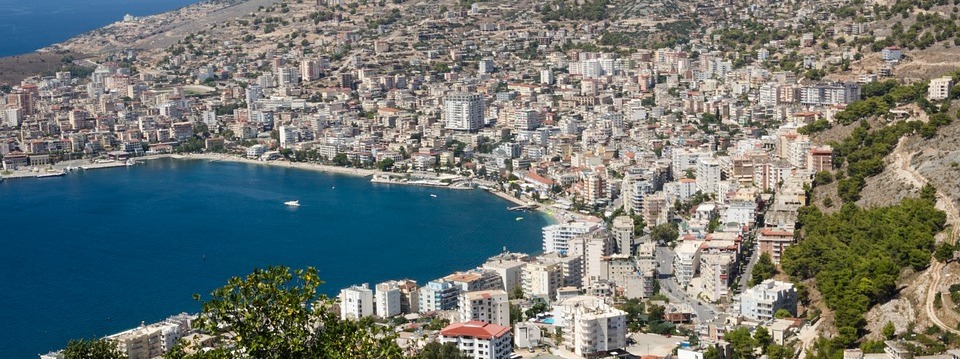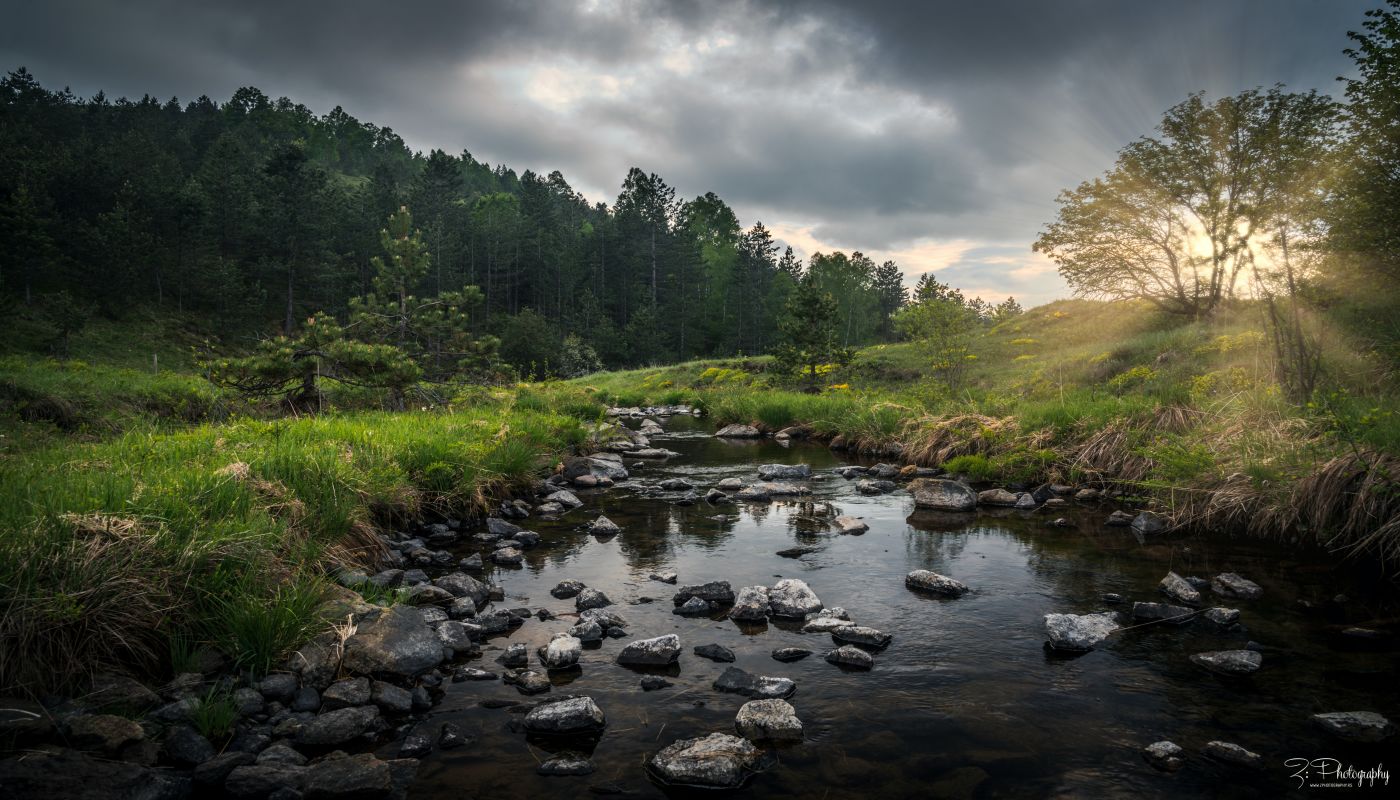
Landscape of Serbia
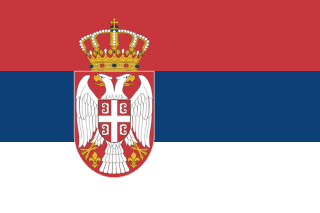
Flag of Serbia

Serbia

Europe

Serbia is a country located in southeastern Europe, with a population of over 7 million people. The city of Belgrade is one of the oldest continuously inhabited cities in Europe, with a history dating back over 7,000 years. Despite challenges related to corruption and economic inequality, Serbia has made significant progress in recent years towards becoming a more democratic and prosperous country. Efforts to end corruption and promote economic growth are ongoing, with the country working towards greater integration with the European Union.

What would you like to learn about in Serbia?

Select a section to explore the country where nonprofits are creating positive change.

About Serbia

The Kingdom of Serbs, Croats, and Slovenes was formed in 1918; its name was changed to Yugoslavia in 1929. Various paramilitary bands resisted Nazi Germany's occupation and division of Yugoslavia from 1941 to 1945, but fought each other and ethnic opponents as much as the invaders. The military and political movement headed by Josip "TITO" Broz (Partisans) took full control of Yugoslavia when German and Croatian separatist forces were defeated in 1945. Although communist, TITO's new government and his successors (he died in 1980) managed to steer their own path between the Warsaw Pact nations and the West for the next four and a half decades. In 1989, Slobodan MILOSEVIC became president of the Republic of Serbia and his ultranationalist calls for Serbian domination led to the violent breakup of Yugoslavia along ethnic lines. In 1991, Croatia, Slovenia, and Macedonia declared independence, followed by Bosnia in 1992. The remaining republics of Serbia and Montenegro declared a new Federal Republic of Yugoslavia (FRY) in April 1992 and under MILOSEVIC's leadership, Serbia led various military campaigns to unite ethnic Serbs in neighboring republics into a "Greater Serbia." These actions were ultimately unsuccessful and led to the signing of the Dayton Peace Accords in 1995. MILOSEVIC retained control over Serbia and eventually became president of the FRY in 1997. In 1998, an ethnic Albanian insurgency in the formerly autonomous Serbian province of Kosovo provoked a Serbian counterinsurgency campaign that resulted in massacres and massive expulsions of ethnic Albanians living in Kosovo. The MILOSEVIC government's rejection of a proposed international settlement led to NATO's bombing of Serbia in the spring of 1999, to the withdrawal of Serbian military and police forces from Kosovo in June 1999, and to the stationing of a NATO-led force in Kosovo to provide a safe and secure environment for the region's ethnic communities. FRY elections in late 2000 led to the ouster of MILOSEVIC and the installation of democratic government. In 2003, the FRY became Serbia and Montenegro, a loose federation of the two republics. Widespread violence predominantly targeting ethnic Serbs in Kosovo in March 2004 caused the international community to open negotiations on the future status of Kosovo in January 2006. In June 2006, Montenegro seceded from the federation and declared itself an independent nation. Serbia subsequently gave notice that it was the successor state to the union of Serbia and Montenegro. In February 2008, after nearly two years of inconclusive negotiations, the UN-administered province of Kosovo declared itself independent of Serbia - an action Serbia refuses to recognize. At Serbia's request, the UN General Assembly (UNGA) in October 2008 sought an advisory opinion from the International Court of Justice (ICJ) on whether Kosovo's unilateral declaration of independence was in accordance with international law. In a ruling considered unfavorable to Serbia, the ICJ issued an advisory opinion in July 2010 stating that international law did not prohibit declarations of independence. In late 2010, Serbia agreed to an EU-drafted UNGA Resolution acknowledging the ICJ's decision and calling for a new round of talks between Serbia and Kosovo, this time on practical issues rather than Kosovo's status. The EU-moderated Belgrade-Pristina dialogue began in March 2011 and was raised to the level of prime ministers in October 2012.

Quick Facts

Population
7,243,007 (July 2013 est.)
Area
77,474 sq km
ISO Code
RS
Continent
Europe
Government
republic
Active Causes
12
View all countries in Europe

Geography & Environment

Climate

in the north, continental climate (cold winters and hot, humid summers with well-distributed rainfall); in other parts, continental and Mediterranean climate (relatively cold winters with heavy snowfa...

Terrain

extremely varied; to the north, rich fertile plains; to the east, limestone ranges and basins; to the southeast, ancient mountains and hills

Natural Resources

oil, gas, coal, iron ore, copper, zinc, antimony, chromite, gold, silver, magnesium, pyrite, limestone, marble, salt, arable land

Environmental Issues

air pollution around Belgrade and other industrial cities; water pollution from industrial wastes dumped into the Sava which flows into the Danube

People & Society

74.79 years
Avg. Life Expectancy
98%
Literacy Rate
56% of total population (2010)
Total Urban Population

Languages

Serbian (official) 88.3%, Hungarian 3.8%, Bosniak 1.8%, Romany (Gypsy) 1.1%, other 4.1%, unknown 0.9% (2002 census)

Religions

Serbian Orthodox 85%, Catholic 5.5%, Protestant 1.1%, Muslim 3.2%, unspecified 2.6%, other, unknown, or atheist 2.6% (2002 census)

Health Expenditure

10.4% of GDP (2010) of GDP

Education Expenditure

4.7% of GDP (2010) of GDP

Economy

$10,600
GDP per Capita (PPP)
25.9%
Unemployment Rate
9.2% (2010 est.)
Below Poverty Line

Economic Overview

Serbia has a transitional economy mostly dominated by market forces, but the state sector remains large and many institutional reforms are needed. The economy relies on manufacturing and exports, driven largely by foreign investment. MILOSEVIC-era mismanagement of the economy, an extended period of international economic sanctions, civil war, and the damage to Yugoslavia's infrastructure and industry during the NATO airstrikes in 1999 left the economy only half the size it was in 1990. After the ousting of former Federal Yugoslav President MILOSEVIC in September 2000, the Democratic Opposition...

Causes in Serbia

Environment

Serbia, a country located in Southeast Europe, faces significant environmental challenges that impact its population and natural resources. Air pollution, inadequate waste management, deforestation, and water pollution are among the key environmental issues in Serbia. The World Health Organization has reported that air pollution levels in Serbian cities often exceed recommended limits, leading to respiratory illnesses and other health problems among its citizens. Inefficient waste management practices contribute to pollution of land and water sources, posing risks to both human health and ecosystems. Deforestation, primarily driven by agriculture and urbanization, threatens biodiversity and exacerbates soil erosion. Furthermore, water pollution from industrial activities and inadequate wastewater treatment affects the quality of drinking water and aquatic habitats.

Family

Family holds a significant role in Serbian society, shaping not only individual identities but also the fabric of the community at large. In Serbia, family ties are deeply valued and play a crucial role in the social structure. The concept of family extends beyond just immediate relatives to include extended family members, creating a strong sense of interconnectedness and support. Family gatherings and celebrations are important events that strengthen these bonds and reinforce traditions that have been passed down through generations. Moreover, the family unit is often considered a source of emotional and financial support, particularly in times of need. This emphasis on family solidarity fosters a sense of belonging and security for individuals within Serbian communities.

Human Rights

Serbia, a country located in Southeast Europe, has a long history of grappling with human rights issues that have had a significant impact on its population. The legacy of the Yugoslav Wars in the 1990s has left deep scars, with ethnic tensions and discrimination still prevalent in society. Discrimination against minority groups, such as the Roma population and LGBTQ+ community, remains a pressing concern. Additionally, freedom of expression and media independence face challenges, impacting the ability of citizens to access unbiased information. The government has taken steps to address these issues, but more efforts are needed to ensure the protection of human rights for all individuals in Serbia.

Education

Education plays a significant role in the development and progression of Serbia, a country located in Southeast Europe. With a literacy rate of over 98%, education is highly valued and seen as a crucial factor in improving the country's economic and social well-being. However, despite these positive indicators, Serbia faces challenges in its education system such as outdated teaching methods, lack of resources, and disparities between urban and rural areas. These issues hinder the full potential of education to drive progress and innovation within the country. By addressing these challenges and investing in modernizing its education system, Serbia can enhance its human capital, promote sustainable development, and ultimately contribute to a more prosperous future for its citizens.

Poverty

Poverty remains a significant challenge in Serbia, with approximately 19.3% of the population living below the national poverty line. The issue is particularly acute in rural areas, where access to basic services and employment opportunities is limited. Poverty in Serbia is exacerbated by high unemployment rates, especially among youth and vulnerable groups such as the Roma population. This economic hardship contributes to social exclusion, inadequate living conditions, and limited access to education and healthcare. Addressing poverty in Serbia requires comprehensive strategies that focus on creating sustainable employment opportunities, improving social protection systems, and enhancing access to education and healthcare services for all citizens. Source: World Bank - Serbia Poverty Assessment (2018)

Religion

Serbia, a country located in Southeast Europe, is known for its diverse religious landscape. Religion plays a significant role in the lives of its people, with the majority of the population identifying as Orthodox Christian. The Serbian Orthodox Church holds considerable influence in the country, shaping cultural practices, traditions, and societal norms. Religious holidays and rituals are widely observed, reflecting the deep-rooted connection between religion and daily life in Serbia. However, religious diversity exists within the country, with Muslim and Catholic minorities also contributing to its religious fabric. Despite this diversity, tensions and conflicts have emerged at times, highlighting the complexities of religious dynamics in Serbia. It is essential to understand how religion impacts Serbian society to appreciate the nuances of its cultural identity.

Clean Water

Serbia, a landlocked country located in Southeast Europe, faces challenges with access to clean water. With around 1.7 million people lacking access to safe drinking water, Serbia struggles with water pollution and inadequate infrastructure, particularly in rural areas. The contamination of rivers and groundwater sources poses serious health risks to the population, leading to waterborne diseases and environmental degradation. Furthermore, factors such as industrial activities, agricultural runoff, and aging water supply systems contribute to the worsening water quality in the country. Addressing these issues is crucial for the health and well-being of the Serbian people, as clean water is essential for sustainable development and public health.

Economy

Serbia, located in Southeast Europe, has a developing economy that plays a significant role in shaping the country's overall well-being. The economy of Serbia is primarily based on services, manufacturing, agriculture, and mining industries. However, the country faces challenges such as high unemployment rates, income inequality, and a large informal economy sector. These factors impede economic growth and hinder the quality of life for many Serbian citizens. Additionally, Serbia's economy is vulnerable to external factors such as global market fluctuations and geopolitical tensions in the region. It is crucial for policymakers and stakeholders to address these challenges and strive towards sustainable economic development to improve the livelihoods of the Serbian population.

Government

Serbia, a country located in Southeast Europe, faces various challenges that are influenced by its government. The government of Serbia plays a crucial role in shaping the country's economic development, social policies, and overall stability. Political corruption, lack of transparency, and inefficiency in governance have been ongoing issues that hinder Serbia's progress. These factors not only affect the country's growth but also impact the lives of its citizens, leading to widespread discontent and unrest. Furthermore, the government's stance on key issues such as human rights, environmental protection, and foreign relations significantly influences Serbia's standing on the global stage. It is imperative for the government to address these issues effectively to ensure a prosperous future for the nation and its people.

Health

Health is a critical aspect that significantly impacts the population of Serbia. The country faces various health challenges, including a high prevalence of non-communicable diseases such as cardiovascular diseases, cancer, and diabetes. Factors such as smoking, excessive alcohol consumption, and a lack of physical activity contribute to the burden of these diseases. Additionally, healthcare infrastructure in Serbia faces challenges in terms of access to quality healthcare services, with rural areas often experiencing limited resources. Addressing these health issues requires a comprehensive approach that focuses on promoting healthy lifestyle choices, improving healthcare access, and enhancing healthcare infrastructure. By raising awareness and implementing effective strategies, Serbia can work towards improving the overall health and well-being of its population.

Children

Children in Serbia face numerous challenges that impact their well-being and development. Poverty, inadequate access to education, and the effects of the country's history of conflict are all factors that contribute to the struggles faced by Serbian children. According to UNICEF, around 8.7% of children in Serbia live in poverty, with many lacking access to basic necessities such as adequate nutrition and healthcare. Additionally, the education system in Serbia faces issues such as overcrowded classrooms and a lack of resources, hindering children's ability to receive a quality education. The lingering effects of past conflicts in the region also have a profound impact on children's mental health and well-being. It is crucial for both government and non-governmental organizations to work together to address these issues and ensure that Serbian children have the support they need to thrive and reach their full potential.

Animals

In Serbia, animals play a significant role in the country's cultural heritage and economy. Livestock farming, particularly of pigs, cattle, and poultry, is a major sector supporting many rural communities. Additionally, Serbia's diverse wildlife, including species like brown bears, wolves, and lynx, contributes to the country's rich natural biodiversity. However, despite their importance, animals in Serbia face various challenges such as habitat loss, poaching, and illegal pet trade. Conservation efforts are underway to protect endangered species and promote animal welfare through legislation and education initiatives. It is crucial for society to recognize the value of animals in Serbia and work towards creating a sustainable future for both wildlife and domestic animals.

Nonprofits Working in Serbia

Discover organizations making a difference in Serbia

KENDALL OPTOMETRY MINISTRY INC

ORGANIZATIONAL MISSION STATEMENT With primary emphasis in underdeveloped countries, Kendall Optometry Ministry, Inc. was established in 2003 to spread the Word of our Lord and Savior Jesus Christ. This is accomplished by providing glasses to improve the vision of people living in many underdeveloped countries. These impoverished people can now see to read their Bible, and also improve their standard of living. Kendall Optometry Ministry, Inc (KOM) is a 501-3c non-profit organization formed to provide optical equipment and training to Christian optical mission teams traveling all over the world. The equipment and training is provided at no cost and supplies are provided at a break even price. Teams are responsible for building their own eyeglasses inventory but much assistance (in the form of training and software) is provided by KOM to assist in the building of this inventory. KOM also has a limited supply of barcoded glasses (prescription in barcode) which can be used to quickly build an inventory. A testimonial by the President. (Revised: 9/8/2018) I grew up in a Christian family. My father, M. H. Kendall , was a college professor and head of the religion department at Mars Hill College, Mars Hill, N.C. for nearly 40 years. I worked for 29 years for General Electric Appliances in Louisville, Ky. During the last 4 years I averaged several hundred thousand miles each year on international travel installing computer systems. All of this travel went flawlessly. God blessed me in everything that I did. It was something that I found to be obvious that God had a hand in my work. In July, 1999 I decided I would take one mission trip to Honduras working through an organization called "Baptist Medical Dental Mission International" (BMDMI.ORG). My intent was to "pay back the Lord" with this one mission trip. When I arrived in the village, I asked the team leader what he wanted me to do. He said he had several boxes of used prescription glasses to hand out. These glasses were dirty, broken, and not measured. As you can see in Figure 1 to the left (scroll down a bit), we just set them out on a table and people came by and tried them on until something helped them. I immediately knew this was wrong but it was the best we could do then. I came back from that trip with a God Given passion to do it better. Since 1999 I have gone to Honduras 27 times and Nicaragua 3 times. Each time something would be improved. The use of the autorefractor was introduced into Honduras in 2003 (to see Figure 2 scroll down a bit) and another one into Nicaragua in 2004. A special series of computer programs were developed to manage and build the inventory. You can review these programs at http://eyeglasses-Inventory.com/. Since 2003 of the 51 BMDMI mission teams more than 95% of these teams use the equipment and software developed by Kendall Optometry Ministry, Inc. In 2003 Kendall Optometry Ministry was incorporated as a 501-3c non-profit company. Using donations provided by several churches and individuals this company purchased a set of equipment which could be loaned out to Christian mission teams going all over the world. Later in 2005 a 2nd kit was purchased and in 2006 a 3rd and a 4th kit was purchased. In the beginning of 2007 a 5th kit was purchased. At the end of 2007 a 6th and 7th kit including a Retinomax 3 was purchased. By the end of 2009 the company owned 10 kits. In 2010 the company purchased two more kits. In 2011 the company purchased 1 more kit bringing the total to 13. By 2017 the company had purchased 18 kits. In 2018 KOM purchased kit number 19. See the growth of the company at this link. 2018 is only part of the year on this graph. Other teams will participate. The teams use this equipment to not only allow people to read their Bible but to also to help them improve their standard of living. You can read about some of these teams in the Teams Supported area of this web site. Tell us about your Christian mission team. Let us help you be more effective in your work for the Lord. If you would like our help send an E-Mail to: HollandKendall@kendalloptoministry.org Holland Kendall, President Kendall Optometry Ministry, Inc.

LOUISVILLE, Kentucky
WORLD MISSIONS ALLIANCE

WORLD MISSIONS ALLIANCE

To cultivate a culture of global involvement among the Christians by fulfilling Acts 1:8: “But you will receive power when the Holy Spirit comes on you; and you will be my witnesses in Jerusalem, and in all Judea and Samaria, and to the ends of the earth.” To create a community of individuals of different ages, social and cultural backgrounds who are united by the passion to spread the Gospel and see lives transformed. We are the catalyst of change through the power of Christ’s love in the spiritually dark and devastated nations, meeting the spiritual and physical needs of the people. Our mission is to change lives – in the nations and in our own country. The Great Commission transforms not only the mission field but the missionaries as well.

BRANSON WEST, Missouri

Make Your Impact Today

Discover causes you care about and support the nonprofits making a difference in communities around the world.

Are you a nonprofit? Join Project World Impact for free

Join Us Free