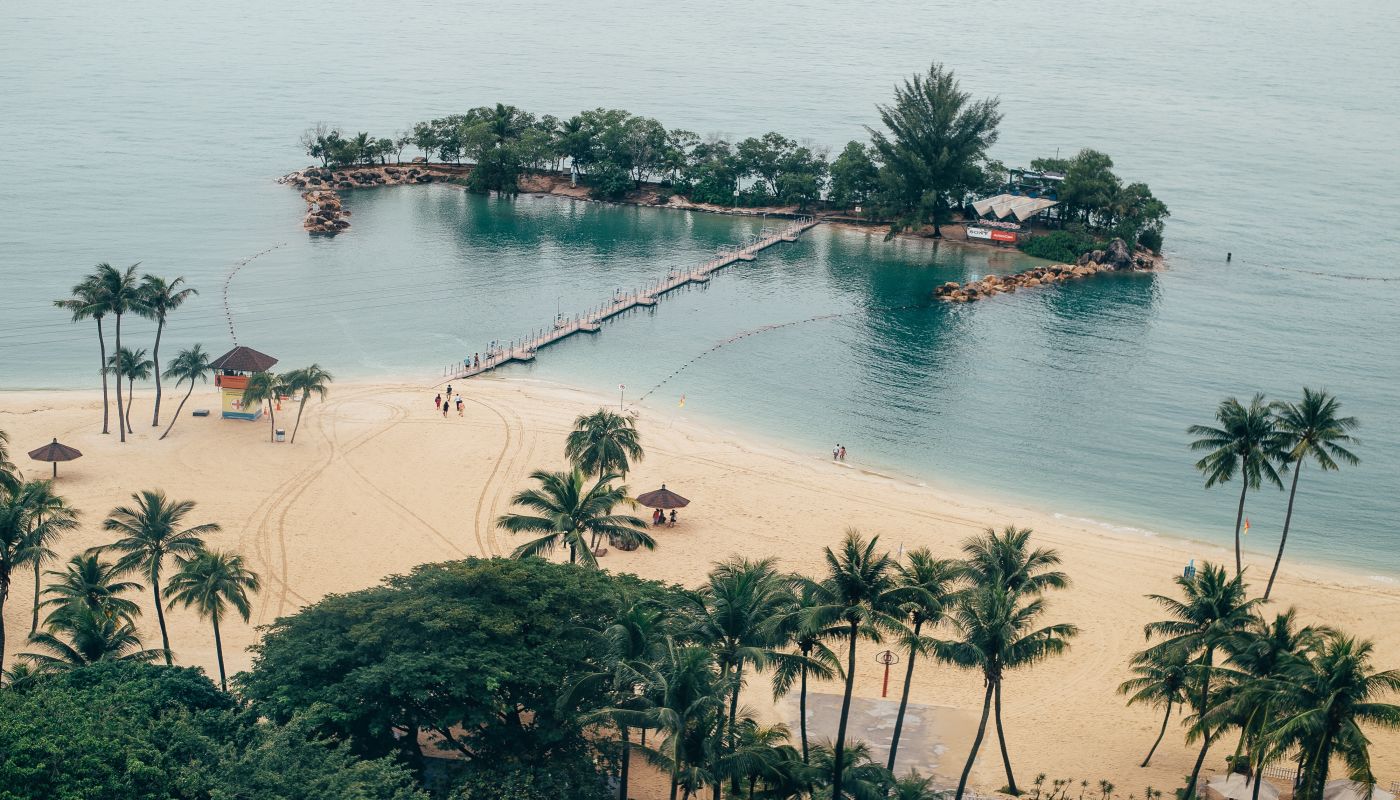
Landscape of Singapore
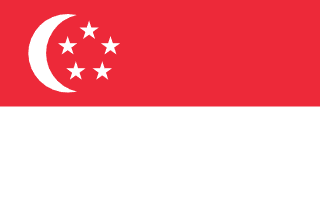
Flag of Singapore

Singapore

Asia

Singapore is a small but highly developed city-state located in Southeast Asia, known for its stunning skyline, multicultural society, and efficient government. With a population of over 5.7 million people, Singapore is one of the wealthiest and most prosperous countries in the world. The country's economy is based on manufacturing, finance, and services, and it is known for its innovation and entrepreneurial spirit. Singapore faces challenges related to income inequality, environmental sustainability, and an aging population, but the government is working to alleviate these struggles.

What would you like to learn about in Singapore?

Select a section to explore the country where nonprofits are creating positive change.

About Singapore

Singapore was founded as a British trading colony in 1819. It joined the Malaysian Federation in 1963 but separated two years later and became independent. Singapore subsequently became one of the world's most prosperous countries with strong international trading links (its port is one of the world's busiest in terms of tonnage handled) and with per capita GDP equal to that of the leading nations of Western Europe.

Quick Facts

Population
5,460,302 (July 2013 est.)
Area
697 sq km
ISO Code
SG
Continent
Asia
Government
parliamentary republic
Active Causes
12
View all countries in Asia

Geography & Environment

Climate

tropical; hot, humid, rainy; two distinct monsoon seasons - Northeastern monsoon (December to March) and Southwestern monsoon (June to September); inter-monsoon - frequent afternoon and early evening...

Terrain

lowland; gently undulating central plateau contains water catchment area and nature preserve

Natural Resources

fish, deepwater ports

Environmental Issues

industrial pollution; limited natural freshwater resources; limited land availability presents waste disposal problems; seasonal smoke/haze resulting from forest fires in Indonesia

People & Society

84.07 years
Avg. Life Expectancy
95.9%
Literacy Rate
100% of total population (2011)
Total Urban Population

Languages

Mandarin (official) 35%, English (official) 23%, Malay (official) 14.1%, Hokkien 11.4%, Cantonese 5.7%, Teochew 4.9%, Tamil (official) 3.2%, other Chi...

Religions

Buddhist 42.5%, Muslim 14.9%, Taoist 8.5%, Hindu 4%, Catholic 4.8%, other Christian 9.8%, other 0.7%, none 14.8% (2000 census)

Health Expenditure

4% of GDP (2010) of GDP

Education Expenditure

3.3% of GDP (2012) of GDP

Economy

$61,400
GDP per Capita (PPP)
1.9%
Unemployment Rate
NA%
Below Poverty Line

Economic Overview

Singapore has a highly developed and successful free-market economy. It enjoys a remarkably open and corruption-free environment, stable prices, and a per capita GDP higher than that of most developed countries. The economy depends heavily on exports, particularly in consumer electronics, information technology products, pharmaceuticals, and on a growing financial services sector. Real GDP growth averaged 8.6% between 2004 and 2007. The economy contracted 0.8% in 2009 as a result of the global financial crisis, but rebounded 14.8% in 2010, on the strength of renewed exports, before slowing to...

Causes in Singapore

Environment

Singapore, despite its small size, is a densely populated city-state that faces significant environmental challenges. The impact of environmental issues on Singapore is evident in various aspects of daily life, such as air quality, water scarcity, and waste management. The city-state's rapid urbanization and industrialization have led to high levels of air pollution, with vehicular emissions and industrial activities being major contributors. Additionally, Singapore's limited land area and lack of natural water sources have prompted the government to invest heavily in water treatment technologies to ensure a sustainable water supply for its residents. Waste management is another critical issue, with Singapore generating a substantial amount of waste per capita, leading to strains on landfill capacity and environmental pollution. The government has implemented various initiatives to address these environmental concerns, including promoting sustainable practices and investing in green technologies.

Family

Family plays a significant role in Singaporean society, serving as the cornerstone of support and identity for individuals. In Singapore, the concept of family extends beyond just immediate relatives to include extended family members and even close friends. The strong emphasis on family values in Singaporean culture can be attributed to various factors, including Confucian beliefs, the influence of traditional Chinese culture, and government policies promoting family cohesion. The importance placed on family in Singapore is reflected in various aspects of daily life, such as the prioritization of family time, the emphasis on filial piety, and the value placed on maintaining strong familial ties. Strong family relationships are believed to contribute to social stability, emotional well-being, and overall quality of life for individuals in Singapore.

Human Rights

Singapore, a highly developed city-state in Southeast Asia, is known for its strong economy and strict laws. Human Rights have a significant impact on Singapore, where there have been concerns raised regarding restrictions on freedom of speech, assembly, and association. The government has been criticized for limiting political rights and suppressing dissent. For instance, the Maintenance of Religious Harmony Act allows the authorities to restrict religious practices that may cause tension among different religious groups. Additionally, the Internal Security Act grants the government broad powers to detain individuals without trial for security reasons. These restrictions have drawn criticism from various human rights organizations, calling for greater respect for civil liberties and political rights in Singapore.

Education

Singapore is a country known for its strong emphasis on education, which has played a pivotal role in shaping its economic and social landscape. The Singaporean education system is highly regarded globally for its rigorous standards and emphasis on meritocracy. Education in Singapore is compulsory for children aged 6 to 15 and is heavily subsidized by the government, ensuring access to quality education for all citizens. The country's focus on education has led to a highly skilled workforce, driving economic growth and innovation in industries such as technology, finance, and healthcare. Furthermore, education plays a crucial role in promoting social mobility and reducing income inequality in Singapore. By providing equal opportunities for all students to excel academically, regardless of their background, education in Singapore has been instrumental in fostering a cohesive and prosperous society.

Poverty

Singapore, a prosperous city-state in Southeast Asia, is known for its economic success and high standard of living. However, beneath its gleaming facade lies a growing issue of poverty that affects a segment of its population. Poverty in Singapore is often hidden due to the country's overall wealth, but it is a real and pressing problem for many individuals and families. Factors such as rising living costs, lack of access to quality education and healthcare, and limited job opportunities contribute to the cycle of poverty in the country. Despite government efforts to address this issue through social assistance programs, more needs to be done to uplift those living in poverty and provide them with the necessary support to break out of this cycle.

Religion

Religion plays a significant role in shaping the social fabric of Singapore, a multicultural and multi-religious society. The country's religious landscape is diverse, with Buddhism, Christianity, Islam, Hinduism, and Taoism being the major faiths practiced by its population. These religions coexist harmoniously, contributing to the rich tapestry of beliefs and traditions in Singapore. The government of Singapore actively promotes religious harmony through policies that safeguard the rights of all religious groups while preventing religious extremism and intolerance. Places of worship are respected and protected, and interfaith dialogues are encouraged to foster understanding and respect among different religious communities. Despite occasional challenges, such as tensions between certain religious groups or issues related to religious freedom, Singapore continues to strive towards maintaining a peaceful and inclusive society where individuals are free to practice their faiths without fear of discrimination or persecution.

Clean Water

Clean water is essential for the well-being and sustenance of the population in Singapore. As an island city-state with limited natural water resources, Singapore heavily relies on its efficient water management systems to ensure a sustainable supply of clean water for its residents. The country has invested significantly in advanced technologies such as desalination, NEWater (recycled water), and water treatment plants to meet its water needs. Clean water plays a crucial role in supporting public health, agriculture, industry, and overall economic development in Singapore. Ensuring access to clean water is a top priority for the government to maintain a high quality of life and safeguard the environment for future generations.

Economy

Singapore, a small yet economically powerful nation in Southeast Asia, has thrived on a robust economy driven by trade, finance, and manufacturing. The country's strategic location has made it a key hub for global commerce, attracting multinational corporations and fostering a competitive business environment. The economy of Singapore is heavily reliant on exports, particularly in sectors such as electronics, pharmaceuticals, and petrochemicals. The government's pro-business policies, skilled workforce, and efficient infrastructure have played a significant role in the country's economic success. However, challenges such as aging population, rising income inequality, and global economic uncertainties pose threats to Singapore's economic stability. It is crucial for Singapore to continue diversifying its economy, investing in innovation, and upskilling its workforce to ensure sustainable growth and prosperity for its citizens.

Health

Singapore, known for its economic prosperity and high living standards, faces significant health challenges that impact its population. The prevalence of chronic diseases such as diabetes, hypertension, and obesity has been on the rise in recent years, posing a significant burden on the healthcare system and overall well-being of Singaporeans. Factors contributing to these health issues include sedentary lifestyles, unhealthy dietary habits, and an aging population. Moreover, mental health concerns are also emerging as a critical issue in Singapore, with stress and anxiety levels rising among its residents. Addressing these health challenges requires a multi-faceted approach encompassing public health campaigns, access to quality healthcare services, and promoting healthy lifestyle choices among individuals. By raising awareness and prioritizing preventive measures, Singapore can work towards improving the health outcomes of its population.

Children

In Singapore, children are crucial to the nation's future development and growth. They represent the next generation of leaders, innovators, and contributors to society. However, there are various challenges that children in Singapore face, including high academic pressure, mental health issues, and a lack of playtime and physical activity. These challenges can have a significant impact on their overall well-being and future success. It is important for society to prioritize the well-being of children in Singapore, ensuring they have access to quality education, mental health support, and opportunities for play and recreation. By investing in the well-being of children, Singapore can secure a brighter future for its citizens and the nation as a whole.

Government

Singapore is a country known for its strong governmental influence on various aspects of its society. The Singaporean government plays a crucial role in shaping the country's economic, social, and political landscape. With a reputation for efficiency and long-term planning, the government has implemented policies that have transformed Singapore into a global financial hub and a leader in technology and innovation. The government's strict regulations and laws contribute to the country's low crime rates and high standards of living. However, critics argue that this centralized control may stifle individual freedoms and creativity. Overall, the government's impact on Singapore is undeniable, shaping the nation into what it is today.

Animals

Singapore, a highly urbanized and densely populated country, faces various challenges when it comes to coexisting with animals. The impact of animals in Singapore is significant, ranging from wildlife conservation efforts to managing human-wildlife conflicts. Despite its limited land area, Singapore is home to a diverse range of wildlife, including rare species like the critically endangered Sunda pangolin and the majestic Asian elephant. However, habitat loss due to urbanization and human activities poses a threat to these animals. In recent years, Singapore has made strides in wildlife conservation through initiatives such as the creation of nature reserves and the implementation of wildlife corridors to allow for the movement of animals across fragmented habitats. Additionally, efforts to raise awareness about responsible coexistence with wildlife are crucial in minimizing conflicts between humans and animals in this bustling city-state.

Nonprofits Working in Singapore

Discover organizations making a difference in Singapore

Make Your Impact Today

Discover causes you care about and support the nonprofits making a difference in communities around the world.

Are you a nonprofit? Join Project World Impact for free

Join Us Free