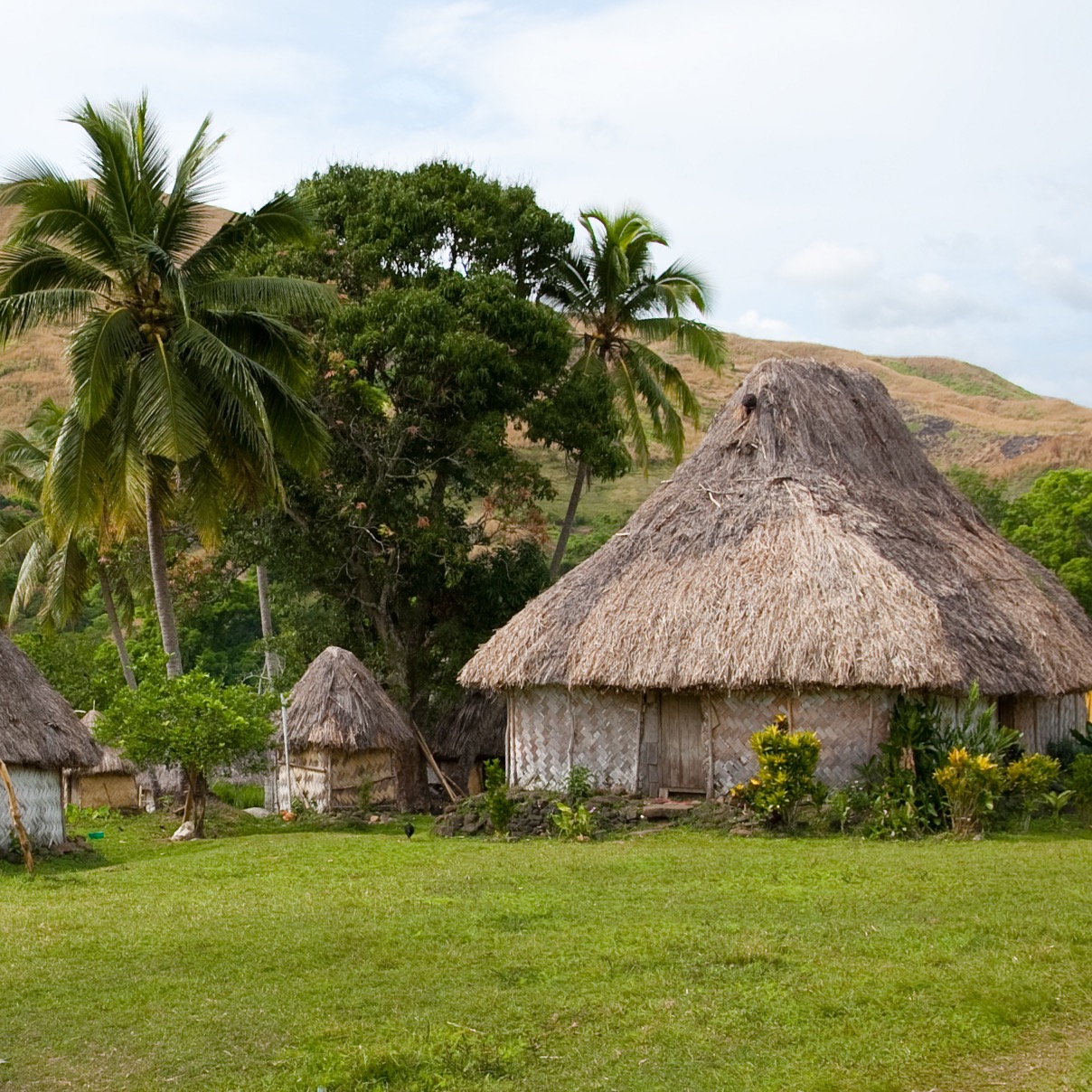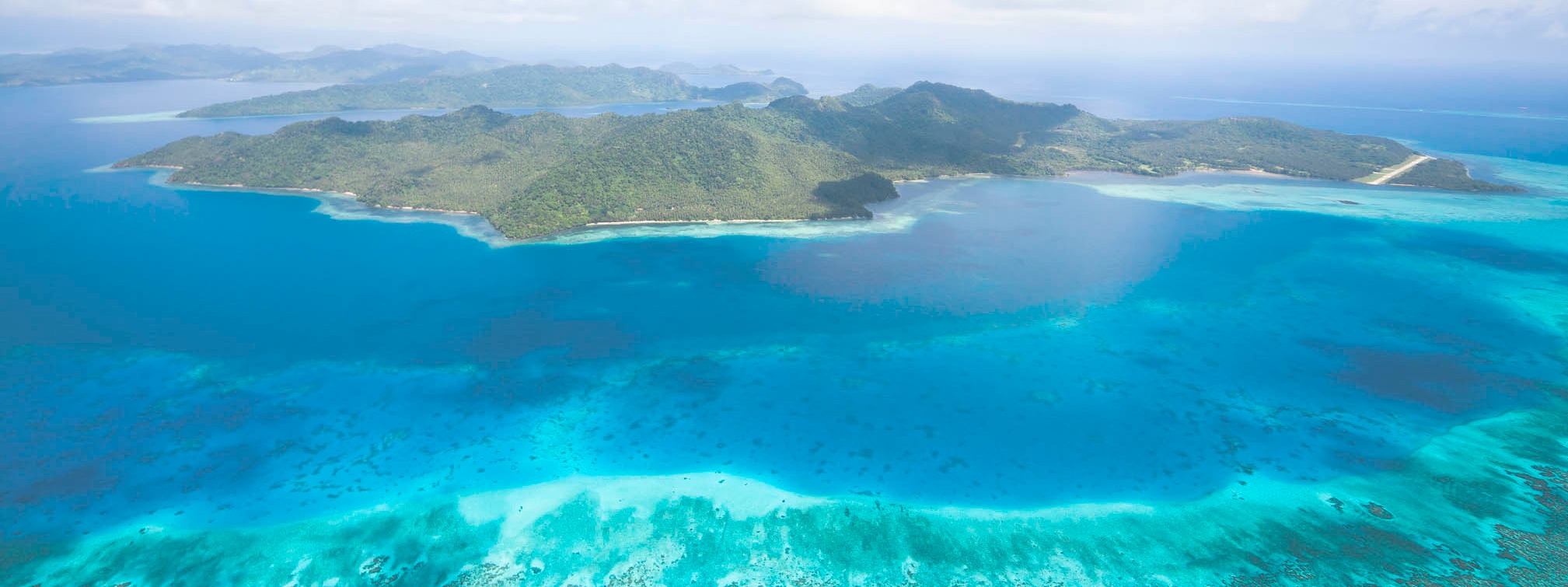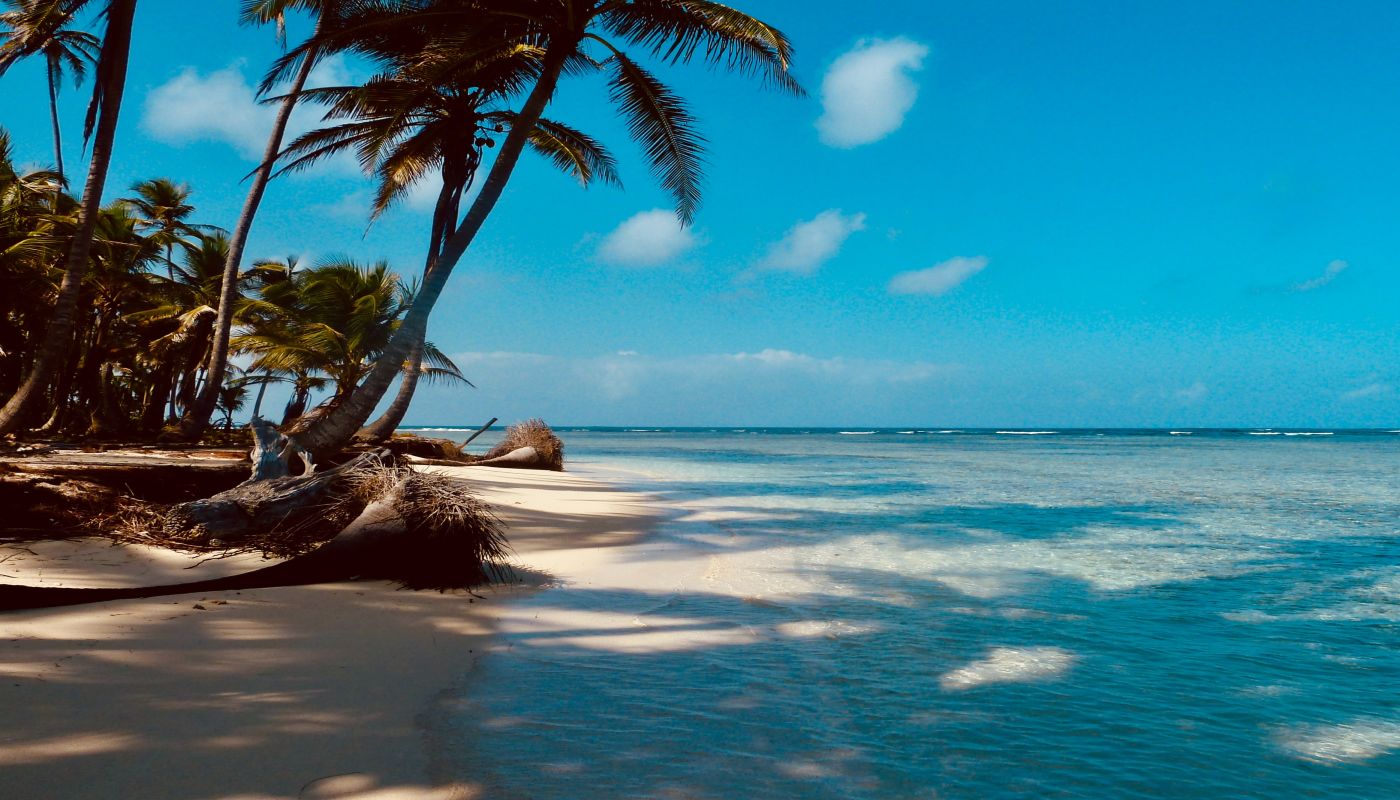
Landscape of Solomon Islands
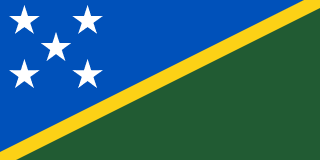
Flag of Solomon Islands

Solomon Islands

Australia/Oceania

Solomon Islands is a beautiful and culturally rich country located in the southwestern Pacific Ocean, known for its stunning natural landscapes, unique cultures, and rich history. With a population of just over 680,000 people, the Solomon Islands is a developing country that faces challenges related to sustainable development, climate change, and political stability. The country's economy is based on agriculture, forestry, and fishing, but it is also working to develop its tourism industry.

What would you like to learn about in Solomon Islands?

Select a section to explore the country where nonprofits are creating positive change.

About Solomon Islands

The UK established a protectorate over the Solomon Islands in the 1890s. Some of the most bitter fighting of World War II occurred on this archipelago. Self-government was achieved in 1976 and independence two years later. Ethnic violence, government malfeasance, and endemic crime have undermined stability and civil society. In June 2003, then Prime Minister Sir Allan KEMAKEZA sought the assistance of Australia in reestablishing law and order; the following month, an Australian-led multinational force arrived to restore peace and disarm ethnic militias. The Regional Assistance Mission to the Solomon Islands (RAMSI) has generally been effective in restoring law and order and rebuilding government institutions.

Quick Facts

Population
597,248 (July 2013 est.)
Area
28,896 sq km
ISO Code
SB
Continent
Australia/Oceania
Government
parliamentary democracy and a Commonwealth realm
Active Causes
12
View all countries in Australia/Oceania

Geography & Environment

Climate

tropical monsoon; few extremes of temperature and weather

Terrain

mostly rugged mountains with some low coral atolls

Natural Resources

fish, forests, gold, bauxite, phosphates, lead, zinc, nickel

Environmental Issues

deforestation; soil erosion; many of the surrounding coral reefs are dead or dying

People & Society

74.66 years
Avg. Life Expectancy
84.1%
Literacy Rate
19% of total population (2010)
Total Urban Population

Languages

Melanesian pidgin (in much of the country is lingua franca), English (official but spoken by only 1%-2% of the population), 120 indigenous languages

Religions

Protestant 73.7% (Church of Melanesia 32.8%, South Seas Evangelical 17%, Seventh-Day Adventist 11.2%, United Church 10.3%, Christian Fellowship Church...

Health Expenditure

8.6% of GDP (2010) of GDP

Education Expenditure

7.3% of GDP (2010) of GDP

Economy

$3,400
GDP per Capita (PPP)
NA%
Unemployment Rate
NA%
Below Poverty Line

Economic Overview

The bulk of the population depends on agriculture, fishing, and forestry for at least part of its livelihood. Most manufactured goods and petroleum products must be imported. The islands are rich in undeveloped mineral resources such as lead, zinc, nickel, and gold. Prior to the arrival of The Regional Assistance Mission to the Solomon Islands (RAMSI), severe ethnic violence, the closing of key businesses, and an empty government treasury culminated in economic collapse. RAMSI's efforts to restore law and order and economic stability have led to modest growth as the economy rebuilds.

Causes in Solomon Islands

Environment

The Solomon Islands, a nation comprised of nearly 1,000 islands in the South Pacific, faces significant environmental challenges that have a profound impact on its people and natural resources. Rising sea levels, increasingly severe weather events, deforestation, and coral reef degradation are some of the key environmental issues that threaten the sustainability and resilience of this island nation. The vulnerability of the Solomon Islands to climate change is exacerbated by its geographical location and limited resources for adaptation. These environmental challenges not only pose a threat to the biodiversity and ecosystems of the islands but also directly impact the livelihoods and well-being of the local communities who rely on natural resources for their survival. Addressing these environmental issues is crucial to safeguarding the future of the Solomon Islands and its people.

Family

In the Solomon Islands, family holds significant importance as a cornerstone of society. The traditional Melanesian culture of the Solomon Islands places a strong emphasis on kinship ties and communal living. Families in the Solomon Islands typically consist of extended relatives beyond just parents and children, with grandparents, aunts, uncles, and cousins playing crucial roles in upbringing and support. This interconnectedness within families fosters a sense of unity, cooperation, and mutual care among members. However, modern challenges such as economic pressures, urbanization, and climate change are placing strains on traditional family structures in the Solomon Islands, impacting the well-being and cohesion of families in the region. Understanding the pivotal role of family dynamics in the Solomon Islands is essential for addressing social issues and promoting community resilience.

Human Rights

Solomon Islands, an archipelago nation situated in the South Pacific, faces various human rights challenges that impact its population. Issues such as gender-based violence, limited access to healthcare and education, as well as land disputes and environmental degradation, all have significant implications for the people of Solomon Islands. The lack of adequate infrastructure and resources further exacerbate these challenges, hindering the realization of basic human rights for many individuals in the country. Efforts to address these issues are ongoing, with organizations working to promote human rights awareness and advocate for policy changes that prioritize the well-being of all Solomon Islanders.

Education

The Solomon Islands, located in the South Pacific, faces significant challenges in its education sector. With a population of around 700,000 people spread across its numerous islands, access to quality education remains limited, particularly in remote and rural areas. The country's educational system struggles with inadequate infrastructure, lack of resources, and a shortage of qualified teachers. As a result, many children in the Solomon Islands do not receive a proper education, hindering their opportunities for personal growth and socio-economic advancement. This lack of education perpetuates cycles of poverty and limits the country's overall development potential. Addressing these issues through targeted interventions and increased investment in the education sector is crucial to improving the quality of life for Solomon Islanders and fostering sustainable development in the region.

Poverty

The Solomon Islands, a nation located in the South Pacific Ocean, faces significant challenges stemming from poverty. With approximately 20-25% of its population living below the poverty line, the nation struggles with limited access to basic necessities such as healthcare, education, and clean water. Poverty in the Solomon Islands is exacerbated by factors such as geographic isolation, vulnerability to natural disasters, and limited economic opportunities. This lack of resources and infrastructure hinders the country's overall development and perpetuates a cycle of poverty that disproportionately affects marginalized communities. Addressing poverty in the Solomon Islands requires targeted interventions that focus on improving access to essential services, creating sustainable livelihoods, and fostering economic growth to uplift the most vulnerable populations.

Religion

Religion plays a vital role in the cultural fabric of the Solomon Islands, a South Pacific nation comprising over 900 islands. The population predominantly adheres to Christianity, with approximately 95% identifying as Christian. This religious influence permeates various aspects of daily life, including social norms, governance, and education. Churches serve not only as places of worship but also as community hubs where social services are provided. Amidst diverse Christian denominations, traditional beliefs and practices are still observed in some remote areas, blending harmoniously with Christianity. However, challenges such as religious tensions and the impact of climate change on sacred sites pose threats to the religious landscape of the Solomon Islands. Heightened awareness and preservation efforts are crucial to safeguarding the unique religious heritage of this archipelago.

Clean Water

Located in the South Pacific Ocean, the Solomon Islands face significant challenges in ensuring access to clean water for its population. With a high dependency on natural water sources such as rivers and rainwater, the lack of proper sanitation facilities and infrastructure has led to waterborne diseases and health issues among the islanders. The impact of inadequate clean water access is particularly severe in rural areas, where communities rely heavily on untreated water sources for daily use. This not only poses health risks but also hinders socio-economic development and perpetuates poverty cycles. Addressing this issue requires concerted efforts to improve water quality through infrastructure development, community education, and sustainable resource management practices.

Economy

Solomon Islands, a sovereign state in Oceania, faces significant economic challenges that impact the lives of its citizens. The country heavily relies on agriculture, forestry, and fishing as the main sources of income for its people. Economic growth is hindered by limited infrastructure, political instability, and vulnerability to natural disasters like cyclones and earthquakes. Unemployment rates remain high, particularly among the youth population. The lack of diversified industries and overdependence on exports exposes the nation to fluctuations in global markets. These economic struggles contribute to poverty and inequality within the country, affecting access to basic services such as healthcare and education. Addressing these economic issues is crucial for sustainable development and improving the well-being of Solomon Islanders.

Government

Solomon Islands, an archipelago nation in the South Pacific, faces numerous challenges that are significantly influenced by its government. With a population of approximately 700,000 people spread across its islands, the country's economy heavily relies on agriculture, forestry, and fisheries. However, political instability, corruption, and weak governance have hindered economic development and social progress in Solomon Islands. The government's ability to effectively address issues such as poverty, lack of infrastructure, and climate change impacts is crucial for the well-being of its citizens. By implementing sustainable policies and transparent practices, the government can help alleviate poverty, improve access to healthcare and education, and promote environmental conservation in Solomon Islands.

Health

The Solomon Islands, a nation consisting of over 900 islands in the South Pacific, faces significant health challenges that deeply impact its population. With limited healthcare infrastructure and resources, access to essential health services is a major concern for many Solomon Islanders. The prevalence of preventable diseases such as malaria, tuberculosis, and malnutrition remains high, contributing to the country's high mortality rate. In addition, natural disasters and climate change further exacerbate health issues, leading to outbreaks of diseases and hindering the delivery of healthcare services. Addressing these health challenges requires a concerted effort from both local authorities and international partners to improve healthcare access, infrastructure, and public health initiatives in the Solomon Islands.

Children

In the Solomon Islands, children face various challenges that significantly impact their well-being and development. High rates of poverty, limited access to quality education and healthcare, as well as exposure to natural disasters and climate change, all contribute to the vulnerabilities experienced by children in this Pacific nation. According to UNICEF, around 18% of children under the age of five in the Solomon Islands suffer from stunted growth due to malnutrition, highlighting the urgent need for improved nutrition programs and healthcare services. Additionally, a lack of adequate sanitation facilities exposes children to waterborne diseases, further jeopardizing their health. Furthermore, limited educational opportunities perpetuate cycles of poverty and hinder children from reaching their full potential. Raising awareness about these issues is crucial to advocating for improved policies and interventions that can better support the well-being of children in the Solomon Islands.

Animals

The Solomon Islands, a nation located in the South Pacific, boasts a rich biodiversity that is integral to its culture and economy. Animals play a significant role in the daily lives of the islanders, providing sources of food, income from activities such as fishing and agriculture, as well as cultural significance in traditional practices and beliefs. However, the delicate balance between human activity and wildlife conservation is increasingly under threat due to deforestation, overfishing, and climate change. These factors have led to habitat loss, decline in species populations, and disruption of ecosystems, ultimately impacting the overall well-being of both animals and humans in the Solomon Islands. To ensure the preservation of their unique fauna and flora, sustainable practices and conservation efforts are crucial.

Nonprofits Working in Solomon Islands

Discover organizations making a difference in Solomon Islands

Make Your Impact Today

Discover causes you care about and support the nonprofits making a difference in communities around the world.

Are you a nonprofit? Join Project World Impact for free

Join Us Free