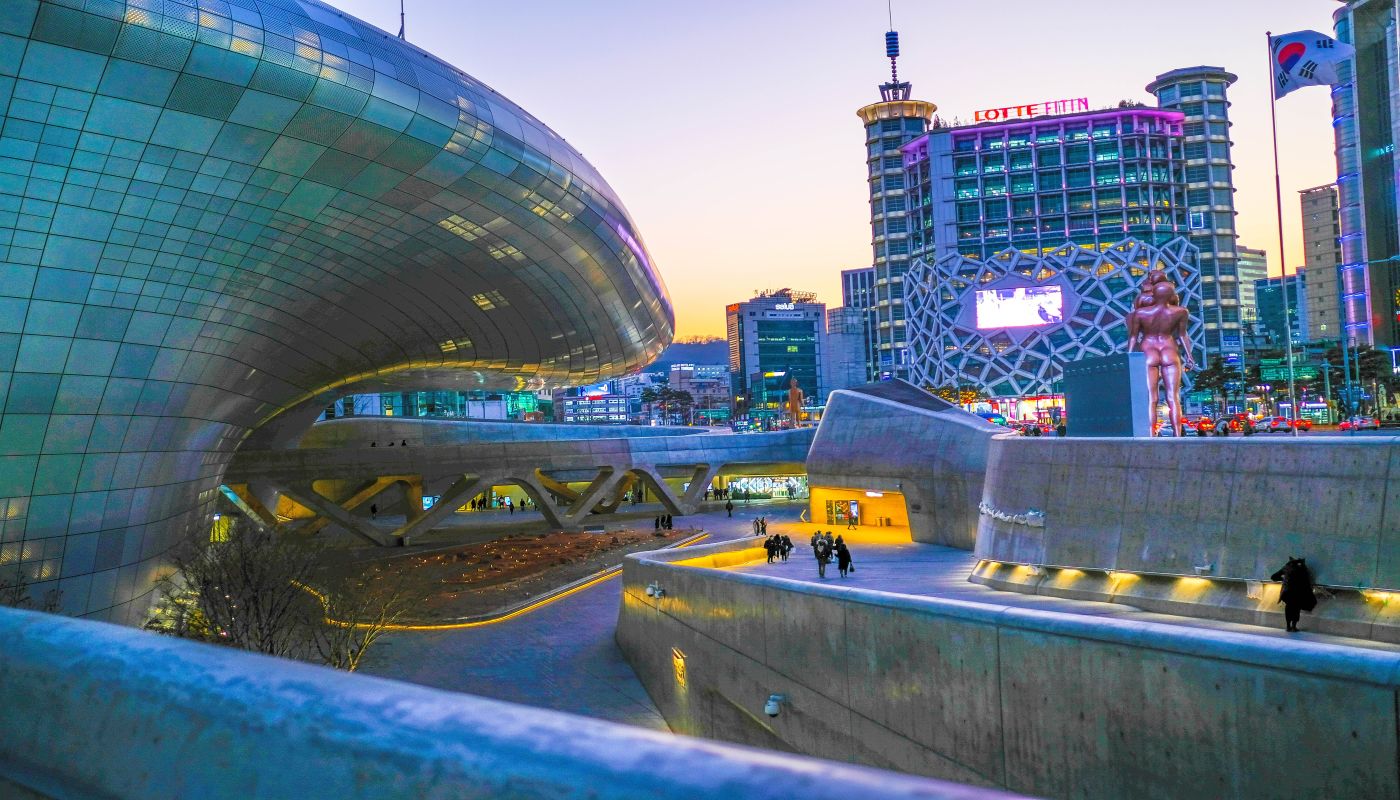
Landscape of South Korea
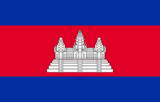
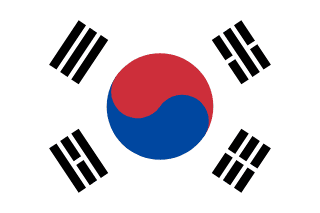
Flag of South Korea

South Korea

Asia

South Korea is located in East Asia, known for its advanced technology, K-pop culture, and delicious cuisine. With a population of over 51 million people, South Korea is a highly developed and prosperous country that has made significant progress in areas such as education, healthcare, and infrastructure. The country's economic growth is fueled by innovation and entrepreneurship, and it is home to some of the world's leading tech companies, such as Samsung and LG.

What would you like to learn about in South Korea?

Select a section to explore the country where nonprofits are creating positive change.

About South Korea

An independent kingdom for much of its long history, Korea was occupied by Japan beginning in 1905 following the Russo-Japanese War. In 1910, Tokyo formally annexed the entire Peninsula. Korea regained its independence following Japan's surrender to the United States in 1945. After World War II, a democratic-based government (Republic of Korea, ROK) was set up in the southern half of the Korean Peninsula while a communist-style government was installed in the north (Democratic People's Republic of Korea, DPRK). During the Korean War (1950-53), US troops and UN forces fought alongside ROK soldiers to defend South Korea from a DPRK invasion supported by China and the Soviet Union. A 1953 armistice split the peninsula along a demilitarized zone at about the 38th parallel. PARK Chung-hee took over leadership of the country in a 1961 coup. During his regime, from 1961 to 1979, South Korea achieved rapid economic growth, with per capita income rising to roughly 17 times the level of North Korea. South Korea held its first free presidential election under a revised democratic constitution in 1987, with former ROK Army general ROH Tae-woo winning a close race. In 1993, KIM Young-sam (1993-98) became South Korea's first civilian president. South Korea today is a fully functioning modern democracy. LEE Myung-bak (2008-2013) pursued a policy of global engagement , highlighted by Seoul's hosting of the G-20 summit in November 2010 and the Nuclear Security Summit in March 2012. South Korea also secured a non-permanent seat (2013-14) on the UN Security Council and will host the 2018 Winter Olympic Games. President PARK Geun-hye took office in February 2013 and is South Korea's first female leader. Serious tensions with North Korea have punctuated inter-Korean relations in recent years, including the North's sinking of the South Korean warship Cheonan in March 2010 and its artillery attack on South Korean soldiers and citizens in November 2010. In January 2013, South Korea assumed a nonpermanent seat on the UN Security Council for the 2013-14 term.

Quick Facts

Population
48,955,203 (July 2013 est.)
Area
99,720 sq km
ISO Code
KR
Continent
Asia
Government
republic
Active Causes
12
View all countries in Asia

Geography & Environment

Climate

temperate, with rainfall heavier in summer than winter

Terrain

mostly hills and mountains; wide coastal plains in west and south

Natural Resources

coal, tungsten, graphite, molybdenum, lead, hydropower potential

Environmental Issues

air pollution in large cities; acid rain; water pollution from the discharge of sewage and industrial effluents; drift net fishing

People & Society

79.55 years
Avg. Life Expectancy
97.9%
Literacy Rate
83.2% of total population (2011)
Total Urban Population

Languages

Korean, English (widely taught in junior high and high school)

Religions

Christian 31.6% (Protestant 24%, Roman Catholic 7.6%), Buddhist 24.2%, other or unknown 0.9%, none 43.3% (2010 survey)

Health Expenditure

6.9% of GDP (2010) of GDP

Education Expenditure

5.1% of GDP (2009) of GDP

Economy

$32,800
GDP per Capita (PPP)
3.2%
Unemployment Rate
16.5% (2011 est.)
Below Poverty Line

Economic Overview

South Korea over the past four decades has demonstrated incredible growth and global integration to become a high-tech industrialized economy. In the 1960s, GDP per capita was comparable with levels in the poorer countries of Africa and Asia. In 2004, South Korea joined the trillion dollar club of world economies, and is currently the world's 12th largest economy. Initially, a system of close government and business ties, including directed credit and import restrictions, made this success possible. The government promoted the import of raw materials and technology at the expense of consumer g...

Causes in South Korea

Environment

South Korea faces significant environmental challenges that impact the health and well-being of its population. With a high population density and rapid industrialization, air pollution is a pressing issue. The country's reliance on coal and other fossil fuels for energy production contributes to poor air quality, leading to respiratory problems and other health issues. Water pollution is another concern, with industrial waste and agricultural runoff contaminating rivers and coastal areas. Deforestation and habitat loss threaten biodiversity, while climate change poses risks such as rising sea levels and extreme weather events. Efforts are being made to address these environmental issues through policies promoting renewable energy, waste management, and conservation initiatives. However, continued awareness and action are crucial to protect South Korea's environment for future generations.

Family

In South Korea, family plays a significant role in shaping societal norms, values, and behaviors. The Confucian principles of filial piety and respect for elders are deeply ingrained in the Korean culture, emphasizing strong family bonds and hierarchical relationships within the family structure. Families in South Korea typically consist of multiple generations living together under one roof, with a strong emphasis on the collective welfare of the family unit over individual desires. This communal approach to family life has implications for various aspects of Korean society, including education, career choices, and social interactions. Moreover, the concept of "han" in Korean culture symbolizes a deep sense of sorrow and resilience that often stems from shared family experiences and historical hardships. Recognizing the impact of family dynamics on individuals' well-being is crucial in understanding and addressing societal issues in South Korea.

Human Rights

South Korea, a nation known for its rapid economic development and technological advancements, grapples with significant human rights challenges. Despite progress in various areas, including democracy and civil liberties, issues such as discrimination against marginalized groups, restrictions on freedom of expression, and labor rights violations persist. The country's history of authoritarian rule has left a lingering impact on its human rights landscape, with ongoing concerns about police brutality, gender inequality, and the treatment of North Korean defectors. Efforts are being made to address these issues, but more work is needed to ensure that all individuals in South Korea are able to fully enjoy their fundamental rights and freedoms.

Education

In South Korea, education plays a pivotal role in shaping the country's economic development and societal structure. The South Korean education system is known for its rigorous academic standards and intense competition among students to excel academically. This emphasis on education can be traced back to the country's history, where education was seen as a means of social mobility and a pathway to success. The government invests heavily in education, with a significant portion of the national budget allocated to schools and educational resources. However, this intense focus on academic achievement has also led to concerns about high levels of stress among students and the pressure to perform well in exams. Despite these challenges, South Korea's education system continues to produce high academic outcomes and skilled workforce, contributing to the country's overall success and global competitiveness.

Poverty

South Korea, a country known for its rapid industrialization and economic growth, still faces the challenge of poverty affecting a significant portion of its population. Despite being one of the wealthiest countries in the world, poverty remains a pressing issue in South Korea, particularly among the elderly population and low-income families. The high cost of living, inadequate social welfare programs, and a competitive job market contribute to the persistence of poverty in the country. According to the Organization for Economic Cooperation and Development (OECD), the poverty rate in South Korea stands at 17.4%, higher than the average among other OECD member countries. The impact of poverty in South Korea is multi-faceted, affecting access to education, healthcare, and overall quality of life for those living on low incomes. As a society, addressing poverty in South Korea requires a comprehensive approach that includes strengthening social safety nets, promoting inclusive economic growth, and providing support for vulnerable populations.

Religion

Religion plays a significant role in the cultural landscape of South Korea. The country exhibits a diverse religious landscape, with Buddhism being the largest practiced religion, followed by Christianity and other minority faiths such as Confucianism and Shamanism. Buddhism, introduced to Korea in the 4th century, has deeply influenced Korean culture, art, and traditions. Christianity, particularly Protestantism, gained popularity in the late 19th and early 20th centuries and continues to be a prominent faith in South Korea, with a growing number of adherents. Religion in South Korea serves as a source of moral guidance, community support, and cultural identity for many of its citizens, shaping various aspects of their lives.

Clean Water

South Korea, a highly industrialized nation with a population of over 51 million, faces significant challenges in ensuring access to clean water. The country's rapid economic development has led to pollution of its rivers and groundwater sources, threatening the health and well-being of its citizens. Inadequate sewage treatment facilities and agricultural runoff are major contributors to water contamination in South Korea. This pollution not only affects human health but also impacts aquatic ecosystems and agriculture. Ensuring clean water is essential for sustaining public health, supporting economic growth, and preserving the environment in South Korea. It is imperative for the government, industries, and individuals to work together to address water pollution issues through improved regulations, investments in infrastructure, and public awareness campaigns.

Economy

South Korea is a nation known for its remarkable economic growth and technological advancements. The country's economy plays a significant role in shaping its societal dynamics and overall well-being. With a strong emphasis on exports, particularly in industries such as electronics, automobiles, and shipbuilding, South Korea's economy heavily influences its international standing and domestic prosperity. The country's economic success has allowed it to invest in areas like education, healthcare, and infrastructure, contributing to an improved quality of life for its citizens. However, economic challenges such as income inequality and youth unemployment persist, underscoring the need for continued efforts to ensure sustainable growth and equitable opportunities for all. By understanding the intricate relationship between South Korea's economy and its people, we can better appreciate the complexities of this dynamic nation and support initiatives that promote economic stability and social progress.

Government

South Korea, officially known as the Republic of Korea, is a country located in East Asia. The government of South Korea plays a significant role in shaping the nation's policies and influencing its economic, social, and political landscape. The government is structured as a democratic republic, with a system of checks and balances among the executive, legislative, and judicial branches. The President serves as the head of state and government, overseeing the administration of domestic and foreign affairs. Government policies in South Korea impact various aspects of society, including education, healthcare, infrastructure development, and national security. Additionally, the government's initiatives in promoting innovation and technology have driven economic growth and positioned South Korea as a global leader in industries such as electronics and automotive manufacturing.

Health

South Korea is a country where health plays a significant role in shaping the lives of its population. With a strong emphasis on preventive healthcare and advanced medical technologies, South Korea has made remarkable progress in improving the overall well-being of its citizens. However, despite these advancements, the country faces challenges such as high rates of work-related stress and mental health issues, particularly among the younger generation. Additionally, air pollution remains a major concern, impacting respiratory health and exacerbating existing conditions. The Korean government has been actively working to address these health issues through various initiatives and policies aimed at promoting a healthier lifestyle and environment for its people. By raising awareness about these health concerns and advocating for sustainable solutions, we can contribute to improving the quality of life for individuals in South Korea.

Children

South Korea, a country known for its economic prosperity and technological advancements, faces significant challenges in terms of child welfare. Despite its rapid modernization, South Korea struggles with issues that impact children, such as child poverty, abuse, and neglect. According to the National Child Protection Agency of South Korea, over 11,000 cases of child abuse were reported in 2020, highlighting the severity of the problem. Factors such as high academic pressure, changing family structures, and societal expectations contribute to the vulnerability of children in South Korea. It is crucial for the government and society to prioritize child protection measures and support systems to ensure the well-being and development of the younger generation in the country.

Animals

In South Korea, animals play a significant role in the nation's cultural heritage and economy. With a rich history of reverence for nature and wildlife, animals are deeply ingrained in various aspects of Korean society. From the iconic Korean Jindo dog, known for its loyalty and intelligence, to the endangered Amur leopard, which symbolizes conservation efforts in the country, animals hold a special place in the hearts of many South Koreans. Furthermore, the country's booming pet industry highlights the strong bond between humans and animals, with pet ownership on the rise and an increasing demand for animal-related products and services. However, despite this positive outlook, South Korea also faces challenges such as illegal wildlife trade, animal abuse, and issues related to animal welfare. By raising awareness about these issues and promoting responsible interactions with animals, South Korea can work towards ensuring a harmonious coexistence between humans and the animal kingdom.

Nonprofits Working in South Korea

Discover organizations making a difference in South Korea

Make Your Impact Today

Discover causes you care about and support the nonprofits making a difference in communities around the world.

Are you a nonprofit? Join Project World Impact for free

Join Us Free