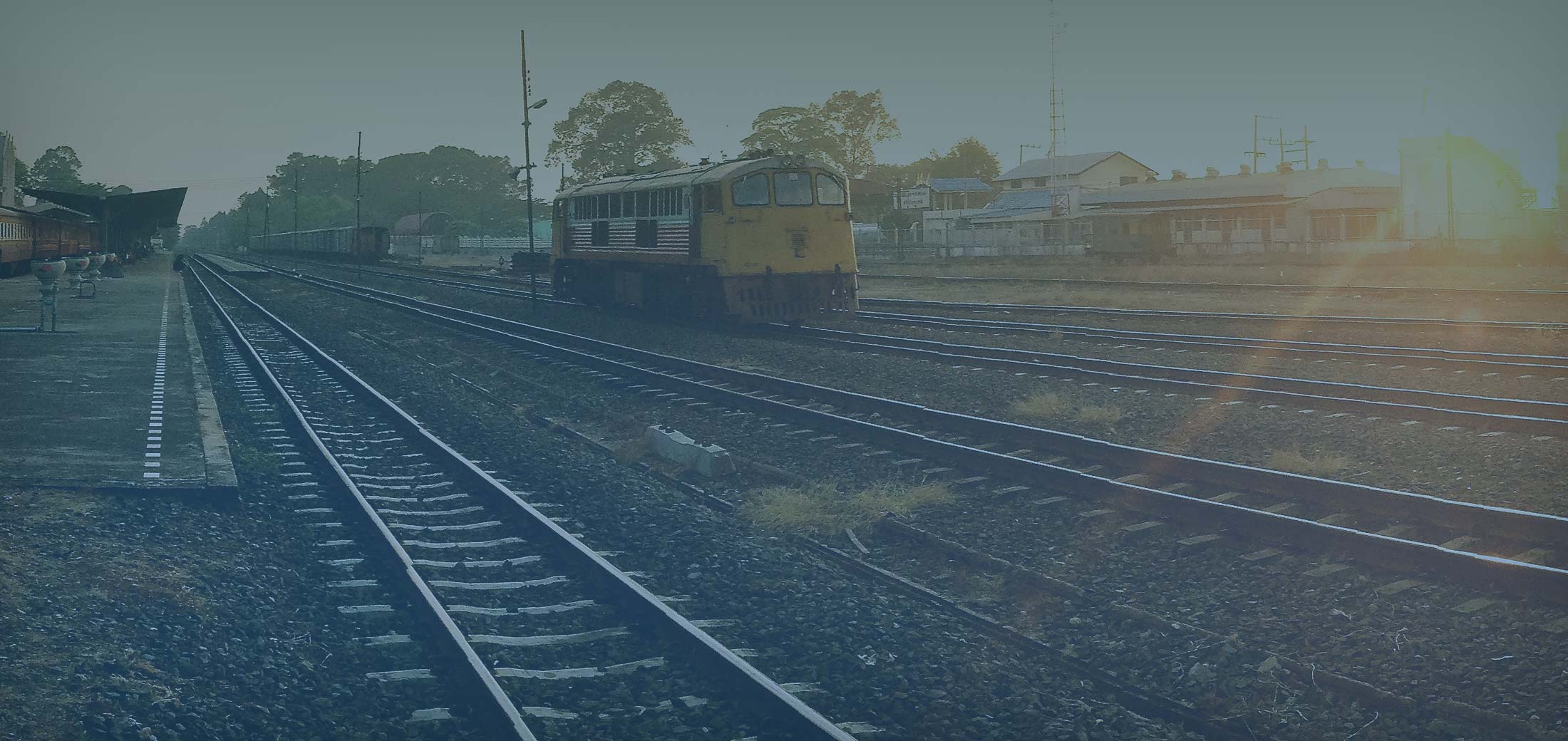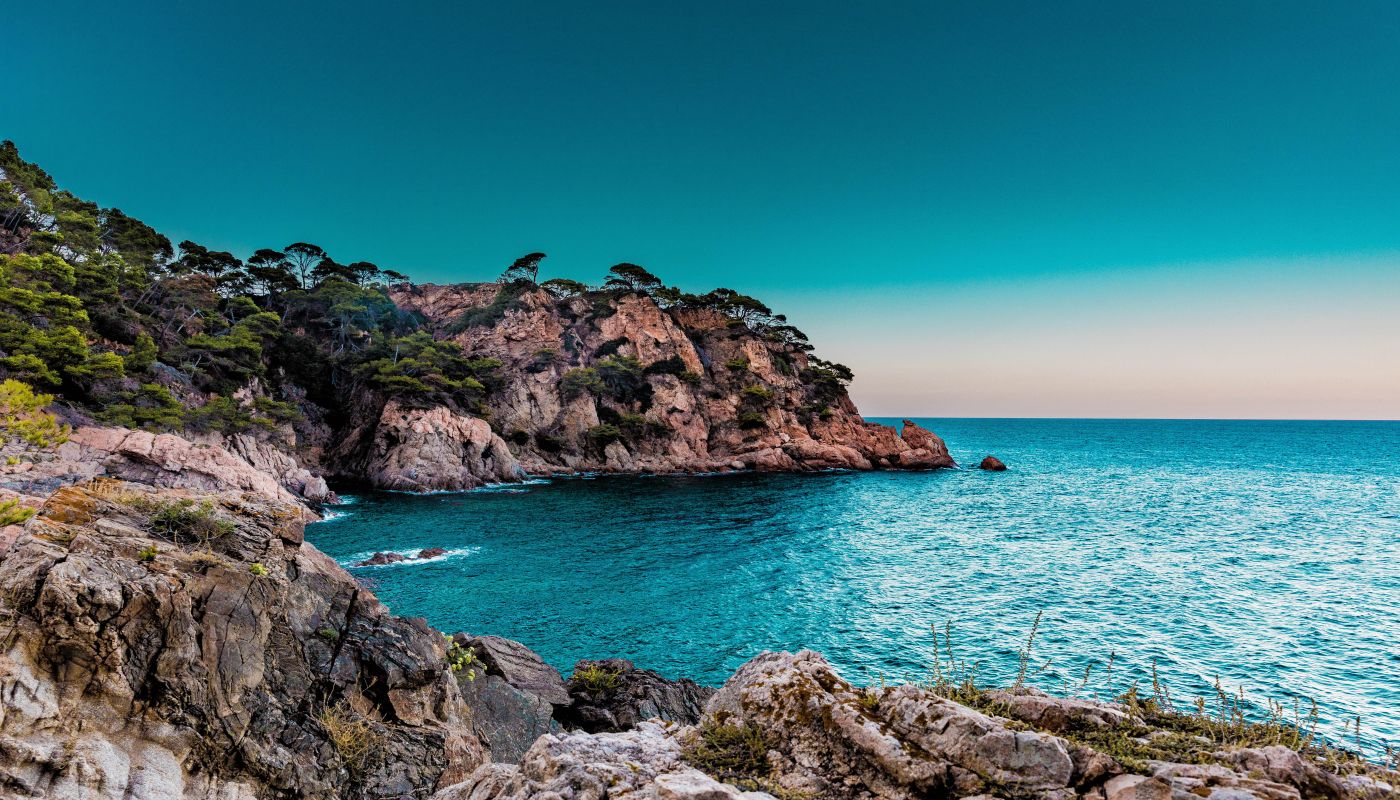
Landscape of Spain
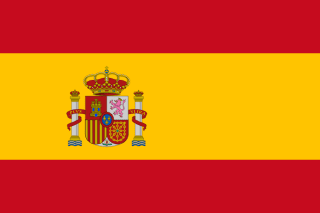
Flag of Spain

Spain

Europe

Spain is a beautiful country located in southwestern Europe, known for its stunning beaches, historic cities, and unique cuisine. With a population of over 47 million people, Spain is a highly developed country that has made significant progress since the end of Franco's dictatorship in 1975. The country's economy is based on manufacturing, services, and tourism, and it is one of the largest economies in the European Union. Spain faces challenges related to political polarization, economic inequality, and demographic changes.

What would you like to learn about in Spain?

Select a section to explore the country where nonprofits are creating positive change.

About Spain

Spain's powerful world empire of the 16th and 17th centuries ultimately yielded command of the seas to England. Subsequent failure to embrace the mercantile and industrial revolutions caused the country to fall behind Britain, France, and Germany in economic and political power. Spain remained neutral in World Wars I and II but suffered through a devastating civil war (1936-39). A peaceful transition to democracy following the death of dictator Francisco FRANCO in 1975, and rapid economic modernization (Spain joined the EU in 1986) gave Spain a dynamic and rapidly growing economy and made it a global champion of freedom and human rights. More recently the government has had to focus on measures to reverse a severe economic recession that began in mid-2008. Austerity measures implemented to reduce a large budget deficit and reassure foreign investors have led to one of the highest unemployment rates in Europe.

Quick Facts

Population
47,370,542 (July 2013 est.)
Area
505,370 sq km
ISO Code
ES
Continent
Europe
Government
parliamentary monarchy
Active Causes
12
View all countries in Europe

Geography & Environment

Climate

temperate; clear, hot summers in interior, more moderate and cloudy along coast; cloudy, cold winters in interior, partly cloudy and cool along coast

Terrain

large, flat to dissected plateau surrounded by rugged hills; Pyrenees Mountains in north

Natural Resources

coal, lignite, iron ore, copper, lead, zinc, uranium, tungsten, mercury, pyrites, magnesite, fluorspar, gypsum, sepiolite, kaolin, potash, hydropower, arable land

Environmental Issues

pollution of the Mediterranean Sea from raw sewage and effluents from the offshore production of oil and gas; water quality and quantity nationwide; air pollution; deforestation; desertification

People & Society

81.37 years
Avg. Life Expectancy
97.7%
Literacy Rate
77% of total population (2010)
Total Urban Population

Languages

Castilian Spanish (official) 74%, Catalan 17%, Galician 7%, and Basque 2%

Religions

Roman Catholic 94%, other 6%

Health Expenditure

9.5% of GDP (2010) of GDP

Education Expenditure

5% of GDP (2009) of GDP

Economy

$31,100
GDP per Capita (PPP)
25.1%
Unemployment Rate
21.1% (2012)
Below Poverty Line

Economic Overview

After almost 15 years of above average GDP growth, the Spanish economy began to slow in late 2007 and entered into a recession in the second quarter of 2008. GDP contracted by 3.7% in 2009, ending a 16-year growth trend, and by another 0.3% in 2010; GDP expanded 0.4% in 2011, before contracting 1.4% in 2012. The economy has once again fallen into recession as deleveraging in the private sector, fiscal consolidation, and continued high unemployment weigh on domestic demand and investment, even as exports have shown signs of resiliency. The unemployment rate rose from a low of about 8% in 2007 t...

Causes in Spain

Environment

Spain, a country known for its rich history and diverse culture, is facing significant environmental challenges that are impacting its land, water, and air quality. One of the major environmental issues in Spain is air pollution, particularly in urban areas where traffic congestion and industrial emissions contribute to high levels of pollutants such as nitrogen dioxide and particulate matter. Additionally, Spain is experiencing the effects of climate change, with increasing temperatures leading to more frequent heatwaves and droughts, affecting agriculture and water resources. Deforestation and habitat loss also threaten Spain's biodiversity, including iconic species such as the Iberian lynx and the Iberian imperial eagle. These environmental issues not only harm the natural ecosystems of Spain but also pose risks to human health and well-being. It is crucial for individuals, communities, and policymakers to work together to address these challenges and protect the environment for current and future generations.

Family

Family plays a pivotal role in the social fabric of Spain, influencing various aspects of individuals' lives. In Spanish culture, family ties are deeply valued and prioritize strong relationships among family members. The concept of "familismo" emphasizes the importance of loyalty, support, and unity within the family unit. Family gatherings and celebrations hold significant meaning, serving as occasions to strengthen familial bonds. Moreover, multigenerational households are common in Spain, reflecting a close-knit familial structure where elders are revered for their wisdom and experience. The influence of family in Spain extends beyond personal relationships to impact societal norms and values, shaping behaviors and attitudes towards kinship, responsibility, and solidarity.

Human Rights

Spain has a rich history and a diverse culture, yet the country has faced challenges in upholding Human Rights. Despite significant improvements over the years, issues persist in areas such as discrimination against minorities, gender inequality, and treatment of migrants and refugees. The Spanish government continues to work towards ensuring the protection of Human Rights for all individuals within its borders, but there is still progress to be made. A strong legal framework exists in Spain to safeguard Human Rights, yet enforcement and implementation remain key areas of concern. It is crucial for both the government and civil society to collaborate effectively to address these issues and promote a society that respects and upholds Human Rights for all its citizens.

Education

In Spain, education plays a crucial role in shaping the nation's future and socioeconomic development. With a strong emphasis on academic achievement and skill development, the Spanish education system aims to equip students with the knowledge and competencies necessary to thrive in a rapidly changing world. Access to quality education is considered a fundamental right in Spain, as enshrined in the country's constitution. However, disparities in educational opportunities persist, particularly between urban and rural areas, leading to unequal outcomes for students from different socio-economic backgrounds. Despite government efforts to address these disparities through various reforms and initiatives, more work is needed to ensure that all children in Spain have equal access to high-quality education, thus promoting social mobility and fostering a more inclusive society.

Poverty

Poverty in Spain is a multifaceted issue that impacts a significant portion of the population. According to the National Institute of Statistics, as of 2020, the poverty rate in Spain stood at 21.9%, with approximately one in five individuals living below the poverty line. This has been exacerbated by economic downturns and high levels of unemployment, particularly among young people and migrants. The effects of poverty are far-reaching, leading to inadequate access to education, healthcare, and housing for many Spaniards. Furthermore, poverty increases social exclusion and hinders upward social mobility, perpetuating cycles of disadvantage across generations. Addressing poverty in Spain requires comprehensive strategies focusing on creating job opportunities, supporting vulnerable populations, and ensuring access to essential services for all citizens.

Religion

Religion holds a significant place in the cultural fabric of Spain, with Roman Catholicism being the predominant faith shaping many aspects of Spanish society. The influence of religion can be observed in various facets of Spanish life, including traditions, festivals, art, architecture, and even political discourse. Historical ties between the Catholic Church and the Spanish monarchy have further solidified the role of religion in public life. Despite a decline in religious observance in recent years, Spain remains deeply rooted in its Catholic heritage, with religious institutions playing a prominent role in education, healthcare, and social services across the country.

Clean Water

Clean water is a critical resource for Spain, a country known for its diverse landscapes and rich cultural heritage. Access to clean water has a significant impact on various aspects of Spanish life, including public health, agriculture, tourism, and industry. Spain faces challenges in ensuring the quality and availability of water due to factors such as climate change, pollution, and increasing water demand. The quality of water sources is essential for maintaining public health and preserving the environment. Inadequate access to clean water can result in health issues and environmental degradation, impacting both the population and the country's ecosystems. By raising awareness about the importance of clean water and promoting sustainable water management practices, Spain can work towards securing a safe and abundant water supply for current and future generations.

Economy

Spain, a country located in southwestern Europe, has a diverse and dynamic economy that plays a crucial role in shaping its society. The Spanish economy is heavily reliant on tourism, manufacturing, and agriculture, with key industries including automotive, textiles, and food processing. The economic prosperity of Spain is closely tied to its ability to attract tourists from around the world to its beautiful beaches, historic landmarks, and vibrant cities. However, the country also faces challenges such as high unemployment rates, income inequality, and a significant public debt burden. These economic factors have a direct impact on the quality of life for many Spaniards, influencing their access to employment opportunities, healthcare, education, and social services. It is essential for policymakers and stakeholders to address these economic issues effectively in order to ensure a sustainable and equitable future for all citizens of Spain.

Government

In Spain, the government plays a significant role in shaping the country's economic, social, and political landscape. The policies implemented by the Spanish government have a direct impact on various aspects of society, including healthcare, education, infrastructure development, and environmental sustainability. For instance, government decisions on taxation influence the level of public services available to citizens, while legislation on employment regulations affects job opportunities and labor conditions. Additionally, government initiatives to promote renewable energy sources contribute to Spain's efforts to combat climate change. By enacting laws and regulations, the government in Spain not only governs the functioning of the state but also shapes the everyday lives of its people.

Health

In Spain, health plays a significant role in the well-being of its population and the overall functioning of the country. The Spanish healthcare system, funded by public taxes and contributions to social security, provides universal coverage to all residents. However, despite the comprehensive healthcare system, Spain faces challenges such as an aging population, rising rates of chronic diseases like cardiovascular conditions and diabetes, and regional disparities in access to healthcare services. These factors impact the economy through increased healthcare costs and reduced workforce productivity. Additionally, environmental issues like air pollution pose health risks to the population. Raising awareness about these health challenges is crucial for policymakers, healthcare providers, and individuals to work towards sustainable solutions for a healthier Spain.

Children

In Spain, children face various challenges that impact their well-being and development. Poverty remains a significant issue affecting many children in the country, with approximately 27.9% of children living at risk of poverty or social exclusion. This can lead to inadequate access to education, healthcare, and proper nutrition, hindering their overall growth and opportunities for the future. Furthermore, Spain has one of the highest rates of child obesity in Europe, with around 40% of children being overweight or obese, which can result in long-term health problems. Additionally, the COVID-19 pandemic has exacerbated these issues, with school closures and economic instability further jeopardizing the welfare of children across the nation. It is crucial for policymakers and society as a whole to address these challenges and prioritize the well-being of Spanish children to ensure a brighter future for the younger generation.

Animals

Animal welfare in Spain is a significant concern with various factors impacting the well-being of animals in the country. One major issue is the prevalence of abandonment, particularly among pets such as dogs and cats. This often leads to overcrowded shelters and a high euthanasia rate due to limited resources and space. Additionally, Spain has a history of traditional events involving animals, such as bullfighting and animal circuses, which have raised ethical concerns over the treatment of these animals. Despite efforts by animal welfare organizations and legislation introduced to protect animals, challenges remain in enforcing these laws effectively. Increased awareness and education on responsible pet ownership and the ethical treatment of animals are crucial in addressing these issues and improving animal welfare in Spain.

Nonprofits Working in Spain

Discover organizations making a difference in Spain

Make Your Impact Today

Discover causes you care about and support the nonprofits making a difference in communities around the world.

Are you a nonprofit? Join Project World Impact for free

Join Us Free