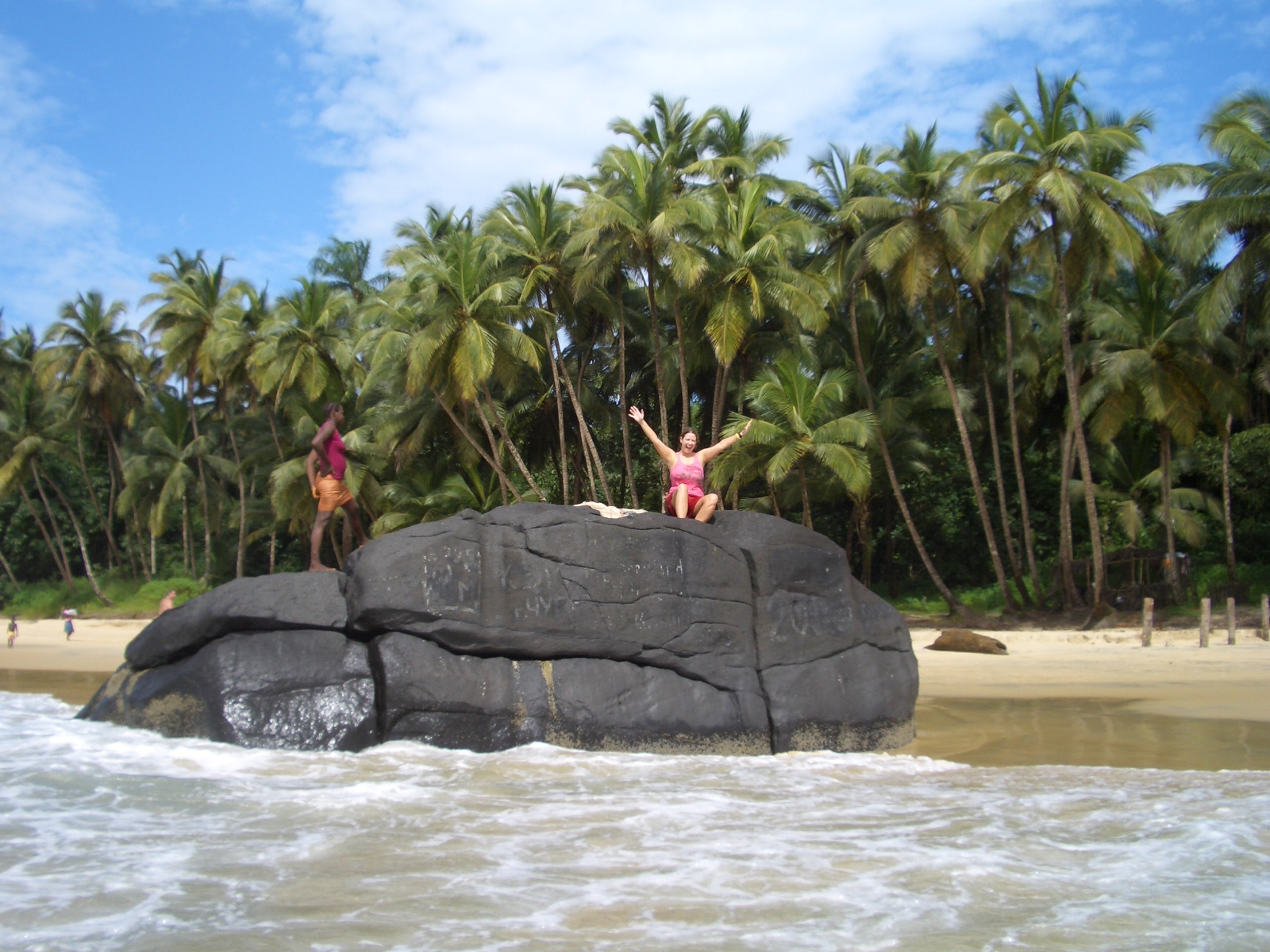
Landscape of Sri Lanka
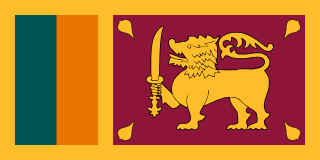
Flag of Sri Lanka

Sri Lanka

Asia

Sri Lanka is a beautiful country located in South Asia, known for its historic temples. With a population of over 21 million people, Sri Lanka is a developing country that has made progress in areas such as healthcare, education, and environmental conservation. The country's economy is based on agriculture, manufacturing, and services, and it has been growing rapidly in recent years. Sri Lanka faces challenges related to political instability, ethnic tensions, and natural disasters.

What would you like to learn about in Sri Lanka?

Select a section to explore the country where nonprofits are creating positive change.

About Sri Lanka

The first Sinhalese arrived in Sri Lanka late in the 6th century B.C., probably from northern India. Buddhism was introduced in about the mid-third century B.C., and a great civilization developed at the cities of Anuradhapura (kingdom from circa 200 B.C. to circa A.D. 1000) and Polonnaruwa (from about 1070 to 1200). In the 14th century, a south Indian dynasty established a Tamil kingdom in northern Sri Lanka. The coastal areas of the island were controlled by the Portuguese in the 16th century and by the Dutch in the 17th century. The island was ceded to the British in 1796, became a crown colony in 1802, and was formally united under British rule by 1815. As Ceylon, it became independent in 1948; its name was changed to Sri Lanka in 1972. Tensions between the Sinhalese majority and Tamil separatists erupted into war in 1983. After two decades of fighting, the government and Liberation Tigers of Tamil Eelam (LTTE) formalized a cease-fire in February 2002 with Norway brokering peace negotiations. Violence between the LTTE and government forces intensified in 2006, but the government regained control of the Eastern Province in 2007. By May 2009, the government announced that its military had defeated the remnants of the LTTE. Since the end of the conflict, the government has enacted an ambitious program of economic development projects, many of which are financed by loans from the Government of China. In addition to efforts to reconstruct its economy, the government has resettled more than 95% of those civilians who were displaced during the final phase of the conflict and released the vast majority of former LTTE combatants captured by Government Security Forces. At the same time, there has been little progress on more contentious and politically difficult issues such as reaching a political settlement with Tamil elected representatives and holding accountable those alleged to have been involved in human rights violations at the end of the war.

Quick Facts

Population
21,675,648 (July 2013 est.)
Area
65,610 sq km
ISO Code
LK
Continent
Asia
Government
republic
Active Causes
12
View all countries in Asia

Geography & Environment

Climate

tropical monsoon; northeast monsoon (December to March); southwest monsoon (June to October)

Terrain

mostly low, flat to rolling plain; mountains in south-central interior

Natural Resources

limestone, graphite, mineral sands, gems, phosphates, clay, hydropower

Environmental Issues

deforestation; soil erosion; wildlife populations threatened by poaching and urbanization; coastal degradation from mining activities and increased pollution; freshwater resources being polluted by in...

People & Society

76.15 years
Avg. Life Expectancy
91.2%
Literacy Rate
15.1% of total population (2011)
Total Urban Population

Languages

Sinhala (official and national language) 74%, Tamil (national language) 18%, other 8%

Religions

Buddhist (official) 69.1%, Muslim 7.6%, Hindu 7.1%, Christian 6.2%, unspecified 10% (2001 census provisional data)

Health Expenditure

3% of GDP (2010) of GDP

Education Expenditure

2% of GDP (2010) of GDP

Economy

$6,200
GDP per Capita (PPP)
5.2%
Unemployment Rate
8.9% (2010 est.)
Below Poverty Line

Economic Overview

Sri Lanka continues to experience strong economic growth following the end of the 26-year conflict with the Liberation Tigers of Tamil Eelam (LTTE). The government has been pursuing large-scale reconstruction and development projects in its efforts to spur growth in war-torn and disadvantaged areas, develop small and medium enterprises and increase agricultural productivity. The government's high debt payments and bloated civil service have contributed to historically high budget deficits, but fiscal consolidation efforts and strong GDP growth in recent years have helped bring down the governm...

Causes in Sri Lanka

Environment

Sri Lanka, an island nation in the Indian Ocean, is known for its rich biodiversity and stunning landscapes. However, the country faces various environmental challenges that significantly impact its people and ecosystems. Deforestation, largely driven by commercial activities such as logging and agriculture, has led to habitat loss for numerous species and threatens the country's forests. Additionally, pollution from industrial activities and inadequate waste management practices contribute to water and air pollution, affecting the health of both wildlife and human populations. Climate change exacerbates these issues, leading to more frequent extreme weather events like floods and droughts. These environmental challenges highlight the urgent need for sustainable practices and conservation efforts to protect Sri Lanka's natural heritage for future generations.

Family

In Sri Lanka, the institution of family holds tremendous importance and significantly influences societal dynamics. Families in Sri Lanka typically follow a patriarchal structure, where the father is considered the head of the household. Family ties are often strong and extended families living together under one roof are common. The family unit plays a central role in shaping individual identities, values, and customs in Sri Lankan society. Family members are expected to support and care for one another, with responsibilities extending beyond immediate family to include cousins, aunts, uncles, and grandparents. This close-knit familial network provides a sense of security and belonging for individuals in Sri Lanka. However, challenges such as domestic violence, gender inequality, and generational conflicts also exist within Sri Lankan families, highlighting the need for ongoing efforts to promote healthy family relationships in the country.

Human Rights

Sri Lanka, an island nation in South Asia, has a complex history marked by ethnic tensions and a prolonged civil conflict between the Sinhalese majority and the Tamil minority. The country's human rights landscape has been significantly impacted by these historical factors, leading to various human rights abuses. Issues such as enforced disappearances, arbitrary arrests, torture, and restrictions on freedom of expression have been reported by international human rights organizations. The end of the civil war in 2009 brought hopes of reconciliation and accountability for past atrocities; however, progress has been slow, and challenges persist in ensuring justice and equality for all Sri Lankans. It is crucial for both the government and civil society to work together to address these human rights concerns and promote a culture of respect for fundamental rights and freedoms in Sri Lanka.

Education

In Sri Lanka, education plays a crucial role in shaping the country's future development and societal well-being. With a literacy rate of over 92%, Sri Lanka places a strong emphasis on education, recognizing its significance in fostering economic growth and social progress. However, despite commendable efforts to improve access to education, challenges such as regional disparities, inadequate infrastructure, and teacher shortages persist, hindering the realization of equitable educational opportunities for all Sri Lankans. Investing in education not only empowers individuals with knowledge and skills but also contributes to poverty reduction, enhances gender equality, and promotes sustainable development across the nation. By addressing these challenges and prioritizing education as a fundamental right, Sri Lanka can pave the way for a more prosperous and inclusive society.

Poverty

Sri Lanka, an island nation located in South Asia, grapples with the significant challenge of poverty, which has a profound impact on its population. Approximately 4.1 million Sri Lankans live below the national poverty line, struggling to meet their basic needs such as adequate housing, healthcare, and education. This pervasive poverty is exacerbated by various factors, including high levels of unemployment, limited access to quality education and healthcare services, and regional disparities in economic development. The consequences of poverty in Sri Lanka are far-reaching, leading to social inequalities, malnutrition, inadequate living conditions, and limited opportunities for economic advancement. Addressing poverty in Sri Lanka requires comprehensive strategies that focus on improving access to education, healthcare, and employment opportunities for all segments of society.

Religion

Religion holds significant influence in the diverse cultural landscape of Sri Lanka. The country is predominantly Buddhist, with Buddhism being deeply rooted in its society and shaping many aspects of daily life. Hinduism, Islam, and Christianity are also practiced by minority communities, contributing to the religious tapestry of the nation. However, tensions and conflicts have arisen along religious lines, particularly between the Buddhist majority and minority groups. The historical intertwining of religion and politics has at times exacerbated these divisions, leading to instances of violence and discrimination. It is crucial to recognize and address these challenges in order to foster greater understanding, tolerance, and harmony among different religious groups in Sri Lanka.

Clean Water

In Sri Lanka, the issue of access to clean water is a pressing concern with profound socio-economic implications. Approximately 4.7 million people in the country lack access to clean drinking water, leading to a range of health issues such as waterborne diseases and malnutrition. The lack of clean water disproportionately affects rural communities where infrastructure and resources are often limited. Additionally, the impact of climate change has further exacerbated the situation, leading to erratic weather patterns and water scarcity. Addressing this issue is crucial for ensuring the well-being of Sri Lankans and fostering sustainable development in the country.

Economy

Sri Lanka, an island nation located in South Asia, has a diverse economy heavily reliant on agriculture, tourism, and manufacturing. The country has experienced significant economic growth in recent years, but is still grappling with challenges such as income inequality and poverty. The economy of Sri Lanka plays a crucial role in shaping the lives of its citizens, influencing factors such as education, healthcare, and overall living standards. The fluctuations in global markets and natural disasters have also had adverse effects on the country's economy, making it vulnerable to external shocks. It is imperative to address these economic issues to ensure sustainable development and improved quality of life for all Sri Lankans.

Government

Sri Lanka, an island nation in South Asia, has a complex history intertwined with various factors that have shaped its present state. The impact of the government on Sri Lanka is significant, influencing various aspects of the country's economy, social structure, and political landscape. The government plays a crucial role in policy-making, governance, and resource allocation, affecting the overall development and well-being of its citizens. However, Sri Lanka also faces challenges related to political instability, corruption, and ethnic tensions that can hinder effective governance and socioeconomic progress. It is essential for stakeholders to address these issues collectively to ensure a stable and prosperous future for Sri Lanka.

Health

In Sri Lanka, various health challenges significantly impact the population and overall well-being of the country. Non-communicable diseases such as cardiovascular diseases, cancer, diabetes, and respiratory illnesses are prevalent in Sri Lanka due to factors like changing lifestyles, rapid urbanization, and an aging population. Additionally, infectious diseases like dengue fever and tuberculosis remain major concerns. Limited access to healthcare services, particularly in rural areas, poses a barrier to addressing these health issues effectively. Furthermore, mental health concerns are on the rise in Sri Lanka, with stigma and lack of resources hindering adequate support for those in need. To improve the health outcomes of the Sri Lankan population, there is a pressing need for increased investment in healthcare infrastructure, preventive measures, and mental health services.

Children

Children in Sri Lanka face a multitude of challenges that impact their well-being and future prospects. One pressing issue is child poverty, with approximately 22% of children under the age of 18 living below the national poverty line. This economic hardship often leads to inadequate access to education, healthcare, and proper nutrition, hindering children's development and perpetuating the cycle of poverty. Additionally, Sri Lanka has a high rate of child labor, particularly in the agriculture and domestic work sectors, depriving children of their right to education and exposing them to exploitation and abuse. Furthermore, the country still grapples with the aftermath of a decades-long civil conflict that has left many children orphaned, displaced, or traumatized. Addressing these complex issues requires a multi-faceted approach involving government initiatives, community support, and international cooperation to ensure that every child in Sri Lanka can thrive and reach their full potential.

Animals

Sri Lanka, known for its rich biodiversity, is home to a variety of animal species that play a crucial role in the country's ecosystem. The impact of animals in Sri Lanka is significant, as they contribute to the balance of the environment, pollination of plants, and preservation of natural habitats. Unfortunately, due to factors such as deforestation, habitat loss, and poaching, many animal species in Sri Lanka are facing threats of extinction. Conservation efforts are being made to protect these animals and their habitats, with organizations working towards raising awareness about the importance of wildlife conservation in the country. By understanding and valuing the role of animals in Sri Lanka, we can work towards ensuring a sustainable future for both the wildlife and the people of this diverse nation.

Nonprofits Working in Sri Lanka

Discover organizations making a difference in Sri Lanka

Make Your Impact Today

Discover causes you care about and support the nonprofits making a difference in communities around the world.

Are you a nonprofit? Join Project World Impact for free

Join Us Free