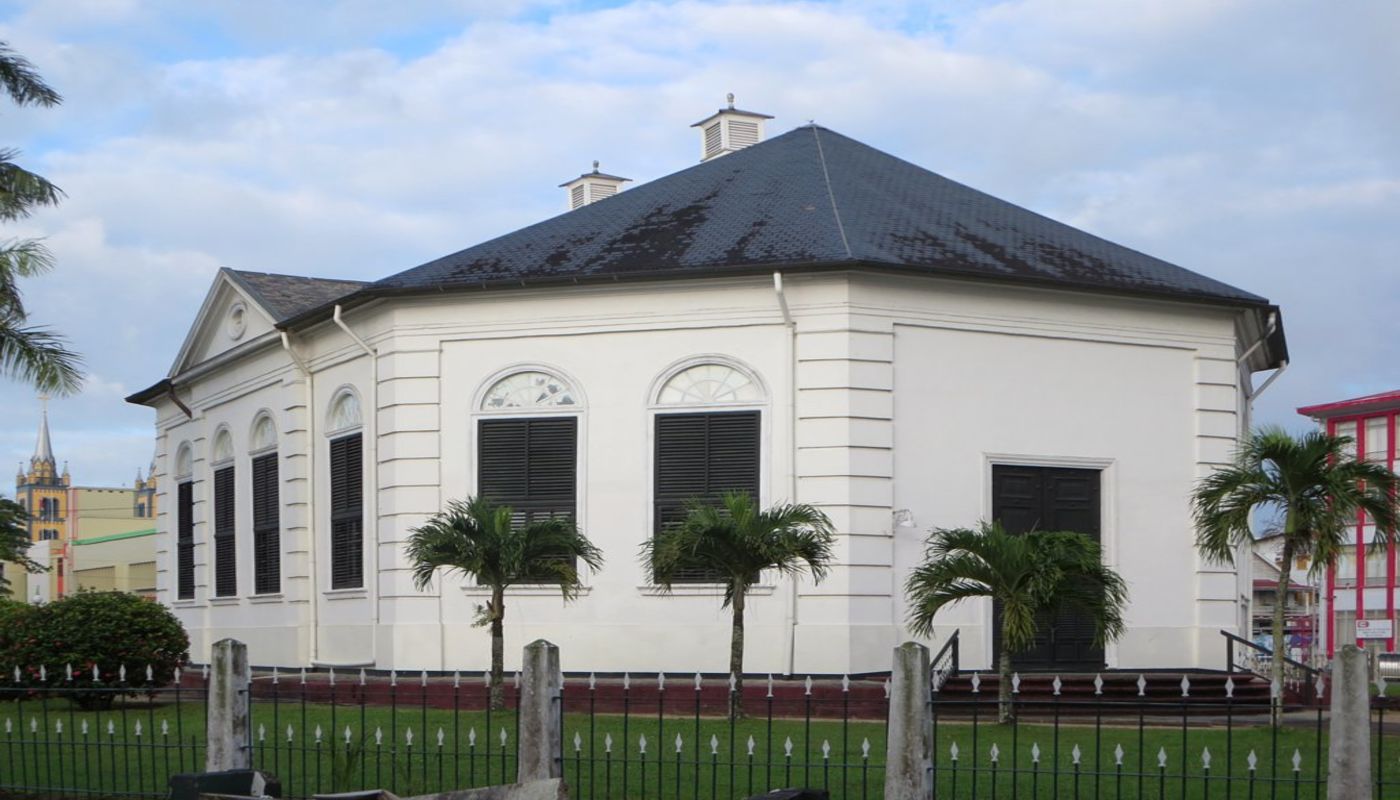
Landscape of Suriname
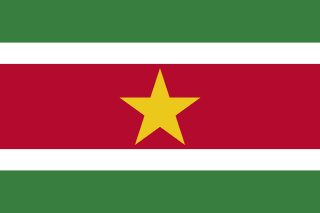
Flag of Suriname

Suriname

South America

Suriname is a small country located in South America, known for its stunning rainforests and diverse wildlife. With a population of just over 600,000 people, Suriname is a developing country that has made progress in areas such as healthcare, education, and environmental conservation. The country's economy is based on natural resources, such as bauxite and gold, but it also faces challenges related to economic diversification, political stability, and environmental sustainability.

What would you like to learn about in Suriname?

Select a section to explore the country where nonprofits are creating positive change.

About Suriname

First explored by the Spaniards in the 16th century and then settled by the English in the mid-17th century, Suriname became a Dutch colony in 1667. With the abolition of African slavery in 1863, workers were brought in from India and Java. Independence from the Netherlands was granted in 1975. Five years later the civilian government was replaced by a military regime that soon declared a socialist republic. It continued to exert control through a succession of nominally civilian administrations until 1987, when international pressure finally forced a democratic election. In 1990, the military overthrew the civilian leadership, but a democratically elected government - a four-party coalition - returned to power in 1991. The coalition expanded to eight parties in 2005 and ruled until August 2010, when voters returned former military leader Desire BOUTERSE and his opposition coalition to power.

Quick Facts

Population
566,846 (July 2013 est.)
Area
163,820 sq km
ISO Code
SR
Continent
South America
Government
constitutional democracy
Active Causes
12
View all countries in South America

Geography & Environment

Climate

tropical; moderated by trade winds

Terrain

mostly rolling hills; narrow coastal plain with swamps

Natural Resources

timber, hydropower, fish, kaolin, shrimp, bauxite, gold, and small amounts of nickel, copper, platinum, iron ore

Environmental Issues

deforestation as timber is cut for export; pollution of inland waterways by small-scale mining activities

People & Society

71.41 years
Avg. Life Expectancy
94.7%
Literacy Rate
69% of total population (2010)
Total Urban Population

Languages

Dutch (official), English (widely spoken), Sranang Tongo (Surinamese, sometimes called Taki-Taki, is native language of Creoles and much of the younge...

Religions

Hindu 27.4%, Protestant 25.2% (predominantly Moravian), Roman Catholic 22.8%, Muslim 19.6%, indigenous beliefs 5%

Health Expenditure

7% of GDP (2010) of GDP

Education Expenditure

NA of GDP

Economy

$12,600
GDP per Capita (PPP)
9%
Unemployment Rate
70% (2002 est.)
Below Poverty Line

Economic Overview

The economy is dominated by the mining industry, with exports of alumina, gold, and oil accounting for about 85% of exports and 25% of government revenues, making the economy highly vulnerable to mineral price volatility. Economic growth, which reached about 7% in 2008, owing to sizeable foreign investment in mining and oil, slowed to 2.2% in 2009 as investment waned and the country earned less from its commodity exports when global prices for most commodities fell. Trade picked up, boosting Suriname's economic growth about 4% per year in 2010-12, but the government's budget remained strained....

Causes in Suriname

Human Rights

Suriname, a small country in South America, is home to a diverse population comprising various ethnic groups such as the Indigenous peoples, Maroons, Creoles, Hindustanis, Javanese, and Chinese. Despite its rich cultural tapestry, Suriname faces significant challenges in upholding human rights. One prevalent issue is the lack of protection for Indigenous communities' land rights, leading to conflicts over land ownership and exploitation of natural resources. Additionally, discrimination and violence against women and the LGBTQ+ community remain pressing concerns in Surinamese society. The government has taken steps to address these issues through legislation and policies; however, there is still much work to be done to ensure the full realization of human rights for all individuals in Suriname.

Religion

Religion in Suriname plays a significant role in shaping the cultural and social fabric of the nation. With a population comprising diverse ethnic groups such as Hindustani, Javanese, Maroons, and Creoles, Suriname is home to various religions including Christianity, Hinduism, Islam, and indigenous belief systems. These religious traditions have influenced everything from family structures to political dynamics in the country. For example, the Hindu community celebrates Diwali as a national holiday, while Christian festivals like Christmas and Easter are widely observed. Moreover, religious organizations often provide key social services and contribute to community development initiatives. Despite the multicultural landscape, Suriname generally enjoys religious harmony, with interfaith dialogue and cooperation being common. However, tensions can arise sporadically, particularly in relation to issues such as religious freedom and discrimination.

Clean Water

Suriname, a small country located on the northeastern coast of South America, faces significant challenges in ensuring access to clean water for its population. With over 90% of its territory covered by rainforests and abundant freshwater resources, one might assume that Suriname has plentiful clean water. However, the reality is quite different. Due to inadequate infrastructure, poor sanitation practices, and pollution from mining activities, many communities in Suriname struggle to access safe and clean drinking water. Contaminated water sources contribute to the spread of waterborne diseases such as cholera and typhoid fever, posing serious health risks to the population. Addressing these challenges requires investment in improving water infrastructure, promoting sustainable land use practices, and raising awareness about the importance of clean water for public health and environmental conservation.

Economy

Suriname, a small country located on the northeastern coast of South America, faces a myriad of challenges in its economic landscape. Despite its rich natural resources, including oil, gold, and timber, Suriname has struggled with economic instability and high levels of public debt. The country heavily relies on the export of commodities for revenue, making it vulnerable to fluctuations in global market prices. Additionally, issues such as corruption, insufficient infrastructure, and limited diversification further hinder Suriname's economic growth potential. The impact of these economic challenges is felt by the population through high unemployment rates, income inequality, and limitations in accessing basic services like healthcare and education. It is imperative for Suriname to address these structural issues and implement sustainable economic policies to promote long-term growth and stability.

Government

Suriname, a small country located on the northeastern coast of South America, faces a range of challenges that are influenced by its government. One significant issue is deforestation, driven by logging and mining activities that have been facilitated by government policies. This has led to environmental degradation, loss of biodiversity, and threats to indigenous communities who depend on the forests for their livelihoods. Furthermore, corruption within the government has hindered economic development and infrastructure improvements, exacerbating poverty and inequality in the country. The lack of effective governance has also contributed to issues such as human rights abuses and weak enforcement of laws, further impacting the lives of Surinamese citizens. It is crucial for the government to address these issues and prioritize sustainable development strategies to ensure a better future for Suriname and its people.

Health

Suriname, a country located on the northeastern Atlantic coast of South America, faces significant health challenges that impact its population. One of the primary health concerns in Suriname is the high prevalence of non-communicable diseases such as diabetes, hypertension, and cardiovascular diseases. Factors contributing to this include lifestyle choices, limited access to healthcare services in remote areas, and inadequate public health awareness campaigns. Additionally, infectious diseases like malaria and dengue fever remain a burden on the healthcare system. The country's healthcare infrastructure also faces challenges such as a shortage of healthcare professionals and limited medical resources. Addressing these health issues requires a multi-faceted approach that includes improving healthcare access, promoting healthier lifestyles, and enhancing public health education initiatives.

Children

In Suriname, a country located on the northeastern coast of South America, children face a myriad of challenges that impact their well-being and future prospects. Factors such as poverty, limited access to quality education, healthcare disparities, and high rates of child labor all play a significant role in shaping the lives of children in Suriname. According to UNICEF, around 47% of children under the age of 5 in Suriname experience multidimensional poverty, which encompasses deprivations in health, education, and living standards. Additionally, child labor remains a prevalent issue in the country, with approximately 8% of children between the ages of 5 and 14 engaged in some form of work, often under hazardous conditions. Ensuring access to education, healthcare services, and social protection programs is crucial in addressing these challenges and improving the overall well-being of children in Suriname.

Environment

Suriname, a country located on the northeastern coast of South America, is known for its rich biodiversity and vast stretches of untouched rainforests. The environment plays a crucial role in shaping the livelihoods and cultural identity of the Surinamese people. However, deforestation, mining activities, and climate change pose significant threats to this unique ecosystem. Deforestation, primarily driven by logging and agricultural expansion, leads to habitat destruction and loss of biodiversity. Mining activities, particularly gold mining, contribute to water and soil pollution, impacting both the environment and human health. Moreover, the effects of climate change, such as rising sea levels and changing weather patterns, further exacerbate environmental challenges in Suriname. It is imperative to raise awareness about these issues and promote sustainable practices to preserve the environment for future generations.

Family

In Suriname, family plays a crucial role in shaping the social fabric of the society. The concept of family extends beyond just immediate relatives to include extended family members, with strong emphasis placed on kinship ties and support networks. Families in Suriname are typically close-knit and interdependent, with a collective mindset that prioritizes the well-being of the group over individual pursuits. This strong sense of familial unity fosters a deep sense of belonging and identity among Surinamese individuals, providing a source of emotional support, financial assistance, and guidance throughout their lives. Furthermore, families in Suriname often serve as a primary source of caregiving for children and the elderly, highlighting the importance placed on intergenerational relationships and community solidarity. By exploring the intricate dynamics of family life in Suriname, we gain valuable insights into the unique cultural values and traditions that shape this diverse nation.

Education

Suriname, a country in South America, faces various challenges in its education sector that impact its population significantly. The education system in Suriname struggles with issues such as limited access to quality education, inadequate infrastructure, and a shortage of qualified teachers. As a result, many children in Suriname do not receive a proper education, hindering their ability to secure employment opportunities and contribute effectively to the country's development. Furthermore, disparities in educational attainment exist among different socioeconomic groups, perpetuating inequality within the society. Addressing these challenges and improving the education system in Suriname is crucial for fostering economic growth, social development, and overall well-being of its people.

Poverty

Suriname, a country in South America, faces significant challenges related to poverty. Approximately 47% of Suriname's population lives below the poverty line, struggling with limited access to basic necessities such as healthcare, education, and clean water. This high poverty rate is predominantly attributed to economic disparities, lack of job opportunities, inadequate social infrastructure, and a reliance on natural resource extraction industries. Poverty in Suriname not only hinders individual well-being but also contributes to social inequalities and impedes overall economic development. Addressing poverty in Suriname requires comprehensive strategies that focus on improving education, creating sustainable job opportunities, and enhancing social welfare programs to uplift the marginalized communities and foster inclusive growth.

Animals

Suriname, a country located on the northeastern coast of South America, boasts a rich biodiversity that plays a crucial role in its ecosystem. Animals in Suriname contribute significantly to the country's economy through ecotourism and agriculture. The diverse range of wildlife including jaguars, giant river otters, and various bird species attract nature enthusiasts from around the world. However, deforestation, illegal hunting, and habitat destruction pose serious threats to these animals, pushing many species towards endangerment or extinction. Conservation efforts are essential to safeguard Suriname's unique fauna and preserve its natural heritage for future generations.

Nonprofits Working in Suriname

Discover organizations making a difference in Suriname

KENDALL OPTOMETRY MINISTRY INC

ORGANIZATIONAL MISSION STATEMENT With primary emphasis in underdeveloped countries, Kendall Optometry Ministry, Inc. was established in 2003 to spread the Word of our Lord and Savior Jesus Christ. This is accomplished by providing glasses to improve the vision of people living in many underdeveloped countries. These impoverished people can now see to read their Bible, and also improve their standard of living. Kendall Optometry Ministry, Inc (KOM) is a 501-3c non-profit organization formed to provide optical equipment and training to Christian optical mission teams traveling all over the world. The equipment and training is provided at no cost and supplies are provided at a break even price. Teams are responsible for building their own eyeglasses inventory but much assistance (in the form of training and software) is provided by KOM to assist in the building of this inventory. KOM also has a limited supply of barcoded glasses (prescription in barcode) which can be used to quickly build an inventory. A testimonial by the President. (Revised: 9/8/2018) I grew up in a Christian family. My father, M. H. Kendall , was a college professor and head of the religion department at Mars Hill College, Mars Hill, N.C. for nearly 40 years. I worked for 29 years for General Electric Appliances in Louisville, Ky. During the last 4 years I averaged several hundred thousand miles each year on international travel installing computer systems. All of this travel went flawlessly. God blessed me in everything that I did. It was something that I found to be obvious that God had a hand in my work. In July, 1999 I decided I would take one mission trip to Honduras working through an organization called "Baptist Medical Dental Mission International" (BMDMI.ORG). My intent was to "pay back the Lord" with this one mission trip. When I arrived in the village, I asked the team leader what he wanted me to do. He said he had several boxes of used prescription glasses to hand out. These glasses were dirty, broken, and not measured. As you can see in Figure 1 to the left (scroll down a bit), we just set them out on a table and people came by and tried them on until something helped them. I immediately knew this was wrong but it was the best we could do then. I came back from that trip with a God Given passion to do it better. Since 1999 I have gone to Honduras 27 times and Nicaragua 3 times. Each time something would be improved. The use of the autorefractor was introduced into Honduras in 2003 (to see Figure 2 scroll down a bit) and another one into Nicaragua in 2004. A special series of computer programs were developed to manage and build the inventory. You can review these programs at http://eyeglasses-Inventory.com/. Since 2003 of the 51 BMDMI mission teams more than 95% of these teams use the equipment and software developed by Kendall Optometry Ministry, Inc. In 2003 Kendall Optometry Ministry was incorporated as a 501-3c non-profit company. Using donations provided by several churches and individuals this company purchased a set of equipment which could be loaned out to Christian mission teams going all over the world. Later in 2005 a 2nd kit was purchased and in 2006 a 3rd and a 4th kit was purchased. In the beginning of 2007 a 5th kit was purchased. At the end of 2007 a 6th and 7th kit including a Retinomax 3 was purchased. By the end of 2009 the company owned 10 kits. In 2010 the company purchased two more kits. In 2011 the company purchased 1 more kit bringing the total to 13. By 2017 the company had purchased 18 kits. In 2018 KOM purchased kit number 19. See the growth of the company at this link. 2018 is only part of the year on this graph. Other teams will participate. The teams use this equipment to not only allow people to read their Bible but to also to help them improve their standard of living. You can read about some of these teams in the Teams Supported area of this web site. Tell us about your Christian mission team. Let us help you be more effective in your work for the Lord. If you would like our help send an E-Mail to: HollandKendall@kendalloptoministry.org Holland Kendall, President Kendall Optometry Ministry, Inc.

LOUISVILLE, Kentucky

Make Your Impact Today

Discover causes you care about and support the nonprofits making a difference in communities around the world.

Are you a nonprofit? Join Project World Impact for free

Join Us Free