Svalbard
Europe
Svalbard is a Norwegian archipelago with a population of approximately 2,500 people. The archipelago is home to the Global Seed Vault, a facility that preserves seeds from around the world in case of a global catastrophe. The area has faced challenges related to climate change, including melting permafrost and rising sea levels. Efforts are underway to address these issues and promote sustainable development, including the development of renewable energy and climate-resilient infrastructure.
What would you like to learn about in Svalbard?
Select a section to explore the country where nonprofits are creating positive change.
Svalbard is a Norwegian archipelago with a population of approximately 2,500 people. The archipelago is home to the Global Seed Vault, a facility that preserves seeds from around the world in case of a global catastrophe. The area has faced challenges related to climate change, including melting permafrost and rising sea levels. Efforts are underway to address these issues and promote sustainable development, including the development of renewable energy and climate-resilient infrastructure.
Causes in Svalbard
Environment
Svalbard, an archipelago situated in the Arctic Ocean, is home to a fragile ecosystem that is heavily impacted by environmental changes. The region experiences some of the most rapid and dramatic effects of global warming, with rising temperatures leading to melting ice caps, dwindling sea ice, and changes in wildlife populations. These changes have profound implications for the indigenous species such as polar bears, Arctic foxes, and reindeer that call Svalbard home. Additionally, the melting of permafrost is causing land subsidence and threatening infrastructure in the few settlements on the islands. The environmental challenges facing Svalbard serve as a stark reminder of the urgent need for global action to combat climate change and protect our planet's delicate ecosystems.
Family
Svalbard, a Norwegian archipelago located in the Arctic Ocean, is a unique region characterized by its extreme climate conditions and stunning natural landscapes. In this remote territory, families play a crucial role in the social fabric of the community. With a small population of around 2,700 residents, family bonds are particularly significant in providing support and stability in such a remote and challenging environment. Families in Svalbard often rely on each other for emotional support, practical assistance, and companionship due to the isolation and harsh living conditions. Furthermore, the tight-knit nature of family relationships in Svalbard fosters a sense of belonging and unity among its inhabitants, contributing to the resilience of the community as a whole.
Human Rights
Svalbard, an archipelago located in the Arctic Ocean, is a unique territory governed by Norway under the terms of the Svalbard Treaty. Despite its remote location and small population, human rights issues remain a vital concern in Svalbard. Indigenous rights of the Sámi people, who have historically inhabited parts of the region, are particularly significant. The right to maintain their cultural identity, language, and traditional way of life is crucial for the Sámi population in Svalbard. Additionally, environmental rights play a pivotal role in Svalbard due to its fragile Arctic ecosystem, which faces challenges from climate change and increasing human activity. Ensuring human rights protections in Svalbard is essential to preserve the region's unique environment and support the indigenous communities living there.
Education
Education plays a crucial role in the development and progress of Svalbard, an archipelago located in the Arctic Ocean. As a territory of Norway, the education system in Svalbard follows the Norwegian model, providing its residents with access to high-quality education from primary to higher levels. The University Centre in Svalbard (UNIS) offers specialized courses in Arctic studies, geology, biology, and technology, attracting students and researchers from around the world. Education in Svalbard not only equips individuals with knowledge and skills but also fosters scientific research and innovation essential for understanding and addressing the challenges faced by this unique polar region such as climate change and sustainability.
Poverty
Svalbard, an archipelago situated in the Arctic Ocean, faces unique challenges due to its remote location and harsh climate. Poverty in Svalbard affects a small segment of its population, mainly consisting of foreign workers and individuals with limited access to employment opportunities. The high cost of living, inadequate social support systems, and limited job prospects contribute to economic hardship for some residents. Despite being part of Norway, Svalbard operates under a separate set of regulations that impact socio-economic conditions on the archipelago. Addressing poverty in Svalbard requires targeted interventions that consider the region's distinct circumstances and vulnerabilities.
Religion
Svalbard, an archipelago situated in the Arctic Ocean, is a unique territory with a varied religious landscape. While the majority of the population in Svalbard identifies as Christian, ranging from various denominations such as Lutheranism and Catholicism, there is also a growing presence of non-religious individuals and other faiths. Religion plays a significant role in shaping the cultural norms and values in Svalbard, offering a sense of community and heritage for its inhabitants. However, the impact of religion on daily life is less pronounced compared to other aspects such as the environment and economy. As a remote and sparsely populated region, religious practices are often intertwined with local traditions and celebrations, contributing to the rich tapestry of Svalbard's cultural identity.
Clean Water
Svalbard, a Norwegian archipelago located in the Arctic Ocean, faces unique challenges in ensuring access to clean water due to its remote location and fragile ecosystem. The pristine environment of Svalbard is particularly susceptible to pollution from various sources, including maritime activities, mining operations, and climate change-induced melting of ice caps. Contamination of the limited freshwater sources on the islands can have detrimental effects on both the environment and the residents, who rely on clean water for drinking, sanitation, and sustenance. Additionally, the presence of pollutants in water bodies can disrupt the delicate balance of the local ecosystem, endangering wildlife and marine species that call Svalbard home. Thus, safeguarding clean water in Svalbard is crucial for preserving the region's biodiversity and ensuring the well-being of its inhabitants.
Economy
Svalbard, an archipelago situated in the Arctic Ocean, is a unique territory with a fragile economy largely dependent on mining, research, and tourism. The economy of Svalbard is heavily influenced by global factors such as fluctuations in commodity prices and environmental changes affecting the region. The declining coal industry, one of the primary sources of income for the region, has led to economic challenges for the local community. Additionally, the impact of climate change on the Arctic environment poses a significant threat to the sustainability of economic activities in Svalbard. As the region faces uncertainties due to these economic challenges, efforts are being made to diversify the economy through initiatives promoting sustainable tourism and research activities. It is crucial to raise awareness about the economic vulnerabilities of Svalbard and support measures that promote long-term resilience and sustainability for this unique Arctic territory.
Government
Svalbard, an archipelago situated within the Arctic Circle, is a unique territory under Norwegian sovereignty. Despite its remote location and harsh climate, Svalbard plays a significant role in global environmental conservation efforts due to its pristine natural environment and abundant wildlife. The Norwegian government exercises authority over Svalbard through the Svalbard Treaty of 1920, which grants Norway full sovereignty while also ensuring equal access to the islands for signatory nations for non-military purposes. The government's policies on environmental protection, sustainable development, and research initiatives on climate change have a profound impact on the fragile ecosystem of Svalbard, making it crucial for policymakers to prioritize conservation efforts to safeguard this pristine region for future generations.
Health
Svalbard, an archipelago located in the Arctic Ocean, faces unique health challenges due to its extreme climate and remote location. The harsh environmental conditions in Svalbard can impact the physical and mental well-being of its residents. Limited access to healthcare facilities and services further exacerbates health concerns in this region. Issues such as vitamin D deficiency due to prolonged periods of darkness, mental health problems stemming from isolation, and higher rates of respiratory illnesses due to the cold climate are prevalent in Svalbard. Additionally, the prevalence of certain diseases such as polar bear attacks poses a specific risk to the population's health and safety. It is imperative to address these health challenges in Svalbard through improved healthcare infrastructure, increased access to medical services, and initiatives promoting overall well-being among its residents.
Children
Svalbard, an archipelago located in the Arctic Ocean, faces a unique set of challenges due to its remote location and harsh climate. The impact of children on Svalbard is significant as they represent the future of this fragile ecosystem. Limited access to educational resources and healthcare services pose a threat to the well-being of children in Svalbard. Additionally, the changing environmental conditions, such as melting ice caps and increased pollution, have a direct impact on the health and safety of children living on the archipelago. It is crucial to raise awareness about the specific needs of children in Svalbard and work towards ensuring their rights and protection in this challenging environment.
Animals
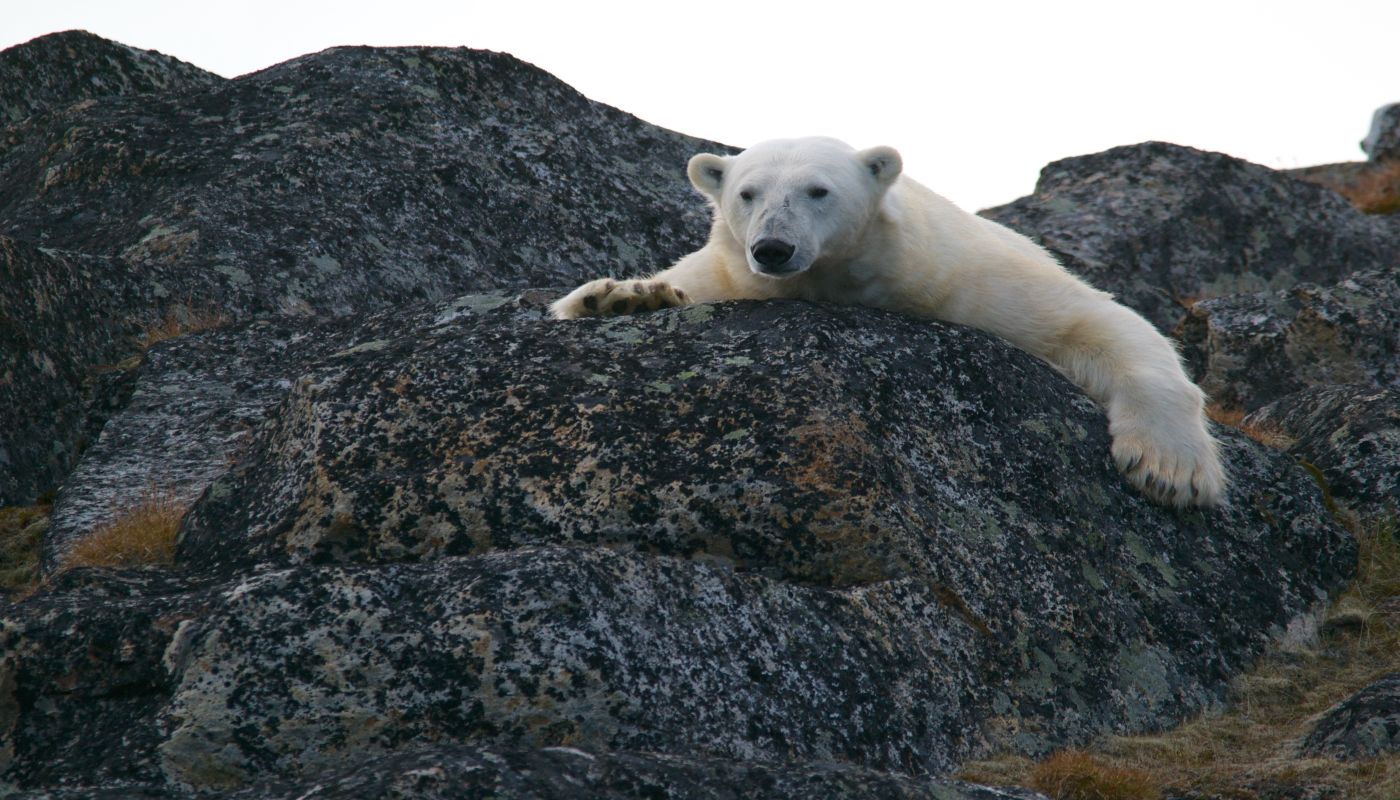
Svalbard, an archipelago located in the Arctic Ocean, is home to a unique ecosystem where animals play a crucial role in maintaining the delicate balance of its environment. The wildlife in Svalbard, consisting of species such as polar bears, Arctic foxes, reindeer, and various seabirds, are highly adapted to the harsh Arctic conditions. These animals are not only vital to the region's biodiversity but also serve as indicators of environmental health. However, climate change poses a significant threat to the animals in Svalbard, as rising temperatures lead to shrinking sea ice, affecting their habitat and food sources. Additionally, human activities such as tourism and resource extraction can disturb these fragile ecosystems, further endangering the wildlife. It is essential to raise awareness about the impact of these factors on the animals in Svalbard and take action to protect their habitats for future generations.
Location
Nonprofits Working in Svalbard
Discover organizations making a difference in Svalbard
Make Your Impact Today
Discover causes you care about and support the nonprofits making a difference in communities around the world.
Are you a nonprofit? Join Project World Impact for free
Join Us Free