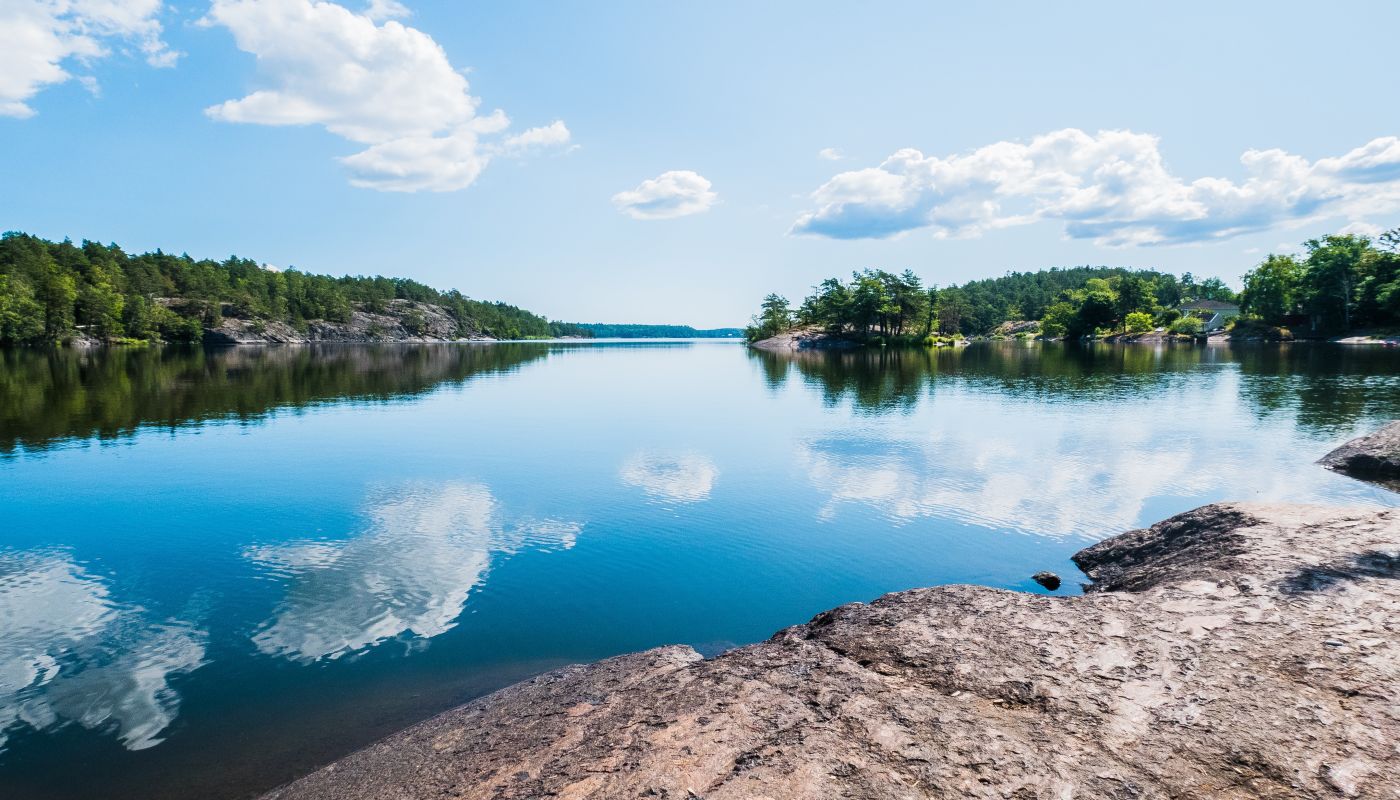
Landscape of Sweden
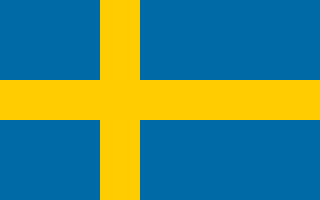
Flag of Sweden

Sweden

Europe

Sweden is a prosperous and highly developed country located in Northern Europe, known for its stunning natural landscapes, innovative culture, and commitment to social welfare. With a population of over 10 million people, Sweden is one of the wealthiest and most egalitarian countries in the world. The country's economy is based on manufacturing, services, and natural resources, and it is known for its innovation and sustainability. Sweden faces challenges related to an aging population, and the integration of immigrants.

What would you like to learn about in Sweden?

Select a section to explore the country where nonprofits are creating positive change.

About Sweden

A military power during the 17th century, Sweden has not participated in any war for almost two centuries. An armed neutrality was preserved in both world wars. Sweden's long-successful economic formula of a capitalist system interlarded with substantial welfare elements was challenged in the 1990s by high unemployment and in 2000-02 and 2009 by the global economic downturns, but fiscal discipline over the past several years has allowed the country to weather economic vagaries. Sweden joined the EU in 1995, but the public rejected the introduction of the euro in a 2003 referendum.

Quick Facts

Population
9,119,423 (July 2013 est.)
Area
450,295 sq km
ISO Code
SE
Continent
Europe
Government
constitutional monarchy
Active Causes
12
View all countries in Europe

Geography & Environment

Climate

temperate in south with cold, cloudy winters and cool, partly cloudy summers; subarctic in north

Terrain

mostly flat or gently rolling lowlands; mountains in west

Natural Resources

iron ore, copper, lead, zinc, gold, silver, tungsten, uranium, arsenic, feldspar, timber, hydropower

Environmental Issues

acid rain damage to soils and lakes; pollution of the North Sea and the Baltic Sea

People & Society

81.28 years
Avg. Life Expectancy
99%
Literacy Rate
85% of total population (2010)
Total Urban Population

Languages

Swedish (official), small Sami- and Finnish-speaking minorities

Religions

Lutheran 87%, other (includes Roman Catholic, Orthodox, Baptist, Muslim, Jewish, and Buddhist) 13%

Health Expenditure

9.6% of GDP (2010) of GDP

Education Expenditure

7.3% of GDP (2009) of GDP

Economy

$41,900
GDP per Capita (PPP)
8%
Unemployment Rate
NA%
Below Poverty Line

Economic Overview

Aided by peace and neutrality for the whole of the 20th century, Sweden has achieved an enviable standard of living under a mixed system of high-tech capitalism and extensive welfare benefits. It has a modern distribution system, excellent internal and external communications, and a highly skilled labor force. In September 2003, Swedish voters turned down entry into the euro system concerned about the impact on the economy and sovereignty. Timber, hydropower, and iron ore constitute the resource base of an economy heavily oriented toward foreign trade. Privately owned firms account for vast ma...

Causes in Sweden

Environment

Sweden is renowned for its commitment to environmental sustainability. The country's unique geography, characterized by vast forests, numerous lakes, and a long coastline, plays a crucial role in shaping its environmental policies and practices. Sweden faces various environmental challenges, such as air and water pollution, deforestation, and climate change impacts. The government has implemented strict environmental regulations and initiatives to address these issues, aiming to reduce greenhouse gas emissions, promote renewable energy sources, and preserve biodiversity. Sweden's strong focus on sustainability is evident in its innovative waste management systems, extensive recycling programs, and promotion of eco-friendly transportation options. Despite these efforts, continued vigilance and collective action are essential to ensure a healthy environment for current and future generations.

Family

In Sweden, family plays a significant role in shaping the social fabric of the country. The concept of family in Sweden extends beyond biological ties to include chosen families and various forms of kinship networks. The Swedish government places a strong emphasis on supporting families through policies such as generous parental leave, affordable childcare, and access to high-quality healthcare and education. This focus on family support contributes to the well-being and success of individuals within Swedish society. Moreover, the value placed on work-life balance in Sweden allows families to spend quality time together, fostering strong relationships and emotional connections. Overall, the emphasis on family in Sweden underscores its importance in promoting social cohesion and individual flourishing.

Human Rights

Sweden, a country known for its strong commitment to upholding human rights, has embedded respect for human rights into its legal framework and national identity. The Swedish government actively promotes equality, non-discrimination, and social inclusion, making it a leader in promoting human rights both domestically and internationally. Sweden's dedication to human rights is reflected in its policies on gender equality, LGBTQ+ rights, refugee protection, and freedom of expression. By prioritizing human rights in its decision-making processes and laws, Sweden ensures that all individuals enjoy fundamental freedoms and protections. This commitment not only enhances the well-being of its citizens but also sets an example for other nations to follow in promoting a more just and equitable society.

Education

In Sweden, education plays a pivotal role in shaping the country's society and economy. With a strong emphasis on equality and access to quality education for all, Sweden boasts one of the most robust education systems in the world. The country places a high value on education, offering free education for all students from preschool to university level. This inclusive approach has led to high literacy rates and a well-educated workforce, contributing to Sweden's innovative and competitive economy. Additionally, Sweden's education system focuses on fostering creativity, critical thinking, and problem-solving skills, preparing students to navigate an increasingly complex world. As a result, Sweden consistently ranks high in international education assessments and remains a leader in educational excellence.

Poverty

Sweden, a Scandinavian country known for its high standard of living, social welfare system, and robust economy, is not exempt from the issue of poverty. Despite its reputation for relative prosperity, poverty in Sweden affects a significant portion of the population. Factors contributing to poverty in Sweden include high living costs, lack of affordable housing in urban areas, unemployment, and social exclusion. The impact of poverty in Sweden can be seen through disparities in access to healthcare, education, and social services. Addressing poverty is crucial to ensuring equality and sustainability in Swedish society.

Religion

Religion in Sweden holds a unique position within the country's social fabric. Historically, Sweden has been predominantly Lutheran, with the Church of Sweden being the largest Christian denomination. However, in recent years, there has been a significant decline in religious affiliation, with a growing number of Swedes identifying as atheists or agnostics. This shift is reflected in the declining church attendance and the decreasing influence of religious institutions on public life. Despite this trend, religion still plays a role in shaping Swedish culture and traditions, particularly during holidays and ceremonies. The Swedish government maintains a separation of church and state, ensuring that religious freedom is protected for all citizens. As Sweden continues to evolve as a secular society, the impact of religion on its people remains a dynamic and evolving aspect of its national identity.

Clean Water

Sweden, a country known for its commitment to sustainability and environmental protection, places great importance on clean water as a fundamental resource. With an abundance of lakes, rivers, and groundwater sources, access to clean water is a crucial aspect of Swedish daily life and contributes significantly to the country's economic and social development. The availability of clean water supports various sectors such as agriculture, industry, and tourism, driving economic growth and enhancing quality of life for its citizens. However, despite Sweden's relatively good water quality compared to many other countries, challenges such as pollution from agriculture, industry, and urban areas persist and require continuous monitoring and management efforts to ensure water remains safe and sustainable for future generations.

Economy

Sweden is a country known for its stable economy, characterized by a high standard of living and a well-developed welfare system. The economy of Sweden is export-oriented, with key industries including manufacturing, services, and technology. The country has a strong tradition of innovation and entrepreneurship, which has contributed to its economic growth. However, like many other nations, Sweden is not immune to economic challenges. The global economic downturns, fluctuations in the currency exchange rates, and shifts in international trade policies can impact Sweden's economy significantly. The country's economy is also influenced by factors such as government policies, labor market conditions, and social welfare programs. Ensuring sustainable economic growth and stability remains a priority for Sweden to continue providing its citizens with a high quality of life.

Government

Sweden is a country known for its extensive welfare system and progressive policies that aim to promote equality and social justice. The government in Sweden plays a significant role in shaping the country's socio-economic landscape through various policies and programs. Sweden's government is a parliamentary democracy with a strong emphasis on social welfare, healthcare, education, and environmental sustainability. It actively invests in public services, such as healthcare and education, to ensure access for all citizens. Additionally, Sweden has implemented policies to address climate change, aiming to achieve carbon neutrality by 2045. The government's impact on Sweden is evident in its high standard of living, low levels of income inequality, and strong emphasis on gender equality. Overall, the government in Sweden plays a crucial role in promoting the well-being of its citizens and creating a society based on principles of fairness and sustainability.

Health

In Sweden, health plays a significant role in the overall well-being of its population. The country boasts a robust healthcare system that offers universal access to quality medical services for all residents. Sweden's emphasis on preventative care, early intervention, and health education has contributed to its high life expectancy and low mortality rates. The government invests heavily in healthcare infrastructure, research, and technology to ensure that its citizens receive timely and effective medical treatment. Additionally, Sweden prioritizes mental health awareness and support services to address the growing concerns surrounding mental well-being. Despite these initiatives, challenges such as an aging population and rising healthcare costs remain ongoing concerns that the country continues to address through policy reforms and strategic planning.

Children

In Sweden, children hold a significant place in society, and their well-being is a top priority for the government and communities. The country's social policies focus on providing comprehensive support and protection for children, aiming to ensure their rights and welfare are upheld. Sweden offers universal access to education, healthcare, and social services, contributing to a high quality of life for children. Despite these efforts, challenges such as child poverty, mental health issues, and inequality persist, requiring continuous attention and action from authorities and organizations to address them effectively. By promoting awareness and advocating for the needs of children, society can work together towards creating a better future for the younger generation.

Animals

In Sweden, animals hold significant importance in various aspects of society. The relationship between Swedes and animals is deeply rooted in the country's culture, history, and legislation. Animals play a crucial role in Sweden's economy through industries such as agriculture, forestry, and tourism. Furthermore, the welfare of animals is a top priority in Sweden, as evidenced by strict animal welfare laws and regulations that protect the rights and well-being of animals. Swedes have a strong tradition of caring for animals, with a high rate of pet ownership and a widespread appreciation for wildlife conservation efforts. Overall, animals have a profound impact on Swedish society, shaping values, practices, and policies that promote a harmonious coexistence between humans and animals.

Nonprofits Working in Sweden

Discover organizations making a difference in Sweden

Make Your Impact Today

Discover causes you care about and support the nonprofits making a difference in communities around the world.

Are you a nonprofit? Join Project World Impact for free

Join Us Free