
Landscape of Switzerland
Flag of Switzerland

Switzerland

Europe

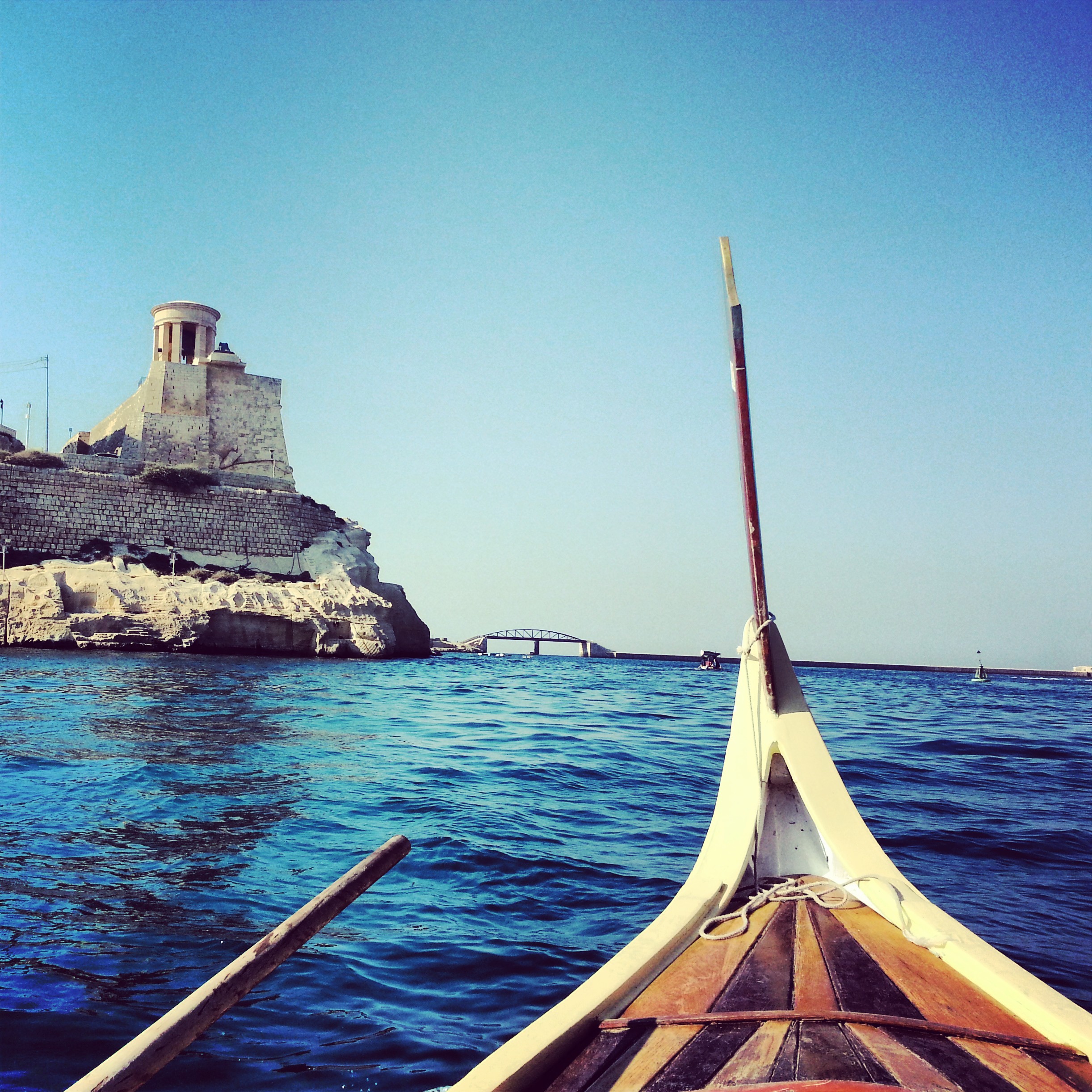
Switzerland is located in Central Europe, and is known for its financial and political stability. With a population of just over 8.5 million people, Switzerland is a federal republic with a system of direct democracy and a highly competitive economy based on banking, pharmaceuticals, and technology. The country is also known for its high quality of life, strong social welfare system, and commitment to environmental sustainability. Switzerland faces challenges related to immigration, economic inequality, and political polarization, but it remains a prosperous and innovative country.

What would you like to learn about in Switzerland?

Select a section to explore the country where nonprofits are creating positive change.

About Switzerland

The Swiss Confederation was founded in 1291 as a defensive alliance among three cantons. In succeeding years, other localities joined the original three. The Swiss Confederation secured its independence from the Holy Roman Empire in 1499. A constitution of 1848, subsequently modified in 1874, replaced the confederation with a centralized federal government. Switzerland's sovereignty and neutrality have long been honored by the major European powers, and the country was not involved in either of the two world wars. The political and economic integration of Europe over the past half century, as well as Switzerland's role in many UN and international organizations, has strengthened Switzerland's ties with its neighbors. However, the country did not officially become a UN member until 2002. Switzerland remains active in many UN and international organizations but retains a strong commitment to neutrality.

Quick Facts

Population
7,996,026 (July 2013 est.)
Area
41,277 sq km
ISO Code
CH
Continent
Europe
Government
formally a confederation but similar in structure to a federal republic
Active Causes
12
View all countries in Europe

Geography & Environment

Climate

temperate, but varies with altitude; cold, cloudy, rainy/snowy winters; cool to warm, cloudy, humid summers with occasional showers

Terrain

mostly mountains (Alps in south, Jura in northwest) with a central plateau of rolling hills, plains, and large lakes

Natural Resources

hydropower potential, timber, salt

Environmental Issues

air pollution from vehicle emissions and open-air burning; acid rain; water pollution from increased use of agricultural fertilizers; loss of biodiversity

People & Society

82.28 years
Avg. Life Expectancy
99%
Literacy Rate
74% of total population (2010)
Total Urban Population

Languages

German (official) 63.7%, French (official) 20.4%, Italian (official) 6.5%, Serbo-Croatian 1.5%, Albanian 1.3%, Portuguese 1.2%, Spanish 1.1%, English...

Religions

Roman Catholic 41.8%, Protestant 35.3%, Muslim 4.3%, Orthodox 1.8%, other Christian 0.4%, other 1%, unspecified 4.3%, none 11.1% (2000 census)

Health Expenditure

11.5% of GDP (2010) of GDP

Education Expenditure

5.4% of GDP (2009) of GDP

Economy

$46,200
GDP per Capita (PPP)
2.9%
Unemployment Rate
7.9% (2010)
Below Poverty Line

Economic Overview

Switzerland is a peaceful, prosperous, and modern market economy with low unemployment, a highly skilled labor force, and a per capita GDP among the highest in the world. Switzerland's economy benefits from a highly developed service sector, led by financial services, and a manufacturing industry that specializes in high-technology, knowledge-based production. Its economic and political stability, transparent legal system, exceptional infrastructure, efficient capital markets, and low corporate tax rates also make Switzerland one of the world's most competitive economies. The Swiss have brough...

Causes in Switzerland

Environment

Switzerland, known for its pristine landscapes and commitment to environmental conservation, faces various challenges due to its geographical location and climate. The country's economy heavily relies on tourism, agriculture, and hydropower generation, all of which are susceptible to the impacts of climate change. Switzerland experiences rising temperatures, melting glaciers, and increased frequency of natural disasters such as floods and landslides. These environmental changes not only threaten the country's biodiversity but also pose risks to the well-being of its population and infrastructure. Furthermore, Switzerland's carbon footprint remains relatively high despite efforts to promote sustainability and reduce greenhouse gas emissions. It is crucial for Switzerland to continue implementing robust environmental policies and promoting sustainable practices to mitigate the adverse effects of climate change and preserve its natural beauty for future generations.

Family

In Switzerland, family holds a significant place within the societal fabric, playing a crucial role in shaping the country's cultural and social landscape. The Swiss culture places a strong emphasis on family values, with families typically being close-knit and supportive of one another. Family gatherings, such as meals and celebrations, are highly valued occasions where relationships are nurtured and bonds strengthened. The Swiss also prioritize work-life balance to ensure quality time with their families, with many companies offering flexible working arrangements to accommodate family needs. Additionally, Switzerland boasts a well-established system of social support and childcare services to assist families in providing the best possible environment for their children. Overall, the family unit in Switzerland serves as a cornerstone of stability and support, contributing to the well-being and cohesion of Swiss society.

Human Rights

Switzerland, a country renowned for its neutrality and commitment to humanitarian causes, places a high value on human rights within its borders. The Swiss government has ratified numerous international human rights treaties and conventions, demonstrating its dedication to upholding fundamental rights for all individuals residing in the country. Switzerland's strong legal framework provides protection for civil, political, economic, social, and cultural rights, ensuring that its citizens and residents enjoy a high standard of living and equal opportunities. Additionally, Switzerland actively engages in promoting human rights globally through its foreign policy and participation in international organizations. By prioritizing human rights at home and abroad, Switzerland sets a positive example for other nations to follow, fostering a culture of respect, dignity, and equality for all.

Education

Education plays a pivotal role in Switzerland, with the country being renowned for its high-quality education system. The Swiss education system is characterized by its emphasis on practical skills, critical thinking, and innovation. Education in Switzerland is highly decentralized, with each canton responsible for its own educational policies and curriculum development. This system allows for flexibility and innovation in education, ensuring that students receive a well-rounded education tailored to their individual needs. Switzerland's commitment to education is reflected in its high levels of educational attainment, with a large proportion of the population holding tertiary qualifications. The country's strong focus on education has contributed to its economic prosperity and competitiveness on the global stage.

Poverty

Switzerland, often recognized for its economic prosperity and high standard of living, is not immune to the issue of poverty. Despite its overall wealth, poverty remains a significant concern within the country, affecting a notable portion of its population. The impact of poverty in Switzerland manifests in various ways, including limited access to education, healthcare, and social services for those living on low incomes. Notably, the cost of living in Switzerland is one of the highest in the world, making it particularly challenging for individuals and families with limited financial resources to meet their basic needs. Additionally, poverty can lead to social exclusion and a lack of opportunities for those affected, perpetuating a cycle of disadvantage. Addressing poverty in Switzerland requires comprehensive measures that encompass social policies, employment opportunities, and support systems to ensure all members of society have access to a decent standard of living.

Religion

Switzerland, a country known for its diverse cultural landscape, is deeply influenced by religion. Although historically a predominantly Christian nation, Switzerland has seen a decline in religious affiliation in recent years. Currently, Christianity remains the most widely practiced religion, with Roman Catholicism and Protestantism being the main denominations. However, there is also a significant population of individuals who identify as non-religious or unaffiliated. This shift in religious demographics has led to a growing secularization of Swiss society, impacting various aspects of life including politics, social norms, and cultural practices. Despite this trend, Switzerland still values religious freedom and tolerance, with the Swiss constitution guaranteeing the right to freedom of religion and belief. This stance reflects the country's commitment to diversity and inclusivity in its societal fabric.

Clean Water

Switzerland, renowned for its pristine natural landscapes and strong commitment to environmental conservation, values clean water as a fundamental resource crucial to its society, economy, and ecosystems. With its numerous lakes, rivers, and glaciers, Switzerland heavily relies on clean water for various purposes such as agriculture, industry, tourism, and hydropower generation. Maintaining high water quality is essential to preserve the biodiversity of its aquatic ecosystems and safeguard public health. Furthermore, the Swiss economy heavily depends on the export of high-quality Swiss water products such as bottled water and beverages. Ensuring access to clean water is not only a matter of environmental responsibility but also a key factor in sustaining Switzerland's economic prosperity and quality of life.

Economy

Switzerland is globally renowned for its stable and prosperous economy, supported by a strong financial sector, skilled workforce, and high-tech manufacturing industry. The country's economy heavily relies on exports, particularly in the sectors of pharmaceuticals, machinery, and precision instruments. Furthermore, Switzerland is home to numerous multinational corporations and is considered a global financial hub due to its banking sector. However, the high cost of living and strong Swiss franc pose challenges for domestic industries and can impact the country's competitiveness on the global stage. Moreover, Switzerland's economy is susceptible to external factors such as global economic trends, trade policies, and currency fluctuations, which can significantly influence its economic performance and growth trajectory.

Government

Switzerland, known for its political neutrality and stability, is a federal republic located in Central Europe. The Swiss government plays a crucial role in shaping the country's policies and regulations, which significantly impact its citizens and residents. The government structure is characterized by a system of direct democracy, where citizens have the opportunity to participate in decision-making through referendums and initiatives. The Swiss government focuses on maintaining a strong economy, promoting social welfare, and preserving its unique cultural heritage. Through effective governance and policies, Switzerland has established itself as a prosperous and peaceful nation with high standards of living. The government's impact on Switzerland is evident in its efficient public services, well-functioning infrastructure, and commitment to environmental sustainability.

Health

Switzerland, renowned for its high standard of living and efficient healthcare system, faces several health challenges that impact its population. One significant issue is the rising prevalence of non-communicable diseases such as cardiovascular diseases, cancer, and diabetes, which account for the majority of deaths in the country. Factors contributing to this trend include an aging population, sedentary lifestyles, unhealthy diets, and tobacco use. Mental health is also a growing concern in Switzerland, with increasing rates of anxiety and depression among the population. Addressing these health challenges requires a comprehensive approach that includes promoting healthy lifestyles, improving access to mental health services, and addressing social determinants of health. By raising awareness and implementing evidence-based interventions, Switzerland can work towards improving the health and well-being of its population.

Children

Switzerland, a country known for its efficient healthcare system and high quality of life, is not immune to the challenges faced by children. Despite its reputation for prosperity, poverty remains a pressing issue affecting many Swiss children. According to the Federal Statistical Office, approximately 8.7% of children in Switzerland live in poverty, with single-parent households being particularly vulnerable. This socioeconomic disparity can have lasting effects on children's physical and mental well-being, educational attainment, and overall life outcomes. Furthermore, issues such as child abuse, neglect, and mental health concerns continue to impact the younger population in Switzerland. It is crucial for policymakers, communities, and individuals to work together to address these challenges and ensure that every child in Switzerland has equal access to opportunities for a healthy and fulfilling future.

Animals

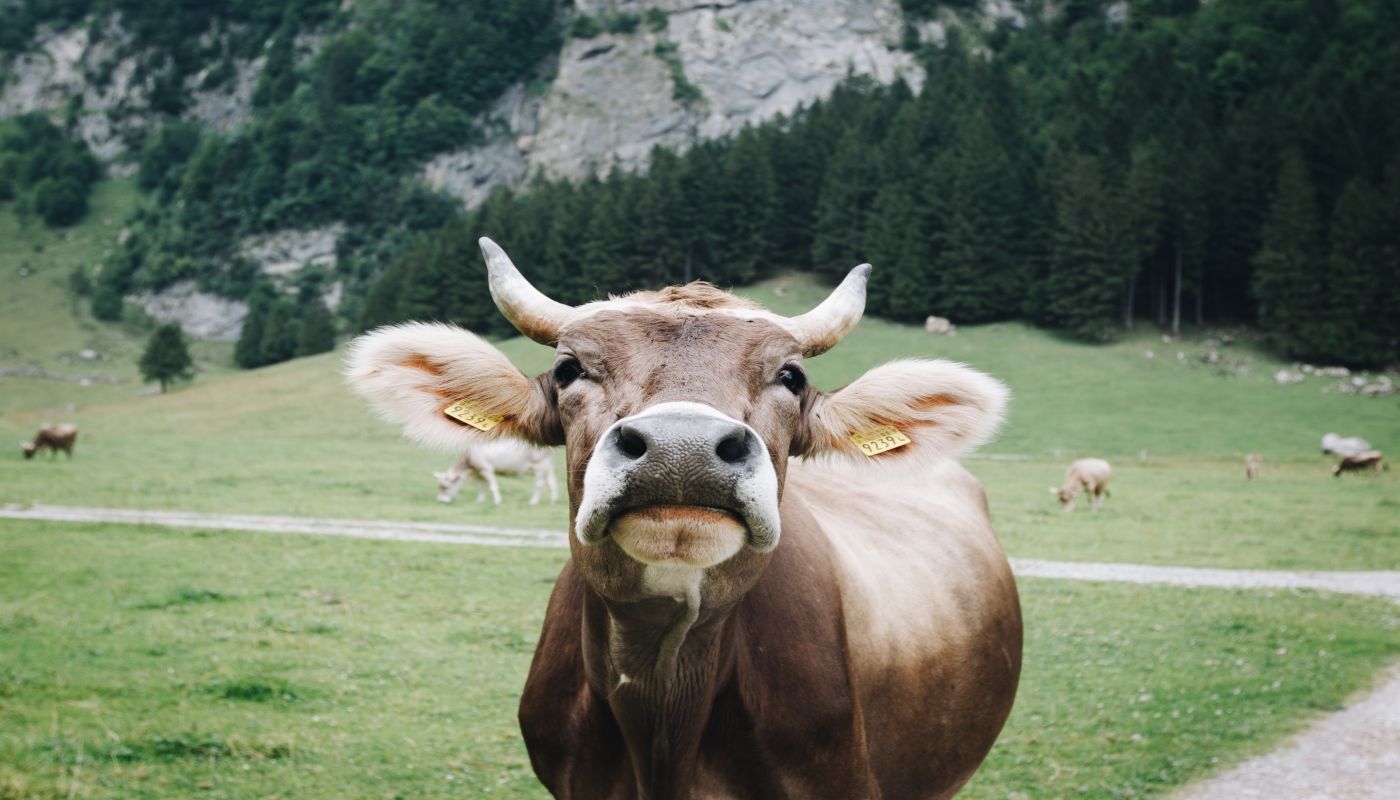
Switzerland boasts a rich tapestry of natural beauty and biodiversity, making it a haven for various animal species. The country's commitment to environmental conservation and animal welfare is evident in its stringent regulations and policies that protect wildlife habitats and ensure the ethical treatment of animals. Animals play a crucial role in Switzerland's ecosystem, contributing to its ecological balance and overall well-being. The Swiss have a deep-rooted respect for wildlife, as demonstrated by their efforts to preserve endangered species and promote sustainable coexistence between humans and animals. However, challenges such as habitat loss, climate change, and illegal wildlife trade threaten the country's fauna. By raising awareness about these issues and supporting conservation initiatives, we can help safeguard Switzerland's precious wildlife for future generations.

Nonprofits Working in Switzerland

Discover organizations making a difference in Switzerland

Make Your Impact Today

Discover causes you care about and support the nonprofits making a difference in communities around the world.

Are you a nonprofit? Join Project World Impact for free

Join Us Free