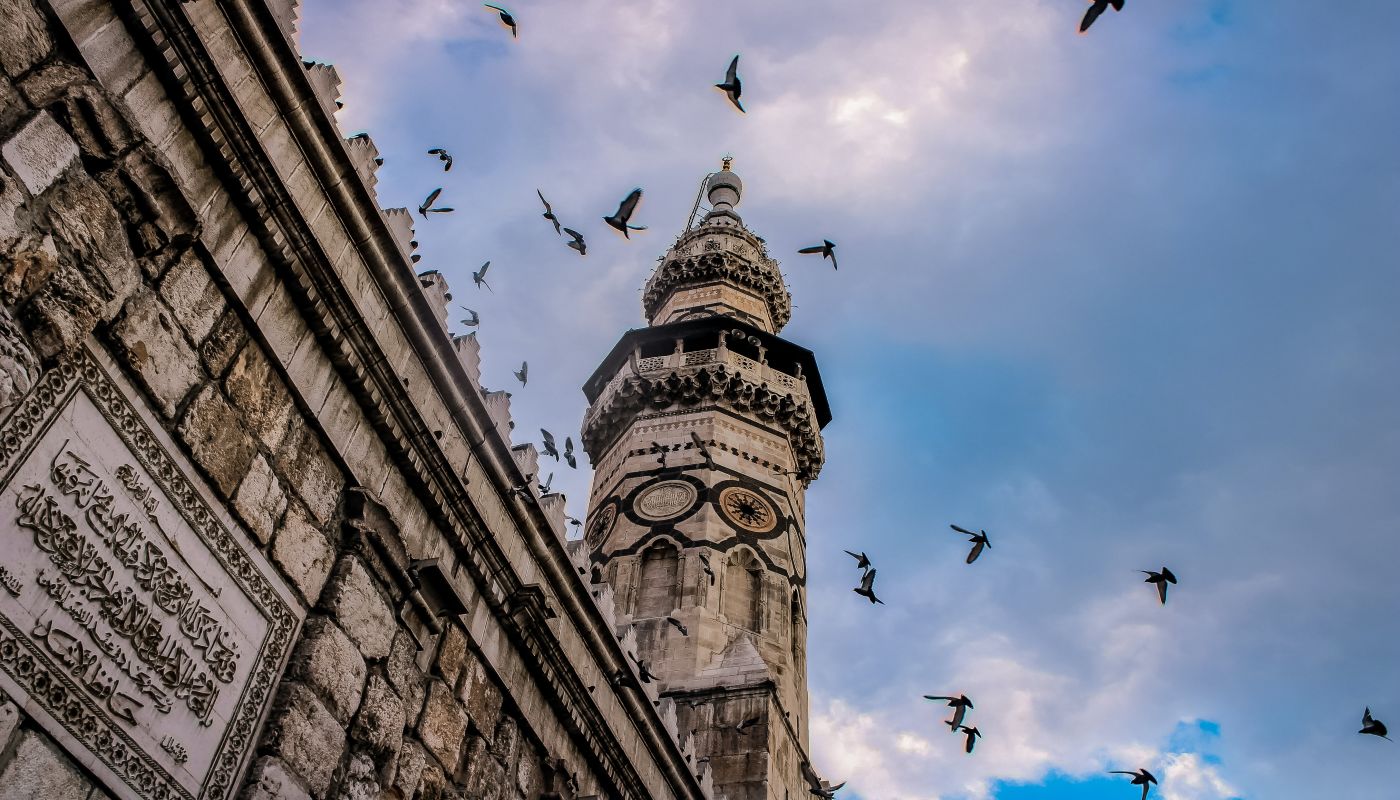
Landscape of Syria
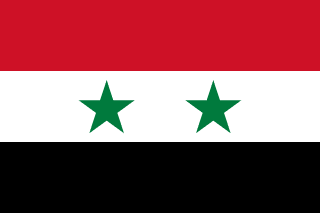
Flag of Syria

Syria

Asia

Syria is a Middle Eastern country known for its rich history, cultural diversity, and ongoing civil war. With a population of over 18 million people, Syria is a developing country that has been ravaged by violence, displacement, and economic collapse in recent years. The country's economy is based on agriculture, oil, and textiles, but it has been severely impacted by the war and international sanctions. Syria faces significant challenges related to humanitarian crises, political instability, and the ongoing conflict, but it remains a resilient and diverse nation that is working towards a peaceful and stable future.

What would you like to learn about in Syria?

Select a section to explore the country where nonprofits are creating positive change.

About Syria

Following World War I, France acquired a mandate over the northern portion of the former Ottoman Empire province of Syria. The French administered the area as Syria until granting it independence in 1946. The new country lacked political stability, however, and experienced a series of military coups during its first decades. Syria united with Egypt in February 1958 to form the United Arab Republic. In September 1961, the two entities separated, and the Syrian Arab Republic was reestablished. In November 1970, Hafiz al-ASAD, a member of the socialist Ba'th Party and the minority Alawi sect, seized power in a bloodless coup and brought political stability to the country. In the 1967 Arab-Israeli War, Syria lost the Golan Heights to Israel. During the 1990s, Syria and Israel held occasional peace talks over its return. Following the death of President al-ASAD, his son, Bashar al-ASAD, was approved as president by popular referendum in July 2000. Syrian troops - stationed in Lebanon since 1976 in an ostensible peacekeeping role - were withdrawn in April 2005. During the July-August 2006 conflict between Israel and Hizballah, Syria placed its military forces on alert but did not intervene directly on behalf of its ally Hizballah. In May 2007 Bashar al-ASAD's second term as president was approved by popular referendum. Influenced by major uprisings that began elsewhere in the region, antigovernment protests broke out in the southern province of Dar'a in March 2011 with protesters calling for the repeal of the restrictive Emergency Law allowing arrests without charge, the legalization of political parties, and the removal of corrupt local officials. Since then demonstrations and unrest have spread to nearly every city in Syria, but the size and intensity of protests have fluctuated over time. The government responded to unrest with a mix of concessions - including the repeal of the Emergency Law and approving new laws permitting new political parties and liberalizing local and national elections - and force. However, the government's response has failed to meet opposition demands for ASAD to step down, and the government's ongoing security operations to quell unrest and widespread armed opposition activity have led to extended violent clashes between government forces and oppositionists. International pressure on the ASAD regime has intensified since late 2011, as the Arab League, EU, Turkey, and the United States have expanded economic sanctions against the regime. Lakhdar BRAHIMI, current Joint Special Representative of the United Nations and the League of Arab States on the Syrian crisis, in October 2012 began meeting with regional heads of state to assist in brokering a cease-fire. In December 2012, the National Coalition of Syrian Revolution and Opposition Forces was recognized by more than 130 countries as the sole legitimate representative of the Syrian people. Unrest persists in 2013, and the death toll among Syrian Government forces, opposition forces, and civilians has topped 100,000.

Quick Facts

Population
22,457,336 (July 2013 est.)
Area
185,180 sq km
ISO Code
SY
Continent
Asia
Government
republic under an authoritarian regime
Active Causes
12
View all countries in Asia

Geography & Environment

Climate

mostly desert; hot, dry, sunny summers (June to August) and mild, rainy winters (December to February) along coast; cold weather with snow or sleet periodically in Damascus

Terrain

primarily semiarid and desert plateau; narrow coastal plain; mountains in west

Natural Resources

petroleum, phosphates, chrome and manganese ores, asphalt, iron ore, rock salt, marble, gypsum, hydropower

Environmental Issues

deforestation; overgrazing; soil erosion; desertification; water pollution from raw sewage and petroleum refining wastes; inadequate potable water

People & Society

75.14 years
Avg. Life Expectancy
84.1%
Literacy Rate
56.1% of total population (2011)
Total Urban Population

Languages

Arabic (official), Kurdish, Armenian, Aramaic, Circassian (widely understood); French, English (somewhat understood)

Religions

Sunni Muslim (Islam - official) 74%, other Muslim (includes Alawite, Druze) 16%, Christian (various denominations) 10%, Jewish (tiny communities in Da...

Health Expenditure

3.4% of GDP (2010) of GDP

Education Expenditure

5.1% of GDP (2009) of GDP

Economy

$5,100
GDP per Capita (PPP)
18%
Unemployment Rate
11.9% (2006 est.)
Below Poverty Line

Economic Overview

Despite modest economic growth and reform prior to the outbreak of unrest, Syria's economy continues to suffer the effects of the ongoing conflict that began in 2011. The economy further contracted in 2012 because of international sanctions and reduced domestic consumption and production, and inflation has risen sharply. The government has struggled to address the effects of economic decline, which include dwindling foreign exchange reserves, rising budget and trade deficits, and the decreasing value of the Syrian pound. Prior to the unrest, Damascus began liberalizing economic policies, inclu...

Causes in Syria

Environment

Syria, a country located in the Middle East, faces significant environmental challenges that have far-reaching impacts on its population and infrastructure. The ongoing conflict in Syria has led to widespread destruction of natural resources, including forests, water sources, and agricultural land. This environmental degradation exacerbates the already dire humanitarian crisis in the country, affecting access to clean water, food security, and public health. Additionally, the conflict has resulted in the displacement of millions of Syrians, putting further strain on the environment as refugee populations compete for limited resources. The environmental degradation in Syria not only poses immediate threats to human well-being but also contributes to long-term challenges such as climate change and desertification. Addressing these environmental issues is crucial for promoting stability, resilience, and sustainable development in Syria.

Family

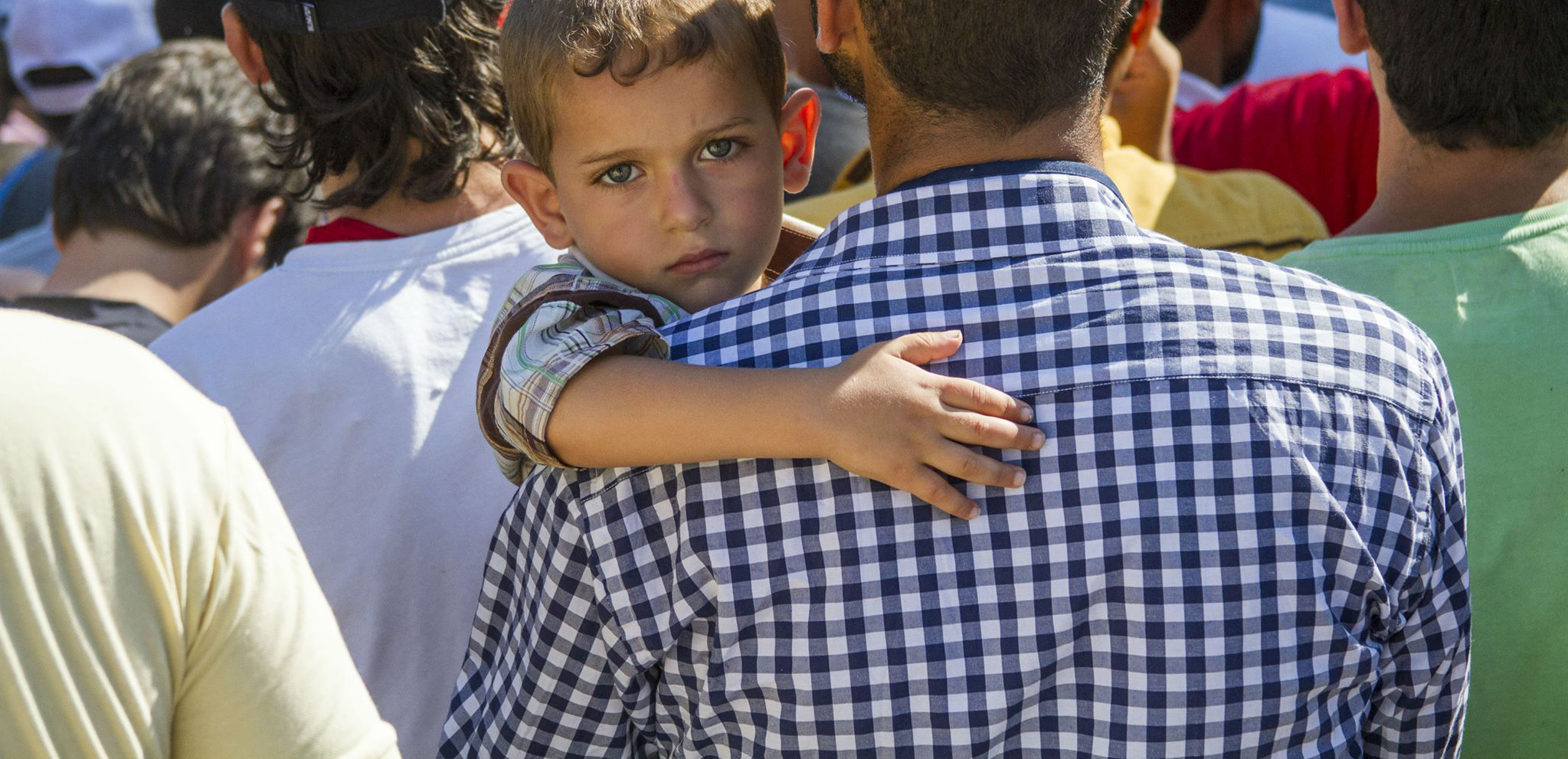
In Syria, family plays a fundamental role in shaping the social fabric and individuals' lives. The Syrian society is deeply rooted in strong family ties, where kinship and familial relationships hold significant importance. Families in Syria are typically large and extended, with several generations living together under one roof. Family members provide emotional support, financial assistance, and a sense of belonging to one another. Moreover, familial bonds serve as a crucial source of stability and resilience in the face of ongoing conflict and crisis in the country. However, the prolonged conflict in Syria has severely disrupted families, leading to displacement, separation, loss of loved ones, and trauma among its people. As a result, many Syrian families are struggling to cope with the challenges of war and displacement, making it imperative to support initiatives that aim to strengthen family units and provide essential services to those affected.

Human Rights

Syria has been embroiled in a complex and devastating civil war since 2011, leading to one of the most severe humanitarian crises of our time. The conflict has had a profound impact on the human rights situation in the country, with widespread reports of violations including arbitrary detention, enforced disappearances, torture, and indiscriminate attacks on civilians. The Syrian government, as well as various armed groups involved in the conflict, have been accused of committing grave human rights abuses. This has led to a staggering number of civilian casualties, displacement, and immense suffering among the Syrian population. The lack of accountability for these violations further exacerbates the situation, perpetuating a cycle of violence and impunity. It is crucial for the international community to continue to monitor and address these human rights violations in Syria, and work towards a sustainable peace that upholds the rights and dignity of all Syrians.

Education

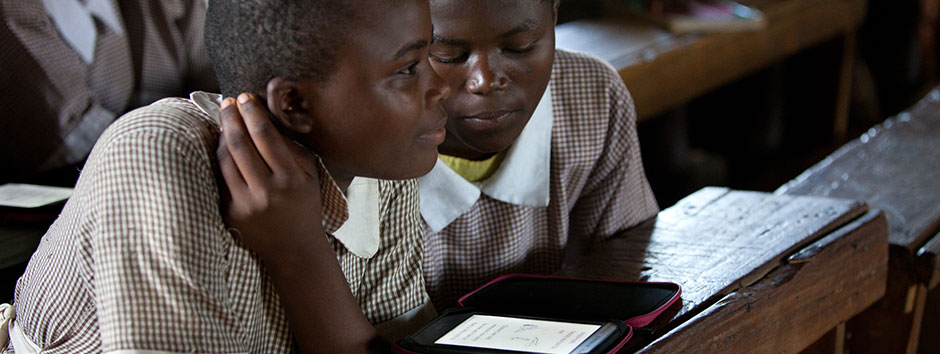
Education in Syria has been severely impacted by the ongoing conflict in the country. Before the conflict, Syria had a relatively high literacy rate and a well-established education system. However, the war has led to the destruction of schools, displacement of teachers and students, and a lack of resources for education. According to UNICEF, over 2 million children are out of school in Syria, and many more are at risk of dropping out due to the conflict. This lack of access to education not only hinders the personal development of these children but also has long-term negative effects on the country's future stability and prosperity. Addressing the education crisis in Syria is crucial for rebuilding the nation and ensuring a better future for its people. Source: UNICEF - https://www.unicef.org/emergencies/syrian-crisis

Poverty

Poverty remains a pervasive issue in Syria, exacerbated by prolonged conflict and political instability. The country's economy has been deeply affected, leading to high unemployment rates and a significant decline in living standards. According to the World Bank, over 80% of Syrians live below the poverty line, struggling to access basic necessities such as food, water, and healthcare. Children are particularly vulnerable, with many forced into child labor or deprived of education opportunities. The impact of poverty in Syria is far-reaching, affecting not only individuals and families but also contributing to social unrest and further perpetuating the cycle of poverty. Addressing the root causes of poverty in Syria is crucial for sustainable development and long-term stability in the region.

Religion

Syria is a country located in the Middle East, with a diverse population consisting of various religious groups, including Muslims (Sunni, Shia, Alawite), Christians (Greek Orthodox, Syriac Orthodox, Catholic), and Druze. Religion plays a significant role in the social and political fabric of Syrian society, influencing cultural practices, political affiliations, and societal norms. The ongoing conflict in Syria has exacerbated tensions between different religious groups, leading to violence and displacement of communities. The government's policies have at times favored certain religious groups over others, further deepening divisions within the country. Religious institutions also wield considerable influence in shaping public opinion and political discourse. Understanding the complex interplay between religion and politics in Syria is crucial for comprehending the root causes of the conflict and working towards a peaceful resolution.

Clean Water

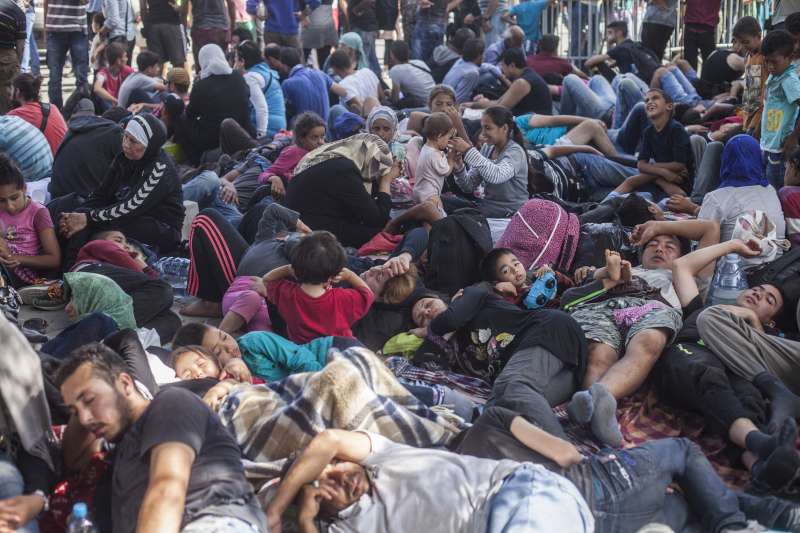
In Syria, the ongoing conflict has severely disrupted access to clean water, posing a grave threat to public health and exacerbating the humanitarian crisis in the region. With infrastructure damaged and water treatment facilities destroyed, many Syrians are forced to rely on contaminated water sources, leading to outbreaks of waterborne diseases such as cholera and typhoid. The lack of clean water not only jeopardizes the physical well-being of the population but also hinders economic development and perpetuates a cycle of poverty and instability. Urgent action is needed to address this critical issue and ensure that all Syrians have access to safe and clean drinking water.

Economy

Syria, a country in the Middle East, has been deeply impacted by its ongoing civil war, which has severely damaged its economy. The conflict has led to widespread destruction of infrastructure, loss of human capital, and displacement of millions of people. As a result, Syria's economy has experienced a significant decline, with high unemployment rates, inflation, and a sharp drop in GDP. The country's once-thriving industries, such as agriculture and manufacturing, have been devastated, further exacerbating the economic crisis. The lack of stability and security has deterred foreign investment and hindered economic growth. The economic hardships facing Syria have had profound consequences on its population, leading to widespread poverty, food insecurity, and limited access to basic services such as healthcare and education. It is crucial for the international community to support efforts to rebuild Syria's economy and provide assistance to those affected by the conflict.

Government

Syria, a nation located in the Middle East, has been embroiled in a devastating civil war since 2011. The government, led by President Bashar al-Assad, plays a central role in perpetuating the conflict through its oppressive tactics and human rights abuses. The Assad regime has been widely criticized for its use of chemical weapons, targeting of civilians, and restrictions on freedom of expression. These actions have led to a humanitarian crisis with millions of Syrians displaced internally or seeking refuge in other countries. The government's impact on Syria has been profound, exacerbating the suffering of its people and hindering efforts to achieve peace and stability in the region.

Health

In Syria, ongoing conflict and humanitarian crises have severely impacted the health of its population. The destruction of infrastructure, limited access to healthcare services, and displacement of millions have contributed to a healthcare system in crisis. The lack of medical supplies, facilities, and healthcare professionals has led to a rise in preventable diseases and a decrease in life expectancy. Additionally, the mental health of Syrians has been greatly affected by the trauma of war, leading to high rates of psychological disorders and post-traumatic stress. The situation is further exacerbated by the COVID-19 pandemic, putting additional strain on an already fragile healthcare system. It is crucial to address these health challenges in Syria to alleviate the suffering of its people and rebuild a sustainable healthcare system for the future.

Children

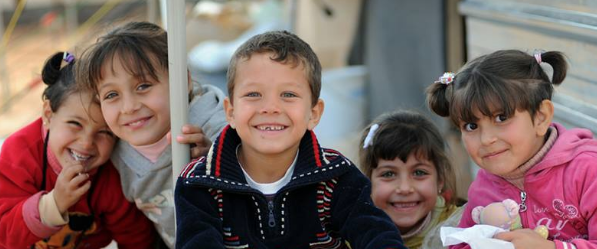
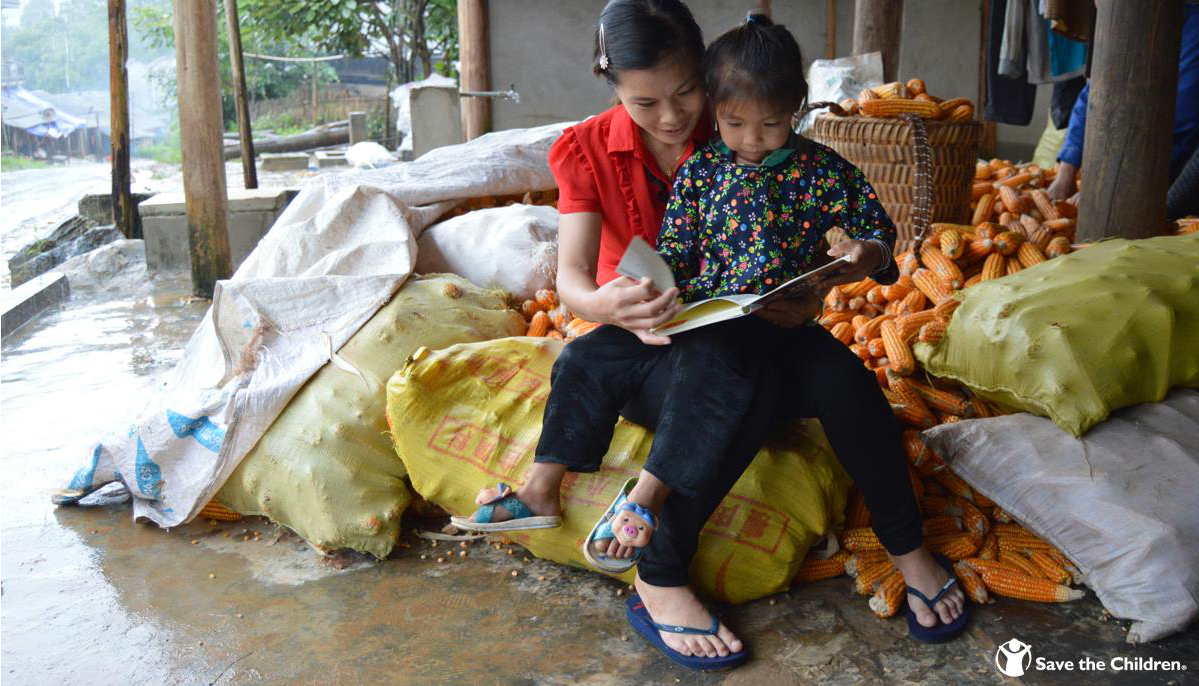
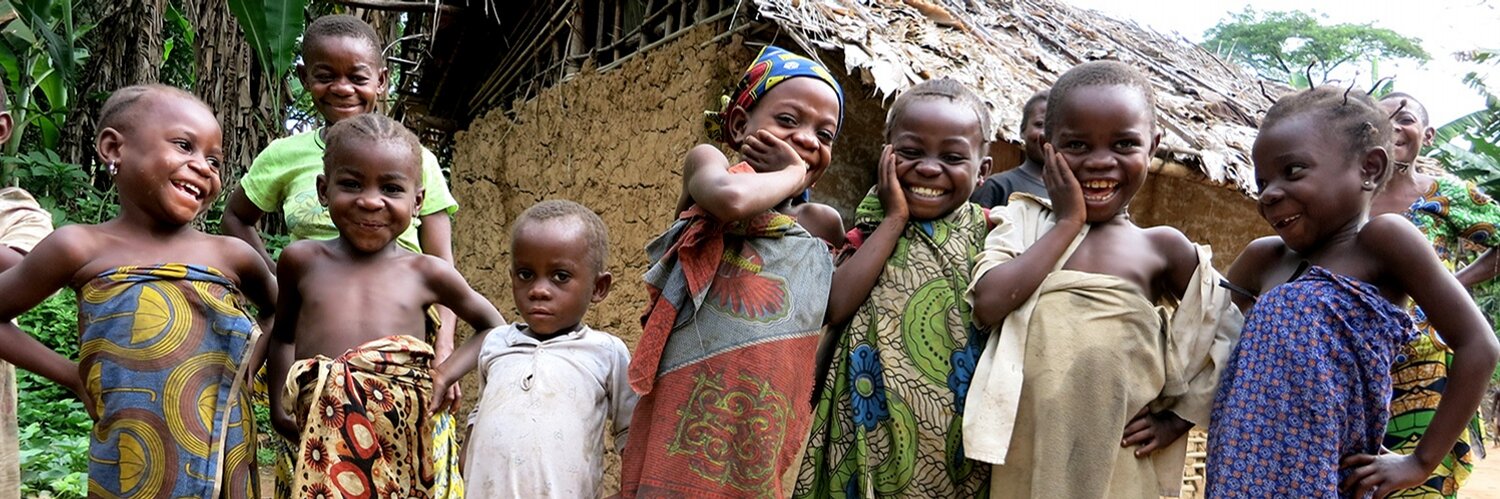
Syria, a country plagued by a prolonged and devastating civil war, has seen its children bear the brunt of the conflict. The ongoing crisis has led to significant challenges for Syrian children, including displacement, lack of access to education, malnutrition, and exposure to violence and trauma. According to UNICEF, nearly 5.6 million Syrian children are in need of humanitarian assistance, with many facing severe protection risks. The impact of the conflict on Syrian children is profound, with long-lasting repercussions on their physical and mental well-being. It is crucial to raise awareness about the plight of Syrian children and advocate for their protection and support in order to secure a better future for the next generation. Source: UNICEF - https://www.unicef.org/emergencies/syrian-crisis

Animals

In Syria, the ongoing conflict and humanitarian crisis have not only taken a toll on its human population but also on its animal inhabitants. Animals in Syria face significant challenges due to the destruction of their habitats, lack of access to food and water, and exposure to violence and danger. Many domestic animals are left behind or abandoned by families fleeing conflict zones, leading to starvation and disease outbreaks among these vulnerable creatures. Furthermore, wildlife populations are decimated as a result of habitat destruction and poaching activities driven by the chaos of war. The impact of the Syrian crisis on animals is often overlooked but is a crucial aspect of the overall devastation faced by the country. Raising awareness about the plight of animals in Syria is essential to ensure their protection and well-being amidst the turmoil.

Nonprofits Working in Syria

Discover organizations making a difference in Syria

Make Your Impact Today

Discover causes you care about and support the nonprofits making a difference in communities around the world.

Are you a nonprofit? Join Project World Impact for free

Join Us Free