Landscape of Taiwan
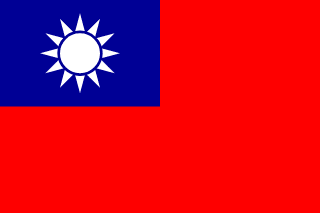
Flag of Taiwan

Taiwan

Asia

Taiwan is a small island country located in East Asia, known for its vibrant culture and high-tech industries. There have also been notable political tensions with China. With a population of just over 23 million people, Taiwan is a highly developed country with a competitive economy based on electronics, manufacturing, and trade. The country also has a democratic government, a strong civil society, and a commitment to human rights and social welfare. Taiwan faces challenges related to its diplomatic isolation, economic inequality, and environmental sustainability, but it remains a dynamic and innovative country.

What would you like to learn about in Taiwan?

Select a section to explore the country where nonprofits are creating positive change.

About Taiwan

In 1895, military defeat forced China's Qing Dynasty to cede Taiwan to Japan. Taiwan came under Chinese Nationalist control after World War II. Following the communist victory on the mainland in 1949, 2 million Nationalists fled to Taiwan and established a government using the 1947 constitution drawn up for all of China. Beginning in the 1950s, the ruling authorities gradually democratized and incorporated the local population within the governing structure. This process expanded rapidly in the 1980s. In 2000, Taiwan underwent its first peaceful transfer of power from the Nationalist to the Democratic Progressive Party. Throughout this period, the island prospered and became one of East Asia's economic "Tigers." The dominant political issues continue to be the relationship between Taiwan and China - specifically the question of Taiwan's eventual status - as well as domestic political and economic reform.

Quick Facts

Population
23,299,716 (July 2013 est.)
Area
35,980 sq km
ISO Code
TW
Continent
Asia
Government
multiparty democracy
Active Causes
12
View all countries in Asia

Geography & Environment

Climate

tropical; marine; rainy season during southwest monsoon (June to August); cloudiness is persistent and extensive all year

Terrain

eastern two-thirds mostly rugged mountains; flat to gently rolling plains in west

Natural Resources

small deposits of coal, natural gas, limestone, marble, and asbestos

Environmental Issues

air pollution; water pollution from industrial emissions, raw sewage; contamination of drinking water supplies; trade in endangered species; low-level radioactive waste disposal

People & Society

79.71 years
Avg. Life Expectancy
96.1%
Literacy Rate

Languages

Mandarin Chinese (official), Taiwanese (Min), Hakka dialects

Religions

mixture of Buddhist and Taoist 93%, Christian 4.5%, other 2.5%

Education Expenditure

NA of GDP

Economy

$39,400
GDP per Capita (PPP)
4.2%
Unemployment Rate
1.5% (2012 est.)
Below Poverty Line

Economic Overview

Taiwan has a dynamic capitalist economy with gradually decreasing government guidance of investment and foreign trade. Exports, led by electronics, machinery, and petrochemicals have provided the primary impetus for economic development. This heavy dependence on exports exposes the economy to fluctuations in world demand. In 2009, Taiwan's GDP contracted 1.8%, due primarily to a 13.1% year-on-year decline in exports. In 2010 GDP grew 10.7%, as exports returned to the level of previous years, and in 2011, grew 4.0%. In 2012, however, growth fell to 1.3%, because of softening global demand. Taiw...

Causes in Taiwan

Environment

Taiwan, an island nation in East Asia, faces various environmental challenges that significantly impact the country and its population. The island's dense population and rapid industrialization have led to issues such as air and water pollution, deforestation, and loss of biodiversity. Taiwan's vulnerability to natural disasters, including typhoons and earthquakes, further exacerbates these environmental concerns. The effects of climate change are also being felt, with rising sea levels threatening coastal areas. Addressing these environmental issues is crucial to safeguarding Taiwan's natural resources, public health, and overall well-being.

Family

In Taiwan, family holds significant cultural and societal importance, shaping individual identities and influencing various aspects of life. The concept of family in Taiwan extends beyond the nuclear family unit to include extended family members, with a strong emphasis on filial piety and respect for elders. Family plays a pivotal role in providing emotional support, financial assistance, and caregiving for the elderly, reflecting the Confucian values deeply rooted in Taiwanese society. Moreover, familial relationships often dictate social interactions and decision-making processes within the community. Understanding the profound influence of family dynamics in Taiwan is crucial for appreciating the country's values, traditions, and social fabric.

Human Rights

Taiwan, officially known as the Republic of China, is a democratic nation in East Asia with a population of approximately 24 million people. The issue of human rights in Taiwan is complex and multifaceted, with various factors influencing its status. Despite significant progress in recent decades, challenges remain in areas such as freedom of speech, labor rights, and treatment of minority groups. The government has made efforts to address these issues through legislative reforms and initiatives to promote equality and social justice. However, concerns persist regarding political censorship, discrimination against indigenous peoples, and limitations on freedom of assembly. It is essential for Taiwan to continue working towards upholding human rights for all its citizens to ensure a fair and just society.

Education

Education plays a crucial role in the development and success of Taiwan as a nation. With a strong emphasis on academic achievement and innovation, Taiwan has consistently ranked among the top performers in global education assessments. The country's education system is known for its rigorous standards, focus on critical thinking skills, and investment in research and development. This commitment to education has propelled Taiwan to become a hub for technology and innovation, driving economic growth and competitiveness on the world stage. Furthermore, education in Taiwan is seen as a key factor in promoting social mobility and reducing inequality within the society.

Poverty

Taiwan, a developed country in East Asia, has made significant strides in economic growth and industrialization. However, poverty remains a pressing issue affecting certain segments of its population. According to the Directorate-General of Budget, Accounting and Statistics in Taiwan, the poverty rate in 2020 was reported at 13.8%, with rural areas and indigenous communities disproportionately affected. Factors contributing to poverty in Taiwan include low wages, unemployment, lack of education, and healthcare disparities. The government has implemented various social welfare programs and initiatives to address these challenges, but more efforts are needed to ensure sustainable solutions and support for those living in poverty in Taiwan.

Religion

Religion plays a significant role in the cultural and social fabric of Taiwan, a country characterized by a rich tapestry of beliefs and practices. Taiwan is known for its religious diversity, with a mix of traditional Chinese religions, Buddhism, Taoism, Christianity, and indigenous spiritual beliefs being practiced by its population. These religions shape various aspects of Taiwanese life, influencing not only personal beliefs and values but also societal norms and traditions. Temples dedicated to different deities dot the landscape, serving as important centers for community gatherings, celebrations, and rituals. Religious festivals and ceremonies are integral to Taiwanese culture, fostering a sense of unity and shared identity among the people. Despite the influence of modernization and globalization, religion continues to hold a prominent place in Taiwanese society, contributing to its unique cultural heritage.

Clean Water

Taiwan, an island nation located in East Asia, faces various challenges related to water resources management. With a population exceeding 23 million people, ensuring clean water supply is crucial for public health and economic development. Taiwan's water sources are vulnerable to pollution from industrial activities, agriculture, and urban runoff, leading to contamination issues that affect water quality. Inadequate wastewater treatment facilities further exacerbate the problem. The impact of contaminated water can result in health issues, environmental degradation, and economic losses. Thus, promoting sustainable water management practices and investing in water infrastructure are essential steps to safeguarding Taiwan's water resources for current and future generations.

Economy

Taiwan, officially known as the Republic of China, is an East Asian country with a population of over 23 million people. Taiwan's economy is considered one of the most developed in Asia, known for its high-tech industries and exports such as electronics, machinery, and petrochemicals. The economy of Taiwan heavily relies on international trade, with China being its largest trading partner. However, Taiwan faces challenges such as aging population, income inequality, and regional competition. The economic growth of Taiwan has a significant impact on its society, influencing factors like employment opportunities, living standards, and social welfare policies.

Government

Taiwan, officially known as the Republic of China, is an island nation located in East Asia. Taiwan has a unique political status due to its complex relationship with China. The government of Taiwan plays a significant role in shaping the country's policies and governance. Taiwan operates as a democratic republic with a multi-party system, where the president serves as the head of state and government. The government in Taiwan influences various aspects of society, including economic development, healthcare, education, and foreign relations. Through its policies and decisions, the government of Taiwan has a direct impact on the lives of its citizens, shaping the country's future trajectory.

Health

Taiwan, officially known as the Republic of China, is an island nation located in East Asia. With a population of over 23 million people, Taiwan faces various health challenges that impact its residents' well-being and quality of life. One significant health concern in Taiwan is air pollution, particularly in its densely populated urban areas. The exposure to high levels of air pollution has been linked to respiratory diseases, cardiovascular problems, and even premature death among the Taiwanese population. Additionally, the prevalence of chronic diseases such as diabetes, hypertension, and cancer poses a significant burden on the country's healthcare system and economy. Addressing these health issues requires a multi-faceted approach involving public health initiatives, environmental regulations, and individual lifestyle choices to improve the overall health outcomes for the people of Taiwan.

Children

Taiwan, an island nation located in East Asia, faces several challenges related to children that impact its society. Child poverty, educational disparities, and issues related to mental health among children are some of the prevalent concerns in Taiwan. The high cost of living and limited social welfare support contribute to child poverty, affecting thousands of children in the country. Educational disparities are evident in the unequal access to quality education, resulting in opportunities being limited for many children. Furthermore, mental health issues among children are on the rise, with factors such as academic pressure and family expectations contributing to this concerning trend. Addressing these issues is crucial for ensuring the well-being and future prospects of children in Taiwan.

Animals

Taiwan, an island nation off the coast of China, boasts a rich cultural heritage and a vibrant economy. However, the country is also home to a variety of animal welfare issues that deeply impact its society. The illegal wildlife trade, particularly for traditional Chinese medicine, poses a significant threat to many species. Moreover, the use of animals in entertainment, such as in circuses and performances, raises concerns about their welfare and treatment. Additionally, stray animal populations remain a pressing issue, leading to overcrowded shelters and potential health risks. Addressing these challenges requires concerted efforts from both the government and civil society to promote responsible pet ownership, enforce animal protection laws, and support conservation initiatives.

Nonprofits Working in Taiwan

Discover organizations making a difference in Taiwan

Make Your Impact Today

Discover causes you care about and support the nonprofits making a difference in communities around the world.

Are you a nonprofit? Join Project World Impact for free

Join Us Free