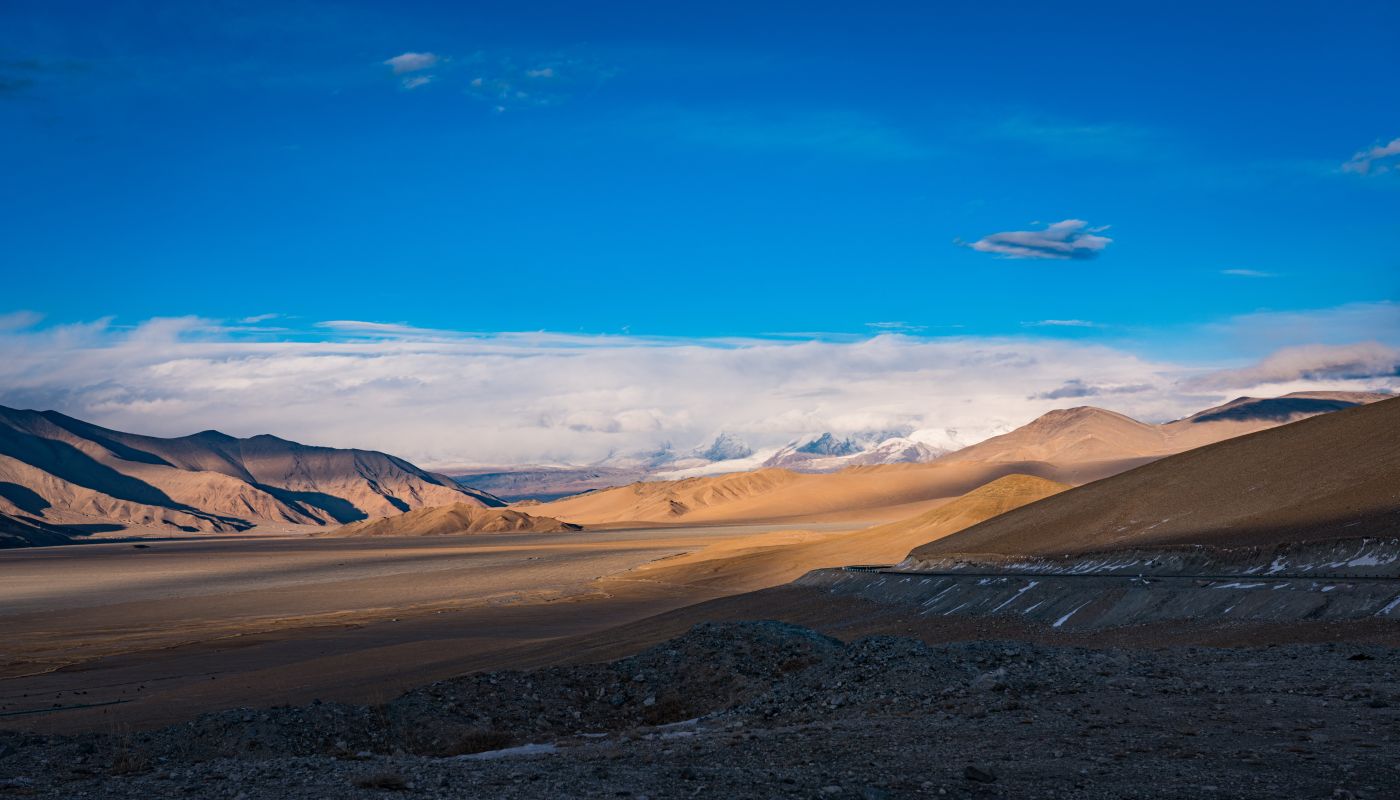
Landscape of Tajikistan
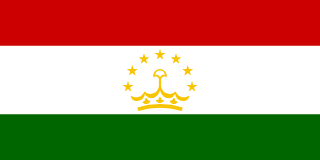
Flag of Tajikistan

Tajikistan

Asia

Tajikistan is a mountainous country located in Central Asia known for its stunning mountain ranges, including the Pamir and Alay Mountains. With a population of over 9.5 million people, Tajikistan is a developing country that has made progress in areas such as healthcare, education, and environmental conservation. The country's economy is based on agriculture and natural resources, but it also faces challenges related to economic diversification and job creation. Tajikistan has a democratic government, but it faces challenges related to political polarization and human rights abuses. Despite its challenges, Tajikistan is a beautiful and resilient nation.

What would you like to learn about in Tajikistan?

Select a section to explore the country where nonprofits are creating positive change.

About Tajikistan

The Tajik people came under Russian rule in the 1860s and 1870s, but Russia's hold on Central Asia weakened following the Revolution of 1917. Bolshevik control of the area was fiercely contested and not fully reestablished until 1925. Much of present-day Sughd province was transferred from the Uzbek SSR to the newly formed Tajik SSR in 1929. Ethnic Uzbeks form a substantial minority in Tajikistan. Tajikistan became independent in 1991 following the breakup of the Soviet Union, and experienced a civil war between regional factions from 1992-97. Tajikistan endured several domestic security incidents in 2010-12, including a mass prison-break from a Dushanbe detention facility, the country's first suicide car bombing in Khujand, and armed conflict between government forces and local strongmen in the Rasht Valley and government forces and criminal groups in Gorno-Badakhshan Autonomous Oblast. The country remains the poorest in the former Soviet sphere. Attention by the international community since the beginning of the NATO intervention in Afghanistan has brought increased economic and security assistance, which could create jobs and strengthen stability in the long term. Tajikistan joined NATO's Partnership for Peace in 2002, and became a member of the World Trade Organization in March 2013.

Quick Facts

Population
7,910,041 (July 2013 est.)
Area
143,100 sq km
ISO Code
TJ
Continent
Asia
Government
republic
Active Causes
12
View all countries in Asia

Geography & Environment

Climate

midlatitude continental, hot summers, mild winters; semiarid to polar in Pamir Mountains

Terrain

Pamir and Alay Mountains dominate landscape; western Fergana Valley in north, Kofarnihon and Vakhsh Valleys in southwest

Natural Resources

hydropower, some petroleum, uranium, mercury, brown coal, lead, zinc, antimony, tungsten, silver, gold

Environmental Issues

inadequate sanitation facilities; increasing levels of soil salinity; industrial pollution; excessive pesticides

People & Society

66.72 years
Avg. Life Expectancy
99.7%
Literacy Rate
26.5% of total population (2011)
Total Urban Population

Languages

Tajik (official), Russian widely used in government and business

Religions

Sunni Muslim 85%, Shia Muslim 5%, other 10% (2003 est.)

Health Expenditure

6% of GDP (2010) of GDP

Education Expenditure

3.9% of GDP (2011) of GDP

Economy

$2,300
GDP per Capita (PPP)
2.5%
Unemployment Rate
39.6% (December 2012 est.)
Below Poverty Line

Economic Overview

Tajikistan has one of the lowest per capita GDPs among the 15 former Soviet republics. Because of a lack of employment opportunities in Tajikistan, more than one million Tajik citizens work abroad, almost all of them in Russia, supporting families in Tajikistan through remittances. Less than 7% of the land area is arable. Cotton is the most important crop, and its production is closely monitored, and in many cases controlled, by the government. In the wake of the National Bank of Tajikistan's admission in December 2007 that it had improperly lent money to investors in the cotton sector, the IM...

Causes in Tajikistan

Environment

Tajikistan, a landlocked country in Central Asia, is significantly impacted by its environment. With over 90% of its terrain covered by mountains, Tajikistan faces environmental challenges such as deforestation, soil erosion, and water scarcity. The melting glaciers in the Pamir Mountains pose a threat to the country's water resources, affecting agriculture and hydroelectric power generation. Additionally, the country is prone to natural disasters such as earthquakes and landslides, further exacerbating environmental issues. Addressing these challenges requires sustainable environmental policies and international cooperation to mitigate the impact on Tajikistan's population and ecosystems.

Family

In Tajikistan, family plays a central role in shaping the social structure and cultural fabric of society. The concept of family extends beyond the nuclear unit to include extended family members, creating a strong sense of community and support. Families in Tajikistan are typically patriarchal, with the eldest male holding significant influence over decision-making and family affairs. Moreover, familial ties are crucial for economic stability and emotional well-being, as families often rely on each other for financial assistance and emotional support. However, traditional gender roles within families can also perpetuate inequality and restrict opportunities for women in education and employment. Understanding the importance of family dynamics in Tajik society is essential for addressing various social issues and promoting gender equality.

Human Rights

Tajikistan, a Central Asian country with a complex history, has faced numerous human rights challenges over the years. Despite constitutional guarantees and ratification of international human rights treaties, the country has struggled to fully uphold these rights in practice. Freedom of expression, assembly, and association are often restricted, with civil society facing significant obstacles. Additionally, issues such as torture, arbitrary detention, and lack of judicial independence remain prevalent. The government's control over media and political opposition further exacerbates the human rights situation in Tajikistan. The impact of these violations is felt by individuals and communities across the country, hindering social progress and development. It is crucial to raise awareness about these ongoing challenges and advocate for meaningful change to ensure the protection of human rights for all Tajik citizens.

Education

Education plays a crucial role in the development of Tajikistan, a country that has faced numerous challenges in its educational system. With a literacy rate of around 99%, education has been a key focus for the government to improve the quality of life for its citizens. However, despite progress, Tajikistan still grapples with issues such as outdated curriculum, lack of resources, and disparities in access to education, particularly in rural areas. The impact of these challenges is profound, affecting not only individual opportunities but also hindering the country's overall socio-economic development. By addressing these issues and investing in education, Tajikistan can unlock its full potential and pave the way for a brighter future for its people.

Poverty

Tajikistan, a landlocked country in Central Asia, faces significant challenges stemming from high levels of poverty. Approximately one-third of the population lives below the national poverty line, with rural areas particularly affected by economic hardship. Poverty in Tajikistan is exacerbated by factors such as limited access to education, healthcare, and employment opportunities. The country's economy heavily relies on remittances from Tajik migrant workers abroad, leaving it vulnerable to external shocks. The cycle of poverty in Tajikistan is further fueled by issues like food insecurity, inadequate infrastructure, and a lack of social safety nets. Addressing poverty in Tajikistan requires comprehensive strategies that focus on sustainable economic development, social welfare programs, and improving access to basic services for all citizens.

Religion

Religion holds significant influence in Tajikistan, a country located in Central Asia with a predominantly Muslim population. Islam is the dominant religion in Tajikistan, with Sunni Muslims comprising the majority of believers. The practice of Islam plays a crucial role in shaping the cultural and social fabric of Tajik society, influencing various aspects of daily life, including family structures, moral values, and societal norms. Religious observance is deeply ingrained in the lives of Tajik people, with mosques serving as central hubs for community gatherings and religious ceremonies. However, Tajikistan also experiences challenges related to religious freedom, with government restrictions on certain Islamic practices and expressions. This complex interplay between religion and state policies continues to shape the religious landscape in Tajikistan, impacting the lives of its citizens.

Clean Water

Tajikistan, a landlocked country in Central Asia, faces significant challenges in ensuring clean water access for its population. With a rugged terrain and limited infrastructure, many rural communities in Tajikistan lack access to safe drinking water and sanitation facilities. The lack of clean water sources contributes to the spread of waterborne diseases, affecting public health and hindering the country's socio-economic development. Inadequate access to clean water also impacts agricultural productivity, as irrigation systems are often compromised by water contamination issues. Addressing the issue of clean water in Tajikistan is crucial for improving public health outcomes, enhancing food security, and promoting sustainable development in the country.

Economy

Tajikistan, a landlocked country in Central Asia, faces significant economic challenges that have a profound impact on its population. With a predominantly agrarian economy and heavy reliance on remittances from migrant workers, Tajikistan's economy is vulnerable to external shocks and fluctuations in commodity prices. The country also grapples with issues such as widespread poverty, unemployment, and inadequate infrastructure, hindering its economic development and exacerbating social inequalities. Factors such as political instability and limited access to markets further impede Tajikistan's economic growth prospects. The implications of these economic challenges are far-reaching, affecting the well-being and livelihoods of individuals across the country. To address these issues effectively, concerted efforts are needed to promote sustainable economic growth, improve governance, and enhance the business environment in Tajikistan.

Government

Tajikistan, a landlocked country in Central Asia, faces various challenges influenced by its government. The government of Tajikistan plays a significant role in shaping the country's political landscape, economy, and social structure. With a history marked by civil war and instability, the government's policies and decisions have a direct impact on the lives of its citizens. The nation struggles with issues such as poverty, corruption, human rights abuses, and limited access to basic services. The government's authoritarian tendencies have raised concerns among international observers regarding democratic governance and human rights in Tajikistan. It is crucial to understand the complexities of Tajikistan's political system and the impact of its government to address these pressing issues effectively.

Health

In Tajikistan, health plays a crucial role in the overall well-being of its population. The country faces numerous health challenges, including high rates of communicable diseases such as tuberculosis and HIV/AIDS, inadequate access to clean water and sanitation facilities, limited availability of healthcare services in remote areas, and a lack of resources for healthcare infrastructure and personnel. These factors contribute to the country's high maternal and child mortality rates, as well as the burden of non-communicable diseases such as cardiovascular diseases and diabetes. Poor nutrition, limited healthcare education, and economic instability further exacerbate the health issues faced by Tajikistan's population. Addressing these challenges requires a multi-faceted approach that involves improving healthcare infrastructure, increasing access to essential healthcare services, promoting health education and awareness, and addressing social determinants of health.

Children

Tajikistan, a landlocked country in Central Asia, faces significant challenges in ensuring the well-being of its children. According to UNICEF, Tajikistan has one of the highest rates of child poverty in the region, with nearly half of the population living below the national poverty line. This economic hardship often leads to inadequate access to healthcare, education, and nutrition for many children in Tajikistan. As a result, malnutrition rates among children under five are alarming, with approximately 26% suffering from stunted growth. Limited access to quality education further perpetuates the cycle of poverty, with around 30% of children not completing primary school. Additionally, child labor remains a prevalent issue, with an estimated 13% of children engaged in some form of work to support their families. Addressing these challenges requires coordinated efforts from the government, civil society, and international organizations to ensure that every child in Tajikistan has the opportunity to thrive and reach their full potential.

Animals

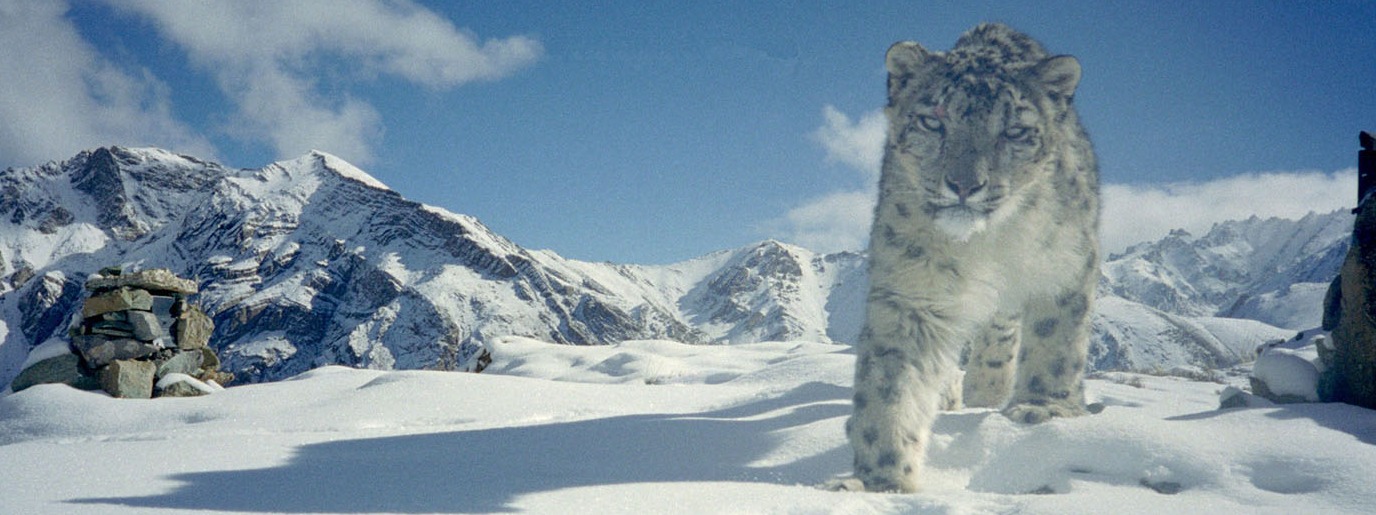
Tajikistan, a landlocked country in Central Asia, boasts a diverse range of fauna, including the rare snow leopard, Marco Polo sheep, and Bukhara deer. The wildlife in Tajikistan faces numerous threats, primarily due to habitat loss, illegal hunting, and climate change. The country's rugged terrain and varied ecosystems provide crucial habitats for many of these species, making conservation efforts essential to protect their populations. Organizations such as the Snow Leopard Trust and the World Wildlife Fund are actively involved in conservation projects in Tajikistan to safeguard its unique wildlife and promote sustainable coexistence between animals and humans.

Nonprofits Working in Tajikistan

Discover organizations making a difference in Tajikistan

Make Your Impact Today

Discover causes you care about and support the nonprofits making a difference in communities around the world.

Are you a nonprofit? Join Project World Impact for free

Join Us Free