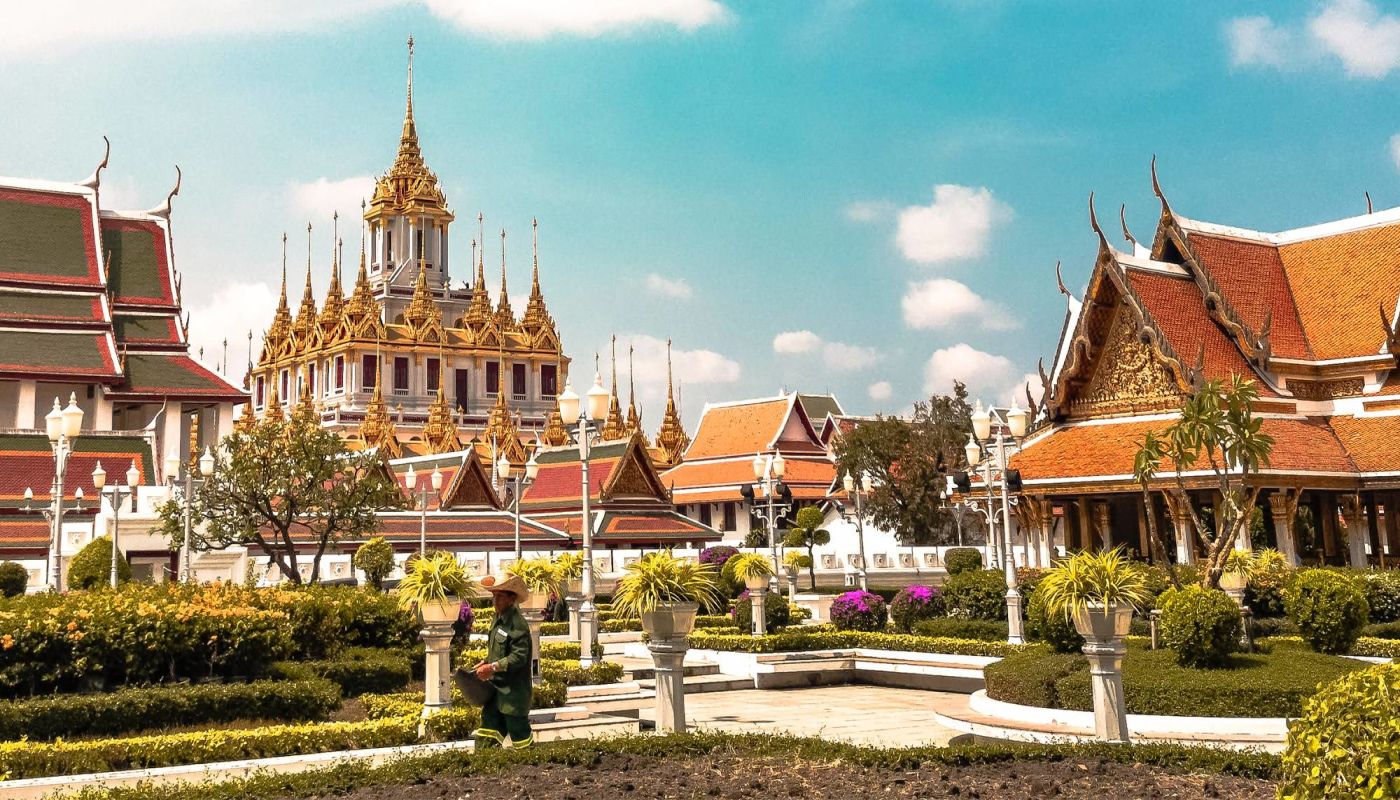
Landscape of Thailand
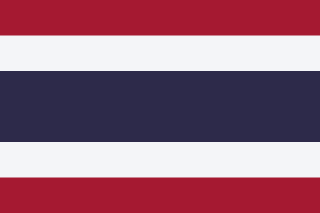
Flag of Thailand

Thailand

Asia

With a population of over 69 million people, Thailand is a highly developed country that has made progress in areas such as healthcare, education, and environmental conservation. The country's economy is based on manufacturing, tourism, and agriculture, and it has been working to attract more foreign investment and develop its infrastructure. Thailand faces challenges related to economic inequality, political polarization, and environmental sustainability, but it remains a beautiful and dynamic country.

What would you like to learn about in Thailand?

Select a section to explore the country where nonprofits are creating positive change.

About Thailand

A unified Thai kingdom was established in the mid-14th century. Known as Siam until 1939, Thailand is the only Southeast Asian country never to have been taken over by a European power. A bloodless revolution in 1932 led to a constitutional monarchy. In alliance with Japan during World War II, Thailand became a US treaty ally in 1954 after sending troops to Korea and later fighting alongside the United States in Vietnam. Thailand since 2005 has experienced several rounds of political turmoil including a military coup in 2006 that ousted then Prime Minister THAKSIN Chinnawat, followed by large-scale street protests by competing political factions in 2008, 2009, and 2010. Demonstrations in 2010 culminated with clashes between security forces and pro-THAKSIN protesters, elements of which were armed, and resulted in at least 92 deaths and an estimated $1.5 billion in arson-related property losses. THAKSIN's youngest sister, YINGLAK Chinnawat, in 2011 led the Puea Thai Party to an electoral win and assumed control of the government. YINGLAK's leadership was almost immediately challenged by historic flooding in late 2011 that had large swathes of the country underwater and threatened to inundate Bangkok itself. Throughout 2012 the Puea Thai-led government struggled with the opposition Democrat Party to fulfill some of its main election promises, including constitutional reform and political reconciliation. Since January 2004, thousands have been killed and wounded in violence associated with the ethno-nationalist insurgency in Thailand's southern Malay-Muslim majority provinces.

Quick Facts

Population
67,448,120 (July 2013 est.)
Area
513,120 sq km
ISO Code
TH
Continent
Asia
Government
constitutional monarchy
Active Causes
12
View all countries in Asia

Geography & Environment

Climate

tropical; rainy, warm, cloudy southwest monsoon (mid-May to September); dry, cool northeast monsoon (November to mid-March); southern isthmus always hot and humid

Terrain

central plain; Khorat Plateau in the east; mountains elsewhere

Natural Resources

tin, rubber, natural gas, tungsten, tantalum, timber, lead, fish, gypsum, lignite, fluorite, arable land

Environmental Issues

air pollution from vehicle emissions; water pollution from organic and factory wastes; deforestation; soil erosion; wildlife populations threatened by illegal hunting

People & Society

74.05 years
Avg. Life Expectancy
93.5%
Literacy Rate
34.1% of total population (2011)
Total Urban Population

Languages

Thai, English (secondary language of the elite), ethnic and regional dialects

Religions

Buddhist (official) 94.6%, Muslim 4.6%, Christian 0.7%, other 0.1% (2000 census)

Health Expenditure

3.9% of GDP (2010) of GDP

Education Expenditure

3.8% of GDP (2010) of GDP

Economy

$10,300
GDP per Capita (PPP)
0.7%
Unemployment Rate
7.8% (2010 est.)
Below Poverty Line

Economic Overview

With a well-developed infrastructure, a free-enterprise economy, generally pro-investment policies, and strong export industries, Thailand achieved steady growth due largely to industrial and agriculture exports - mostly electronics, agricultural commodities, automobiles and parts, and processed foods. Thailand is trying to maintain growth by encouraging domestic consumption and public investment to offset weak exports in 2012. Unemployment, at less than 1% of the labor force, stands as one of the lowest levels in the world, which puts upward pressure on wages in some industries. Thailand also...

Causes in Thailand

Environment

Thailand, a country known for its rich biodiversity and stunning landscapes, is facing significant environmental challenges that are impacting both its people and natural resources. The rapid industrialization and urbanization in Thailand have led to air and water pollution, deforestation, loss of biodiversity, and climate change effects such as rising sea levels. These environmental issues not only threaten the health and well-being of the population but also endanger the country's economy, which heavily relies on agriculture and tourism. Additionally, improper waste management practices contribute to the pollution of rivers and oceans, harming marine life and ecosystems. Efforts to address these challenges through sustainable development practices and conservation initiatives are crucial to preserving Thailand's environment for future generations.

Family

In Thailand, family holds a significant and revered position within society, profoundly shaping the lives of individuals. The concept of family extends beyond the nuclear unit to include extended relatives, playing a crucial role in providing emotional support, financial security, and social cohesion. Families in Thailand typically prioritize collective well-being over individual interests, fostering strong bonds and interdependence among members. The influence of family is particularly evident in decision-making processes, as respect for elders and consensus-building are valued traditions. Moreover, familial ties often dictate social etiquette and behavior, reinforcing a sense of belonging and responsibility within the community. Understanding the intricate dynamics of family in Thailand is essential for appreciating the cultural values and societal norms that underpin everyday interactions.

Human Rights

Thailand, a Southeast Asian country known for its rich culture and stunning landscapes, has faced significant human rights challenges over the years. The impact of human rights violations in Thailand is profound, affecting various aspects of society such as freedom of expression, political freedoms, and labor rights. Issues such as censorship, restrictions on peaceful assembly, and discrimination against marginalized communities have been prevalent in the country. The lack of accountability and transparency in addressing these violations further exacerbates the situation, leading to continued human rights abuses. It is crucial to raise awareness about these issues to promote a more just and equitable society in Thailand.

Education

Thailand, a country located in Southeast Asia, is known for its rich culture and history. Education plays a crucial role in shaping the lives of the people of Thailand, as it is seen as a means to break the cycle of poverty and achieve social mobility. Despite significant improvements in educational access and quality over the years, there are still challenges that hinder progress. Issues such as disparities in educational opportunities between urban and rural areas, limited resources in schools, and a lack of trained teachers remain prevalent. Access to quality education is not equitable for all children in Thailand, particularly those from marginalized communities. Addressing these challenges is essential to ensure that every individual in Thailand has the opportunity to receive a quality education and realize their full potential.

Poverty

Thailand, a country in Southeast Asia, faces significant challenges related to poverty. Despite being one of the region's fastest-growing economies, a large portion of its population still lives in poverty. According to the World Bank, about 9.8% of Thailand's population lived below the national poverty line in 2018. Poverty in Thailand is often concentrated in rural areas, where access to basic services such as healthcare and education is limited. This lack of access perpetuates a cycle of poverty that is difficult to break. The impact of poverty in Thailand can be seen in various social issues such as malnutrition, inadequate housing, and limited opportunities for economic advancement. Addressing poverty in Thailand requires a comprehensive approach that includes improving access to education, healthcare, and creating sustainable livelihood opportunities for its citizens.

Religion

Religion holds a significant influence in Thailand, shaping various aspects of its society and culture. The predominant religion in the country is Theravada Buddhism, which plays a central role in the lives of the Thai people. Buddhism not only serves as a spiritual guide but also influences social norms, ethical values, and even political decisions. Temples, or "wats," dot the landscape, serving as centers for worship, education, and community gatherings. The presence of Buddhism is evident in daily life through practices such as almsgiving, meditation, and participation in religious festivals. Despite Buddhism's prominence, Thailand also accommodates religious diversity with significant Muslim, Christian, and Hindu minorities coexisting peacefully. This religious harmony contributes to the country's rich tapestry of beliefs and traditions.

Clean Water

Clean water is a vital resource for the people of Thailand, as access to safe and clean drinking water is crucial for maintaining public health and well-being. In Thailand, water pollution from agricultural runoff, industrial activities, and urban development poses significant challenges to water quality. Contaminated water sources can lead to the spread of waterborne diseases such as cholera and dysentery, impacting the health of communities across the country. Additionally, inadequate access to clean water disproportionately affects marginalized populations, exacerbating existing social inequalities. Addressing water pollution and ensuring access to clean water are essential steps towards improving public health and promoting sustainable development in Thailand.

Economy

Thailand, a country located in Southeast Asia, boasts a diverse economy with various industries contributing to its growth. The economy of Thailand heavily relies on exports, particularly in sectors such as agriculture, manufacturing, and tourism. The country is a major exporter of rice, textiles, electronics, and automobiles. However, the economy of Thailand faces challenges such as income inequality, high levels of household debt, and vulnerability to global economic fluctuations. The impact of the economy on Thailand is significant as it influences employment rates, living standards, and overall economic stability in the region. Understanding the intricate relationship between the economy and societal well-being is crucial in addressing the economic disparities within the country.

Government

Thailand, a Southeast Asian country known for its rich cultural heritage and stunning landscapes, has a government system that significantly influences its citizens and overall development. The Thai government, a constitutional monarchy with a parliamentary system, plays a pivotal role in shaping policies related to healthcare, education, economy, and infrastructure. However, political instability and frequent changes in administration have at times hindered progress and led to societal unrest. The government's response to issues such as corruption, human rights violations, and environmental conservation greatly impacts the well-being of the population and the country's image on the global stage. As Thailand continues to strive for political stability and sustainable growth, it is essential for its government to address these challenges effectively to ensure a prosperous future for its people.

Health

In Thailand, health issues have a significant impact on the population, with several key factors contributing to the country's health challenges. One of the primary concerns is the increasing prevalence of non-communicable diseases such as diabetes, cardiovascular diseases, and cancer, which are major contributors to morbidity and mortality in the country. The rise in these chronic conditions has been linked to lifestyle factors such as unhealthy diet, physical inactivity, and tobacco use. Additionally, Thailand faces challenges in providing universal healthcare coverage, especially for vulnerable populations in rural areas and among marginalized communities. These disparities in access to healthcare services further exacerbate the burden of disease and hinder efforts to improve public health outcomes in the country. Addressing these challenges requires a comprehensive approach that includes promoting healthy lifestyles, strengthening healthcare systems, and addressing social determinants of health to ensure equitable access to quality healthcare services for all Thai citizens.

Children

Thailand, a country in Southeast Asia, faces various challenges that impact its children. One significant issue is child labor, with approximately 1.7 million children engaged in work, often in hazardous conditions. Poverty is a key driver of this phenomenon, forcing children to forgo education and instead contribute to their family's income. Moreover, inadequate access to quality education and healthcare further hinders the well-being and development of Thai children. Despite efforts by the government and NGOs to address these issues, more needs to be done to ensure the protection and welfare of Thailand's most vulnerable population - its children.

Animals

Thailand, a country known for its rich biodiversity, is home to a wide variety of animal species. Animals play a crucial role in the ecosystem of Thailand, contributing to the overall balance of the environment. However, factors such as habitat destruction, poaching, and illegal wildlife trade pose significant threats to the country's wildlife population. The loss of natural habitats due to deforestation and urbanization has resulted in the decline of many animal species, pushing some to the brink of extinction. Additionally, the demand for exotic pets and animal products has fueled the illegal wildlife trade, further endangering Thailand's wildlife. Conservation efforts are underway in Thailand to protect endangered species and preserve their habitats, but more awareness and action are needed to address these pressing issues and ensure the survival of the country's diverse wildlife.

Nonprofits Working in Thailand

Discover organizations making a difference in Thailand

Rising International

Rising International

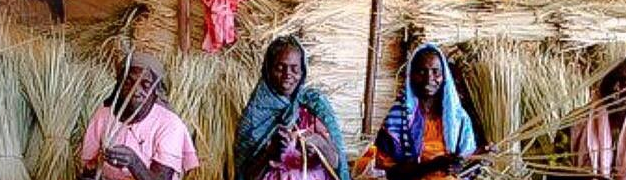
Our Unique Local-Global Solution Rising International is a nonprofit organization that has revolutionized the home party business model to alleviate poverty locally and globally. Think Avon or Tupperware for a social cause. We find the world’s most forgotten women (like Fatima) and enable them to change their destinies by selling their handmade crafts at Rising Home and Corporate Parties. We train women and teens, many un-employed or under- employed, (like Susana) to run their own Rising Home Party businesses and sell crafts made by their global sisters. We search the U.S. for party hosts (like Nancy) who invite friends to their homes to shop. Our sustainable model empowers both local and global entrepreneurs to rise above their circumstances.

Santa Cruz, California

Make Your Impact Today

Discover causes you care about and support the nonprofits making a difference in communities around the world.

Are you a nonprofit? Join Project World Impact for free

Join Us Free