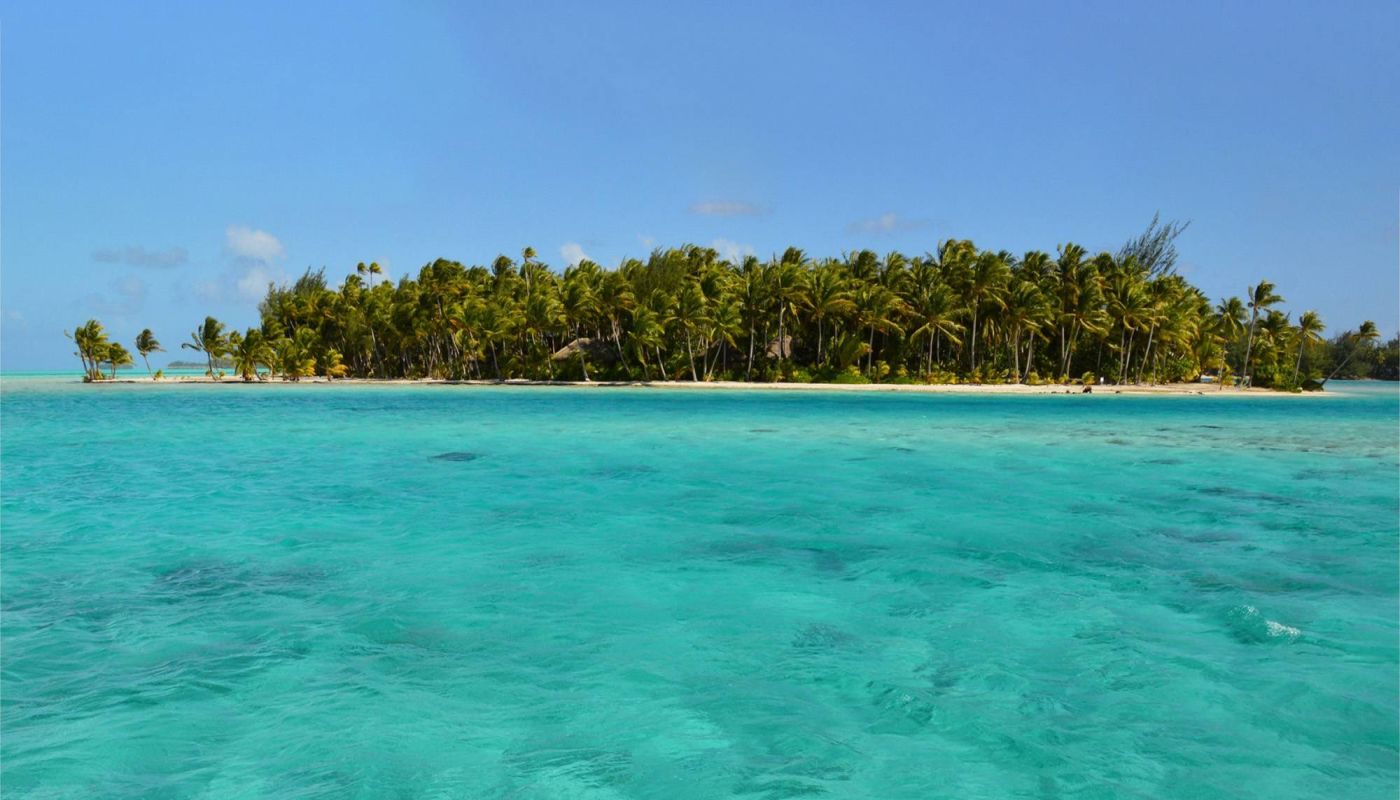

Landscape of Tokelau
Flag of Tokelau

Tokelau

Australia/Oceania

Tokelau is a territory of New Zealand with a population of approximately 1,500 people that is completely solar-powered, making it one of the most sustainable countries in the world. The territory has faced challenges related to its remote location and limited economic opportunities. Efforts are underway to promote sustainable development and economic opportunities on the island.

What would you like to learn about in Tokelau?

Select a section to explore the country where nonprofits are creating positive change.

About Tokelau

Tokelau is a territory of New Zealand with a population of approximately 1,500 people that is completely solar-powered, making it one of the most sustainable countries in the world. The territory has faced challenges related to its remote location and limited economic opportunities. Efforts are underway to promote sustainable development and economic opportunities on the island.

Causes in Tokelau

Environment

Tokelau, a small territory in the South Pacific, consists of three atolls with a vulnerable environment highly susceptible to the impacts of climate change. Rising sea levels, extreme weather events, and ocean acidification are significant threats to Tokelau's existence. The limited land area and freshwater resources make Tokelau particularly susceptible to changes in the environment, risking its infrastructure, food security, and overall well-being of its population. The government of Tokelau has been actively engaging in adaptation measures and advocating for global action to mitigate the effects of climate change. It is imperative for the international community to support and prioritize initiatives that will assist Tokelau in building resilience against environmental challenges and ensure its sustainable development.

Family

In Tokelau, a territory of New Zealand consisting of three tropical coral atolls in the South Pacific Ocean, family plays a central role in shaping the social fabric and cultural practices of the community. The concept of family extends beyond immediate relatives to encompass an extended network of kinship ties, fostering strong bonds and a sense of interconnectedness among individuals. Family structures in Tokelau are characterized by a collective approach to decision-making, where consensus and cooperation are valued over individual autonomy. This emphasis on familial relationships influences various aspects of daily life, from communal activities and resource sharing to the transmission of cultural traditions and values across generations. Ultimately, the tight-knit nature of families in Tokelau contributes to the resilience and cohesion of the society as a whole.

Human Rights

Tokelau, a territory of New Zealand located in the South Pacific, is a small, remote island nation with a population of approximately 1,500 people. Despite its size, Tokelau faces significant challenges in upholding human rights due to its isolation and limited resources. Human rights issues in Tokelau primarily revolve around access to healthcare, education, and clean water. Limited healthcare facilities and personnel pose a barrier to adequate medical care for residents, while access to quality education is hindered by a lack of resources and trained teachers. Furthermore, the availability of clean water remains a concern, affecting the overall well-being of the population. Efforts are being made to address these issues and improve the human rights situation in Tokelau, but more support and resources are needed to ensure the rights and well-being of its inhabitants are protected.

Education

Education plays a pivotal role in the socio-economic development of Tokelau, a territory of New Zealand located in the South Pacific. With a population of around 1,500 people spread across three atolls, access to quality education is crucial for the advancement of the community. The Tokelau Education Department, supported by the New Zealand government, focuses on providing educational opportunities that align with the cultural values and needs of the Tokelauan people. By investing in education, Tokelau aims to empower its citizens with knowledge and skills that will enable them to contribute meaningfully to their society and adapt to the challenges of a rapidly changing world. Through education, Tokelauans are better equipped to preserve their cultural heritage, sustain their environment, and improve their overall well-being.

Poverty

Tokelau, a territory of New Zealand located in the South Pacific, faces significant challenges due to poverty. With a population of around 1,500 people spread across three atolls, limited economic opportunities and resources contribute to high levels of poverty in Tokelau. The lack of infrastructure, including access to clean water, adequate healthcare, and educational facilities, hinders the socio-economic development of the nation. Poverty in Tokelau is also exacerbated by its vulnerability to climate change, with rising sea levels and extreme weather events threatening the livelihoods of its residents, who rely heavily on subsistence agriculture and fishing. Addressing poverty in Tokelau requires sustainable development initiatives that focus on building resilience, improving infrastructure, and enhancing access to education and healthcare services.

Religion

Religion plays a significant role in the small territory of Tokelau, an island nation located in the South Pacific Ocean. The predominant religion in Tokelau is Christianity, with the majority of the population adhering to various Christian denominations, such as Congregationalism and Roman Catholicism. The influence of Christianity in Tokelau is deeply ingrained in the culture and daily lives of its inhabitants, shaping societal norms, values, and practices. Religious ceremonies, church attendance, and spiritual beliefs are integral parts of Tokelauan society, providing a sense of community and moral guidance for its people. Moreover, religion serves as a unifying force among the three atolls that comprise Tokelau, fostering solidarity and cohesion within the nation. Despite modernization and global influences, religion continues to hold a central place in Tokelauan identity and social fabric.

Clean Water

Tokelau, a remote territory of New Zealand, is comprised of three small coral atolls in the South Pacific Ocean. With a population of approximately 1,500 people, Tokelau faces significant challenges in accessing clean water. The limited freshwater sources on the atolls are vulnerable to contamination from saltwater intrusion and pollution, posing serious health risks to the inhabitants. Lack of proper sanitation infrastructure further exacerbates the issue, leading to waterborne diseases and health complications. Clean water scarcity not only affects the health and well-being of the population but also hinders economic development and sustainability efforts in Tokelau. Addressing this pressing issue requires sustainable solutions and investments in water infrastructure to ensure a safe and reliable water supply for all residents.

Economy

Tokelau, a group of three atolls in the South Pacific, faces unique challenges due to its isolated location and small population. With no natural resources or significant industry, Tokelau relies heavily on international aid and remittances from its diaspora to sustain its economy. The lack of infrastructure and limited opportunities for economic development hinder Tokelau's ability to become self-sufficient. As a result, the people of Tokelau face high levels of unemployment and dependence on external assistance for basic necessities. The economy's vulnerability to external factors such as climate change and global economic fluctuations further exacerbates Tokelau's precarious financial situation. Increased awareness and support are crucial to help Tokelau overcome these economic challenges and achieve sustainable growth.

Government

Tokelau, a territory of New Zealand comprising three atolls in the South Pacific Ocean, faces unique challenges influenced by its governmental structure. With a population of approximately 1,500 individuals spread across the atolls, Tokelau relies heavily on its government to provide essential services and infrastructure. The impact of the Government on Tokelau is profound, as it plays a crucial role in managing limited resources, ensuring sustainable development, and addressing issues such as climate change and self-governance. The governance system in Tokelau is based on traditional leadership structures and modern democratic principles, highlighting the delicate balance between preserving cultural heritage and meeting contemporary needs. Despite its small size and remote location, Tokelau's Government wields significant influence over the daily lives and long-term prospects of its people.

Health

Tokelau, a territory of New Zealand located in the South Pacific, faces unique challenges in the realm of health. With a small population of around 1,500 individuals spread across three atolls, access to healthcare services is limited. The main causes of health issues in Tokelau include non-communicable diseases such as diabetes and heart disease, as well as challenges related to mental health and substance abuse. Poor access to clean drinking water and sanitation facilities also contribute to health concerns in the region. The lack of resources and infrastructure hinders efforts to address these pressing health issues effectively. Increased awareness and support for improved healthcare services and public health initiatives are crucial for enhancing the well-being of the Tokelauan population.

Children

Tokelau, a territory of New Zealand located in the South Pacific, faces unique challenges when it comes to child welfare. With a population of just over 1,400 people spread across three atolls, Tokelau's remote location and limited resources present obstacles to providing adequate care for children. The lack of access to healthcare services, educational opportunities, and social support systems can have a significant impact on children's well-being. Limited economic opportunities also contribute to high levels of poverty, which can further exacerbate the challenges faced by families in Tokelau. As a result, children in Tokelau may experience higher rates of malnutrition, limited access to quality education, and inadequate healthcare services. Raising awareness about these issues is crucial to ensuring that steps are taken to improve the lives of children in Tokelau.

Animals

Tokelau, a territory of New Zealand located in the South Pacific, consists of three atolls with a population of around 1,500 people. Animals play a crucial role in the ecosystem and daily life of Tokelauans. The islands are home to various species of birds, marine life, and insects, with many being unique to the region. These animals provide sustenance through hunting and fishing activities, contribute to the biodiversity of the atolls, and play a part in traditional cultural practices. However, Tokelau faces challenges such as invasive species that threaten the native wildlife and habitats, as well as climate change impacts on marine ecosystems. Conservation efforts are essential to protect the animals and their habitats in Tokelau for future generations.

Make Your Impact Today

Discover causes you care about and support the nonprofits making a difference in communities around the world.

Are you a nonprofit? Join Project World Impact for free

Join Us Free