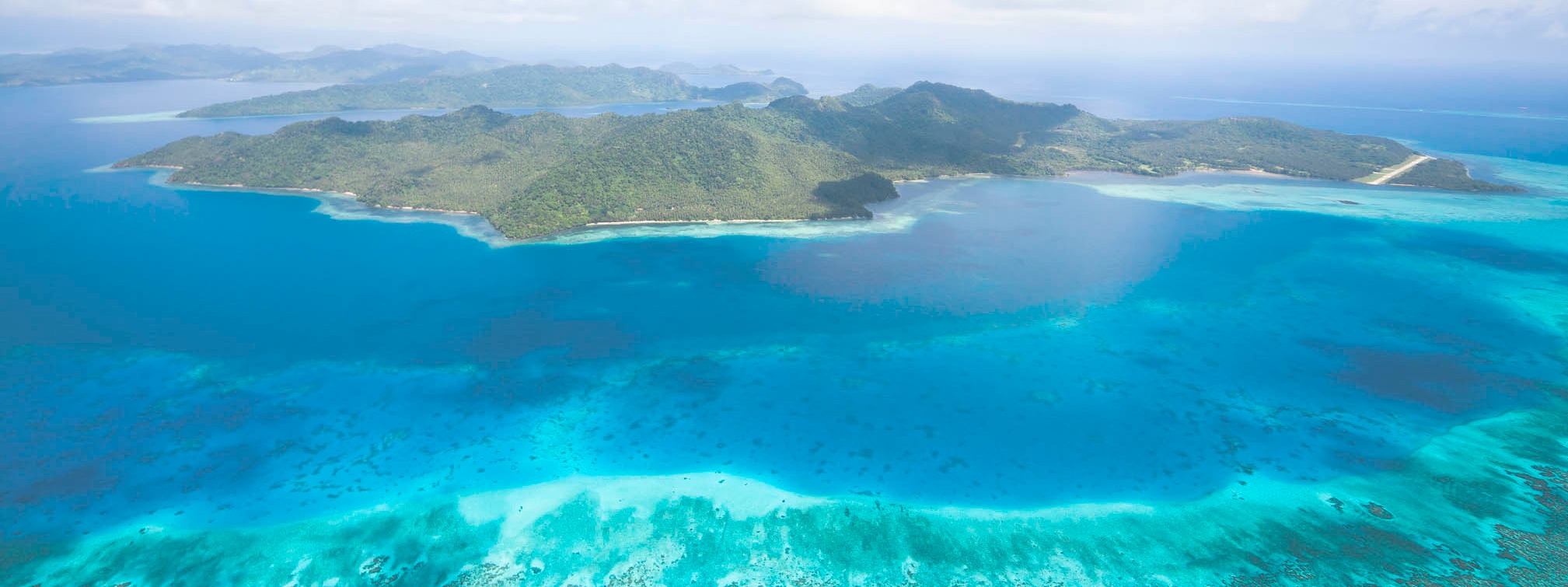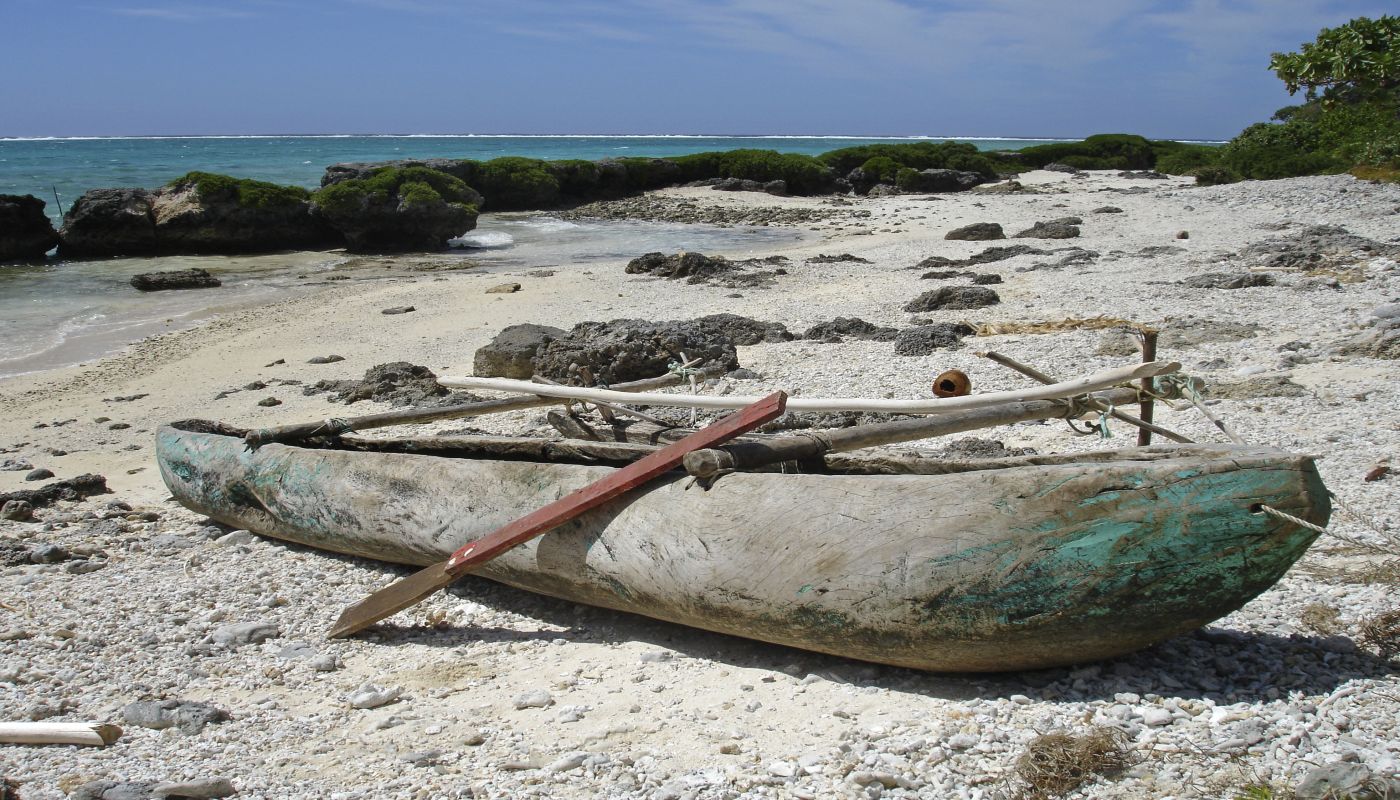

Landscape of Tonga
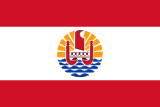
Flag of Tonga

Tonga

Australia/Oceania

Tonga has a population of over 100,000 and has made progress in areas such as healthcare, education, and environmental conservation. The country's economy is based on agriculture and fisheries, but it also faces challenges related to economic diversification and job creation. Tonga is a monarchy with a traditional system of governance, but it also has a democratic parliament and has made efforts to promote human rights and gender equality. The country is working to address the effects of climate change, such as rising sea levels and ocean acidification, through investments in renewable energy and sustainable development.

What would you like to learn about in Tonga?

Select a section to explore the country where nonprofits are creating positive change.

About Tonga

Tonga - unique among Pacific nations - never completely lost its indigenous governance. The archipelagos of "The Friendly Islands" were united into a Polynesian kingdom in 1845. Tonga became a constitutional monarchy in 1875 and a British protectorate in 1900; it withdrew from the protectorate and joined the Commonwealth of Nations in 1970. Tonga remains the only monarchy in the Pacific.

Quick Facts

Population
106,322 (July 2013 est.)
Area
747 sq km
ISO Code
TO
Continent
Australia/Oceania
Government
constitutional monarchy
Active Causes
12
View all countries in Australia/Oceania

Geography & Environment

Climate

tropical; modified by trade winds; warm season (December to May), cool season (May to December)

Terrain

most islands have limestone base formed from uplifted coral formation; others have limestone overlying volcanic base

Natural Resources

fish, fertile soil

Environmental Issues

deforestation results as more and more land is being cleared for agriculture and settlement; some damage to coral reefs from starfish and indiscriminate coral and shell collectors; overhunting threate...

People & Society

75.6 years
Avg. Life Expectancy
99%
Literacy Rate
23% of total population (2010)
Total Urban Population

Languages

Tongan (official), English (official)

Religions

Christian (Free Wesleyan Church claims over 30,000 adherents)

Health Expenditure

5.1% of GDP (2010) of GDP

Education Expenditure

3.9% of GDP (2004) of GDP

Economy

$7,700
GDP per Capita (PPP)
13%
Unemployment Rate
24% (FY03/04)
Below Poverty Line

Economic Overview

Tonga has a small, open, South Pacific island economy. It has a narrow export base in agricultural goods. Squash, vanilla beans, and yams are the main crops. Agricultural exports, including fish, make up two-thirds of total exports. The country must import a high proportion of its food, mainly from New Zealand. The country remains dependent on external aid and remittances from Tongan communities overseas to offset its trade deficit. Tourism is the second-largest source of hard currency earnings following remittances. Tonga had 39,000 visitors in 2006. The government is emphasizing the developm...

Causes in Tonga

Environment

Tonga, a Polynesian kingdom consisting of 169 islands, is particularly vulnerable to the impacts of environmental factors. Rising sea levels, extreme weather events, and ocean acidification are among the pressing environmental issues faced by this nation. The country's low-lying coastal areas are at risk of submersion as sea levels continue to rise due to climate change. Additionally, frequent cyclones and storms threaten the infrastructure and livelihoods of Tonga's inhabitants. With its heavy reliance on fisheries and agriculture, the nation faces challenges such as coral reef degradation and declining fish stocks due to ocean acidification. It is crucial for Tonga to implement sustainable environmental practices and adapt to these changes in order to ensure the well-being of its people and the preservation of its natural resources.

Family

In Tonga, a Polynesian kingdom located in the South Pacific Ocean, family holds significant cultural and social importance. The society is deeply rooted in familial ties, with a strong emphasis on respect for elders and communal living. Families in Tonga are typically large, extended, and interconnected, playing a central role in providing emotional support, financial assistance, and guidance to individuals. The concept of family extends beyond immediate relatives to include distant relatives and even non-blood-related individuals who are considered part of the family unit. This close-knit familial structure fosters a sense of unity, belonging, and shared responsibility among Tongans, influencing various aspects of their daily lives including decision-making, celebrations, and community involvement.

Human Rights

Tonga, a Polynesian kingdom located in the South Pacific, faces various human rights challenges that impact its population. The country has made progress in promoting human rights through various legislative measures and policy initiatives, yet issues such as gender inequality, limited access to healthcare and education, and insufficient protection of LGBTQ+ rights persist. The government of Tonga has taken steps to address these challenges by ratifying key international human rights treaties and implementing programs to improve the overall human rights situation in the country. However, there remains a pressing need for continued efforts to ensure the protection and promotion of human rights for all individuals in Tonga.

Education

Tonga, a small Polynesian kingdom in the South Pacific, faces various challenges in its education sector. The impact of education on Tonga is profound, as it plays a crucial role in shaping the country's development and future prospects. Despite efforts to improve access to education, Tonga still grapples with issues such as limited resources, inadequate infrastructure, and a shortage of qualified teachers. These factors contribute to disparities in educational outcomes, with rural and marginalized communities often facing greater barriers to learning. Furthermore, the impact of natural disasters, such as cyclones and volcanic eruptions, can disrupt schooling and hinder educational progress. Addressing these challenges requires sustained investment in education infrastructure, teacher training, and curriculum development to ensure that all Tongan citizens have access to quality education and opportunities for personal growth.

Poverty

Tonga, a Polynesian kingdom located in the South Pacific, is facing significant challenges due to poverty. The impact of poverty in Tonga is evident across various aspects of society, including limited access to basic necessities such as healthcare, education, and clean water. High levels of poverty contribute to malnutrition, inadequate housing conditions, and limited economic opportunities for the population. Furthermore, poverty exacerbates existing vulnerabilities to natural disasters and climate change, which are increasingly affecting the region. Addressing poverty in Tonga requires comprehensive strategies that focus on improving access to essential services, promoting sustainable economic development, and building resilience to external shocks.

Religion

Religion holds significant influence in the island nation of Tonga, shaping its social fabric and cultural identity. Tonga is predominantly Christian, with Christianity introduced by missionaries in the 19th century. The majority of Tongans are members of the Free Wesleyan Church, followed by Roman Catholics and other Protestant denominations. Religion plays a central role in Tongan society, guiding moral values, family structures, and community relationships. Traditional ceremonies and rituals often intertwine with Christian practices, reflecting a unique blend of indigenous beliefs and Christianity. The influence of religion can be seen in various aspects of Tongan life, from governance to education to everyday customs. Understanding the profound impact of religion on Tonga is essential for appreciating the country's rich heritage and cultural diversity.

Clean Water

Tonga, a Polynesian kingdom comprising 169 islands, faces significant challenges in ensuring clean water access for its population. With a high reliance on rainwater harvesting due to limited freshwater resources, Tonga is particularly vulnerable to climate change impacts such as changing precipitation patterns and extreme weather events. Inadequate sanitation facilities and infrastructure further compound the issue, contributing to waterborne diseases and health risks for its people. The lack of clean water not only threatens public health but also hinders socio-economic development in Tonga. Addressing water quality and accessibility issues is crucial to improving the well-being and livelihoods of Tongans, safeguarding their health, and promoting sustainable development in the country.

Economy

Tonga, a Polynesian kingdom in the South Pacific, faces significant economic challenges that impact its population and development. The country's economy heavily relies on agriculture, fishing, and remittances from Tongans living abroad. However, the susceptibility to natural disasters, such as cyclones and rising sea levels due to climate change, poses a threat to Tonga's economy. These environmental factors can disrupt agricultural production and damage infrastructure, leading to economic setbacks. Additionally, Tonga's limited resources and small market size hinder its economic growth potential. The country faces high unemployment rates and a reliance on external aid to sustain its economy. To address these challenges, Tonga is working towards diversifying its economy by promoting tourism and investing in renewable energy projects. It is crucial for Tonga to continue developing resilience strategies to mitigate the impact of external factors on its economy.

Government

Tonga, a Polynesian kingdom comprised of 169 islands in the South Pacific, faces various challenges that are significantly influenced by its government. The government of Tonga plays a crucial role in shaping the socio-economic landscape of the country, impacting areas such as education, healthcare, infrastructure, and environmental conservation. Limited resources and a small population have posed hurdles for sustainable development efforts in Tonga. The government's policies and decision-making processes directly affect the lives of its citizens, particularly in terms of access to essential services and economic opportunities. By understanding the role of the government in Tonga, stakeholders can work towards fostering positive changes that benefit the nation as a whole.

Health

Health plays a crucial role in Tonga, a small island nation located in the South Pacific Ocean. The health of Tongans is significantly impacted by non-communicable diseases such as diabetes, heart disease, and obesity. These health issues are attributed to factors such as unhealthy diets high in processed foods and sugar, lack of physical activity, and limited access to healthcare services. According to the World Health Organization (WHO), 30% of Tongans have diabetes, one of the highest rates in the world. Additionally, obesity rates in Tonga are among the highest globally, with over 90% of adults considered overweight or obese. Addressing these health challenges requires a multi-faceted approach that includes promoting healthy lifestyles, improving healthcare infrastructure, and increasing access to nutritious foods. By raising awareness about these health issues and implementing targeted interventions, Tonga can work towards improving the well-being of its population.

Children

In Tonga, an island nation located in the South Pacific, children face various challenges that impact their well-being and development. Limited access to quality education, healthcare, and basic services such as clean water and sanitation pose significant obstacles for children in Tonga. Additionally, the prevalence of poverty in certain communities further exacerbates these issues, leading to malnutrition and inadequate living conditions for many children. Furthermore, natural disasters such as cyclones and tsunamis have a devastating impact on the lives of children in Tonga, disrupting their access to education and healthcare services. Addressing these challenges requires concerted efforts from the government, NGOs, and international organizations to ensure that children in Tonga have access to the resources and support they need to thrive.

Animals

Tonga, a Pacific island nation, is home to a diverse range of flora and fauna. The animals in Tonga play a crucial role in maintaining the delicate ecological balance of the region. With unique species such as the humpback whales that migrate to its warm waters annually for breeding, Tonga has become a hotspot for marine biodiversity and ecotourism. However, like many other countries, Tonga faces challenges such as habitat loss, climate change, and illegal wildlife trade that threaten its animal populations. Conservation efforts are underway to protect these precious species and their habitats for future generations to enjoy the rich biodiversity that Tonga has to offer.

Nonprofits Working in Tonga

Discover organizations making a difference in Tonga

Make Your Impact Today

Discover causes you care about and support the nonprofits making a difference in communities around the world.

Are you a nonprofit? Join Project World Impact for free

Join Us Free