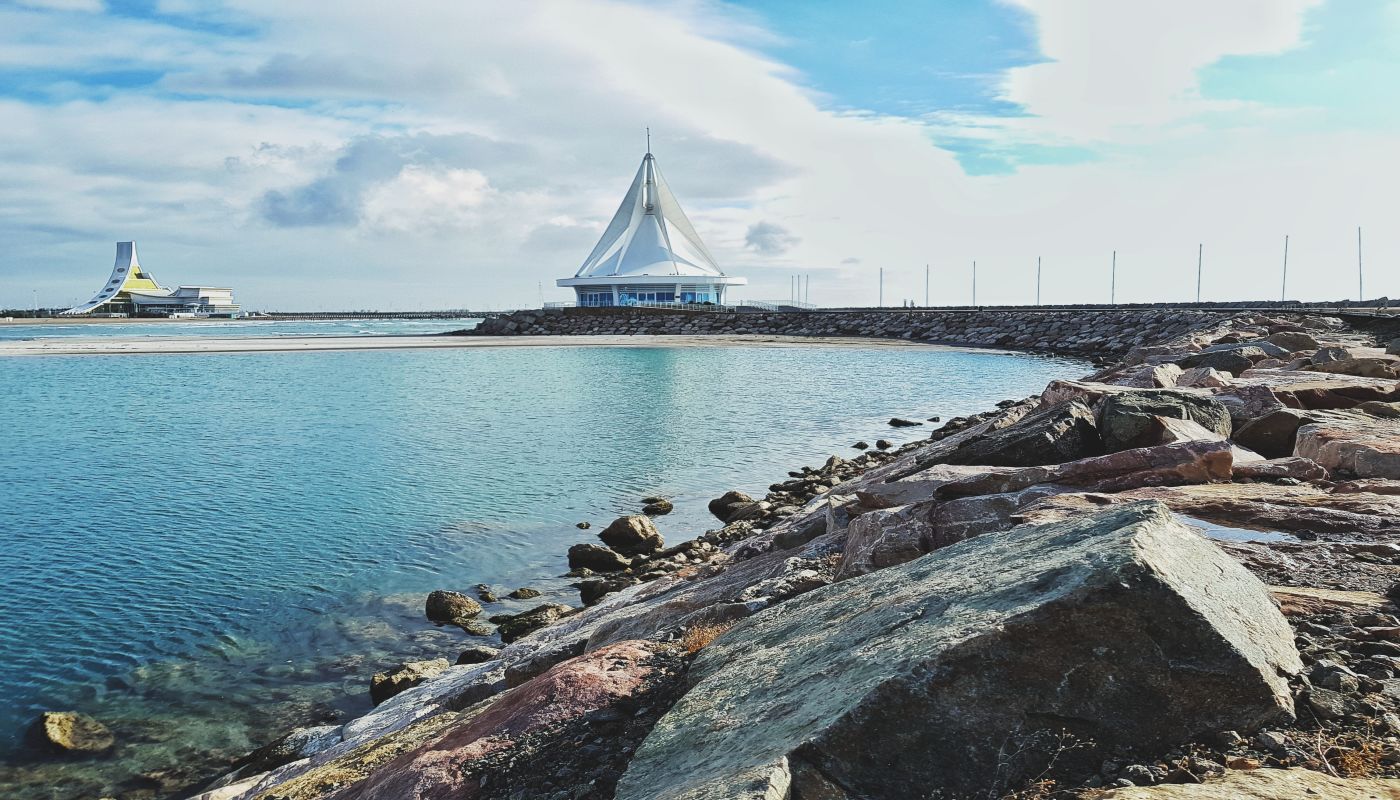
Landscape of Turkmenistan
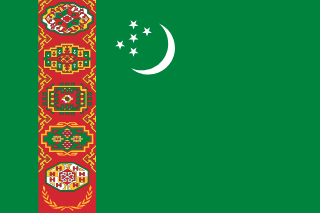
Flag of Turkmenistan

Turkmenistan

Asia

Turkmenistan is a Central Asian country bordered by Kazakhstan, Uzbekistan, Afghanistan, Iran, and the Caspian Sea with a population of around 6 million people, The economy of Turkmenistan is heavily reliant on natural gas exports, with the country holding the fourth-largest natural gas reserves in the world. The country is also working to diversify its economy and promote sustainable development through initiatives such as the construction of wind and solar power plants.

What would you like to learn about in Turkmenistan?

Select a section to explore the country where nonprofits are creating positive change.

About Turkmenistan

Present-day Turkmenistan covers territory that has been at the crossroads of civilizations for centuries. The area was ruled in antiquity by various Persian empires, and was conquered by Alexander the Great, Muslim crusaders, the Mongols, Turkic warriors, and eventually the Russians. In medieval times Merv (today known as Mary) was one of the great cities of the Islamic world and an important stop on the Silk Road. Annexed by Russia in the late 1800s, Turkmenistan later figured prominently in the anti-Bolshevik movement in Central Asia. In 1924, Turkmenistan became a Soviet republic; it achieved independence upon the dissolution of the USSR in 1991. Extensive hydrocarbon/natural gas reserves, which have yet to be fully exploited, have begun to transform the country. Turkmenistan is moving to expand its extraction and delivery projects. The Government of Turkmenistan is actively working to diversify its gas export routes beyond the still important Russian pipeline network. In 2010, new gas export pipelines that carry Turkmen gas to China and to northern Iran began operating, effectively ending the Russian monopoly on Turkmen gas exports. President for Life Saparmurat NYYAZOW died in December 2006, and Turkmenistan held its first multi-candidate presidential election in February 2007. Gurbanguly BERDIMUHAMEDOW, a deputy cabinet chairman under NYYAZOW, emerged as the country's new president; he was chosen as president again in February 2012, in an election that the OSCE said lacked the freedoms necessary to create a competitive environment.

Quick Facts

Population
5,113,040 (July 2013 est.)
Area
488,100 sq km
ISO Code
TM
Continent
Asia
Government
defines itself as a secular democracy and a presidential republic; in actuality displays authoritarian presidential rule, with power concentrated within the presidential administration
Active Causes
12
View all countries in Asia

Geography & Environment

Climate

subtropical desert

Terrain

flat-to-rolling sandy desert with dunes rising to mountains in the south; low mountains along border with Iran; borders Caspian Sea in west

Natural Resources

petroleum, natural gas, sulfur, salt

Environmental Issues

contamination of soil and groundwater with agricultural chemicals, pesticides; salination, water logging of soil due to poor irrigation methods; Caspian Sea pollution; diversion of a large share of th...

People & Society

69.16 years
Avg. Life Expectancy
99.6%
Literacy Rate
48.7% of total population (2011)
Total Urban Population

Languages

Turkmen (official) 72%, Russian 12%, Uzbek 9%, other 7%

Religions

Muslim 89%, Eastern Orthodox 9%, unknown 2%

Health Expenditure

2.5% of GDP (2010) of GDP

Education Expenditure

NA of GDP

Economy

$8,900
GDP per Capita (PPP)
60%
Unemployment Rate
30% (2004 est.)
Below Poverty Line

Economic Overview

Turkmenistan is largely a desert country with intensive agriculture in irrigated oases and sizeable gas and oil resources. The two largest crops are cotton, most of which is produced for export, and wheat, which is domestically consumed. Although agriculture accounts for roughly 8% of GDP, it continues to employ nearly half of the country's workforce. Turkmenistan's authoritarian regime has taken a cautious approach to economic reform, hoping to use gas and cotton export revenues to sustain its inefficient and highly corrupt economy. Privatization goals remain limited. From 1998-2005, Turkmeni...

Causes in Turkmenistan

Environment

Turkmenistan, located in Central Asia, faces significant environmental challenges that impact its population and natural resources. The country's arid climate, coupled with unsustainable agricultural practices and water management, has led to desertification and soil degradation, posing a threat to food security and livelihoods. Moreover, Turkmenistan is heavily reliant on the extraction and export of natural gas, leading to environmental pollution and greenhouse gas emissions. This reliance on fossil fuels contributes to air pollution and climate change, further exacerbating environmental issues within the country. To address these challenges, Turkmenistan must prioritize sustainable agricultural practices, invest in renewable energy sources, and strengthen environmental regulations to protect its ecosystems and mitigate the impacts of climate change.

Family

In Turkmenistan, family plays a central role in shaping individuals' lives and the broader society. The Turkmen people traditionally place high value on family ties, with strong emphasis on respect for elders, loyalty, and mutual support among family members. Family is seen as the core unit of society, providing emotional support, financial security, and a sense of belonging. The extended family network is particularly important in Turkmen culture, with relatives often living in close proximity and actively participating in each other's lives. This close-knit family structure fosters a deep sense of community and interconnectedness within Turkmen society.

Human Rights

Turkmenistan is a country in Central Asia with a population of around 6 million people. The country is known for its rich cultural heritage and vast natural resources, particularly in the energy sector. However, Turkmenistan has been criticized by international human rights organizations for its poor record on human rights. The government of Turkmenistan has been accused of restricting freedom of speech, assembly, and association, as well as suppressing political opposition and independent media. Reports of arbitrary arrests, torture, and forced disappearances have raised serious concerns about the treatment of human rights defenders and political dissidents in the country. The impact of these human rights violations on the people of Turkmenistan is significant, leading to a climate of fear and repression that stifles dissent and undermines democratic principles.

Education

Education in Turkmenistan has a significant impact on the country's development and progress. Despite the government's efforts to improve education access and quality, challenges such as limited resources, outdated curriculum, and lack of teacher training persist. The education system in Turkmenistan follows a centralized model, with a heavy emphasis on traditional subjects like math, science, and language. However, there is a growing awareness of the importance of modernizing the curriculum to meet the demands of the changing global economy. Access to education is also a concern, particularly in rural areas where schools may be scarce or of poor quality. Improving education in Turkmenistan is crucial for the country's future prosperity and competitiveness in the global arena.

Poverty

Turkmenistan, a Central Asian country with vast natural gas reserves, faces significant challenges related to poverty. Despite its resource wealth, poverty remains a pressing issue, particularly in rural areas where access to basic services and employment opportunities are limited. The lack of economic diversification, coupled with a heavy reliance on the energy sector, has left many Turkmen citizens vulnerable to economic shocks and fluctuations in global energy prices. The high rates of poverty contribute to social disparities, including limited access to healthcare, education, and adequate housing. Addressing poverty in Turkmenistan requires a comprehensive approach that focuses on sustainable economic development, social welfare programs, and improving access to quality education and healthcare services for all citizens.

Religion

Turkmenistan, a country in Central Asia, exhibits a complex relationship with religion that significantly influences its societal fabric. The predominant religion in Turkmenistan is Islam, with the majority of the population adhering to Sunni Islam. The government of Turkmenistan tightly controls religious practices, leading to restrictions on religious freedoms and expressions. This control over religion has resulted in limitations on public manifestations of faith, strict regulations on religious organizations, and surveillance of religious activities. Furthermore, there have been reports of harassment and persecution of religious minorities in the country, exacerbating tensions between different religious groups. Understanding the impact of religion on Turkmenistan is crucial to grasping the complexities of its social dynamics and the challenges faced by its diverse population.

Clean Water

Turkmenistan, situated in Central Asia, faces significant challenges regarding clean water access. The country's arid climate and limited water resources exacerbate these issues, affecting both urban and rural populations. Turkmenistan relies heavily on its main water source, the Amu Darya River, for agriculture and domestic water supply. However, pollution from industrial activities and agricultural runoff has led to water contamination, posing serious health risks to the population. In rural areas, access to clean water remains a pressing concern, with many communities lacking basic sanitation facilities. The lack of clean water infrastructure and inadequate water treatment facilities further compound the problem, contributing to waterborne diseases and health issues. Addressing these challenges requires a multi-faceted approach that involves improved infrastructure, sustainable water management practices, and community education on water conservation and hygiene.

Economy

Turkmenistan, a Central Asian country with a population of over 6 million, heavily relies on its economy, which is primarily driven by its vast reserves of natural gas. The economy of Turkmenistan faces challenges due to its heavy dependence on gas exports, leaving it vulnerable to fluctuations in global energy prices. The government's control over the economy and limited diversification efforts have resulted in an economy that lacks resilience and is susceptible to external shocks. This has led to issues such as high unemployment rates, particularly among the youth, and limited opportunities for economic growth outside the energy sector. The impact of these economic challenges can be felt in various aspects of society, including access to education, healthcare, and overall quality of life for Turkmen citizens.

Government

Turkmenistan, a Central Asian country bordered by the Caspian Sea and largely covered by the Karakum Desert, has been under the rule of a single party since gaining independence from the Soviet Union in 1991. The government in Turkmenistan, led by President Gurbanguly Berdimuhamedow, exerts significant control over all aspects of public life, including media, education, and the economy. The lack of political pluralism and restrictions on freedom of speech and assembly have raised concerns among human rights organizations. The government's centralized economic policies heavily rely on the country's vast natural gas reserves, which account for a large portion of its GDP. Despite economic growth, many Turkmen citizens face challenges such as limited access to basic services and lack of political freedoms. International organizations continue to monitor the situation in Turkmenistan to ensure respect for human rights and democratic principles.

Health

Turkmenistan, a Central Asian country with a population of over 6 million, faces various health challenges that significantly impact its people. The nation's healthcare system is hindered by limited access to quality medical services, inadequate infrastructure, and a shortage of healthcare professionals. Non-communicable diseases such as cardiovascular diseases, diabetes, and cancer pose a significant health burden in Turkmenistan. Additionally, preventable diseases like tuberculosis and respiratory infections continue to be prevalent due to poor sanitation and hygiene practices. Maternal and child health also remain areas of concern, with high rates of maternal mortality and malnutrition among children. These health issues are exacerbated by socio-economic factors, including poverty and limited education opportunities. Raising awareness about these health challenges is crucial in order to improve the overall well-being of Turkmenistan's population.

Children

In Turkmenistan, children face various challenges that impact their well-being and development. One significant issue is child labor, with many children engaged in hazardous work that deprives them of their right to education and jeopardizes their health. Additionally, access to quality education remains limited, especially in rural areas, leading to high dropout rates and low literacy levels among children. Furthermore, malnutrition and inadequate healthcare services pose serious threats to the health of children in Turkmenistan. Addressing these issues requires comprehensive efforts from the government, civil society organizations, and international partners to ensure the protection and well-being of all children in the country.

Animals

Animals play a crucial role in the cultural, economic, and environmental landscape of Turkmenistan. The country's vast steppes and deserts are home to a diverse range of wildlife, including the endangered Caspian seal, goitered gazelle, and Asian wild ass. These species are not only integral to the country's biodiversity but also hold significant cultural value for the Turkmen people, who have a long history of coexisting with and revering animals. However, rapid industrialization and habitat destruction pose a significant threat to Turkmenistan's wildlife populations, leading to a decline in their numbers. Conservation efforts are underway, but more awareness and support are needed to protect these animals and preserve Turkmenistan's natural heritage for future generations.

Nonprofits Working in Turkmenistan

Discover organizations making a difference in Turkmenistan

Make Your Impact Today

Discover causes you care about and support the nonprofits making a difference in communities around the world.

Are you a nonprofit? Join Project World Impact for free

Join Us Free