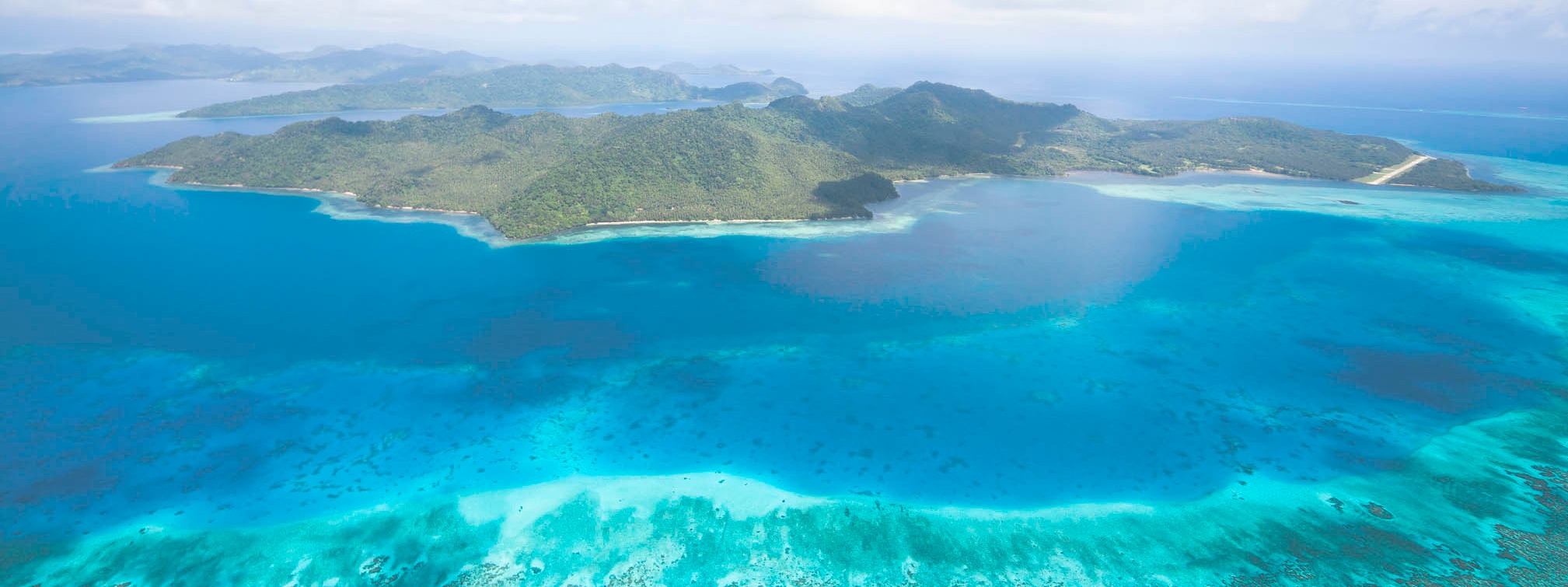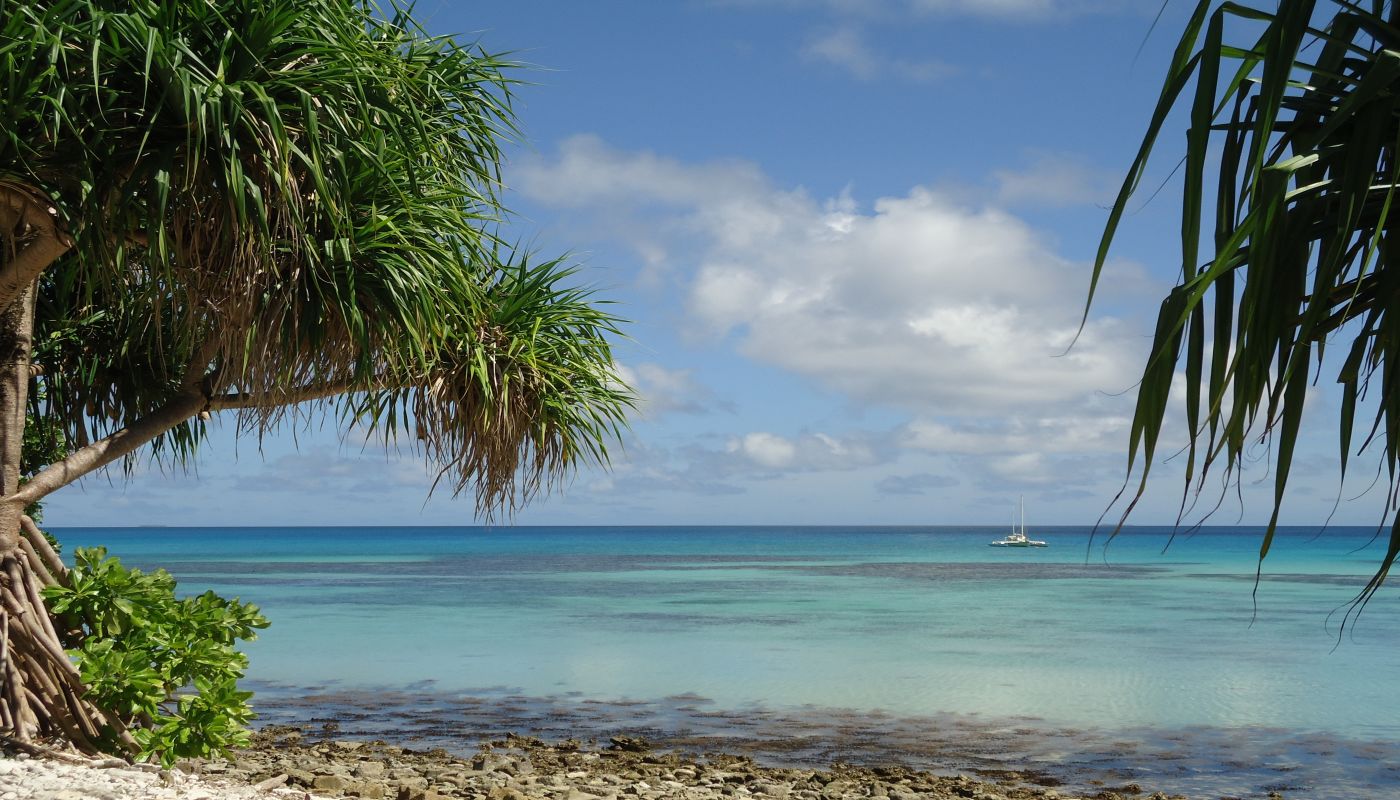
Landscape of Tuvalu
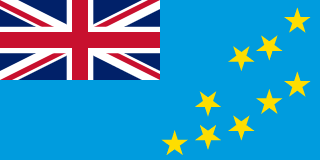
Flag of Tuvalu

Tuvalu

Australia/Oceania

Tuvalu is a small island nation located in the South Pacific, with a population of just over 11,000 people. Tuvalu is one of the smallest countries in the world and is highly vulnerable to the effects of rising sea levels and ocean acidification. The country's economy is based on fishing, tourism, and foreign aid, but it also faces challenges related to economic diversification and job creation. Tuvalu is working to address the effects of climate change through investments in renewable energy and sustainable development, but it remains a beautiful and fragile nation that is working hard to ensure the well-being of its people amidst these challenges.

What would you like to learn about in Tuvalu?

Select a section to explore the country where nonprofits are creating positive change.

About Tuvalu

In 1974, ethnic differences within the British colony of the Gilbert and Ellice Islands caused the Polynesians of the Ellice Islands to vote for separation from the Micronesians of the Gilbert Islands. The following year, the Ellice Islands became the separate British colony of Tuvalu. Independence was granted in 1978. In 2000, Tuvalu negotiated a contract leasing its Internet domain name ".tv" for $50 million in royalties over a 12-year period.

Quick Facts

Population
10,698 (July 2013 est.)
Area
26 sq km
ISO Code
TV
Continent
Australia/Oceania
Government
parliamentary democracy and a Commonwealth realm
Active Causes
12
View all countries in Australia/Oceania

Geography & Environment

Climate

tropical; moderated by easterly trade winds (March to November); westerly gales and heavy rain (November to March)

Terrain

low-lying and narrow coral atolls

Natural Resources

fish

Environmental Issues

since there are no streams or rivers and groundwater is not potable, most water needs must be met by catchment systems with storage facilities (the Japanese Government has built one desalination plant...

People & Society

65.47 years
Avg. Life Expectancy
50% of total population (2010)
Total Urban Population

Languages

Tuvaluan (official), English (official), Samoan, Kiribati (on the island of Nui)

Religions

Protestant 98.4% (Church of Tuvalu (Congregationalist) 97%, Seventh-Day Adventist 1.4%), Baha'i 1%, other 0.6%

Health Expenditure

17.5% of GDP (2010) of GDP

Education Expenditure

NA of GDP

Economy

$3,400
GDP per Capita (PPP)
NA%
Unemployment Rate
NA%
Below Poverty Line

Economic Overview

Tuvalu consists of a densely populated, scattered group of nine coral atolls with poor soil. Only eight of the atolls are inhabited. The country has no known mineral resources and few exports and is almost entirely dependent upon imported food and fuel. Subsistence farming and fishing are the primary economic activities. Fewer than 1,000 tourists, on average, visit Tuvalu annually. Job opportunities are scarce and public sector workers make up most of those employed. About 15% of the adult male population work as seamen on merchant ships abroad, and remittances are a vital source of income con...

Causes in Tuvalu

Environment

Tuvalu, a small island nation in the Pacific Ocean, faces significant environmental challenges due to its low-lying geography. The impact of climate change, particularly rising sea levels and extreme weather events, poses a severe threat to Tuvalu's existence. The country's limited land area and fragile ecosystem make it highly vulnerable to environmental degradation. Coastal erosion, saltwater intrusion into freshwater sources, and the destruction of coral reefs further exacerbate these challenges. These environmental issues not only jeopardize the livelihoods of Tuvalu's residents but also put the country's cultural heritage at risk. Urgent action is needed to address these environmental concerns and support the resilience of Tuvalu's people in the face of climate change.

Education

Situated in the Pacific Ocean, Tuvalu is a small island nation facing significant challenges due to its vulnerability to climate change and rising sea levels. Education plays a crucial role in Tuvalu as it equips its population with the knowledge and skills necessary to adapt to these environmental changes, secure sustainable livelihoods, and foster socio-economic development. However, limited resources, infrastructure, and access to quality education remain prevalent issues hindering the effectiveness of educational initiatives in Tuvalu. The government of Tuvalu, along with international organizations, focuses on improving the education system by enhancing teacher training, developing relevant curriculum, and promoting technical and vocational education to meet the country's unique needs. By addressing these challenges and investing in education, Tuvalu aims to empower its citizens to build a more resilient future in the face of environmental threats.

Poverty

Tuvalu, a small island nation in the Pacific Ocean, faces significant challenges due to poverty. With limited natural resources and a high vulnerability to climate change, the people of Tuvalu struggle to meet their basic needs, such as access to clean water, adequate healthcare, and education. Poverty in Tuvalu is exacerbated by factors like remoteness, limited employment opportunities, and reliance on external aid. The lack of economic diversification and infrastructure development further hinder the country's ability to alleviate poverty and improve the living standards of its population. As a result, many Tuvaluans experience food insecurity, inadequate housing, and limited access to essential services. Addressing poverty in Tuvalu requires sustainable development strategies that prioritize economic empowerment, social welfare programs, and environmental resilience to ensure the well-being of its citizens.

Clean Water

Tuvalu, a small island nation located in the Pacific Ocean, faces significant challenges related to clean water availability. With a limited freshwater supply due to its low-lying geography and susceptibility to saltwater intrusion, Tuvalu's population of approximately 11,000 people often struggles to access safe drinking water. The reliance on rainwater catchment systems as the primary source of freshwater makes the country particularly vulnerable to climate change impacts, such as erratic rainfall patterns and rising sea levels. Inadequate sanitation facilities further exacerbate water contamination issues, leading to health risks for Tuvaluans. Addressing clean water scarcity in Tuvalu is crucial for ensuring the well-being and sustainable development of its population in the face of environmental threats.

Economy

Tuvalu, a small island nation located in the Pacific Ocean, faces significant economic challenges that have a profound impact on its population and environment. The economy of Tuvalu is primarily based on subsistence farming and fishing, with limited natural resources and a small domestic market. The country's remoteness and vulnerability to natural disasters, such as rising sea levels due to climate change, further exacerbate its economic struggles. This has led to issues such as food insecurity, limited access to healthcare and education, and high rates of unemployment. The reliance on foreign aid and remittances from Tuvaluans living abroad also underscores the fragility of the country's economy. With concerted efforts towards sustainable development and climate change adaptation, Tuvalu can work towards building a more resilient economy that benefits its people and preserves its unique environment.

Government

Tuvalu, a small island nation in the Pacific Ocean, faces significant challenges due to its vulnerability to climate change. The government of Tuvalu plays a crucial role in addressing these challenges and mitigating their impact on the country and its people. As one of the most climate-vulnerable countries in the world, Tuvalu is threatened by rising sea levels, more frequent and severe storms, and freshwater scarcity. The government of Tuvalu has been actively involved in international climate negotiations, advocating for stronger action to reduce greenhouse gas emissions and secure funding for adaptation measures. Additionally, the government has implemented local initiatives to enhance resilience, such as coastal protection measures and rainwater harvesting systems. Despite these efforts, Tuvalu remains at risk of losing its land and way of life due to the effects of climate change.

Health

Tuvalu, a small island nation located in the Pacific Ocean, faces significant health challenges that are exacerbated by its remote location, limited resources, and vulnerability to climate change. The health issues in Tuvalu are primarily driven by non-communicable diseases such as diabetes, cardiovascular diseases, and obesity, which are prevalent due to lifestyle factors like poor diet and lack of physical activity. The country also grapples with infectious diseases like dengue fever and tuberculosis, further straining its already fragile healthcare system. Limited access to healthcare facilities and qualified medical professionals pose additional barriers to addressing health concerns effectively in Tuvalu. Climate change-induced factors, such as rising sea levels and natural disasters, further threaten the health and well-being of Tuvalu's population, leading to increased risks of waterborne diseases and mental health issues. It is imperative for international organizations and governments to support Tuvalu in strengthening its healthcare infrastructure and promoting public health initiatives to mitigate the impact of these health challenges on its population.

Children

Tuvalu, a small island nation in the Pacific Ocean, faces numerous challenges concerning its children. The impact of climate change on Tuvalu is particularly severe, with rising sea levels threatening the very existence of this low-lying country. As a result, children in Tuvalu are especially vulnerable to displacement, loss of homes, and disruptions in education and healthcare services. Limited access to clean water and sanitation further exacerbate health risks for children, leading to higher rates of water-borne diseases. Additionally, economic hardships and limited resources contribute to inadequate nutrition and educational opportunities for the youth in Tuvalu. Addressing these issues is crucial to ensuring the well-being and future prospects of children in this vulnerable nation.

Family

Tuvalu, a small island nation in the Pacific Ocean, faces numerous challenges due to its geographical vulnerability to climate change and rising sea levels. In this context, family plays a crucial role in the social fabric of Tuvaluan society, providing emotional support and resilience in the face of environmental threats. Families in Tuvalu often live in close-knit communities, where mutual reliance and cooperation are essential for survival. The impact of climate change on the livelihoods of families in Tuvalu is significant, as they face the loss of homes, land, and access to clean water. This places additional strain on familial relationships and highlights the importance of family unity in times of crisis. By understanding the role of family within Tuvaluan society, it becomes evident that supporting and strengthening family bonds is crucial for building resilience and adaptation to the challenges posed by climate change.

Human Rights

Tuvalu, a small island nation located in the Pacific Ocean, faces unique challenges that are intricately linked to human rights issues. As one of the world's most vulnerable countries to the impacts of climate change, Tuvalu is at risk of losing its land due to rising sea levels, resulting in displacement and potential loss of cultural identity for its inhabitants. This existential threat raises significant concerns about the right to a safe environment and the right to self-determination for the people of Tuvalu. Furthermore, limited access to resources such as clean water and adequate healthcare poses additional obstacles to realizing basic human rights in this nation. The global community must recognize and address these pressing human rights challenges faced by Tuvalu to ensure the protection and well-being of its population for generations to come.

Religion

Religion plays a significant role in the cultural fabric of Tuvalu, a small island nation located in the Pacific Ocean. The majority of Tuvaluans adhere to Christianity, with the Protestant Church of Tuvalu (Ekalesia Kelisiano Tuvalu) being the dominant denomination. Religion in Tuvalu influences various aspects of society, including social norms, values, and community cohesion. Churches serve as not only places of worship but also centers for social gatherings and support networks. The practice of Christianity in Tuvalu is deeply intertwined with traditional beliefs and customs, creating a unique blend of spirituality that shapes the daily lives of its people. As a result, religious teachings often influence decision-making processes within families and communities, impacting issues such as education, healthcare, and governance. Understanding the role of religion in Tuvalu is crucial for appreciating the country's rich cultural heritage and the values that underpin its society.

Animals

Tuvalu, a small island nation in the Pacific Ocean, is facing significant challenges due to the impact of climate change on its ecosystem. Animals in Tuvalu are particularly vulnerable to rising sea levels, changing weather patterns, and habitat loss. The endangered hawksbill turtle, for example, relies on the coral reefs surrounding Tuvalu for nesting and feeding grounds. With coral bleaching and destruction of these reefs due to warming ocean temperatures, the hawksbill turtle population is at risk of decline. Additionally, the coconut crab, a native species crucial to the island's ecosystem, faces threats from habitat destruction and increasing ocean acidity. Protecting these animals and their habitats is essential for the biodiversity and sustainability of Tuvalu's fragile environment.

Nonprofits Working in Tuvalu

Discover organizations making a difference in Tuvalu

Make Your Impact Today

Discover causes you care about and support the nonprofits making a difference in communities around the world.

Are you a nonprofit? Join Project World Impact for free

Join Us Free