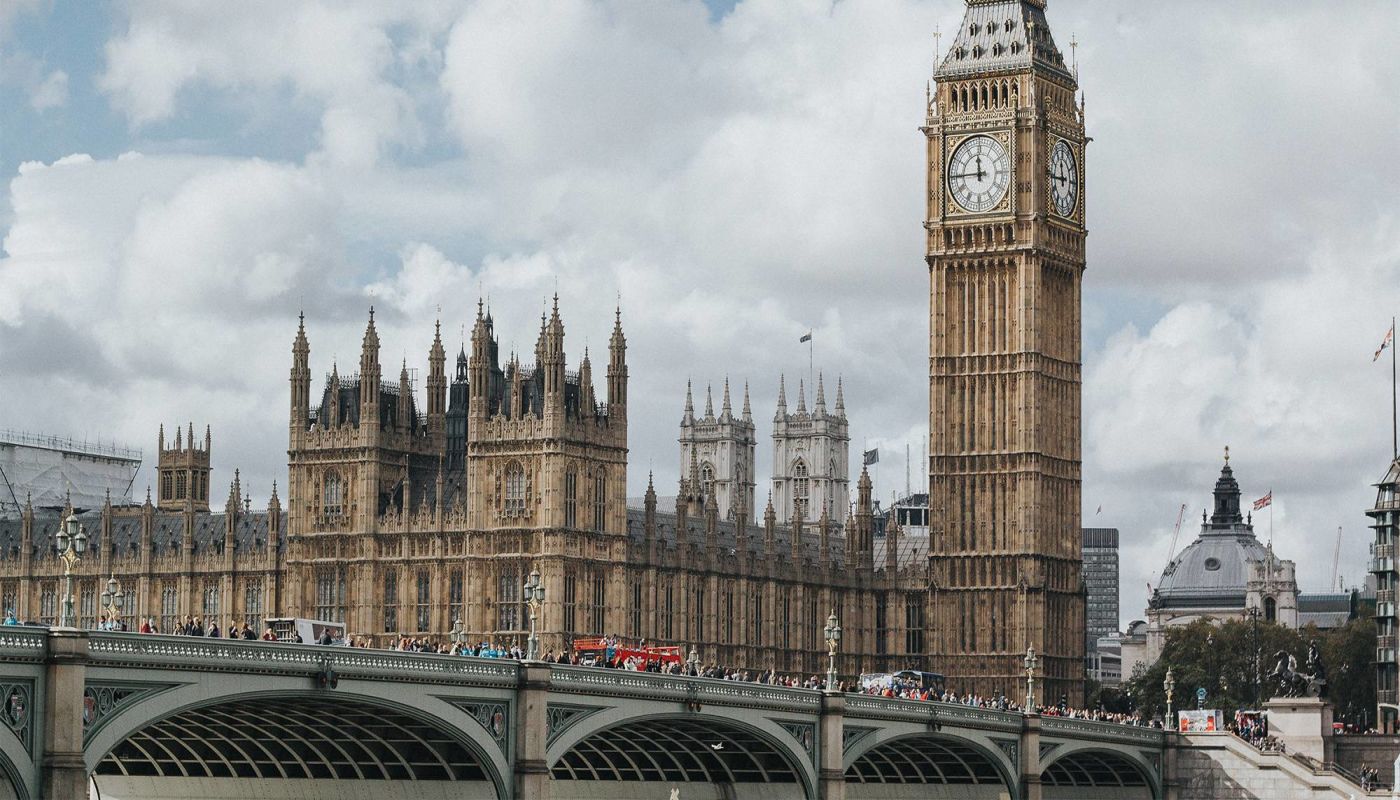

Landscape of United Kingdom
Flag of United Kingdom

United Kingdom

Europe

The United Kingdom is a country located in Western Europe, consisting of four nations: England, Scotland, Wales, and Northern Ireland. The country has a rich history and culture, with contributions to the arts, sciences, and political thought that have had a global impact. The UK is also home to world-renowned institutions of higher education, which attract students from all over the world. The UK remains a country with immense strengths, including a diverse and dynamic economy, a strong healthcare system, and a commitment to human rights and democratic values. The country has also made significant progress in areas such as renewable energy and technological innovation. With its history of resilience and innovation, the UK has the potential to continue to thrive in the future, as it remains home to over 67 million people, making it one of the most populous countries in Europe.

What would you like to learn about in United Kingdom?

Select a section to explore the country where nonprofits are creating positive change.

About United Kingdom

The United Kingdom has historically played a leading role in developing parliamentary democracy and in advancing literature and science. At its zenith in the 19th century, the British Empire stretched over one-fourth of the earth's surface. The first half of the 20th century saw the UK's strength seriously depleted in two world wars and the Irish Republic's withdrawal from the union. The second half witnessed the dismantling of the Empire and the UK rebuilding itself into a modern and prosperous European nation. As one of five permanent members of the UN Security Council and a founding member of NATO and the Commonwealth, the UK pursues a global approach to foreign policy. The UK is also an active member of the EU, although it chose to remain outside the Economic and Monetary Union. The Scottish Parliament, the National Assembly for Wales, and the Northern Ireland Assembly were established in 1999. The latter was suspended until May 2007 due to wrangling over the peace process, but devolution was fully completed in March 2010.

Quick Facts

Population
63,395,574 (July 2013 est.)
Area
243,610 sq km
ISO Code
GB
Continent
Europe
Government
constitutional monarchy and Commonwealth realm
Active Causes
12
View all countries in Europe

Geography & Environment

Climate

temperate; moderated by prevailing southwest winds over the North Atlantic Current; more than one-half of the days are overcast

Terrain

mostly rugged hills and low mountains; level to rolling plains in east and southeast

Natural Resources

coal, petroleum, natural gas, iron ore, lead, zinc, gold, tin, limestone, salt, clay, chalk, gypsum, potash, silica sand, slate, arable land

Environmental Issues

continues to reduce greenhouse gas emissions (has met Kyoto Protocol target of a 12.5% reduction from 1990 levels and intends to meet the legally binding target and move toward a domestic goal of a 20...

People & Society

80.29 years
Avg. Life Expectancy
99%
Literacy Rate
80% of total population (2010)
Total Urban Population

Languages

English

Religions

Christian (Anglican, Roman Catholic, Presbyterian, Methodist) 71.6%, Muslim 2.7%, Hindu 1%, other 1.6%, unspecified or none 23.1% (2001 census)

Health Expenditure

9.6% of GDP (2010) of GDP

Education Expenditure

5.6% of GDP (2009) of GDP

Economy

$37,500
GDP per Capita (PPP)
8%
Unemployment Rate
14% (2006 est.)
Below Poverty Line

Economic Overview

The UK, a leading trading power and financial center, is the second largest economy in Europe after Germany. Over the past two decades, the government has greatly reduced public ownership and contained the growth of social welfare programs. Agriculture is intensive, highly mechanized, and efficient by European standards, producing about 60% of food needs with less than 2% of the labor force. The UK has large coal, natural gas, and oil resources, but its oil and natural gas reserves are declining and the UK became a net importer of energy in 2005. Services, particularly banking, insurance, and...

Causes in United Kingdom

Environment

The United Kingdom, like many countries, is significantly impacted by its environment. The country faces various environmental challenges, including air pollution, climate change, and biodiversity loss. Air pollution, primarily from industrial activities and transportation, poses serious health risks to the population, leading to respiratory diseases and premature deaths. Climate change is causing more frequent extreme weather events such as heatwaves, floods, and storms, which threaten infrastructure and agriculture. Biodiversity loss is a pressing issue, with many native species facing extinction due to habitat destruction and fragmentation. These environmental issues require urgent attention and collaborative efforts to mitigate their impacts and ensure a sustainable future for the UK.

Family

In the United Kingdom, family plays a crucial role in shaping individual lives and society as a whole. Strong family ties provide emotional support, stability, and a sense of belonging to individuals. The concept of family in the UK encompasses various structures, including nuclear families, extended families, and chosen families. Traditional values emphasizing familial relationships have influenced British culture, societal norms, and policies. However, changing demographics and social trends have led to evolving family dynamics, such as the rise of single-parent households and blended families. Family breakdowns can have significant consequences on individuals' mental health, well-being, and socio-economic status, impacting communities and public services. Recognizing the importance of strong family relationships is essential for fostering a healthy and cohesive society in the UK.

Human Rights

The United Kingdom, as a signatory to various international human rights treaties, is committed to upholding human rights within its borders. Human rights have a significant impact on the lives of individuals in the UK, influencing aspects such as freedom of speech, equality, and access to justice. The Human Rights Act of 1998 incorporated the European Convention on Human Rights into UK law, providing a legal framework for protecting fundamental rights and freedoms. However, challenges persist in ensuring full realization of human rights for all individuals in the UK, including issues related to discrimination, privacy rights, and access to healthcare. By promoting awareness and advocacy for human rights, we can work towards a more just and equitable society in the United Kingdom.

Education

Education plays a vital role in shaping the United Kingdom's society and economy. With a strong emphasis on education, the UK has seen significant improvements in its overall well-being and economic growth. Education not only equips individuals with the necessary knowledge and skills to succeed in their careers but also fosters critical thinking, creativity, and social cohesion. The UK's education system comprises a mix of public and private institutions, offering a wide range of educational opportunities to its citizens. By investing in education, the UK government aims to reduce inequality, boost productivity, and drive innovation across various sectors. As a result, education has a profound impact on the country's social mobility and economic development.

Poverty

In the United Kingdom, poverty remains a significant societal issue with far-reaching impacts. Despite being one of the world's largest economies, a substantial portion of the UK population continues to struggle with poverty, affecting various aspects of their lives. The impact of poverty in the UK is evident in inadequate access to quality education, healthcare, and housing, leading to intergenerational cycles of deprivation. Furthermore, individuals living in poverty often face limited opportunities for social mobility, perpetuating economic inequality within the country. Addressing poverty in the UK requires comprehensive strategies that encompass both social welfare policies and economic initiatives to create a more inclusive society for all individuals.

Religion

In the United Kingdom, religion holds a significant historical and cultural influence on its society. Christianity, particularly the Church of England, has played a central role in shaping the country's values, traditions, and institutions for centuries. Despite a decline in religious affiliation in recent years, with a growing number of people identifying as non-religious, Christianity continues to impact various aspects of life in the UK, from education and healthcare to politics and social norms. Additionally, the UK is home to diverse religious communities, including Islam, Hinduism, Sikhism, and Judaism, contributing to the country's multicultural fabric. While religion plays a crucial role in shaping individual beliefs and practices, it also serves as a source of unity and diversity within the UK's societal landscape.

Clean Water

Clean water plays a vital role in the United Kingdom's well-being, impacting various aspects of society. Access to clean water is crucial for ensuring public health, sanitation, and environmental sustainability. In the UK, clean water is essential for drinking, agriculture, industry, and recreation. Contaminated water sources can lead to the spread of waterborne diseases and have severe consequences on human health. Additionally, polluted water bodies can harm aquatic ecosystems, affecting biodiversity and wildlife. Therefore, maintaining clean water sources is imperative for safeguarding the health and prosperity of the UK population and its natural environment.

Economy

The United Kingdom, a prominent global economic power, relies heavily on its economy to drive growth and development across various sectors. The nation's economy is deeply intertwined with its social fabric, influencing aspects such as employment rates, government policies, and overall quality of life for its citizens. The impact of the economy in the UK is vast and far-reaching, affecting everything from consumer spending habits to international trade relationships. Fluctuations in economic performance can lead to widespread consequences, such as job losses, inflation, and shifts in living standards. Understanding the complexities of the UK's economy is crucial in order to make informed decisions that can positively shape its future trajectory.

Government

The United Kingdom, comprising England, Scotland, Wales, and Northern Ireland, is a constitutional monarchy with a parliamentary system of governance. The government of the United Kingdom plays a vital role in shaping the country's policies and regulations across various sectors such as healthcare, education, economy, and social welfare. The government is responsible for making decisions that impact the lives of its citizens, including tax policies, infrastructure development, national security, and environmental protection. Through its legislative, executive, and judicial branches, the UK government ensures the maintenance of law and order, delivery of public services, and protection of fundamental rights. The government's decisions are influenced by political ideologies, public opinion, economic conditions, and international relations, ultimately shaping the country's socio-economic landscape.

Health

In the United Kingdom, health plays a significant role in shaping the well-being of its population. The impact of health on the UK is evident through various factors such as life expectancy, prevalence of chronic diseases, and access to healthcare services. According to the Office for National Statistics, life expectancy in the UK has been steadily increasing over the years, with the latest data showing an average life expectancy of 79.4 years for males and 83.1 years for females. However, the rise in chronic conditions like obesity, diabetes, and mental health issues poses a significant challenge to the nation's health. Access to healthcare services also remains a crucial concern, with disparities existing between different regions and socioeconomic groups. By addressing these health challenges through targeted policies and interventions, the UK can improve the overall well-being of its population and reduce the burden on its healthcare system.

Children

In the United Kingdom, children are significantly impacted by various factors that influence their well-being and development. Poverty remains a prevalent issue, with around 4.2 million children living in poverty according to a report by the Child Poverty Action Group (CPAG). This can lead to inadequate access to education, healthcare, and proper nutrition, affecting their overall physical and mental health. Additionally, issues such as domestic violence and substance abuse within families have detrimental effects on children, increasing the risk of trauma and long-term emotional difficulties. Furthermore, the lack of affordable housing and homelessness contribute to instability in children's lives, hindering their ability to thrive and succeed. It is imperative for policymakers, communities, and individuals to address these challenges comprehensively to ensure a brighter future for all children in the UK.

Animals

In the United Kingdom, animals hold significant importance in various aspects of society. From domestic pets to wildlife conservation efforts, animals play a crucial role in the cultural, economic, and ecological landscapes of the country. Pets are cherished members of many households, providing companionship, emotional support, and even therapy for individuals. Moreover, the UK boasts a rich biodiversity with diverse species of wildlife inhabiting its landscapes, making it imperative to protect and conserve these ecosystems. Wildlife conservation efforts in the UK aim to safeguard endangered species and their habitats, promoting biodiversity and ecological balance. Additionally, animals contribute to the economy through industries such as agriculture, tourism, and research. However, despite these positive impacts, animals in the UK face various challenges ranging from cruelty and neglect to habitat loss and climate change. It is crucial for society to recognize and address these issues to ensure the well-being of animals and their environments.

Nonprofits Working in United Kingdom

Discover organizations making a difference in United Kingdom

Make Your Impact Today

Discover causes you care about and support the nonprofits making a difference in communities around the world.

Are you a nonprofit? Join Project World Impact for free

Join Us Free