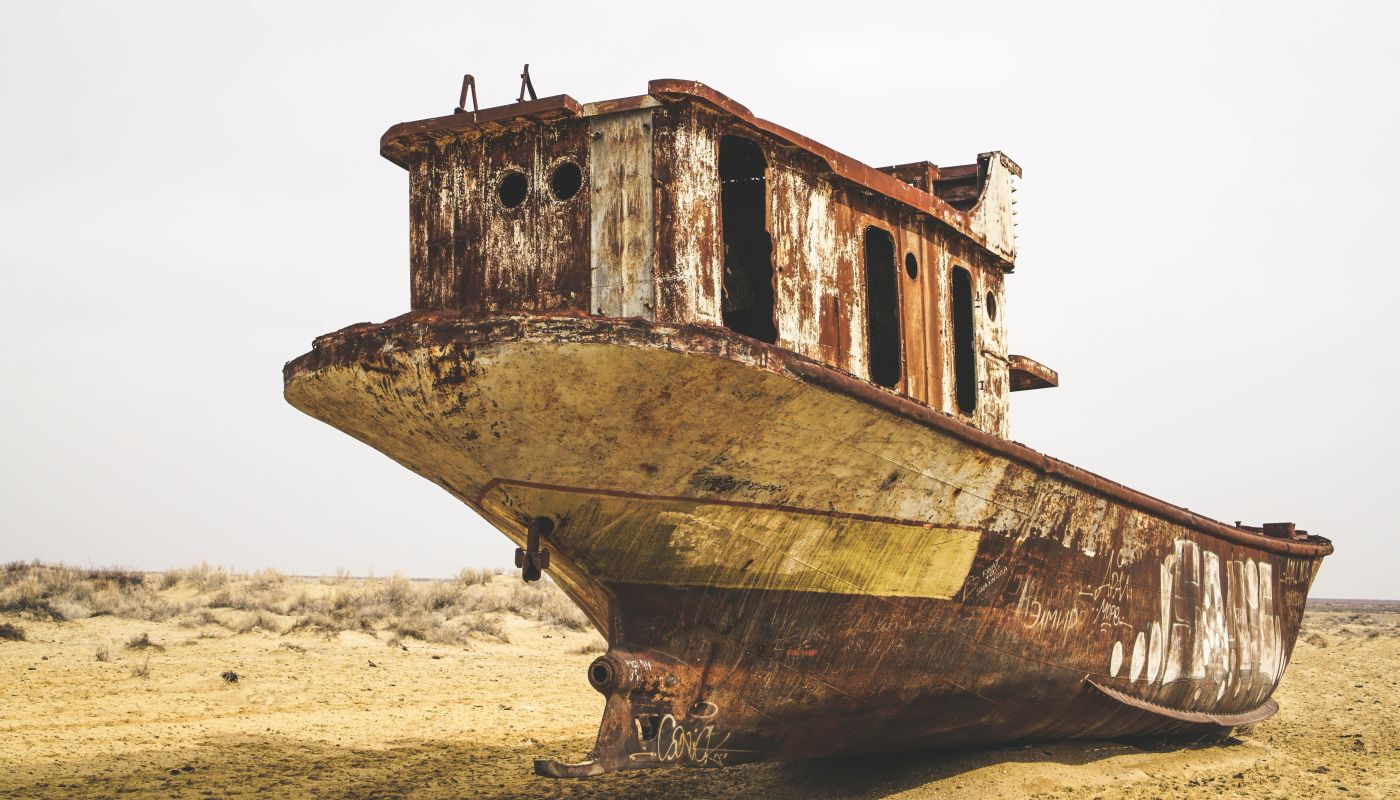
Landscape of Uzbekistan
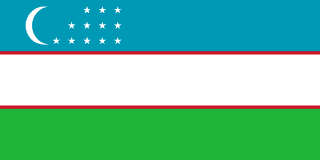
Flag of Uzbekistan

Uzbekistan

Asia

Uzbekistan is a landlocked country located in Central Asia, known for its distinct culture and ongoing efforts to reform its political and economic systems. With a population of over 33 million people, Uzbekistan is a developing country that has made progress in areas such as healthcare, education, and environmental conservation. The country's economy is based on natural resources, agriculture, and manufacturing, but it also faces challenges related to economic diversification and job creation. Uzbekistan has been working to improve its human rights record and reduce corruption while also implementing market-oriented economic reforms to attract more foreign investment and create new opportunities for its people. Uzbekistan's determination to overcome these challenges for its population is a testament to its resilience and potential as a nation.

What would you like to learn about in Uzbekistan?

Select a section to explore the country where nonprofits are creating positive change.

About Uzbekistan

Russia conquered the territory of present-day Uzbekistan in the late 19th century. Stiff resistance to the Red Army after the Bolshevik Revolution was eventually suppressed and a socialist republic established in 1924. During the Soviet era, intensive production of "white gold" (cotton) and grain led to overuse of agrochemicals and the depletion of water supplies, which have left the land degraded and the Aral Sea and certain rivers half dry. Independent since 1991, the country seeks to gradually lessen its dependence on the cotton monoculture by diversifying agricultural production while developing its mineral and petroleum reserves and increasing its manufacturing base. Current concerns include terrorism by Islamic militants, economic stagnation, and the curtailment of human rights and democratization.

Quick Facts

Population
28,661,637 (July 2013 est.)
Area
447,400 sq km
ISO Code
UZ
Continent
Asia
Government
republic; authoritarian presidential rule, with little power outside the executive branch
Active Causes
12
View all countries in Asia

Geography & Environment

Climate

mostly midlatitude desert, long, hot summers, mild winters; semiarid grassland in east

Terrain

mostly flat-to-rolling sandy desert with dunes; broad, flat intensely irrigated river valleys along course of Amu Darya, Syr Darya (Sirdaryo), and Zarafshon; Fergana Valley in east surrounded by mount...

Natural Resources

natural gas, petroleum, coal, gold, uranium, silver, copper, lead and zinc, tungsten, molybdenum

Environmental Issues

shrinkage of the Aral Sea has resulted in growing concentrations of chemical pesticides and natural salts; these substances are then blown from the increasingly exposed lake bed and contribute to dese...

People & Society

73.03 years
Avg. Life Expectancy
99.4%
Literacy Rate
36.2% of total population (2011)
Total Urban Population

Languages

Uzbek (official) 74.3%, Russian 14.2%, Tajik 4.4%, other 7.1%

Religions

Muslim 88% (mostly Sunni), Eastern Orthodox 9%, other 3%

Health Expenditure

5.3% of GDP (2010) of GDP

Education Expenditure

NA of GDP

Economy

$3,600
GDP per Capita (PPP)
4.8%
Unemployment Rate
17% (2011 est.)
Below Poverty Line

Economic Overview

Uzbekistan is a dry, landlocked country; 11% of the land is intensely cultivated, in irrigated river valleys. More than 60% of the population lives in densely populated rural communities. Export of hydrocarbons, primarily natural gas, provided 18.5% of foreign exchange earnings in 2011 and 35.1% in the first nine months of 2012. Other major export earners include gold and cotton. Despite ongoing efforts to diversify crops, Uzbekistani agriculture remains largely centered around cotton, although production has dropped by 35% since 1991. Uzbekistan is now the world's fifth largest cotton exporte...

Causes in Uzbekistan

Environment

Uzbekistan, a landlocked country in Central Asia, faces significant environmental challenges that impact its population and economy. The country's environmental issues stem from factors such as water scarcity, soil degradation, air pollution, and deforestation. Uzbekistan's reliance on cotton farming, which consumes vast amounts of water and leads to soil depletion due to the heavy use of pesticides and fertilizers, further exacerbates these problems. The Aral Sea crisis stands as a stark example of the devastating consequences of human activity on the environment in Uzbekistan, leading to severe health issues and economic hardships for communities living in the region. Addressing these environmental challenges is crucial for the well-being of Uzbekistan's population and the sustainability of its ecosystems.

Family

In Uzbekistan, the concept of family is deeply ingrained in the cultural and social fabric of the society. Families in Uzbekistan are typically large and extended, with multiple generations living together under one roof. The family unit holds significant importance in Uzbek culture, serving as the cornerstone of support, identity, and tradition. Family members are expected to show unwavering loyalty and respect towards one another, and decisions are often made collectively with input from all family members. This tight-knit familial structure provides individuals with a strong sense of belonging and security, fostering a deep connection to their heritage and roots. However, this emphasis on family can also lead to challenges, such as pressure to conform to traditional roles and expectations within the family unit. Understanding the pivotal role of family dynamics in Uzbekistan is crucial for appreciating the complexities of its society and fostering cross-cultural understanding.

Human Rights

Uzbekistan, a landlocked country in Central Asia, has faced significant challenges in upholding human rights. The government has been criticized for its restrictions on freedom of expression, assembly, and religion, as well as its use of torture and arbitrary detention. These violations have had a profound impact on the lives of Uzbek citizens, leading to a climate of fear and suppression. The lack of accountability and transparency in the judicial system further exacerbates these issues, undermining the rule of law and access to justice for many individuals. International human rights organizations continue to monitor the situation closely and advocate for reforms to ensure the protection of fundamental rights for all Uzbekistanis.

Education

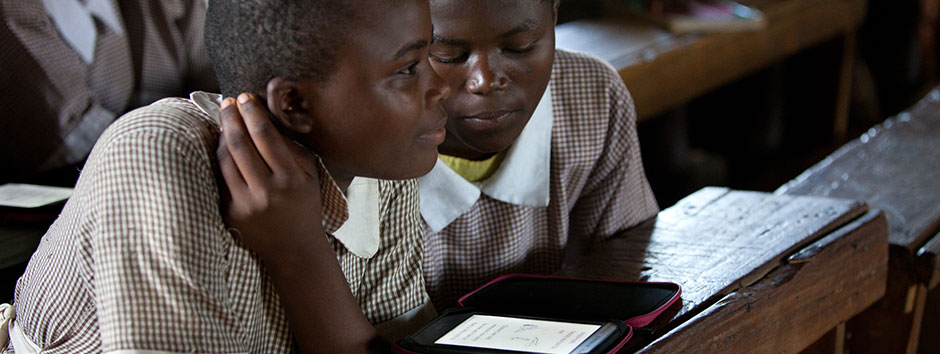
Education in Uzbekistan plays a crucial role in shaping the country's future. With a population of over 33 million, Uzbekistan has made significant strides in advancing its education system over the years. However, challenges such as high dropout rates, limited access to quality education in rural areas, and outdated teaching methods persist. Despite these challenges, education remains a top priority for the Uzbek government, which has implemented reforms to improve the quality of education and enhance skills development. Investing in education is essential for Uzbekistan's economic growth, social development, and overall prosperity. By ensuring access to quality education for all, Uzbekistan can empower its citizens, reduce poverty, and build a more sustainable future for generations to come.

Poverty

Uzbekistan, a Central Asian country, faces significant challenges related to poverty, impacting a considerable portion of its population. The high levels of poverty in Uzbekistan are largely attributed to factors such as limited economic diversification, inadequate access to quality education and healthcare services, and a lack of social safety nets. Poverty in Uzbekistan results in limited opportunities for individuals to break the cycle of poverty, leading to widespread income inequality and socioeconomic disparities. The government of Uzbekistan has recognized the issue of poverty as a key concern and has implemented various initiatives to address this pressing challenge, including social assistance programs and efforts to improve access to education and healthcare. Despite these efforts, poverty continues to be a major issue affecting many Uzbek citizens, highlighting the urgent need for sustained action and support.

Religion

Religion in Uzbekistan holds significant cultural and historical importance, shaping the country's societal fabric. Islam is the predominant religion, with the majority of the population identifying as Sunni Muslims. The practice of Islam in Uzbekistan is deeply ingrained in various aspects of daily life, influencing traditions, customs, and social norms. However, the Uzbek government enforces strict regulations on religious practices to maintain control and prevent extremist ideologies from taking root. This has led to limitations on religious freedom, with reports of restrictions on religious attire, public expressions of faith, and access to religious education. Despite these challenges, Uzbekistan continues to foster a diverse religious landscape, with communities practicing Orthodox Christianity, Judaism, and other faiths contributing to the country's rich cultural heritage.

Clean Water

In Uzbekistan, the availability of clean water remains a critical issue, with nearly 40% of the population lacking access to safe drinking water. This scarcity is primarily due to outdated infrastructure, inefficient water management practices, and environmental degradation. The absence of clean water sources poses significant health risks, leading to waterborne diseases and malnutrition among vulnerable populations. Moreover, inadequate access to clean water hinders economic development and perpetuates poverty cycles in the country. Addressing this challenge requires sustainable investments in water infrastructure, improved governance of water resources, and community-based initiatives to promote water conservation and hygiene practices. By prioritizing clean water accessibility, Uzbekistan can significantly enhance public health outcomes and foster socio-economic progress for its citizens.

Economy

Uzbekistan, a landlocked country in Central Asia, faces various challenges that are closely linked to its economy. The nation's economy heavily relies on natural resources such as cotton, gold, and natural gas. However, the overreliance on these resources poses risks to the country's economic stability. The lack of economic diversification hinders sustainable growth and development in Uzbekistan. Additionally, issues such as corruption, lack of transparency, and limited access to financing further impede economic progress in the country. These economic challenges contribute to social inequalities, unemployment, and poverty levels among Uzbekistan's population. Addressing these economic issues is crucial for ensuring a more stable and prosperous future for the nation.

Government

Uzbekistan, a landlocked country in Central Asia, is governed by a system that has a significant impact on its people and society. The government of Uzbekistan operates under a presidential republic, where the President serves as both the head of state and government. This centralized form of governance has been in place since the country gained independence in 1991. The government's policies and decisions influence various aspects of life in Uzbekistan, including economic development, social welfare programs, and human rights practices. There have been ongoing concerns regarding political freedoms, media censorship, and accountability within the government. These factors have shaped the country's trajectory and have implications for its citizens' daily lives. It is essential to understand the role of the government in Uzbekistan to advocate for positive change and promote transparency and accountability within the system.

Health

In Uzbekistan, health is a significant concern due to various factors impacting the population. The country faces challenges such as high rates of noncommunicable diseases, limited access to healthcare services in rural areas, and inadequate healthcare infrastructure. Noncommunicable diseases, including cardiovascular diseases and diabetes, are prevalent in Uzbekistan, contributing to a significant burden on the healthcare system. Moreover, disparities in access to healthcare services exist between urban and rural areas, with rural populations often facing difficulties in accessing quality medical care. Insufficient healthcare infrastructure further exacerbates the situation, hindering the delivery of essential health services to the population. Addressing these health challenges is crucial for improving the overall well-being of Uzbekistan's residents and promoting sustainable development in the country.

Children

In Uzbekistan, children face various challenges that impact their well-being and development. One prevalent issue is poverty, which affects around 12% of children in the country, limiting their access to education, healthcare, and basic necessities. Additionally, child labor remains a concern in Uzbekistan, as many children are forced to work in hazardous conditions instead of attending school. This not only deprives them of their right to education but also puts their health and safety at risk. Furthermore, child marriage is still practiced in some regions of Uzbekistan, with girls as young as 14 being forced into marriage, which can have negative consequences on their physical and mental health. Addressing these issues is crucial to ensure a better future for the children of Uzbekistan.

Animals

Animals play a significant role in Uzbekistan, both culturally and economically. The country's diverse ecosystem is home to a variety of wildlife, including the endangered snow leopard, Bukhara deer, and goitered gazelle. These animals face numerous threats such as habitat loss, poaching, and climate change. Conservation efforts are vital to protect these species and preserve Uzbekistan's biodiversity. Additionally, animals like sheep and goats are essential for the country's agriculture, providing meat, wool, and dairy products. Sustainable practices are crucial to ensure the well-being of both wild and domestic animals in Uzbekistan.

Nonprofits Working in Uzbekistan

Discover organizations making a difference in Uzbekistan

Make Your Impact Today

Discover causes you care about and support the nonprofits making a difference in communities around the world.

Are you a nonprofit? Join Project World Impact for free

Join Us Free