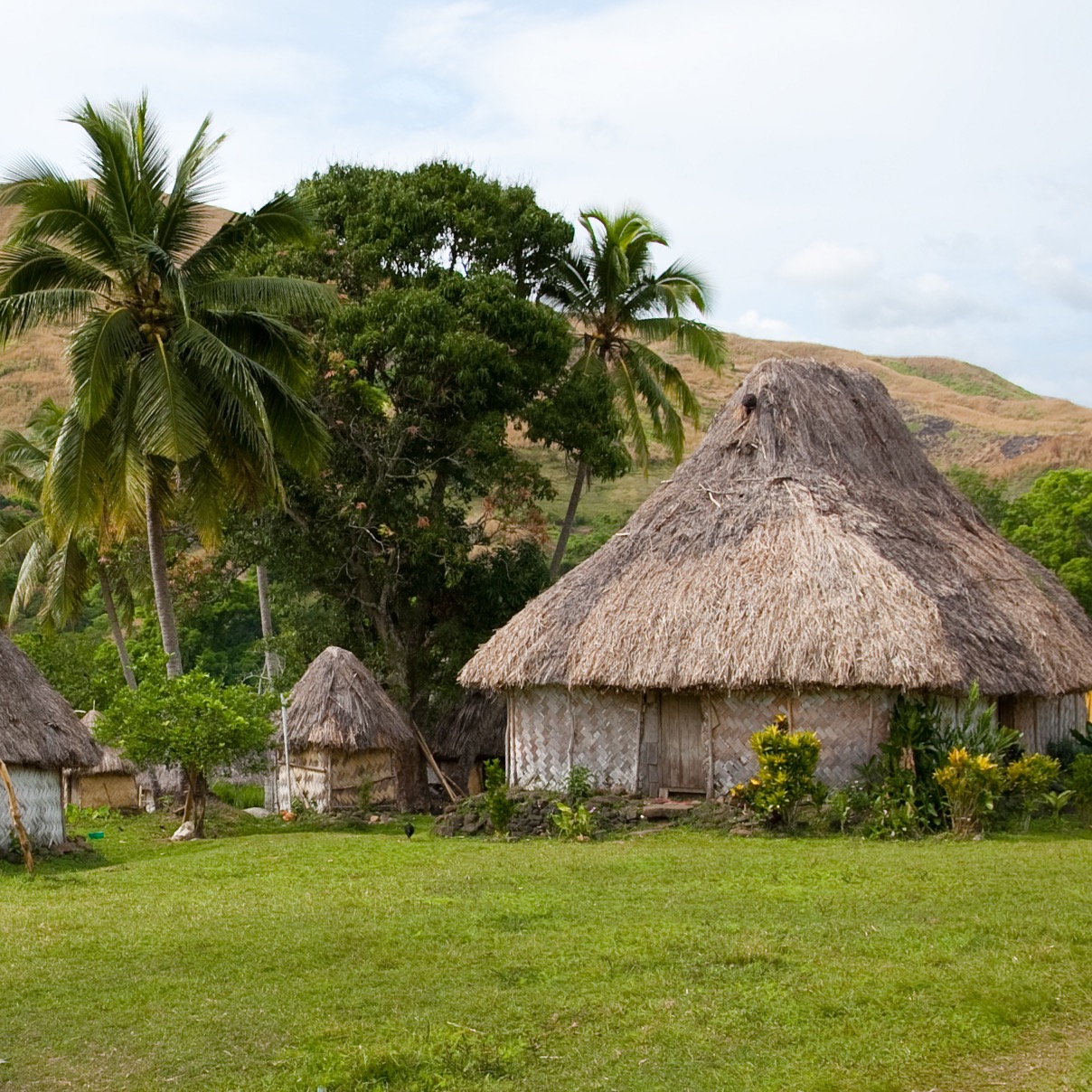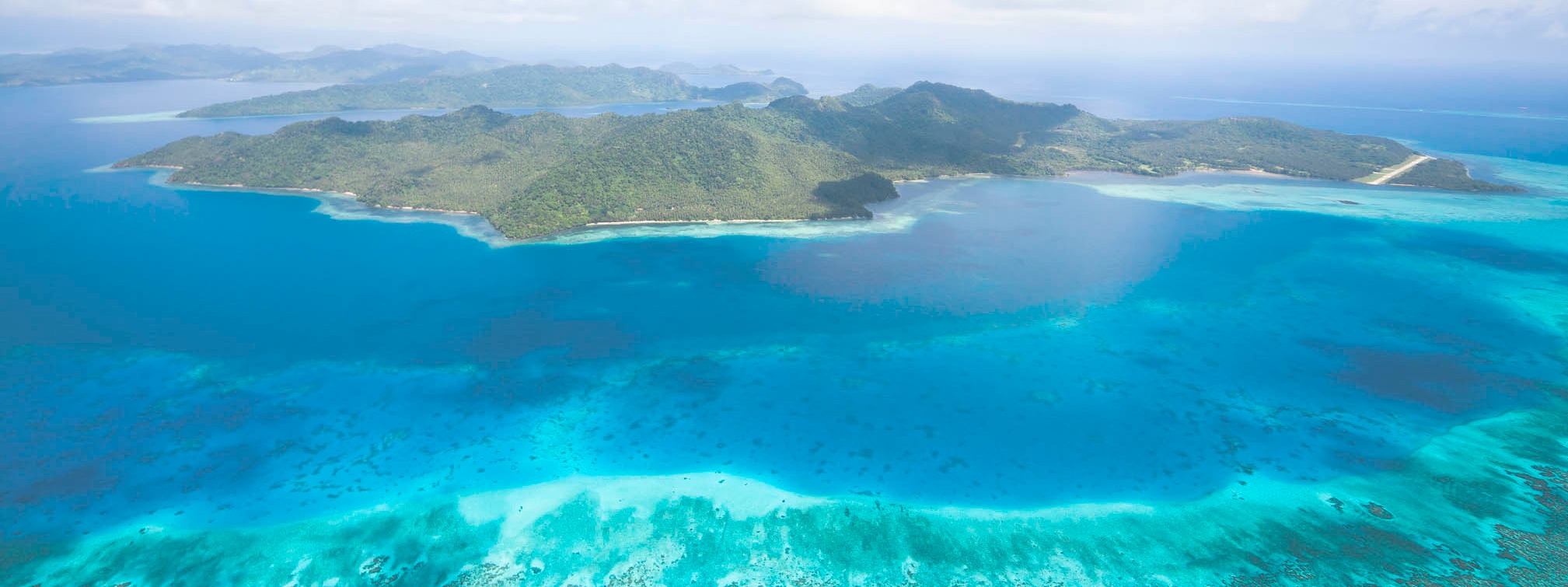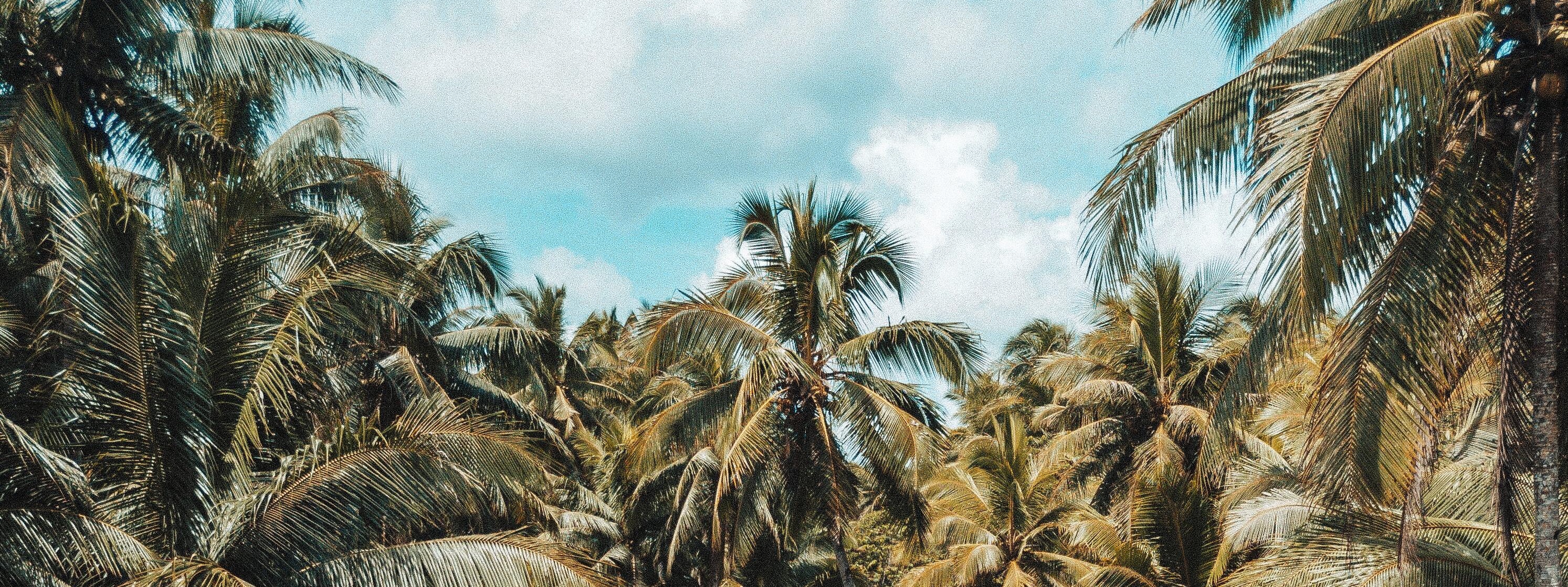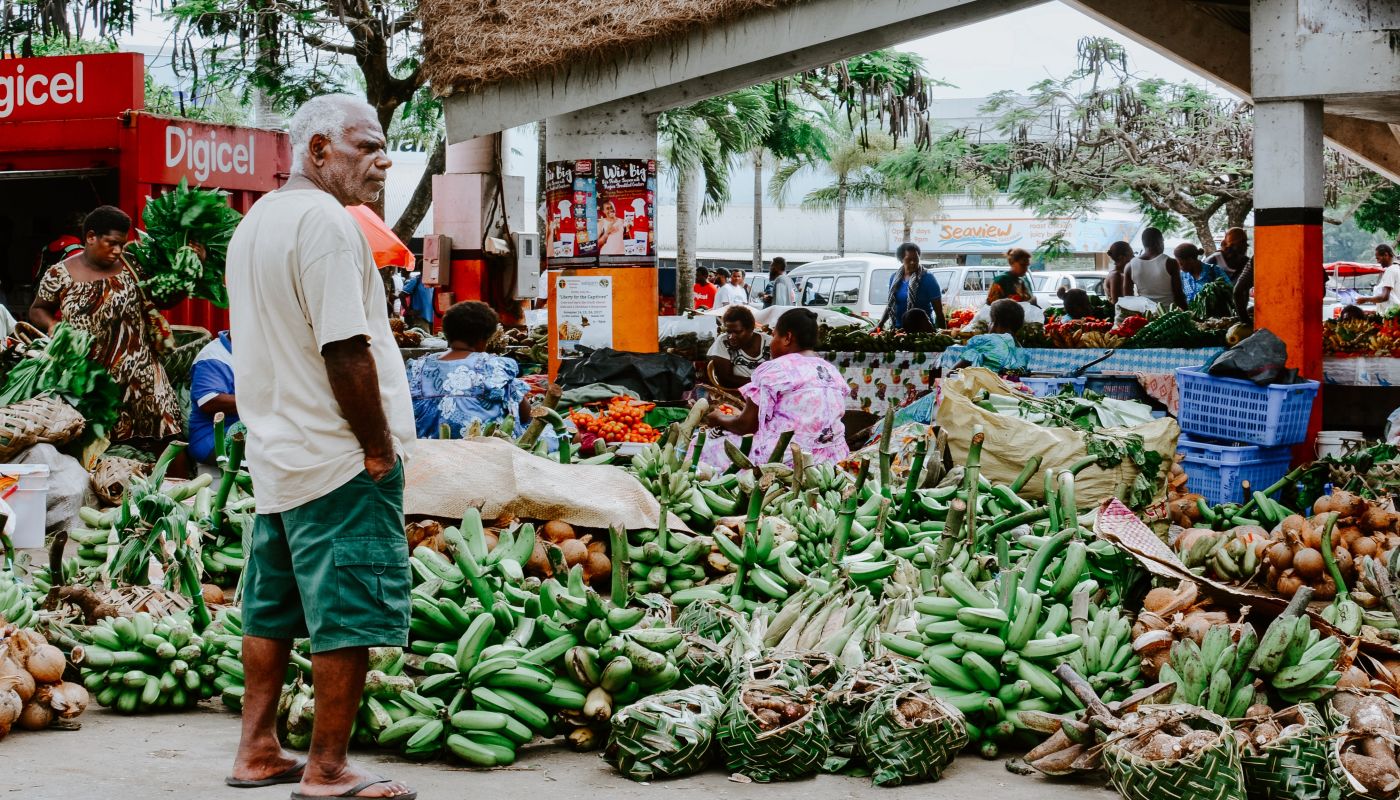
Landscape of Vanuatu
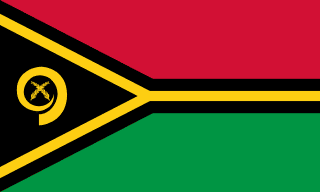
Flag of Vanuatu

Vanuatu

Australia/Oceania

Vanuatu is a small island country located in the South Pacific, known for its unique culture, stunning beaches, and challenges related to climate change. With a population of just over 300,000 people, Vanuatu is a developing country that has made progress in areas such as healthcare, education, and environmental conservation. The country's economy is based on agriculture, fisheries, and tourism, but it also faces challenges related to economic diversification and job creation. Vanuatu is working to address the effects of climate change, such as rising sea levels and ocean acidification, through investments in renewable energy and sustainable development.

What would you like to learn about in Vanuatu?

Select a section to explore the country where nonprofits are creating positive change.

About Vanuatu

Multiple waves of colonizers, each speaking a distinct language, migrated to the New Hebrides in the millennia preceding European exploration in the 18th century. This settlement pattern accounts for the complex linguistic diversity found on the archipelago to this day. The British and French, who settled the New Hebrides in the 19th century, agreed in 1906 to an Anglo-French Condominium, which administered the islands until independence in 1980, when the new name of Vanuatu was adopted.

Quick Facts

Population
261,565 (July 2013 est.)
Area
12,189 sq km
ISO Code
VU
Continent
Australia/Oceania
Government
parliamentary republic
Active Causes
12
View all countries in Australia/Oceania

Geography & Environment

Climate

tropical; moderated by southeast trade winds from May to October; moderate rainfall from November to April; may be affected by cyclones from December to April

Terrain

mostly mountainous islands of volcanic origin; narrow coastal plains

Natural Resources

manganese, hardwood forests, fish

Environmental Issues

most of the population does not have access to a reliable supply of potable water; deforestation

People & Society

72.38 years
Avg. Life Expectancy
83.2%
Literacy Rate
26% of total population (2010)
Total Urban Population

Languages

local languages (more than 100) 72.6%, pidgin (known as Bislama or Bichelama - official) 23.1%, English (official) 1.9%, French (official) 1.4%, other...

Religions

Protestant 55.6% (Presbyterian 31.4%, Anglican 13.4%, Seventh-Day Adventist 10.8%), Roman Catholic 13.1%, other Christian 13.8%, indigenous beliefs 5....

Health Expenditure

5.3% of GDP (2010) of GDP

Education Expenditure

5.2% of GDP (2009) of GDP

Economy

$5,000
GDP per Capita (PPP)
1.7%
Unemployment Rate
NA%
Below Poverty Line

Economic Overview

This South Pacific island economy is based primarily on small-scale agriculture, which provides a living for about two-thirds of the population. Fishing, offshore financial services, and tourism, with nearly 197,000 visitors in 2008, are other mainstays of the economy. Mineral deposits are negligible; the country has no known petroleum deposits. A small light industry sector caters to the local market. Tax revenues come mainly from import duties. Economic development is hindered by dependence on relatively few commodity exports, vulnerability to natural disasters, and long distances from main...

Causes in Vanuatu

Environment

Vanuatu, an island nation located in the South Pacific Ocean, is highly susceptible to the impacts of climate change and environmental degradation. The country's economy heavily relies on agriculture, fisheries, and tourism, all of which are directly influenced by its natural surroundings. Rising sea levels, increased frequency of extreme weather events, and coral bleaching threaten the livelihoods of the people of Vanuatu. Coastal erosion and destruction of ecosystems further exacerbate these challenges, leading to food insecurity and loss of biodiversity. It is crucial for the global community to acknowledge and address the environmental vulnerabilities faced by Vanuatu to ensure sustainable development and resilience for its population.

Family

In Vanuatu, a small island nation in the South Pacific, family holds significant importance within the social fabric of society. The concept of family extends beyond immediate relatives to include extended family members, often forming tight-knit communities that offer support and guidance. Families in Vanuatu play crucial roles in shaping individuals' identities, providing emotional sustenance, and offering a sense of belonging. The emphasis on familial ties is reflected in various aspects of daily life, including decision-making processes, resource allocation, and community interactions. Moreover, family units are instrumental in preserving cultural traditions and passing down knowledge from one generation to the next. The interconnectedness and interdependence within Vanuatu's familial structures contribute to the resilience and cohesion of its society.

Education

Vanuatu, a small island nation in the South Pacific, faces various challenges in its education system. Limited resources, geographic isolation, and diverse languages spoken among its population of over 80 islands contribute to the struggle of providing quality education for all. The impact of these challenges is reflected in the country's low literacy rates and high dropout rates, particularly among marginalized communities. Education plays a crucial role in Vanuatu's development, as it empowers individuals, reduces poverty, and fosters social cohesion. By addressing these challenges and investing in education, Vanuatu can build a more sustainable and prosperous future for its people.

Poverty

Vanuatu, a small Pacific island nation, faces significant challenges with poverty affecting a substantial portion of its population. Despite being known for its natural beauty and rich cultural heritage, Vanuatu grapples with high levels of poverty that impact various aspects of daily life for many of its citizens. Limited access to basic services such as healthcare, education, and clean water exacerbates the situation, leading to health issues, low literacy rates, and poor living conditions. The effects of poverty in Vanuatu are far-reaching, hindering the country's overall development and well-being. It is crucial to address the root causes of poverty in Vanuatu to improve the quality of life for its people and promote sustainable growth.

Religion

Religion plays a significant role in the cultural fabric of Vanuatu, a Pacific island nation with a population of approximately 300,000 people. The country boasts a rich diversity of religious beliefs, with Christianity being the predominant faith practiced by over 90% of the population. The influence of Christianity, introduced by European missionaries during the colonial era, is evident in various aspects of Vanuatu's society, including its customs, traditions, and governance. Alongside Christianity, traditional indigenous belief systems such as cargo cults also hold sway in certain communities, blending seamlessly with Christian practices in a unique syncretic fusion. Religion in Vanuatu serves not only as a spiritual guide but also as a unifying force that shapes societal norms and values, fostering a sense of community and identity among its people.

Clean Water

Vanuatu, a small island nation located in the South Pacific Ocean, faces significant challenges in ensuring access to clean water for its population. With over 80% of the country's inhabitants residing in rural areas, the lack of adequate infrastructure and resources poses a major obstacle to providing safe drinking water. The consequences of this issue are dire, as contaminated water sources lead to waterborne diseases such as diarrhea, typhoid, and cholera, contributing to high morbidity rates across the nation. Furthermore, the impacts of climate change, including more frequent and severe natural disasters like cyclones and droughts, exacerbate the vulnerability of Vanuatu's water resources. Addressing these challenges requires concerted efforts from both the government and international organizations to improve water infrastructure, enhance water quality monitoring systems, and promote sustainable water management practices to ensure a healthier future for the people of Vanuatu.

Economy

Vanuatu, a Pacific island nation located in the South Pacific Ocean, faces unique economic challenges that significantly impact its population. The economy of Vanuatu is largely dependent on agriculture, tourism, and offshore financial services. However, the country remains vulnerable to external shocks due to its small size, limited resources, and susceptibility to natural disasters such as cyclones and earthquakes. The reliance on imported goods and fluctuating global commodity prices further exacerbate economic instability in Vanuatu. This economic fragility hinders sustainable development efforts and poses significant hurdles to poverty reduction and social progress in the country.

Government

Vanuatu, an island nation located in the South Pacific Ocean, faces a multitude of challenges that are influenced by the government's decisions and policies. The government plays a crucial role in addressing issues such as climate change, natural disasters, poverty, and access to healthcare and education. With a population of approximately 300,000 people spread across 83 islands, the government's actions greatly impact the lives of its citizens. Despite being classified as a developing country, Vanuatu has made strides in areas such as environmental conservation and sustainable development. However, political instability and limited resources continue to hinder progress in key sectors. It is imperative for the government to prioritize the well-being of its people through effective governance, transparent policies, and strategic investments in infrastructure and social services.

Health

Vanuatu, a South Pacific island nation, faces significant health challenges that impact its population. The country struggles with high rates of communicable diseases such as tuberculosis, malaria, and dengue fever, which are exacerbated by limited access to healthcare services and sanitation facilities in remote areas. Malnutrition is also a pressing issue among children under five, leading to stunted growth and developmental delays. Furthermore, the effects of climate change, including natural disasters like cyclones and rising sea levels, pose additional health risks to the population. Addressing these health issues is crucial to improving the overall well-being of the people of Vanuatu and ensuring a sustainable future for the nation.

Children

In Vanuatu, a small island nation located in the South Pacific, children face numerous challenges that impact their well-being and development. One significant issue is the prevalence of poverty, which affects a large portion of the population and contributes to inadequate access to healthcare, education, and other essential services for children. Malnutrition is also a concern, with rates of stunting and undernourishment being notably high among young children. Furthermore, natural disasters such as cyclones and earthquakes frequently strike Vanuatu, displacing families and disrupting children's lives, leaving them vulnerable to physical and emotional harm. These factors collectively hinder the overall growth and progress of children in Vanuatu, highlighting the urgent need for support and interventions to improve their living conditions and future prospects.

Human Rights

Vanuatu, a small island nation located in the South Pacific Ocean, is home to a diverse population with various cultural backgrounds. Despite its stunning natural beauty, Vanuatu faces numerous human rights challenges that impact its people. Issues such as gender inequality, limited access to healthcare and education, and concerns regarding land rights and traditional practices continue to affect the well-being of individuals in the country. The government of Vanuatu has made efforts to address these issues through legislative reforms and initiatives aimed at promoting human rights awareness and protection. However, more work is needed to ensure that all individuals in Vanuatu can fully enjoy their fundamental rights and freedoms.

Animals

Vanuatu, an island nation in the South Pacific, is home to a diverse range of animal species that play a crucial role in the country's ecosystem and culture. Animals in Vanuatu are integral to the livelihoods of many communities, serving as sources of food, transportation, and materials for traditional crafts. However, the delicate balance between humans and animals in Vanuatu is facing significant challenges due to habitat loss, climate change, and unsustainable hunting practices. Deforestation and land development are threatening the natural habitats of many animal species, leading to a decline in their populations. Additionally, rising sea levels and extreme weather events caused by climate change are further endangering the survival of animals in Vanuatu. Conservation efforts are essential to protect the rich biodiversity of Vanuatu and ensure the continued coexistence of humans and animals on these islands.

Nonprofits Working in Vanuatu

Discover organizations making a difference in Vanuatu

N

NYCMedics

NYC Medics’ two-pronged approach towards disaster focuses on both pre and post disaster impacts. Our primary focus has been responding to disasters and treating those affected in hard to reach areas. This is accomplished through our network of committed volunteer medical personnel, willing to deploy within hours of being contacted. In our training program in Kenya we are working with local government officials and organizations to build a sustainable, well trained work force in pre-hospital care, incorporating fire services cross training in basic first aid. By teaching and certifying a greater number of personnel in pre-hospital care, we hope to increase access to the healthcare system and provide basic life saving measures to those who currently lack access to these services.

New York, New York

Make Your Impact Today

Discover causes you care about and support the nonprofits making a difference in communities around the world.

Are you a nonprofit? Join Project World Impact for free

Join Us Free