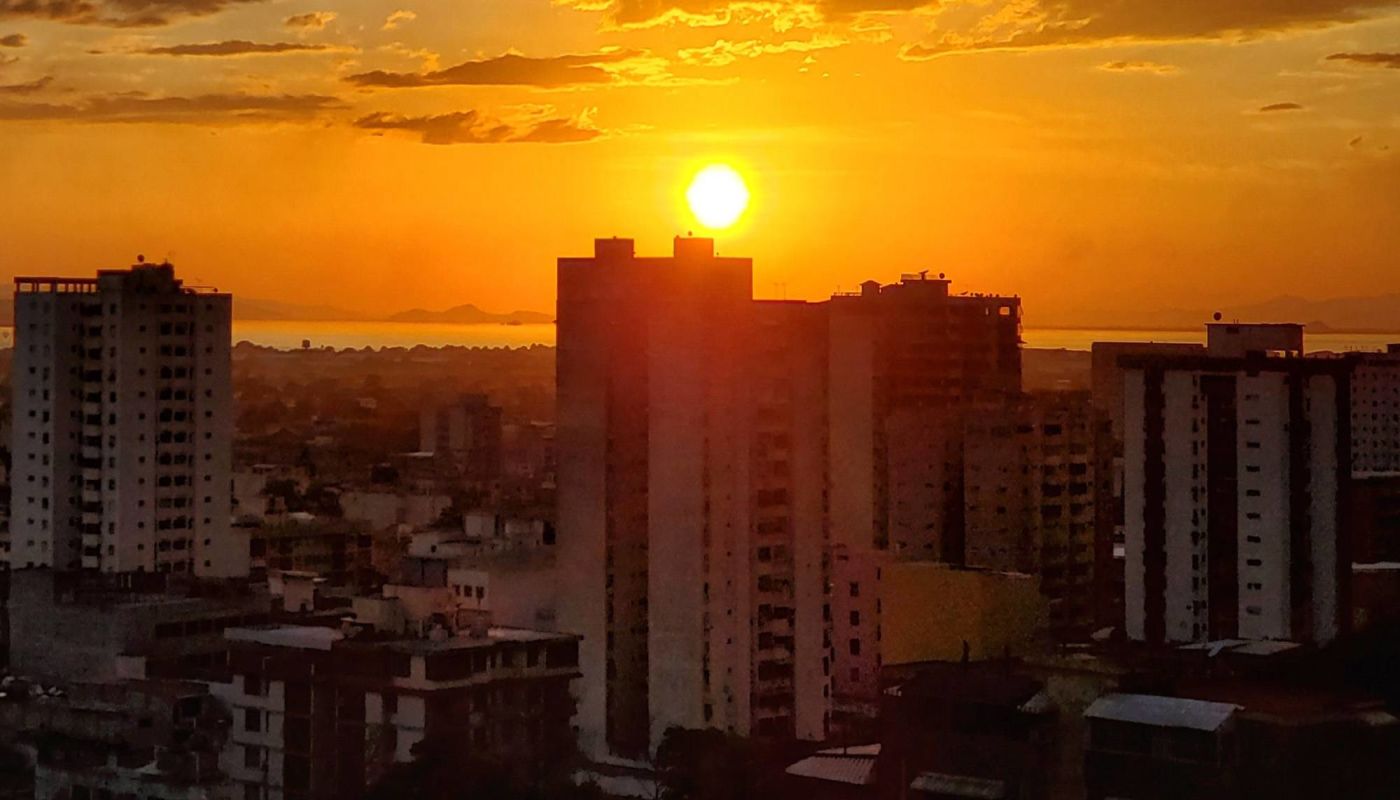
Landscape of Venezuela
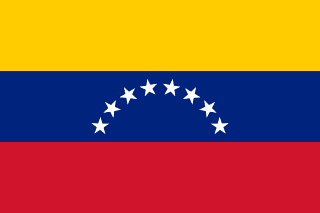
Flag of Venezuela

Venezuela

South America

Venezuela is a large country located in South America, known for its diverse natural landscapes, rich cultural heritage, and ongoing challenges related to political instability and economic crisis. With a population of over 28 million people, Venezuela is a developing country that has faced significant challenges in recent years, including hyperinflation, food and medicine shortages, and political unrest. The country's economy is based on oil exports, but it has been severely impacted by corruption, mismanagement, and international sanctions. Venezuela faces challenges related to political polarization, human rights abuses, and the effects of climate change, but it remains a resilient and hopeful nation.

What would you like to learn about in Venezuela?

Select a section to explore the country where nonprofits are creating positive change.

About Venezuela

Venezuela was one of three countries that emerged from the collapse of Gran Colombia in 1830 (the others being Ecuador and New Granada, which became Colombia). For most of the first half of the 20th century, Venezuela was ruled by generally benevolent military strongmen, who promoted the oil industry and allowed for some social reforms. Democratically elected governments have held sway since 1959. Hugo CHAVEZ, president from 1999 to 2013, sought to implement his "21st Century Socialism," which purported to alleviate social ills while at the same time attacking capitalist globalization and existing democratic institutions. Current concerns include: a weakening of democratic institutions, political polarization, a politicized military, rampant violent crime, overdependence on the petroleum industry with its price fluctuations, and irresponsible mining operations that are endangering the rain forest and indigenous peoples.

Quick Facts

Population
28,459,085 (July 2013 est.)
Area
912,050 sq km
ISO Code
VE
Continent
South America
Government
federal republic
Active Causes
12
View all countries in South America

Geography & Environment

Climate

tropical; hot, humid; more moderate in highlands

Terrain

Andes Mountains and Maracaibo Lowlands in northwest; central plains (llanos); Guiana Highlands in southeast

Natural Resources

petroleum, natural gas, iron ore, gold, bauxite, other minerals, hydropower, diamonds

Environmental Issues

sewage pollution of Lago de Valencia; oil and urban pollution of Lago de Maracaibo; deforestation; soil degradation; urban and industrial pollution, especially along the Caribbean coast; threat to the...

People & Society

74.23 years
Avg. Life Expectancy
95.5%
Literacy Rate
93% of total population (2010)
Total Urban Population

Languages

Spanish (official), numerous indigenous dialects

Religions

nominally Roman Catholic 96%, Protestant 2%, other 2%

Health Expenditure

4.9% of GDP (2010) of GDP

Education Expenditure

3.6% of GDP (2007) of GDP

Economy

$13,800
GDP per Capita (PPP)
7.8%
Unemployment Rate
31.6% (2011 est.)
Below Poverty Line

Economic Overview

Venezuela remains highly dependent on oil revenues, which account for roughly 95% of export earnings, about 45% of federal budget revenues, and around 12% of GDP. Fueled by high oil prices, record government spending helped to boost GDP growth by 4.2% in 2011, after a sharp drop in oil prices caused an economic contraction in 2009-10. Government spending, minimum wage hikes, and improved access to domestic credit created an increase in consumption which combined with supply problems to cause higher inflation - roughly 26% in 2011 and 21% in 2012. President Hugo CHAVEZ's efforts to increase the...

Causes in Venezuela

Environment

Venezuela, a country located in South America, faces significant environmental challenges that have a profound impact on its people and economy. Deforestation, water pollution, and air pollution are some of the pressing environmental issues that Venezuela grapples with. The rapid expansion of agriculture, logging, and mining activities has led to widespread deforestation, threatening the country's rich biodiversity and contributing to climate change. Water pollution from industrial activities and inadequate sewage treatment facilities poses a serious threat to public health, while air pollution from vehicle emissions and industrial sources further exacerbates respiratory illnesses among the population. Addressing these environmental issues is crucial for safeguarding the well-being of Venezuelans and preserving the country's natural resources for future generations.

Family

In Venezuela, family holds paramount importance, as it serves as the cornerstone of society and plays a critical role in shaping individual identities and values. The Venezuelan culture places a strong emphasis on close-knit family relationships, with extended families often residing together and providing support to one another. However, the socio-economic challenges plaguing the nation have significantly strained familial bonds. The economic crisis, political instability, and widespread poverty have forced many families to endure hardships such as food shortages, lack of access to healthcare, and rising crime rates. These adversities have led to increased stress and tensions within households, affecting the mental and emotional well-being of families across the country. It is crucial to acknowledge the impact of these external factors on Venezuelan families and work towards addressing the root causes to ensure a more stable and prosperous future for all.

Human Rights

Venezuela has been facing a severe human rights crisis in recent years, characterized by widespread political repression, censorship, and deteriorating living conditions. The government's systematic crackdown on dissent has led to numerous human rights violations, including arbitrary arrests, extrajudicial killings, and torture. Freedom of expression and assembly are severely restricted, with journalists, activists, and opposition figures facing harassment and intimidation. Additionally, the economic crisis in Venezuela has resulted in severe shortages of food, medicine, and other essential goods, leading to a humanitarian emergency that has left millions of Venezuelans struggling to meet their basic needs. The impact of these human rights violations is profound, affecting the well-being and livelihoods of countless individuals across the country.

Education

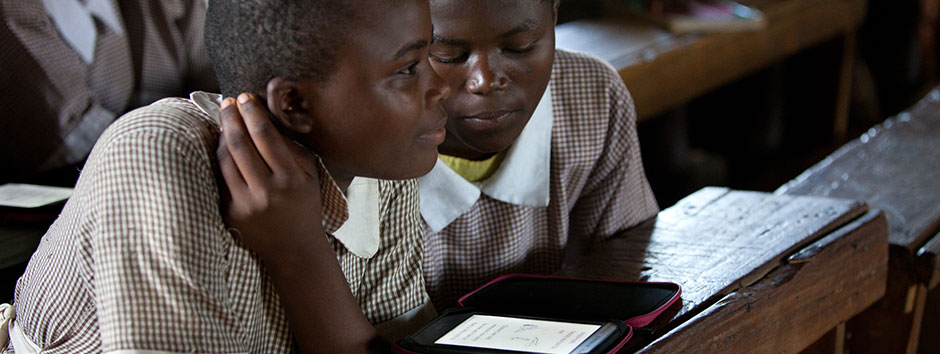
In Venezuela, the education system has been significantly impacted by socio-economic and political challenges, leading to a decline in the quality of education and a reduction in access to schooling for many children. The country's economic crisis has resulted in severe underfunding of schools, inadequate resources, and poorly trained teachers. As a result, the level of education in Venezuela has plummeted, with high dropout rates and limited opportunities for students to pursue higher education. This lack of quality education perpetuates a cycle of poverty and hinders the country's overall development. Addressing these challenges is crucial to improving the future prospects of Venezuelan children and breaking the cycle of poverty. (

Poverty

Venezuela, once a prosperous nation, now faces a severe crisis marked by widespread poverty. The economic downfall of the country has resulted in significant social repercussions, with poverty levels soaring to alarming heights. The lack of access to basic necessities such as food, healthcare, and education has had a profound impact on the Venezuelan population, leading to increased rates of malnutrition, disease, and illiteracy. The hyperinflation and economic instability have exacerbated the situation, leaving many struggling to make ends meet. As a result, the quality of life for many Venezuelans has drastically deteriorated, perpetuating a cycle of poverty that is challenging to break. It is imperative to address the root causes of this issue and implement sustainable solutions to alleviate the suffering of the Venezuelan people.

Religion

Religion plays a significant role in Venezuelan society, with approximately 88% of the population identifying as Roman Catholic. Religious beliefs and practices often influence various aspects of daily life, from social interactions to political decisions. However, Venezuela is a diverse country with a growing number of individuals following other religious traditions such as Protestantism, Islam, and indigenous spiritual beliefs. Despite the strong presence of Catholicism, there have been instances of religious discrimination and tensions between different religious groups. The relationship between religion and politics in Venezuela has also been complex, with religious leaders sometimes taking active roles in advocating for social justice or critiquing government policies. Overall, religion in Venezuela is a dynamic and multifaceted phenomenon that continues to shape the cultural landscape of the country.

Clean Water

In Venezuela, the availability of clean water has become a pressing issue with far-reaching consequences. The country's water infrastructure has deteriorated over the years due to inadequate maintenance and investment, leading to widespread water shortages and contamination. This crisis has significant implications for public health, as access to clean water is essential for preventing waterborne diseases such as cholera and typhoid. Furthermore, the lack of clean water hinders agriculture, exacerbating food insecurity in the region. Addressing this issue requires comprehensive efforts to improve water treatment facilities, repair infrastructure, and promote sustainable water management practices. By raising awareness about the importance of clean water in Venezuela, we can help advocate for necessary reforms to ensure a healthier and more sustainable future for its citizens.

Economy

Venezuela, a South American nation, has been grappling with a severe economic crisis in recent years. The country's economy heavily relies on oil exports, which account for a significant portion of its revenue. However, mismanagement, corruption, international sanctions, and fluctuating oil prices have led to hyperinflation, massive unemployment, and widespread poverty in Venezuela. The impact of the economic downturn is evident in the shortage of basic necessities such as food, medicine, and electricity, exacerbating the humanitarian crisis in the country. The economic instability has also triggered mass migration as millions of Venezuelans seek better opportunities abroad. Addressing the economic challenges facing Venezuela is crucial to improving the well-being of its citizens and stabilizing the region.

Government

Venezuela, a country located in South America, has been facing a severe political and economic crisis in recent years. The government, under President Nicolás Maduro, has been accused of corruption, human rights violations, and mismanagement of the economy, leading to hyperinflation, widespread poverty, and a humanitarian crisis. The government's policies have resulted in shortages of food, medicine, and basic necessities, leading to a significant decline in the quality of life for many Venezuelans. The political instability and government repression have also led to mass emigration, with millions of Venezuelans fleeing the country in search of better opportunities. The impact of the government's actions on the people of Venezuela has been devastating, with many struggling to meet their basic needs and facing a bleak future.

Health

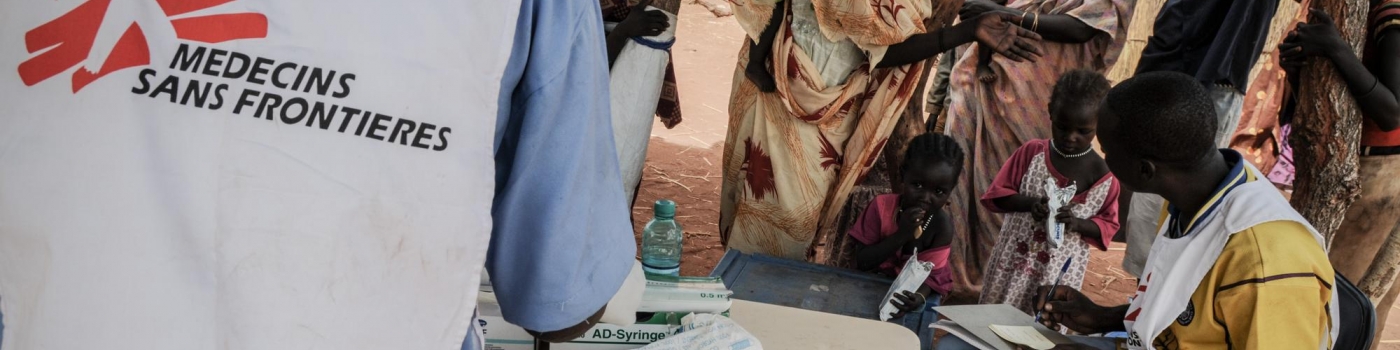
In Venezuela, the deteriorating health system has had profound consequences on the population. The country's economic crisis, political instability, and lack of access to medical supplies have led to a healthcare emergency. Shortages of medication, medical equipment, and healthcare professionals have resulted in inadequate treatment for many individuals, exacerbating health conditions and leading to unnecessary suffering. The decline in health services has also contributed to the spread of preventable diseases and the rise of maternal and infant mortality rates. It is vital to address these issues urgently to improve the well-being of the Venezuelan people and prevent further health crises.

Children

Venezuela is facing a severe humanitarian crisis that is significantly impacting children in the country. Children in Venezuela are suffering from malnutrition, lack of access to healthcare, and limited educational opportunities due to the economic instability and political unrest in the nation. According to UNICEF, more than 3 million children in Venezuela are in need of humanitarian assistance, with rates of malnutrition among children under five years old rising to alarming levels. The situation is exacerbated by the lack of basic necessities such as food, clean water, and medical supplies, leading to a generation of children who are at risk of lifelong health and developmental issues. It is crucial for the international community to take action to support the children of Venezuela and alleviate their suffering in this critical time of need.

Animals

Venezuela, a country rich in biodiversity, is home to a wide array of animals. The impact of animals on Venezuela is significant, as the ecosystem relies on these creatures for balance and sustainability. From the iconic jaguars and capybaras to the diverse bird species like the Orinoco goose and Venezuelan troupial, these animals play a crucial role in maintaining the delicate ecological equilibrium of the region. However, Venezuela's wildlife faces numerous threats, including habitat destruction, illegal wildlife trade, and climate change, all of which are endangering the survival of many species. Conservation efforts are essential to protect Venezuela's unique wildlife and preserve its natural heritage for future generations.

Nonprofits Working in Venezuela

Discover organizations making a difference in Venezuela

Make Your Impact Today

Discover causes you care about and support the nonprofits making a difference in communities around the world.

Are you a nonprofit? Join Project World Impact for free

Join Us Free