Vietnam
Asia
Vietnam is a country located in Southeast Asia, with a population of over 97 million people. Vietnam is a developing country that has made significant progress in areas such as healthcare, education, and environmental conservation. The country's economy is based on agriculture, manufacturing, and services, but it also faces challenges related to economic development and income inequality. Vietnam has been working to improve its human rights record and promote political stability, while also implementing market-oriented economic reforms to attract more foreign investment and create new opportunities for its people.
What would you like to learn about in Vietnam?
Select a section to explore the country where nonprofits are creating positive change.
Vietnam is a country located in Southeast Asia, with a population of over 97 million people. Vietnam is a developing country that has made significant progress in areas such as healthcare, education, and environmental conservation. The country's economy is based on agriculture, manufacturing, and services, but it also faces challenges related to economic development and income inequality. Vietnam has been working to improve its human rights record and promote political stability, while also implementing market-oriented economic reforms to attract more foreign investment and create new opportunities for its people.
Causes in Vietnam
Environment
Vietnam, a country located in Southeast Asia, is profoundly affected by environmental issues that have a significant impact on its population and economy. The country's rapid industrialization and urbanization have led to severe pollution of air, water, and soil, causing health problems and damaging ecosystems. Vietnam is also highly vulnerable to climate change, with rising sea levels threatening coastal areas and extreme weather events becoming more frequent. Deforestation, overfishing, and wildlife trafficking further exacerbate environmental degradation in the country. Addressing these challenges is crucial to safeguarding the well-being of Vietnam's citizens and ensuring sustainable development for future generations.
Family
In Vietnam, family plays a significant role in shaping individuals' identities and societal structures. The traditional Vietnamese family is typically extended, with multiple generations residing together under one roof. Family ties are deeply cherished and are considered the cornerstone of Vietnamese culture. Respect for elders, filial piety, and loyalty to one's family are key values instilled from a young age. The strong emphasis on family cohesion fosters a sense of unity, support, and belonging among individuals. Family members often rely on each other for emotional and financial support, particularly in times of need or crisis. Furthermore, familial relationships extend beyond immediate blood relatives to include close friends and even community members who are treated as kin. This interconnectedness within the Vietnamese family unit not only provides a sense of security and belonging but also serves as a source of strength and resilience in the face of challenges.
Human Rights
Vietnam has been a focus of human rights concerns due to its restrictive political environment and limitations on civil liberties. The Vietnamese government has been criticized for its suppression of free speech, peaceful assembly, and religious freedoms. Dissidents, activists, and journalists have faced harassment, imprisonment, and censorship for expressing dissenting views. The lack of an independent judiciary system further exacerbates these issues. The impact of these human rights violations is evident in the limited space for open discourse and dissent in Vietnamese society, hindering the country's progress towards a more democratic and inclusive governance system.
Education
Vietnam, a Southeast Asian country known for its rich history and vibrant culture, faces various challenges in its education system. Despite significant progress in expanding access to education, disparities persist in terms of quality and resources, particularly between urban and rural areas. The legacy of the Vietnam War, economic constraints, and a centralized education system are among the factors that inhibit equitable access to quality education for all Vietnamese children. Limited investments in infrastructure and teacher training further exacerbate these challenges. Education plays a crucial role in shaping Vietnam's future by empowering its citizens, fostering economic growth, and promoting social cohesion. Enhancing the quality and inclusivity of education in Vietnam is essential for the country to realize its full potential and achieve sustainable development goals.
Poverty
Vietnam, a country located in Southeast Asia, has been grappling with the issue of poverty which has had a significant impact on its population. Despite remarkable economic growth in recent years, poverty remains a pressing concern in Vietnam, particularly in rural areas where the majority of the population resides. Factors such as limited access to education, inadequate healthcare services, and lack of job opportunities contribute to the high levels of poverty in the country. The prevalence of poverty not only affects the living standards of individuals but also hinders the overall socio-economic development of Vietnam. Addressing this issue requires targeted policies and interventions aimed at improving access to education, healthcare, and employment opportunities for all segments of society.
Religion
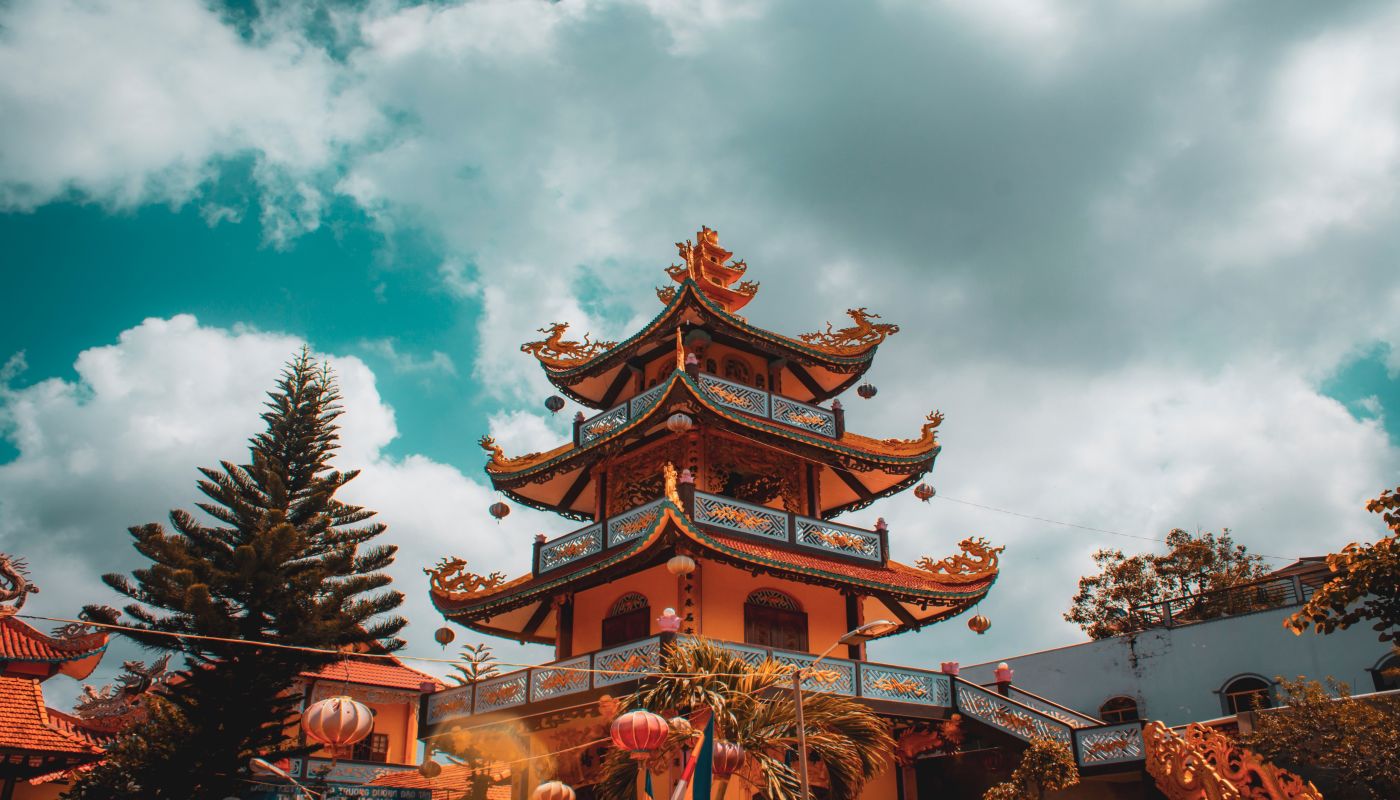
Vietnam is a country deeply influenced by religion, with a rich tapestry of beliefs that have shaped its culture and society. The predominant religion in Vietnam is Buddhism, followed by Taoism, Confucianism, and various indigenous beliefs. These religions have played a significant role in shaping the values and traditions of the Vietnamese people, influencing everything from family life to governance. Despite the official policy of state atheism, religious practices are widely observed throughout the country, with temples, pagodas, and shrines serving as important centers of community and spirituality. However, religious groups often face restrictions and persecution from the government, leading to issues of religious freedom and human rights violations in Vietnam. It is crucial to raise awareness about the impact of religion on Vietnamese society and advocate for greater respect for religious diversity and freedom in the country.
Clean Water
Vietnam, a country in Southeast Asia, faces significant challenges in ensuring access to clean water for its population. With rapid industrialization and urbanization, Vietnam's water sources have become increasingly polluted, leading to serious health risks for its people. Contaminated water sources contribute to the spread of waterborne diseases such as cholera and typhoid, impacting public health and hindering social and economic development. Lack of access to clean water also disproportionately affects vulnerable communities in rural areas, exacerbating existing inequalities. Addressing the issue of clean water is crucial for Vietnam's sustainable development and the well-being of its citizens.
Economy
Vietnam, a Southeast Asian country with a population of over 96 million, has been significantly impacted by its economy. With a GDP of around $340 billion in 2020 and a growth rate averaging 6-7% over the past decade, Vietnam has emerged as one of the fastest-growing economies in the region. The country's economy heavily relies on manufacturing, with key industries including textiles, electronics, and footwear. However, challenges such as income inequality, corruption, and environmental degradation persist, affecting the well-being of its people. The economic disparities between urban and rural areas have also led to social issues like poverty and inadequate access to healthcare and education. As Vietnam continues to strive for economic growth and development, addressing these challenges will be crucial in ensuring a more equitable and sustainable future for its citizens.
Government
Vietnam, a Southeast Asian country, has a government system that significantly influences its economy, society, and culture. The Socialist Republic of Vietnam operates as a one-party state, where the Communist Party of Vietnam holds control over all political activities. The government plays a vital role in shaping policies related to economic development, healthcare, education, and social welfare. However, concerns have been raised about restrictions on freedom of speech, press freedom, and human rights violations within the country. The government's policies have also been instrumental in driving Vietnam's impressive economic growth in recent years, making it one of the fastest-growing economies in the region. Understanding the impact of the Vietnamese government on its people is crucial for advocating for positive changes that promote democracy, human rights, and sustainable development.
Health
Vietnam, a Southeast Asian country with a population of over 97 million, faces significant health challenges that impact its citizens and healthcare system. One of the key health issues in Vietnam is the high prevalence of infectious diseases such as tuberculosis, HIV/AIDS, and dengue fever. Poor sanitation and limited access to clean water contribute to the spread of these diseases, particularly in rural areas. Additionally, air pollution in major cities like Hanoi and Ho Chi Minh City poses a serious threat to public health, leading to respiratory problems and other related illnesses. The lack of adequate healthcare infrastructure and resources further exacerbates these health issues, making it difficult for many Vietnamese people to receive timely and quality medical care. Addressing these health challenges in Vietnam requires a concerted effort from both the government and the international community to improve healthcare services, promote public health education, and enhance disease prevention measures.
Children
In Vietnam, children face various challenges that significantly impact their well-being and development. One pressing issue is child labor, with many children being forced into work at a young age due to poverty and lack of educational opportunities. This not only deprives them of their childhood but also hinders their future prospects. Child trafficking is another grave concern in Vietnam, with many children falling victim to exploitation and abuse. Moreover, access to quality healthcare and education remains limited for many Vietnamese children, particularly those from marginalized communities. These issues collectively contribute to the vulnerability and disadvantaged status of children in Vietnam, highlighting the urgent need for intervention and support to ensure their rights and well-being are protected.
Animals
In Vietnam, animals play a significant role in the cultural, economic, and environmental aspects of the country. Domestic animals such as water buffalo and pigs are crucial to agriculture, serving as draft animals and sources of meat. Wildlife like elephants, tigers, and pangolins are also native to Vietnam but face threats from poaching and habitat loss. The illegal wildlife trade in Vietnam contributes to the decline of many endangered species, impacting the biodiversity of the region. Additionally, the consumption of exotic meats in some parts of the country poses a risk to public health due to the potential spread of zoonotic diseases. It is imperative to raise awareness about the importance of animal conservation and welfare in Vietnam to protect its rich natural heritage for future generations.
Location
Nonprofits Working in Vietnam
Discover organizations making a difference in Vietnam
Make Your Impact Today
Discover causes you care about and support the nonprofits making a difference in communities around the world.
Are you a nonprofit? Join Project World Impact for free
Join Us Free